Gluten Free British Shortbread: Proper Crumbly Scottish Fingers
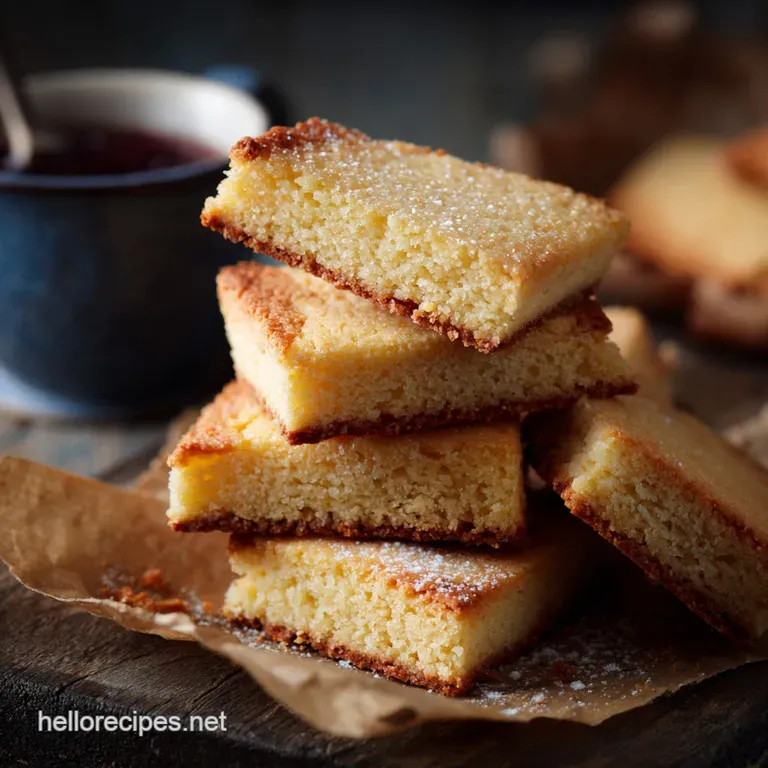
- Introducing the Perfect Crumbly Texture: Gluten Free British Shortbread
- Essential Ingredients for Authentic Gluten Free British Shortbread
- Baking the Perfect Batch: Step-by-Step Shortbread Method
- Mastering the Crumb: Chef's Tips and Troubleshooting Shortbread Flaws
- Storage Solutions: Keeping Your gluten-free Shortbread Fresh and Crisp
- Elevating the Experience: Perfect Pairings for Your Shortbread
- Recipe FAQs
- 📝 Recipe Card
Introducing the Perfect Crumbly Texture: gluten-free British Shortbread
That aroma of baking butter and sugar? It's simply unbeatable. You pull the tray out, perfectly pale and smelling ridiculously rich, and you know you’ve captured that pure, unadulterated shortbread magic.
The texture is what we’re chasing: exquisitely tender, almost sandy, and it just melts away on your tongue.
Honestly, this GF shortbread recipe is a weekend lifesaver. It only uses five ingredients, demands almost zero fancy technique, and tastes miles better than any store-bought biscuit you could find on the shelf.
It’s the definition of easy baking pleasure, proving that beautiful biscuits don't need gluten to shine.
Forget the dry, gritty GF shortbread cookies you might have endured in the past. We are achieving true Scottish shortbread here the kind that makes you instantly reach for a second one. Let's dive into the secrets of creating that gorgeous, melt-in-the-mouth texture.
The Defining Characteristics of True Scottish Shortbread
Real Scottish shortbread is primarily a celebration of fat; that is the non-negotiable truth. It demands a high ratio of butter to flour, ensuring the dough bakes up tender, dense, and non-spreading.
Because traditional shortbread seeks to limit gluten development, we actually have a slight advantage when working with GF flour blends!
The critical element here is the inclusion of cornflour (cornstarch). Adding cornflour or rice flour lowers the overall protein content of the flour mix, acting as a secret structural tenderizer.
This starch inclusion guarantees that signature sandy crumb that you often miss in basic GF shortbread biscuits.
Why gluten-free Baking Demands Precision
While gluten is absent, GF baking still requires precision to avoid activating structural aids like xanthan gum. Over mixing a GF dough can lead to a chewy, springy texture, which is the exact opposite of the tender crumb we want in shortbread. We must treat the butter and sugar gently during the creaming stage.
You really need to trust your mixer or your hands but stop mixing the instant the dough comes together. My biggest early mistake was thinking GF dough needed an extra minute to "bond." Nope. Stop early and let the chilling process do the rest of the heavy lifting.
A Note on Achieving the Signature 'Sandy' Texture
That melt-in-the-mouth feel, the "sandy" texture, is achieved through temperature and technique. We use cold butter, and we avoid creaming the butter and sugar until fluffy and white (like you would for a standard cake). Instead, we cream just enough to make them incorporated but keep the mixture fairly dense.
Chef's Note: The goal is a low, slow bake. We want the moisture to slowly dry out of the dough, essentially crisping the butter structure without developing any golden colour. 300°F (150°C) is your shortbread sweet spot.
Essential Ingredients for Authentic gluten-free British Shortbread
The beauty of this recipe is its minimalism; quality truly matters here. Using excellent butter is vital because it makes up such a massive portion of the recipe's flavour.
The Best gluten-free Flour Blends for Shortbread Fingers
I always recommend a good quality GF All-Purpose Blend that includes xanthan gum. If your blend doesn't have it, add a little extra xanthan gum separately; it provides just enough stability to prevent total collapse during the bake.
However, for maximum authenticity, swap out a portion of that GF blend for fine white rice flour.
Rice flour is the key to classic Scottish texture. It's incredibly fine and non-developing, helping us replicate that specific traditional crumb.
Choosing Your Fats: Clarified Butter vs. Plant Based Alternatives
Unsalted butter, cold and high-quality, is always my first choice for this GF shortbread recipe. If you want the most intensely pure buttery flavour, try using clarified butter (ghee) instead! It has a slightly lower moisture content, which can enhance the crispness.
If you need a dairy-free option, make sure you choose a high fat vegan baking block, ideally one with 80% fat content. Do not use soft margarine, which contains too much water, leading to spread and disappointment.
Granulated, Caster, or Icing Sugar? Understanding the Sweetener Impact
Caster sugar (superfine granulated) is the gold standard for easy gluten-free shortbread cookies. Its fine grain dissolves quickly without introducing grit. Standard granulated sugar can sometimes leave a noticeable texture behind.
Icing sugar (powdered sugar) can also be used, though it sometimes results in a slightly softer shortbread. I stick with caster because it gives the best balance of structure and dissolve.
| Ingredient | My Recommendation | Viable Substitute | Why It Works |
|---|---|---|---|
| Butter | Cold Unsalted Butter | High Fat Vegan Baking Block | Provides structure, richness, and flavour. |
| Caster Sugar | Caster Sugar | Granulated (Blitzed in blender) | Refines the texture without gritty bits. |
| GF Blend | GF Blend with Xanthan Gum | GF Blend + 1/4 tsp Xanthan Gum | Essential structure support. |
| Cornflour | Cornstarch | Tapioca Starch or Rice Flour | The crucial tenderizing agent. |
Baking the Perfect Batch: step-by-step Shortbread Method
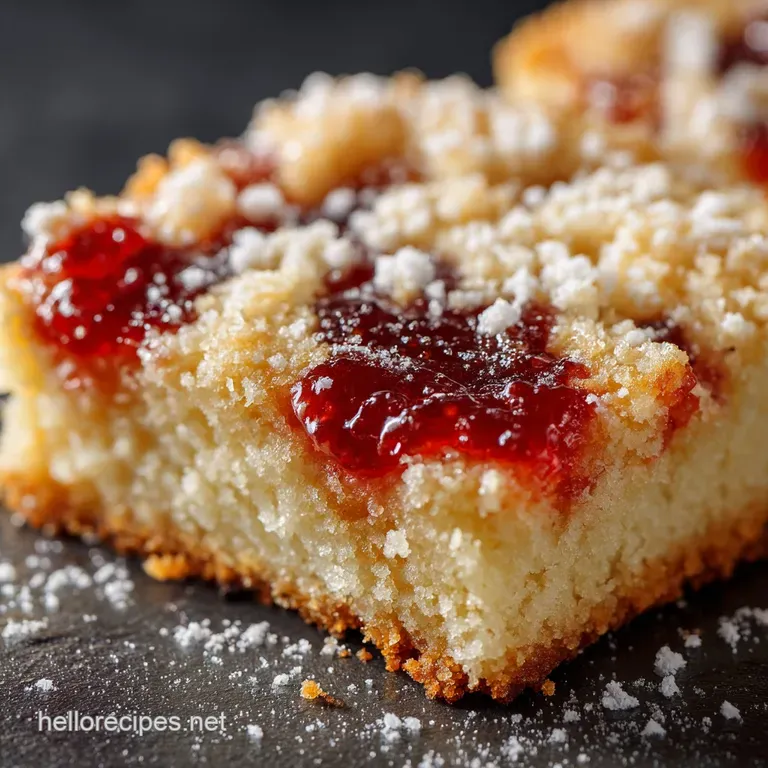
Creaming Method vs. Rubbing In: Which Technique to Use
For the smoothest finish and easiest process, I always use the creaming method with a mixer. Rubbing in the butter by hand (which works wonderfully for scones or gluten-free Bread: The Best Soft Springy Sandwich Loaf ) can introduce too much heat from your hands, melting the butter prematurely.
We want those small, distinct pieces of fat.
Using the mixer means the mixing process is faster, colder, and yields a more uniform result. Just remember: low speed and minimal time!
Pressing and Shaping: Achieving Uniform Thickness
Uniform thickness is crucial for an even bake. If one side is thick and the other thin, you'll end up with burnt edges and a gooey middle. I use an 8 inch square or round pan and press the dough firmly using the bottom of a dry measuring cup until the surface is completely level.
Don't skip the step of chilling the shaped dough. This firms up the butter again, ensuring the shortbread holds its shape perfectly and achieves that satisfying snap when cool.
The Importance of Docking (Pricking) the Dough Before Baking
Docking means pricking the dough all over with a fork before it goes into the oven. This releases any trapped steam during baking, preventing the dough from puffing up unevenly or creating large bubbles.
You should dock generously; think of it as giving the shortbread room to breathe without expanding. This guarantees that beautifully flat, dense, and crisp result.
Mastering the Crumb: Chef's Tips and Troubleshooting Shortbread Flaws
Right then, nobody likes baking failures, especially when butter is involved! Here are the common pitfalls I’ve encountered and exactly how to fix them next time.
Why Your Shortbread Spreads and How to Fix It
If your beautiful GF shortbread spreads out across the pan or loses its sharp edges, the butter was too warm. Either you over creamed it, or the chilling time wasn’t long enough. Always ensure the butter is cold to begin with, and do not rush the minimum 30 minute chill.
If your kitchen is hot, chill the dough for an hour.
Alternatively, sometimes the flour-to-fat ratio is off due to measuring errors. Weighing your ingredients (metric is best!) completely removes this risk.
Fixing Overly Crumbly Dough That Won't Hold Shape
If your dough looks like sand and just refuses to press into a cohesive disc, it's too dry. This usually happens if your GF flour blend is particularly absorbent. Don't panic!
Add the tiniest splash of whole milk, about half a teaspoon at a time, until the dough holds together when you squeeze it. It should feel firm and pliable, not sticky.
Achieving Uniform Cutting and Shaping for Aesthetic Results
Clean cuts are vital for gorgeous shortbread fingers. You must score the dough while it is cold before baking. Then, as soon as the tray comes out of the oven, use a sharp knife or a pizza cutter to re-cut those lines quickly while the biscuit is still hot and fragile.
If you wait even ten minutes, the cooling butter will set the structure, and attempting to cut it will shatter the entire piece into a hundred shards. Trust me on this I’ve ruined more than one batch learning this lesson.
Storage Solutions: Keeping Your gluten-free Shortbread Fresh and Crisp
How to Store Baked Shortbread for Maximum Crispness
The goal is to keep the air away from the biscuits and prevent any moisture from creeping back in. Once the shortbread is completely cool (and I mean stone cold), store it in an airtight container at room temperature.
Keep the container away from the stove or sunny windows. Properly stored, your melt-in-the-mouth GF shortbread should stay crisp and delightful for 5 to 7 days. Do not store shortbread in the refrigerator; it will soften the texture.
Freezing Unbaked Dough for Future Convenience
This is my absolute favourite hack! You can press the dough into the pan, score it, and then wrap the whole tin tightly in plastic wrap and foil. Label it with the date and temperature.
The unbaked dough will keep beautifully in the freezer for up to three months. When you want fresh shortbread, just remove the plastic wrap and bake straight from frozen (you might need to add 5- 10 minutes to the total baking time).
Brilliant for last minute guests or when I’m craving something quick but homemade, like when I'm prepping for gluten-free Lemon Summer Recipes: No-Bake Mascarpone Bars and need a quick snack.
Elevating the Experience: Perfect Pairings for Your Shortbread
This simple, buttery biscuit is perfect as is, but a few subtle additions can make it truly special.
Traditional Tea and Coffee Pairings (The Proper Cuppa)
Nothing, and I mean nothing , beats a piece of perfect GF shortbread alongside a steaming hot cup of tea. A robust, malty Assam or classic English Breakfast tea cuts through the richness of the butter perfectly.
If you prefer coffee, go for a simple Americano or a smooth espresso. Avoid overly creamy or flavoured coffees, which might clash with the delicate vanilla and butter notes. It should be simple, traditional, and totally comforting just like the cream in my Strawberry Layer Cake: The Classic British Mascarpone Cream Recipe .

Recipe FAQs
Why is my gluten-free shortbread dry or too tough instead of crumbly?
This usually happens due to overworking the dough, which can develop the starch structures even in gluten-free flour, making the biscuit tough. Ensure you mix just until the dough comes together, and use cold, high-quality butter for the best "sandy" texture.
Which type of gluten-free flour blend works best for this shortbread recipe?
A blend containing rice flour and starches (like tapioca or potato starch) is ideal for achieving that classic shortbread crumbliness. Avoid using single source flours like only almond or coconut flour, as they drastically alter the required moisture and fat ratios.
How do I stop my shortbread from spreading and losing its shape during baking?
Spreading is primarily caused by insufficient chilling time or warm ingredients. Make sure the dough is chilled thoroughly (at least 30-45 minutes) before cutting and baking, and do not place the prepared dough onto a warm baking sheet.
Can I freeze the shortbread dough or the fully baked biscuits?
Yes, you can freeze the cut dough pieces for up to 3 months; bake them straight from frozen, adding a few minutes to the total cooking time. Baked shortbread also freezes well; wrap the cooled pieces tightly and thaw them at room temperature before serving.
Is it possible to make this recipe dairy-free or vegan?
Absolutely. Shortbread relies heavily on the fat content, so substitute the butter with a high-quality, solid vegan butter stick, not a soft margarine spread. Ensure your replacement has a fat percentage similar to traditional dairy butter (around 80%) for optimal structure.
Why is the chilling time so essential for gluten-free shortbread?
Chilling is crucial because it re-solidifies the butter, which acts as the primary structure holding the shortbread shape during baking. This process also allows the gluten-free flours time to fully hydrate, preventing a gritty texture.
How should I store the finished shortbread to maintain its crisp texture?
Store the cooled shortbread in an airtight container at room temperature for up to one week. Avoid refrigerating it, as the moisture and cold temperature can cause the butter to weep, resulting in a softer biscuit.
gluten-free British Shortbread Fingers
Ingredients:
Instructions:
Nutrition Facts:
| Calories | 89 kcal |
|---|---|
| Protein | 1.0 g |
| Fat | 5.0 g |
| Carbs | 10.0 g |
