Gluten Free Pumpkin Recipes: Our Best Ever Maple-Glazed Spice Loaf
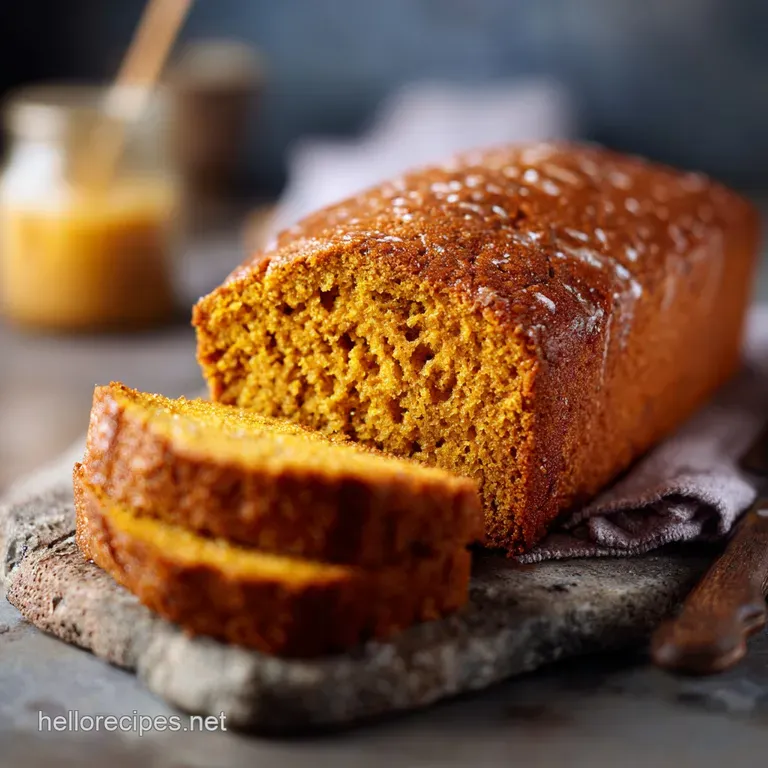
- The Ultimate Gluten Free Pumpkin Recipes: British Spice Loaf Perfection
- The Gluten-free Science Behind a Perfect, Tender Crumb
- Essential Ingredients for the Best Gluten Free Pumpkin Recipes Loaf
- Baking the Loaf: A Step-by-Step Guide to Maximum Flavor
- Troubleshooting and Expert Tips for Gluten-free Baking Success
- Keeping Your Loaf Fresh: Storage and Freezing Instructions
- Perfect Pairings: Serving Suggestions for Your Pumpkin Spice Loaf
- Recipe FAQs
- 📝 Recipe Card
The Ultimate gluten-free Pumpkin Recipes: British Spice Loaf Perfection
That first wave of cinnamon and ginger hitting you when this loaf comes out of the oven? It's pure magic. This isn't just baking; it’s basically bottling up the entire autumn season and smearing it with a sticky, complex maple syrup glaze.
Seriously, the sheer aroma of proper, deeply spiced baking should be illegal.
Dealing with celiac restrictions or just avoiding gluten doesn't mean you have to skip the seasonal treats. This specific gluten-free Pumpkin Recipes loaf is incredibly easy, honestly a one-bowl wonder, and it costs pennies compared to those dry, packaged versions from the bakery.
It is the ultimate fast track to comfort food heaven, ready to rescue your Sunday afternoon.
I've personally had so many GF disasters (we’ve all been there, right?). But this precise recipe? It works every single time, giving you a tender crumb that is miles away from gritty or crumbly. Let’s crack on and figure out exactly how we can nail this perfect quick bread, which might just rival a classic Creamy Pumpkin Pie Recipe: The Silkiest, Spiced Thanksgiving Dessert for comfort.
The gluten-free Science Behind a Perfect, Tender Crumb
Why This Spice Loaf is Your Autumn Baking Essential
This loaf is specifically engineered to compensate for the major drawback of gluten-free baking: the dreaded dryness. We are absolutely saturating the batter with moisture, which the GF flours desperately need.
It’s designed to be dense, comforting, and perfectly spiced, making it far superior to those light, often flavourless GF quick breads.
Dispelling the Myth: Achieving a Moist gluten-free Crumb
The secret weapon here is the combination of neutral oil and a massive quantity of 100% pumpkin puree. Pumpkin acts as both a binder and an incredible humectant, meaning it grabs onto moisture from the oil and the eggs, refusing to let go during the oven's intense heat.
Trust me on this: oil beats solid fats like butter for maintaining ultimate moisture in GF quick breads every time.
Navigating the Recipe: Equipment and Prep Time Overview
You definitely don't need fancy stand mixers or complex attachments here; just two big bowls and a sturdy whisk will do the job perfectly. The most critical piece of equipment is the parchment paper sling, which is mandatory for lifting a potentially delicate gluten-free Pumpkin Loaf out without breakage.
Prep is genuinely 15 minutes, which is sometimes faster than finding your car keys.
The Role of Pumpkin Puree in Maintaining Moisture
Think of the pumpkin as the structural scaffolding that replaces the missing gluten network. It gives the loaf body, beautiful colour, and prevents that awful crumbly texture that plagues so many gluten-free Pumpkin Desserts. It achieves all this without introducing too much heavy, saturated fat.
Balancing Flours: Achieving Structure Without Gluten
We rely heavily on a high-quality, pre-mixed measure for-measure GF blend, specifically one that already contains xanthan gum. Xanthan gum works to mimic the elasticity and binding power of gluten, which is crucial for holding this type of heavy quick bread together.
If your current blend is missing xanthan gum, add a teaspoon, or your beautiful loaf might sadly turn into a pile of gritty dust.
The Magic of Maple: Crafting the Sticky, Flavorful Glaze
We aren't aiming for a thick, crunchy icing here; we want a sticky, slightly translucent glaze that sinks beautifully into the warm spices on the loaf's surface. Using real maple syrup instead of just milk and vanilla in the glaze gives it that wonderful, complex depth that truly screams "fall harvest."
Essential Ingredients for the Best gluten-free Pumpkin Recipes Loaf
Canned vs. Fresh: Selecting the Right Pumpkin Puree for Baking
Always go canned for consistency, honestly. Fresh puree is often too watery, and that extra liquid throws off the delicate moisture balance that gluten-free flour requires. Just double check the label!
Ensure it says 100% pumpkin, not the pre-spiced pie filling; confusing those is a major rookie error I made back in my early baking days!
Detailed Notes on gluten-free Flour Blends and Binders
If you attempt a DIY blend, remember you need a balance: protein from something like brown rice flour is good, but you absolutely need starches like potato or tapioca starch to keep the final product light.
As discussed, the binder (xanthan or guar gum) is non-negotiable for achieving perfect structure in this easy gluten-free Pumpkin Bread.
Swapping Fats and Sweeteners: Alternatives for Dairy and Sugar
You can easily swap the neutral oil for melted coconut oil if you prefer, but be aware it will impart a very mild coconut flavour. If avoiding white granulated sugar, light brown sugar works too, though it will make the loaf slightly denser and darker in colour.
| If You Need to Swap... | Substitute With... | Notes on Texture/Flavor |
|---|---|---|
| Neutral Oil | Melted Coconut Oil or Applesauce | Coconut oil is richer; applesauce (1:1 swap) reduces fat but can make the texture slightly denser. |
| GF Measure for-Measure | 50% Sorghum Flour / 50% Tapioca Starch + 1 tsp Gum | This requires more precision and weighing, but it works! |
| Granulated Sugar | Light Brown Sugar | Adds a deeper molasses note and more moisture. |
Mastering the Spice Blend: Ratio Guide for Optimal Warmth
This spice blend is specifically geared toward the traditional comfort flavours of the season, favoring ginger and a tiny punch of clove or allspice for depth. Do not skimp on the salt, ever! Salt is what wakes up all those beautiful spices and keeps the loaf from tasting simply sweet or flat.
A good spice ratio makes all the difference for true gluten-free Pumpkin Cake flavour.
Baking the Loaf: A step-by-step Guide to Maximum Flavor
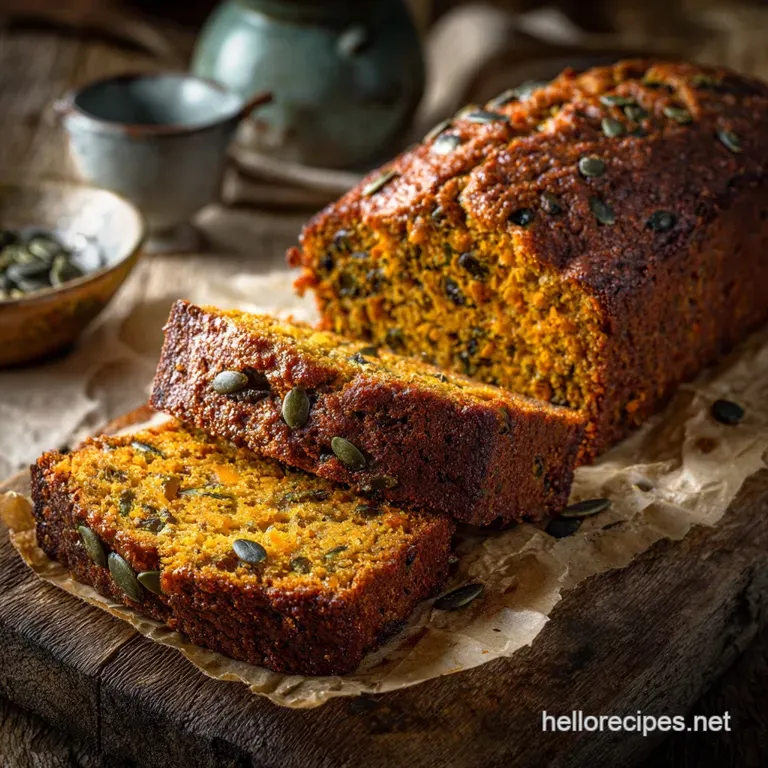
Preparation Phase: Prepping the Tin and Combining Dry Ingredients
Whisking the dry ingredients for 30 seconds is crucial and non-negotiable before combining anything else. You need those leaveners (baking soda and baking powder) fully dispersed so the loaf rises evenly without those weird little pockets of flavourless powder.
Prep your pan by greasing, then lining with a parchment sling; trust me, removing a cooled GF loaf is terrifying without the sling.
Wet Mix Integration: Avoiding Overmixing the gluten-free Batter
This is the key step where people usually fail and end up with tough edges. When mixing the wet ingredients into the dry, use a rubber spatula and fold gently until just combined. The very second you no longer see streaks of dry flour, stop mixing immediately.
Overmixing develops the starches and leads directly to that gummy, unpleasant texture we desperately want to avoid in our gluten-free Pumpkin Recipes.
The Perfect Bake: Temperature Checks and Doneness Indicators
Bake until the top is a deep, burnished orange brown and a skewer inserted deep into the centre comes out clean, maybe with just a few moist crumbs clinging to it. If you notice the top browning quickly around the 30 minute mark, loosely tent the loaf with aluminium foil.
Too much heat on the surface before the centre is cooked is a guaranteed recipe for a sunken loaf.
Glazing Technique: Applying the Maple Finish for Maximum Stickiness
The loaf must be fully cooled before you even think about glazing it. If it’s even slightly warm, that beautiful sticky glaze will run right off, pooling uselessly at the bottom of the cooling rack.
Patience is key here; let it rest for at least 30 minutes on a wire rack before you drizzle.
Chef's Note: If you want a thicker, almost frosting like glaze, use cold milk and beat it vigorously. For a thin, translucent glaze that runs down the sides, use warm milk and mix just enough to combine.
Troubleshooting and Expert Tips for gluten-free Baking Success
Preventing the Gumminess: The Secret to a Light Texture
As I mentioned before, the secret to a beautifully light texture is two-fold: proper hydration and zero overmixing. gluten-free flours actually benefit from a short rest period after mixing. If you have 5 minutes, let the final batter sit in the bowl before scraping it into the loaf tin.
This allows the starches to fully absorb the liquid, drastically improving the final texture and reducing any potential graininess.
My Loaf Sank! Why Batter Collapse Happens (and How to Fix It)
A sunken centre usually means underbaking (always check the very middle!) or mixing ingredients that were at different temperatures (especially cold eggs right out of the fridge). Ensure all your wet ingredients are at room temperature before you start.
The cold temperature can prevent the baking soda from activating fully, causing the rise to stall mid-bake and collapse upon cooling.
What to Do with Leftover Pumpkin Puree After Baking
Don't let that half can of delicious pumpkin go to waste! You can use it in breakfast smoothies, stir a dollop into oatmeal, or even freeze it in ice cube trays for later quick baking projects. If you’re feeling ambitious, you could use the remainder to make a batch of spicy Mini Pumpkin Pies: Creamy, Spiced Muffin Tin Dessert Recipe next weekend they are ridiculously cute and use minimal puree!
Keeping Your Loaf Fresh: Storage and Freezing Instructions
Short Term Storage: Maintaining Moisture in the Pantry
Wrap the unglazed loaf tightly in cling film or foil immediately after it has cooled completely. Storing it this way at room temperature will maintain its beautiful moisture for up to 3 days.
Once glazed, the sugar tends to attract moisture from the air, slightly accelerating staling, so enjoy those glazed slices quickly!
Freezing the Loaf: Best Practices for Thawing Without Texture Loss
Does this loaf freeze well? You bet it does. Ensure the loaf is fully cooled and do not glaze it before freezing. Wrap the loaf twice in plastic wrap, then once in aluminum foil for maximum protection against freezer burn. It holds up beautifully for up to 3 months.
When thawing, simply leave it wrapped overnight on the counter; keeping the wrapper on traps all that delicious moisture inside as it comes back to temperature.
Perfect Pairings: Serving Suggestions for Your Pumpkin Spice Loaf
Breakfast & Brunch Enhancements: Yogurt, Nuts, and Cream Cheese Frosting
This cracking loaf is versatile enough for breakfast or dessert!
- The Classic Tea Service: Serve slices lightly toasted, spread with slightly sweetened Mascarpone cheese or traditional clotted cream. Pair it with a steaming, robust builder's brew.
- Decadent Dessert: Serve slightly warm with a side of sautéed apples spiced with extra cinnamon and a generous dollop of vanilla bean ice cream (make sure that ice cream is GF!).
- The Brunch Treat: If you are feeling extra naughty (and skipping the maple glaze), a tangy cream cheese frosting is always brilliant. Top with a sprinkle of toasted pecans or crushed walnuts for a lovely crunch.
Recipe FAQs
Why is my gluten-free pumpkin loaf dense or too dry?
This common issue usually stems from overmixing the batter, which incorporates too much air and develops the starches, or from oven variations causing overbaking. Ensure you only mix until the flour streaks disappear, and always test for doneness with a skewer or check the internal temperature (195-200°F).
Can I use fresh pumpkin puree instead of canned puree?
Yes, but you must ensure the consistency is very thick and firm, as canned puree is typically drier. Freshly roasted pumpkin puree often contains excessive moisture which can make the loaf gummy; drain it through cheesecloth for several hours before measuring to remove excess liquid.
How can I make this pumpkin loaf recipe completely vegan and dairy-free?
Substitute the eggs using flax eggs (1 tbsp flaxmeal + 3 tbsp water per egg) or a commercial vegan egg replacement powder for reliable binding. Swap traditional dairy butter for a high-quality plant based butter stick or neutral oil, and use a milk alternative like oat or almond milk in the batter and the glaze.
What is the best way to store and freeze the finished pumpkin loaf?
Store the completely cooled, unglazed loaf wrapped tightly in plastic wrap at room temperature for up to 3 days, or in the refrigerator for longer freshness. To freeze, wrap the whole loaf or individual slices securely in plastic wrap followed by aluminum foil; it maintains quality for up to three months.
Do I need to add Xanthan Gum if my gluten-free flour blend doesn't include it?
Absolutely, especially in quick breads. Xanthan gum is critical in gluten-free baking as it replicates the elasticity and binding structure normally provided by gluten. Without it, your loaf will be overly crumbly and may collapse; use about 1/2 teaspoon per cup of flour.
Should I glaze the loaf immediately, and how does the glaze affect storage?
Wait until the loaf is completely cooled before applying the maple glaze; applying it too soon will cause the glaze to melt off and soak into the bread. If you plan on storing the loaf for more than 24 hours, it is best to leave it unglazed and apply the sticky topping just before serving.
Gf Pumpkin Spice Loaf Cake Recipe
Ingredients:
Instructions:
Nutrition Facts:
| Calories | 739 kcal |
|---|---|
| Protein | 9.9 g |
| Fat | 30.0 g |
| Carbs | 107.4 g |
