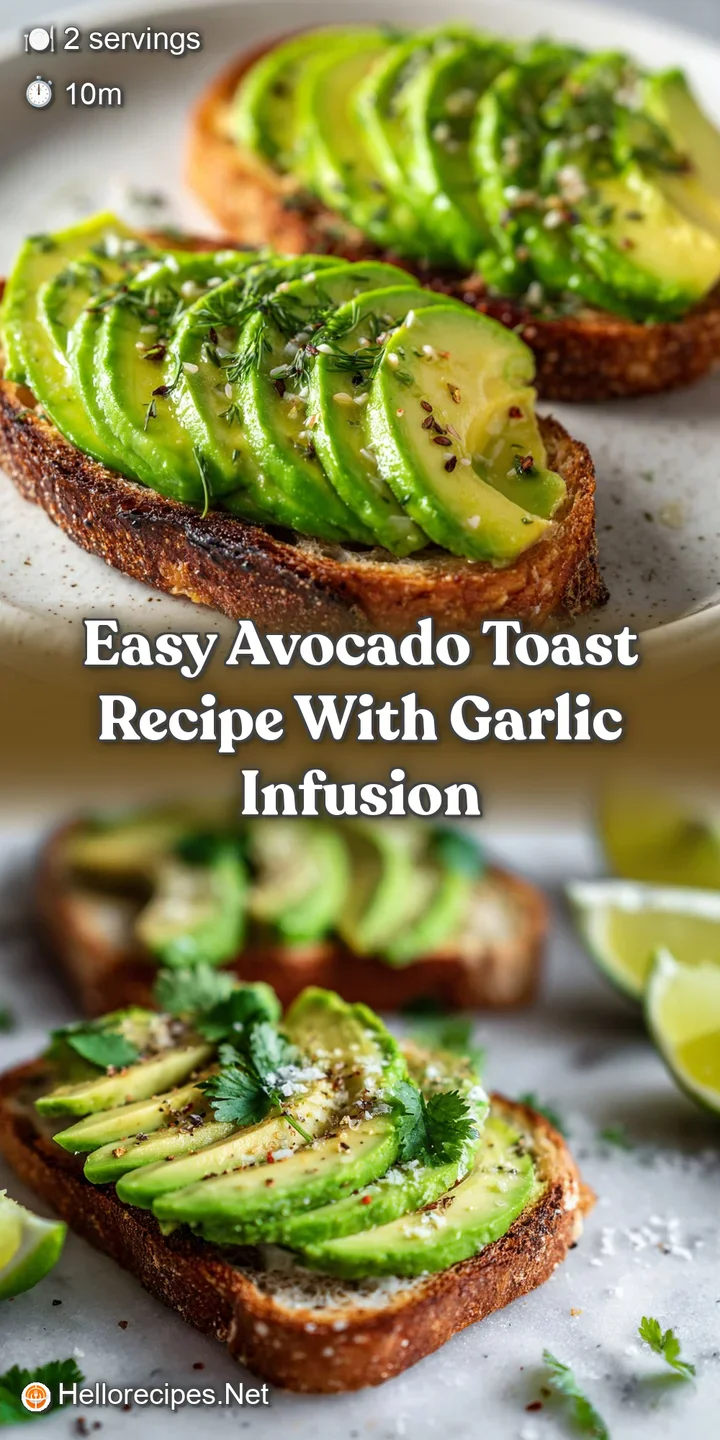
Avocado Toast: Charred Garlic Sourdough
- Time: Active 5 mins, Passive 5 mins, Total 10 mins
- Flavor/Texture Hook: A contrast of charred, garlicky crunch and citrus brightened silkiness.
- Perfect for: Energy efficient weekday mornings or a refined brunch centerpiece.
- Why You'll Love This Avocado Toast
- Key Technical Specs for Success
- Essential Shopping List Components
- Precise Tool Requirements
- The Systematic Assembly Process
- Managing Potential Culinary Failures
- Modifying the Recipe for Any Crowd
- Debunking Common Kitchen Myths
- Sustainable Storage and Zero Waste
- Recipe FAQs
- 📝 Recipe Card
Why You'll Love This Avocado Toast
The smell of sourdough hitting a hot pan is one of those sensory triggers that immediately wakes up my brain. There is something about that specific aroma fermented grain meeting heat that feels both innovative and primal.
I remember the first time I actually tried rubbing a raw garlic clove directly onto a piece of charred bread. I thought it was a gimmick until I took a bite and felt that punchy, sharp zest cut right through the rich fat of the avocado. It was a complete shift in how I viewed "simple" food.
We have all been there: staring at a rock hard avocado or ending up with a soggy piece of bread that collapses under the weight of its toppings. I spent months experimenting with different toast thicknesses and acidity levels because I was tired of mediocre breakfast options.
This recipe isn't just about putting fruit on bread; it is about using technology like the Maillard reaction and mechanical abrasion to build layers of flavor that actually stay structural and vibrant until the last bite.
What you can expect here is a blueprint for the ultimate morning meal. We are moving away from the bland, mushy piles of the past and toward a version that respects the integrity of the ingredients.
We use a high hydration sourdough to ensure a sturdy base and a specific seasoning sequence that ensures every lipid molecule is highlighted by salt and acid. It is fast, it is sustainable, and frankly, it is the only way I make it now.
Key Technical Specs for Success
Building a dish with so few components means every single specification matters. If the bread is too thin, it becomes a cracker; if the avocado is too cold, the flavors remain muted. We are looking for a specific harmony between the warmth of the toasted grain and the cool, tempered fat of the Hass variety.
The Lipid Acid Bridge: Citric acid from the lemon juice doesn't just prevent browning; it breaks down the heavy fat molecules on the tongue, making the avocado feel lighter and more vibrant. This chemical interaction is what prevents the dish from feeling overly "heavy" or greasy.
- Maillard Precision: Toast your sourdough until the edges are dark brown, almost charred. This creates the bitter contrast needed for the sweet, creamy fruit.
- Aromatic Infusion: Using a raw garlic clove as a "crayon" on the toasted surface exploits the jagged texture of the bread to grate the garlic into the crust.
- Structural Integrity: A 1 inch slice provides enough "crumb" to absorb the olive oil without losing its "shatter" on the exterior.
| Method | Time | Texture | Best For |
|---|---|---|---|
| Pan Seared | 5 mins | Deeply charred, oily | Maximum flavor impact |
| Toaster | 3 mins | Evenly crisp, dry | Quick morning routine |
| Oven Broil | 4 mins | Crunchy top, soft bottom | Making large batches |
When you choose the pan seared method, you're using conductive heat to create a more complex flavor profile than a standard toaster can provide. The extra virgin olive oil seeps into the holes of the sourdough, creating tiny pockets of fried bread that contrast beautifully with the velvety avocado.
Essential Shopping List Components
Selecting your components is where the gastronomy truly begins. For this recipe, we are using a Hass avocado because its high oil content provides the best mouthfeel. If you are looking for a more sustainable option, try to source bread from a local bakery that uses stone ground flours and long fermentation cycles, which are easier on the gut and better for the planet.
| Component | Science Role | Pro Secret |
|---|---|---|
| Sourdough | Structural foundation | Use 2 day old bread; lower moisture equals a better "shatter." |
| Hass Avocado | Emulsion base | Ripen in a paper bag with a banana to concentrate ethylene gas. |
| Lemon Juice | Enzyme inhibitor | Always juice fresh; bottled versions lose the volatile aromatic oils. |
| Red Pepper | Capsaicin heat | Toast the flakes in a dry pan for 30 seconds to wake up the oils. |
For the Foundation
You need two thick slices (approx. 1 inch) of Sourdough bread. This isn't just a vehicle; it’s the structural engineer of the dish. I highly recommend using a loaf with a sturdy crust. If you’ve mastered my Bake My Homemade recipe, you can use that for a softer, more sandwich style vibe, though the classic sourdough tang is hard to beat here.
For the Creamy Layer
One large Hass Avocado, ripe but firm to the touch. You also need one large clove of garlic. We aren't mincing it; we are using the whole clove as a tool. A half of a freshly juiced lemon provides the necessary pH balance to keep the green vibrant and the flavor sharp.
For the Finishing Touch
Extra Virgin Olive Oil (1 tsp) adds a grassy note that ties the bread and fruit together. For the seasoning, we use flaky sea salt (0.25 tsp), crushed red pepper flakes (0.5 tsp), and freshly cracked black pepper (0.125 tsp). Finally, 1 tsp of microgreens adds a delicate, earthy finish and a boost of nutrients.
| Original Ingredient | Substitute | Why It Works |
|---|---|---|
| Sourdough Bread | gluten-free Sourdough | Similar tang and structure. Note: Toast longer to achieve the same crunch. |
| Lemon Juice | Lime Juice | High acidity. Note: Adds a more tropical, zestier note. |
| Microgreens | Fresh Cilantro | Earthy/herbal notes. Note: Changes the flavor profile toward a Mexican inspired dish. |
| Red Pepper Flakes | Smoked Paprika | Adds heat and color. Note: Provides a smokier, less "sharp" spice level. |
Rubbing the garlic onto the bread is a non negotiable step for me. It’s an old school technique that modern technology hasn't been able to improve. The heat of the bread melts the garlic oils, while the rough surface of the toast acts like a microplane.
Precise Tool Requirements
You don't need a high tech lab to make a great breakfast, but the right equipment ensures consistency. Using a heavy bottomed pan, for instance, provides the thermal mass needed to get that perfect char without burning the bread through to the center.
- Cast Iron Skillet: Such as a Lodge 10 inch, for even heat distribution during toasting.
- Small Glass Bowl: To mash the avocado without it reacting to metal.
- Fork: A heavy, stainless steel fork provides the best leverage for a "chunky smooth" texture.
- Chef's Knife: For slicing the avocado and lemon with precision.
Chef's Tip: Freeze your garlic clove for 10 minutes before rubbing it on the toast. It stays firmer, allowing you to "grate" it against the bread more effectively without it crumbling in your fingers.
The Systematic Assembly Process
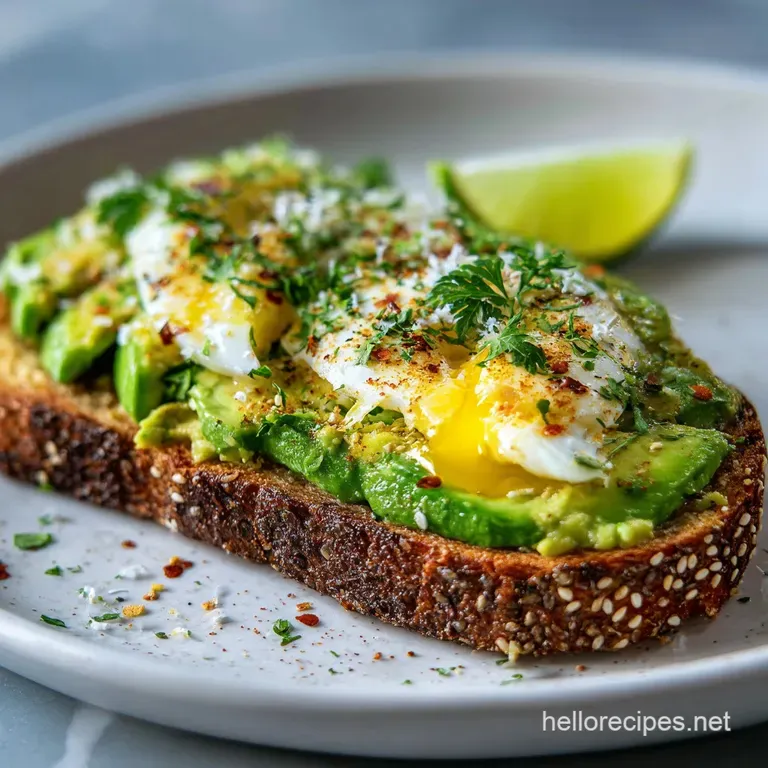
This is where we build the layers. We start with the thermal base (the bread) and move toward the delicate finishing oils. Pay attention to the doneness cues the "shatter" of the bread is your most important indicator of success.
- Heat the skillet. Place your cast iron or heavy pan over medium high heat. Note: Preheating is vital for an immediate sear.
- Toast the sourdough. Place the 2 slices in the dry pan. Cook 2-3 minutes per side until deeply golden and "hollow" sounding when tapped.
- Prepare the garlic. While the bread is hot, take the peeled garlic clove and rub it vigorously over one side of each slice. Rub until the clove is physically smaller and the bread smells aromatic.
- Drizzle the oil. Apply the 1 tsp of Extra Virgin Olive Oil over the garlicky surface. Note: The oil will soak into the warm garlic infused crust.
- Prep the avocado. Slice the Hass avocado in half, remove the pit, and scoop the flesh into a small bowl.
- Add acidity and seasoning. Pour the lemon juice over the avocado and add the flaky salt and black pepper.
- Mash the fruit. Use a fork to press the avocado. Stop when you have a velvety texture with small, pea sized chunks remaining.
- Spread the mixture. Divide the avocado evenly between the two slices of toast, spreading it right to the very edges.
- Add the heat. Sprinkle the 0.5 tsp of crushed red pepper flakes over the top.
- Garnish and serve. Top with the microgreens. Serve immediately while the bread is still warm and the avocado is fresh.
If you are looking for a more "saucy" addition to go on top, you might consider a drizzle of something vibrant. If you have some left over from making a Chimichurri Receta recipe, a teaspoon of that herb sauce over the avocado is absolutely world class.
Managing Potential Culinary Failures
Even a dish this simple can go wrong if we lose focus on the thermodynamics or the ingredient quality. A soggy bottom is the most common complaint, often caused by applying the avocado to bread that hasn't finished steaming or by using bread that is too fresh and soft.
Why Your Bread Is Soggy
If your toast feels limp after a few minutes, it’s usually because you didn't allow the internal steam to escape before topping. When bread is heated, moisture moves from the center to the surface. If you trap that moisture under a layer of fat (avocado), it turns the crust back into dough.
| Problem | Root Cause | Solution |
|---|---|---|
| Bitter Aftertaste | Over toasted garlic | Rub the garlic gently; don't let it burn in the pan. |
| Greasy Texture | Too much oil on soft bread | Use a high-quality, dense sourdough and stick to 0.5 tsp per slice. |
| Brown Avocado | Enzymatic browning | Ensure lemon juice is mixed in thoroughly, not just drizzled on top. |
Common Mistakes Checklist
- ✓ Never use a microwave to "soften" a hard avocado; it ruins the lipid structure.
- ✓ Ensure the skillet is hot before the bread hits the surface to prevent the sourdough from drying out before it browns.
- ✓ Don't skip the garlic rub; it provides a depth of flavor that salt alone cannot achieve.
- ✓ Mash the avocado in a separate bowl rather than on the toast to protect the bread's structural integrity.
- ✓ Use flaky salt (like Maldon) for textural "pops" rather than fine table salt.
Modifying the Recipe for Any Crowd
This recipe is designed for two, but the math is simple enough to scale for a brunch party. The key is to keep the toast warm if you are making a large batch. I usually use my oven on the lowest setting (about 60°C) to keep the sourdough slices crisp while I prep a big bowl of the avocado mash.
Scaling Down (Single Serving): Use half an avocado and one slice of bread. Since you can't really use "half" a garlic clove, just rub what you need and save the rest of the clove for dinner. For the lemon, juice the whole thing but only use what you need, storing the rest in a sealed container.
- Bread
- Use the oven broiler to toast all slices at once. Flip them halfway through.
- Avocado
- Mash 4-5 avocados in a large bowl. Use 1.5x the salt and pepper to start, then taste. Spices don't always scale linearly.
- Assembly
- Set up a "station" where you rub garlic, then oil, then spread. It's more efficient than doing one full toast at a time.
If you want to turn this into a more substantial meal for guests, consider adding a protein element. It pairs excellently with the flavors in my Cajun Shrimp Toast recipe, or you can simply serve it alongside some poached eggs for a classic look.
Debunking Common Kitchen Myths
There is a lot of "bro science" surrounding the humble avocado. One of the biggest myths is that leaving the pit in the mashed avocado prevents it from turning brown. In reality, the pit only protects the area directly beneath it from oxygen. The rest will oxidize regardless.
The only thing that truly works is a combination of acid (lemon juice) and a physical barrier (plastic wrap pressed directly against the surface).
Another myth is that you need a lot of oil to toast bread. In a good cast iron pan, the sourdough will toast beautifully on its own. The oil should be added after toasting for flavor, rather than during toasting, where it can make the bread feel heavy and greasy.
Sustainable Storage and Zero Waste
Freshness is everything for this dish, but we can still be smart about our leftovers. Because of the high fat content and the enzymatic nature of avocados, they don't store particularly well once mashed, but we can manage it for about 24 hours.
- Storage: Place any leftover mash in the smallest container possible. Press a piece of parchment paper or beeswax wrap directly onto the surface to eliminate air gaps. Keep it in the fridge for up to 1 day.
- Freezing: You actually can freeze avocado mash if it has enough lemon juice. It won't be as good on toast, but it works perfectly for smoothies later.
- Reheating: Never reheat the assembled toast. If you have leftover bread, re toast it in a pan with a little oil to bring back the "shatter."
- Zero Waste Tip: Don't throw away the lemon zest! Zest the lemon before you juice it and store the zest in the freezer. It’s perfect for adding a gastrique style finish to pastas or salads later in the week. The garlic skins can also be saved in a freezer bag for making vegetable stock.
Recipe FAQs
Is avocado on toast healthy?
Yes, generally it is a nutritious choice. It provides healthy monounsaturated fats from the avocado and complex carbohydrates from whole grain bread. Adding seeds or high fiber greens boosts the nutritional profile significantly.
Why does Dr. Gundry say not to eat avocado toast?
He suggests avoiding it primarily due to lectins and seed oils. Dr. Gundry is concerned about lectins in grains like wheat bread and recommends avoiding processed vegetable oils often used in commercial toasting processes.
What goes well on avocado toast?
A combination of acid, spice, and texture works best. Try flaky sea salt, fresh lemon juice, and crushed red pepper flakes for balance. For something more robust, consider pairing it with thinly sliced radishes or everything bagel seasoning.
How do you make avocado toast?
Toast thick slices of sourdough in a dry, hot cast iron skillet. Rub the hot toast immediately with a raw garlic clove to infuse flavor, then mash your avocado with lemon juice and salt, spreading it evenly over the warm, garlicky crust.
Is it true I must use only Hass avocados for the best texture?
No, this is a common misconception, though Hass is preferred. While Hass offers the highest oil content for creaminess, a slightly firmer Fuerte avocado can be used if you prefer less richness; however, ensure you mash it thoroughly to avoid a grainy mouthfeel.
How do you prevent the avocado from turning brown immediately?
Thoroughly incorporate fresh lemon or lime juice into the mash. The acid works by inhibiting the polyphenol oxidase enzymes responsible for oxidation. If you enjoyed mastering the acid balance here, see how we use the same technique in the Classic Mexican Street recipe to brighten flavors.
Can I substitute sourdough bread with another bread type?
Yes, but you must adjust your toasting technique. If using a standard sandwich loaf, toast it much longer and at a lower heat to drive out more moisture, preventing it from becoming immediately soggy when the avocado is applied.
Garlic Avocado Toast
Ingredients:
Instructions:
Nutrition Facts:
| Calories | 329 kcal |
|---|---|
| Protein | 8.2 g |
| Fat | 17.3 g |
| Carbs | 36.5 g |
| Fiber | 7.8 g |
| Sugar | 2.1 g |
| Sodium | 548 mg |
