Gluten Free Rolls: the Bakers Dozen Foolproof Dinner Rolls
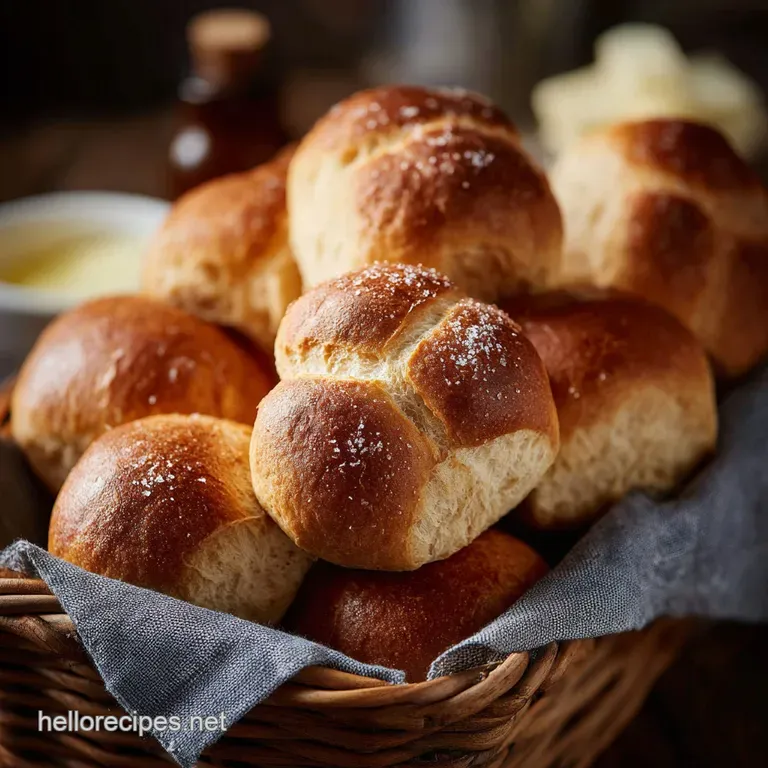
- The Baker’s Dozen: Foolproof gluten-free Dinner Rolls
- The Science of Softness: Why These Gluten Free Rolls Rise
- Essential Pantry Staples for Your Fluffy Rolls Recipe
- Shaping and Proofing: Mastering the gluten-free Roll Method
- Troubleshooting Your Bake: Expert Tips for gluten-free Success
- Keeping Your Rolls Fresh: Storage and Make-Ahead Guide
- Perfect Pairings: What to Serve With Your Homemade Rolls
- Recipe FAQs
- 📝 Recipe Card
The Baker’s Dozen: Foolproof gluten-free Dinner Rolls
There is truly nothing better than the smell of freshly baked bread wafting through the house. It's instantly comforting. When you finally pull these golden, fluffy gluten-free rolls from the oven, they have that satisfyingly soft interior and that slight pull you thought you could never achieve without wheat.
For years, I bought sad, dense GF loaves that cost a fortune and crumbled the second you looked at them sideways. Sound familiar? This recipe is the antidote to all that misery; it uses common flours, needs minimal hands-on time, and doesn't require complex kneading techniques.
It's fast, easy, and guarantees you beautiful, springy homemade gluten-free rolls every single time.
This isn't just another mix and bake recipe, though. We’re going to look closely at the structural secrets that make these GF Dinner Rolls legitimately rise above the rest (pun intended!). So grab your scale, and let's make some baking magic happen.
The Science of Softness: Why These gluten-free Rolls Rise
A Guide to Achieving the Perfect Crumb Structure
Traditional bread relies entirely on gluten proteins to create a network that traps gas from the yeast, allowing the dough to inflate and hold its shape. Since we can’t use gluten, we have to cheat a little!
Our secret weapon is a high hydration dough stabilized by two incredible ingredients: psyllium husk powder and xanthan gum. This combination creates a sticky, gel-like substance that perfectly mimics that stretchy, resilient gluten structure.
Why Most gluten-free Bakes Fail (And How to Fix It)
Most commercial GF breads fail because they rely too heavily on starches, leading to a dry, crumbly result that stales quickly. We counteract this by using a blend of protein rich flours (like sorghum or brown rice) and ensuring the dough is incredibly wet.
A high hydration dough stays moist longer and ensures a lighter crumb rather than a heavy, dense brick. Remember, GF dough is supposed to look gloopy and sticky don't try to flour it into submission!
The Ultimate Recipe for Soft, Fluffy GF Rolls
This particular blend of flours, yeast, and stabilizers works harmoniously to give the dough excellent volume during the first proof. The key is balance; too much starch makes it dry, too much xanthan gum makes it gummy. We’re aiming for a perfect, springy crumb that bounces back when gently squeezed.
Harnessing the Power of Psyllium Husk Powder
Psyllium husk powder is absolutely non-negotiable for these foolproof gluten-free rolls. When psyllium meets warm water, it forms a viscous, elastic gel almost instantly. This gel holds the dough together during the rise and baking stages, providing the structural integrity that gluten usually offers.
Without it, your rolls will collapse in the oven.
Achieving the Ideal Internal Structure Without Gluten
Because we aren't relying on kneading to develop structure (which only works with gluten), we rely on intensive mixing. Running the stand mixer for the full 5– 7 minutes fully incorporates the psyllium gel and flours, ensuring the bubbles trapped by the yeast are evenly distributed.
This mixing step is basically the equivalent of traditional kneading for us GF bakers.
The Role of Yeast Activation Temperature
Yeast is a living organism, and temperature is its love language. The milk and water must be warmed, but only to about 105°F (40°C); too cold and the yeast sleeps, too hot and you kill it instantly. This perfect temperature ensures a vigorous bloom, giving us plenty of gas to lift our heavier GF dough.
Essential Pantry Staples for Your Fluffy Rolls Recipe
Choosing the Best gluten-free Flour Blend
I swear by using individual flours rather than a generic cup-for-cup blend here because commercial blends can vary wildly in starch content. My current favorite combination is brown rice flour, sorghum flour, and tapioca starch.
Using sorghum adds a fantastic, slightly nutty flavor that prevents that bland, "rice-y" taste common in many GF bread recipes. If you love using flours, you might also enjoy my technique for gluten-free Flour Tortillas That Actually Bend: Homemade Pliable Recipe .
Psyllium Husk vs. Psyllium Powder: A Critical Difference
This is a rookie mistake I made early on, and it resulted in horrible, gritty bread. We absolutely need the fine Psyllium Husk Powder here, not the whole husks you might use for fiber supplements. Powder absorbs liquid much faster and more uniformly, creating a smooth gel.
If you use whole husks, your rolls will be spotted with gritty brown bits.
dairy-free and Vegan Swaps for Milk and Butter
Good news! This recipe is incredibly forgiving when it comes to dairy. You can easily adapt it without sacrificing that lovely soft texture.
| Ingredient | Viable Substitution | Notes |
|---|---|---|
| Whole Milk | Unsweetened Oat or Soy Milk | Ensure it is warmed to 105°F/40°C. |
| Unsalted Butter | Neutral Oil (Vegetable, Refined Coconut) | Use the same weight (60g) or volume (4 tbsp). |
| Eggs | Flax Egg (2 tbsp flax meal + 6 tbsp water) | This works best for vegan rolls but may require a longer mixing time to incorporate. |
Shaping and Proofing: Mastering the gluten-free Roll Method
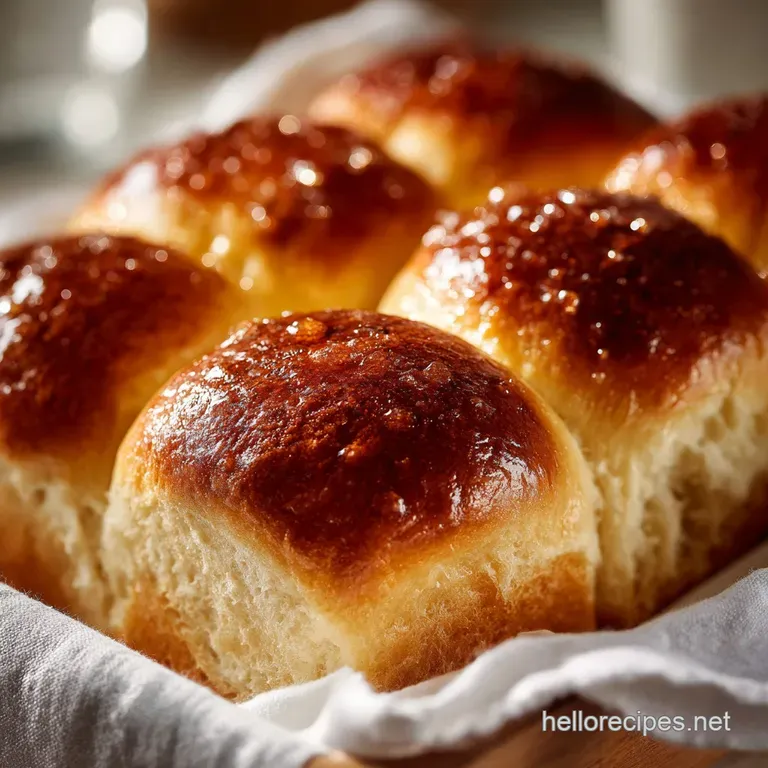
Combining the Wet and Dry Ingredients (Ensuring Hydration)
Make sure you create that psyllium gel before you add it to the dry ingredients. That pre-hydration step ensures every little bit of powder starts absorbing water immediately. When you combine everything, the mixture will look like thick porridge.
Don't panic; this is the consistency we want for Fluffy gluten-free Rolls!
Chef’s Note: Never add extra flour when mixing. If you think the dough is too wet, it’s probably perfect. Adding flour will lead to dry, dense rolls. Trust the process!
Gentle Shaping Techniques for Consistent Rolls
When it comes time to shape, you must oil your hands liberally! Seriously, coat them completely. This sticky dough is not meant to be handled like wheat dough. Divide the dough into 12 equal portions (a scale is your friend here, aiming for 100g each), and roll them gently against your oiled palm or a very lightly oiled counter until they form a smooth ball.
Avoid pressing or deflating them unnecessarily.
The Initial Proof: What to Look For
The first proof (or bulk fermentation) is crucial. Place your bowl in a warm, cozy, draft free spot my trick is using a cold oven with only the light turned on. You’re looking for the dough to approximately double in size, which usually takes 60 to 90 minutes.
Do not over proof. Once doubled, shape immediately; if they rise too much, they risk collapsing in the oven.
Baking Temperature and Internal Doneness Check
We start with a slightly higher temperature (375°F / 190°C) to set the crust quickly and encourage a final burst of oven spring. Bake until the tops are deeply golden brown.
If you want to be extra sure, use an instant read thermometer; the internal temperature should read 205°F to 210°F (96°C 99°C).
Troubleshooting Your Bake: Expert Tips for gluten-free Success
My Rolls Are Dense: Common Dough Mistakes
If your GF Dinner Rolls come out dense, the number one culprit is usually measuring by volume instead of weighing. Flour compresses, meaning your "cup" of flour might actually be 150g instead of the required 120g, totally throwing off the hydration balance.
Weighing ingredients is the key to preventing density. Another cause could be insufficient mixing during the paddle stage; you must run the mixer long enough to fully activate the psyllium structure.
Preventing Crumbliness and Dryness
This recipe should be moist, but if you notice significant crumbling, you likely either didn't use enough liquid or you skipped the psyllium husk powder. Remember, that gel is what keeps the internal structure flexible and moist.
If you're looking for other crumbly but-intentional delights, try my recipe for gluten-free British Shortbread: The Easy Melt-in-the-Mouth Recipe .
The Secret Ingredient for a Golden Brown Crust
The simple butter glaze right after baking makes all the difference. Brushing the piping hot rolls with melted butter not only adds richness but softens the crust instantly, ensuring they stay tender and beautifully glossy. This step also gives them that irresistible aroma.
Keeping Your Rolls Fresh: Storage and make-ahead Guide
Optimal Freshness: Countertop vs. Refrigerated Storage
These fluffy gluten-free rolls are best eaten the day they are baked. If you have leftovers (what even are leftovers?), store them in an airtight container at room temperature for up to 2 days. After that, they start to lose their incredible softness.
I rarely recommend refrigerating yeast bread as it dries out very fast.
The Best Way to Freeze Baked and Unbaked Rolls
I love making a huge batch of these for holidays! To freeze baked rolls , let them cool completely, then wrap them tightly in plastic wrap followed by a layer of aluminum foil. They keep well for up to 3 months.
To freeze unbaked rolls , complete the shaping process, then flash freeze them on a tray until solid. Transfer the frozen rolls to a freezer bag. When ready to bake, thaw them overnight in the refrigerator, then let them proof at room temperature for about an hour before baking as usual.
Reheating gluten-free Rolls to Restore Softness
Never microwave GF rolls straight away they'll turn rubbery! The best way to restore that fresh baked texture is to wrap the rolls tightly in aluminum foil and bake them in a 300°F (150°C) oven for about 10– 15 minutes.
The foil traps the steam, gently re-moisturizing the interior. You can also lightly mist them with water before wrapping.
Perfect Pairings: What to Serve With Your Homemade Rolls
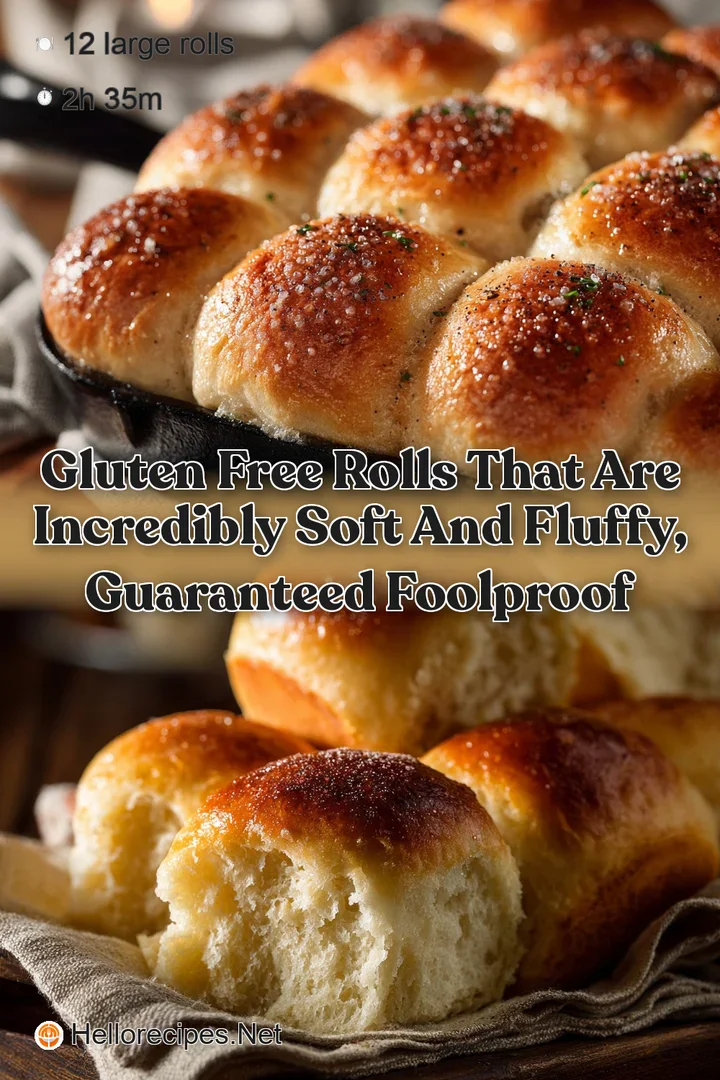
These Homemade gluten-free Rolls are robust enough for savory pairings but slightly sweet enough for breakfast spreads. They are absolutely mandatory for Thanksgiving dinner, perfect for soaking up every last bit of gravy.
For a comforting winter meal, serve them alongside a thick lentil soup. Honestly, though, slicing them open and filling them with butter and a sprinkle of sea salt might be the ultimate experience. They also make fantastic, slightly smaller GF sliders! If you want a quick, savory companion for dinner, these are fantastic served next to my famous gluten-free Cheddar Bay Biscuits: Easy Restaurant Quality Recipe .
Recipe FAQs
Can I substitute psyllium husk powder with xanthan gum?
While both are binders, psyllium husk powder is essential for the superior structure, elasticity, and fluffy texture described in this specific roll recipe. Substituting directly with xanthan gum will likely result in a denser roll with less overall height.
Why did my gluten-free rolls come out dense and crumbly?
This common issue often results from incorrect hydration or over baking. Ensure you weigh your flour accurately, as too much dry ingredient quickly absorbs the necessary moisture; if the dough feels too stiff before the first rise, add water or milk slightly until a sticky, workable texture is achieved.
How can I make these dinner rolls entirely dairy-free or vegan?
You can easily substitute the dairy milk with unsweetened almond, soy, or oat milk, and use a high-quality plant based butter alternative or refined coconut oil in place of traditional butter.
If the recipe calls for an egg, replace it with a flax egg (1 tablespoon ground flaxseed mixed with 3 tablespoons water, rested for 5 minutes).
How should I store and reheat leftover rolls?
Store completely cooled rolls in an airtight container at room temperature for up to 3 days, though they are best eaten within 24 hours of baking. To revive a day-old roll, lightly mist the outside with water and reheat in a 350°F (175°C) oven for 5 to 7 minutes until they are soft and steamy again.
Can I freeze the rolls, and should I freeze them before or after baking?
It is generally best to freeze these rolls after baking and allowing them to cool completely. Wrap the baked rolls tightly in plastic wrap, then place them in a freezer bag or container for up to 3 months, then thaw overnight before reheating.
Does the type of gluten-free flour blend matter for this recipe?
Yes, the blend matters significantly; always use a reputable, measure for-measure blend designed for yeast baking that includes a mix of rice flour, tapioca starch, and potato starch. Avoid blends that are predominantly bean flours, as these can result in a heavier texture and sometimes impart an unpleasant aftertaste.
Do I need to adjust the recipe for high altitude baking?
High altitude can cause gluten-free dough to dry out faster and rise too quickly due to reduced air pressure. You may need to slightly increase the hydration by adding 1-2 tablespoons of extra liquid and reduce the oven temperature by about 25°F (15°C) to ensure slow, even baking without excessive moisture loss.
Foolproof Fluffy gluten-free Rolls
Ingredients:
Instructions:
Nutrition Facts:
| Calories | 495 kcal |
|---|---|
| Protein | 8.0 g |
| Fat | 5.0 g |
| Carbs | 104.7 g |
