The Perfect Fluffy Poffertjes Little Dutch Delights
- Discovering the Delight: What Makes Poffertjes So Irresistible?
- The Allure of the Mini-Pancake: A Dutch Tradition Unveiled
- Assembling Your Essentials for Authentic Batter
- Tool Talk: Specialized Gear for Perfect Puff
- Crafting the Perfect Poffertjes Batter: A Step-by-Step Guide
- Mastering the Cook: Achieving Golden Edges and Soft Centers
- Troubleshooting Common Pancake Pitfalls
- Serving Suggestions Beyond the Basic Butter and Sugar
- Recipe FAQs
- 📝 Recipe Card
Discovering the Delight: What Makes Poffertjes So Irresistible?
If you’ve ever wandered through a charming street market in Amsterdam or explored a winter fair, you’ve likely encountered the irresistible aroma of Poffertjes caramelizing on a hot griddle.
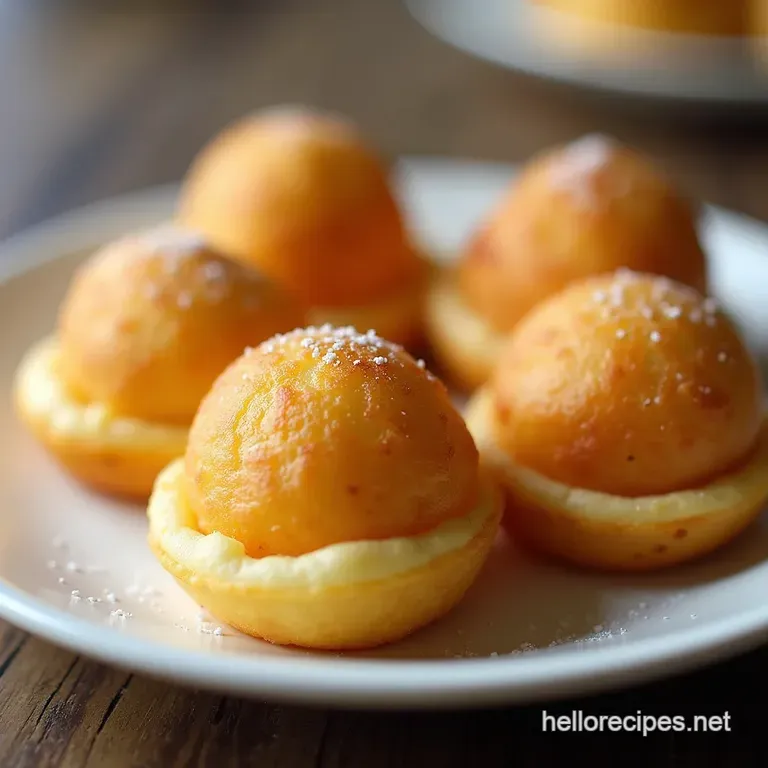
These aren't just small pancakes; they are culinary jewels fluffy, bite sized rounds that manage to be both incredibly light and wonderfully satisfying. Forget everything you think you know about standard flat pancakes; Poffertjes introduce a delightful complexity thanks to a secret ingredient that guarantees an airy, almost cloud like texture.
They are traditionally served piled high, glistening slightly under a generous veil of powdered sugar, making them a visual and gustatory masterpiece.
The Allure of the Mini Pancake: A Dutch Tradition Unveiled
These miniature marvels are an enduring staple of Dutch cuisine. Think of them as the sophisticated, smaller cousins of a standard American pancake, but with a wonderful yeast kick.
The standard serving size yields approximately 40 50 Poffertjes, making them perfect for sharing though you’ll likely want a whole plate to yourself! Achieving the perfect batch requires a bit of patience, as they fall into the "Medium" difficulty level category, primarily due to the necessary resting time and the nuanced temperature control required during cooking.
The active preparation time is only about 20 minutes, but plan for nearly two hours total because the rising time is crucial to unlocking their signature texture.
Why Yeast Transforms These Bites into Culinary Clouds
The primary differentiator between these treats and many other quick mix Dutch pancakes recipe variations is the use of active dry yeast. While many modern pancake recipes rely solely on baking powder or soda for lift, the yeast in authentic Poffertjes requires a dedicated proofing stage and at least 45– 60 minutes to activate fully.
This fermentation process not only imparts a subtle, complex tanginess to the flavour but also creates thousands of tiny gas bubbles within the batter. When these bubbles hit the hot pan, they expand rapidly, resulting in the signature, airy interior structure.
A Quick History: From Street Food to Your Kitchen Counter
Historically, Poffertjes evolved as an economical and easy-to-serve street food, often made by vendors during markets or festivals. The original batter was sometimes based on buckwheat flour, but the modern, yeast leavened version rose to prominence.
Learning how to make Poffertjes at home brings that nostalgic, bustling market atmosphere right into your kitchen. While they may seem similar to other international puffed items, understanding their specific preparation helps define their uniqueness.
Setting Expectations: Fluffiness Guaranteed
Our goal in this recipe is maximum aeration. We achieve this not just through the yeast, but also by separating the eggs. The egg yolks enrich the batter, but the egg whites are whisked separately until they form stiff peaks.
This technique of gently folding the meringue into the yeasted base is the final, critical step that guarantees these little rounds become the fluffy mini pancakes you dream about.
Assembling Your Essentials for Authentic Batter
To begin crafting this delightful treat, we need a blend of simple pantry staples elevated by specific ratios. For a recipe yielding 40 50 pieces (serving 4 6 people generously), you'll need 1 ¼ cups (300 ml) of lukewarm milk, 1 ½ cups (190g) of sifted all-purpose flour, 2 ¼ teaspoons of active dry yeast (one standard packet), 1 tablespoon of granulated sugar, and ½ teaspoon of salt.
Eggs are vital; you'll need two large ones, separated. Finally, 2 tablespoons (28g) of unsalted butter, melted and cooled slightly, binds the richness together.
Tool Talk: Specialized Gear for Perfect Puff
While you can certainly adapt, using the right equipment drastically improves the outcome when tackling this poffertjes recipe .
The Critical Components: Flour, Yeast, and Dairy Ratios
The ratio here is key. The flour must be properly hydrated by the milk to create a thick but pourable batter thicker than standard crepe batter, but certainly not stiff dough.
Sifting the flour ensures no lumps interfere with the smooth development of the gluten structure needed to support the air incorporated later. The sugar is minimal, acting more as necessary food for the yeast than as a sweetener for the batter itself.
Must Have Equipment: Securing Your Poffertjes Pan
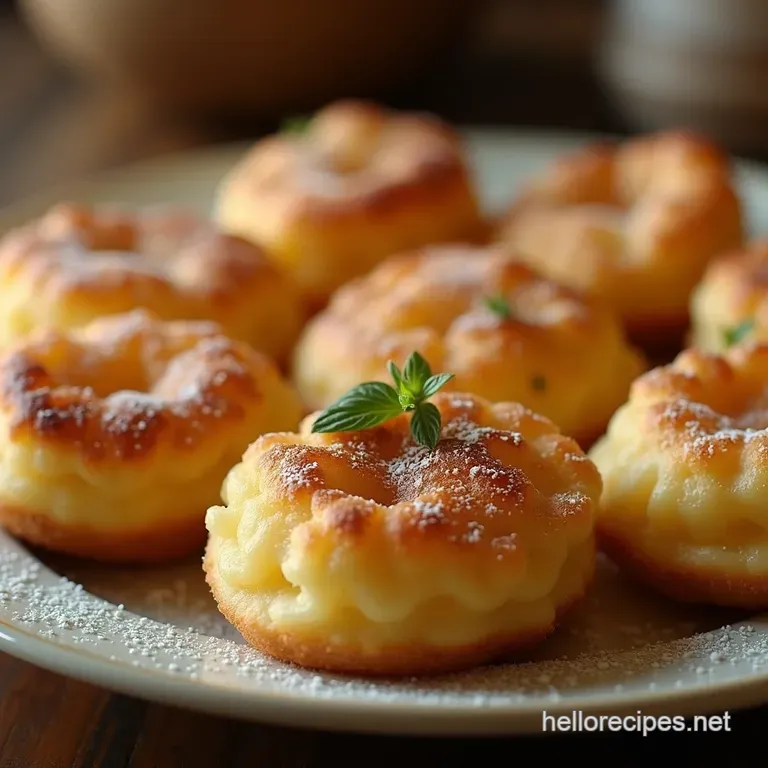
The single most important piece of equipment is the poffertjes pan . This specialized cast iron or heavy duty pan features numerous small, shallow, round indentations designed to perfectly shape and cook these treats simultaneously.
If you don't own a dedicated poffertjes maker , you might attempt to use a heavy bottomed griddle in conjunction with metal rings (like those used for English crumpets) to mimic the shape, but achieving the ideal uniform thickness will be harder.
Optional Enhancements: Butter Alternatives and Flavor Boosters
While the classic flavour profile relies on simplicity, using high-quality, softened salted butter for serving really makes a difference it melts perfectly into the warm crevices.
For flavour boosters, adding lemon zest during the dry mix stage provides a beautiful citrus lift, or substituting ¼ cup of the flour with buckwheat flour offers a more rustic, nutty undertone.
Crafting the Perfect Poffertjes Batter: A step-by-step Guide
The process begins by ensuring your yeast is active. Gently combine the yeast with the lukewarm milk it should feel like a warm bath, never hot and a pinch of the sugar. Let this mixture sit for about 5– 10 minutes until it becomes wonderfully foamy.
This proofing stage is your confirmation that the living culture is ready to work. Meanwhile, whisk your dry ingredients (flour, remaining sugar, and salt) in a separate large bowl. Pour the yeast mixture and the melted, cooled butter into the dry ingredients, mixing until you have a smooth, thick base batter.
Cover this bowl and place it somewhere warm for the crucial first rise, usually 45 to 60 minutes, until it has visibly doubled in size and is covered in bubbles.
Mastering the Cook: Achieving Golden Edges and Soft Centers
The cooking phase requires focused attention, as these fluffy mini pancakes cook quickly once the pan is properly heated.
Activating the Yeast: Ensuring Maximum Rise Potential
As noted above, the initial proofing is paramount. If you skip this step or use water that is too hot, the yeast dies, and the characteristic puffiness achieved by the yeast fermentation simply won't occur, leading to dense results instead of airy ones.
The Resting Period: Patience for Peak Texture
Do not rush the 45 60 minute rise time. This period allows the yeast to produce the gases necessary for lift. On top of that,, after the first rise, we must gently incorporate the air we captured.
Whisk the two egg yolks into the risen batter, then, using a spatula, gently fold in the two egg whites that have been whipped to stiff peaks. This gentle folding must be done carefully; over mixing will deflate the whites, erasing all that beautiful captured air.
Flipping Technique: The Secret to Uniform Pockets
Heat your poffertjes pan over medium heat and brush the dimples lightly with butter or oil. The temperature is correct when a drop of water evaporates instantly with a gentle sizzle. Fill each dimple about three quarters full. Wait patiently for 1 to 2 minutes.
The surface will show small bubbles, and the edges will look dry and slightly set. Using a thin turning tool or small fork, quickly flip each Poffertje one-by-one. Cook for just another minute until golden brown all over.
If you are wondering about Poffertjes pronunciation , remember it sounds similar to POFF-er-tjes .
Serving Strategy: The Classic Icing Sugar Dusting
The traditional presentation is non-negotiable for the first batch: stack them high on a plate, place a small knob of softened butter in the center, and dust liberally with powdered (icing) sugar until they resemble freshly fallen snow. This simple treatment highlights the delicate texture.
Troubleshooting Common Pancake Pitfalls
It is common to face minor issues when mastering a new recipe. If your treats aren’t puffing, the most likely culprits are either under proofed yeast or over mixing the batter after folding in the egg whites. If they stick, your pan wasn't hot enough initially, or it needs more lubrication.
For a very crisp exterior, you can increase the heat slightly, but be prepared to cook faster.
Handling Batter Consistency Issues (Too Thick or Too Thin)
If the batter seems too thick after the rise, add milk, one tablespoon at a time, whisking gently until the desired, thick but-pourable consistency is achieved. If it seems too thin (runny, like water), whisk in one tablespoon of sifted flour at a time until it coats the back of a spoon lightly.
Differentiating Authentic Poffertjes from Aebleskiver
Many readers ask about the difference between Poffertjes vs Aebleskiver . While both are spherical, cooked in specialized pans, and associated with Northern European traditions, Poffertjes are smaller, rely on yeast, and are served stacked flat.
Aebleskiver (Danish) are usually larger, rely on baking powder/soda, and are typically cooked until fully spherical, often having a slight indentation on one side.
Storage Solutions: Keeping Leftovers Fresh for Tomorrow
While Poffertjes are unquestionably best enjoyed immediately, leftovers can be stored. Place cooled treats in an airtight container at room temperature for up to two days, or refrigerate for up to four.
To reheat, a quick 30 seconds in the microwave or a minute or two in a dry, low-heat pan revives their softness beautifully.
Serving Suggestions Beyond the Basic Butter and Sugar
While butter and powdered sugar are the bedrock, there are endless possibilities for creative Poffertjes toppings .
Creative Toppings: Taking Your Mini Pancakes to the Next Level
Don't stop at the classic pairing! Consider elevating your experience with these additions:
- Syrup Selection: Instead of standard maple, try drizzling genuine Dutch stroop (a dark, thick sugar syrup) or a light apricot glaze.
- Nutty Crunch: Sprinkle finely chopped walnuts, pecans, or toasted almonds over the stack.
- Creamy Indulgence: Serve alongside a dollop of crème fraîche or lightly sweetened whipped cream, perhaps infused with a hint of vanilla extract.
- Chocolate Lovers: A shower of milk or dark chocolate shavings, or a drizzle of warm chocolate ganache, transforms them into a decadent dessert course.
Whether enjoyed as a festive snack or a special weekend brunch treat, these fluffy mini pancakes offer a slice of Dutch joy, cooked perfectly right in your own home.

Recipe FAQs
Can I make Poffertjes without a special Poffertjes pan? I don't have one of those dimpled beauties.
Absolutely, don't let equipment stop you! While the dimpled pan is traditional, you can use a heavy bottomed non-stick skillet or griddle. Use small, clean, oiled English crumpet rings, or simply use a teaspoon to drop very small, uniform dollops of batter, keeping them about an inch apart.
They won't look exactly the same, but they'll taste brilliant!
My Poffertjes aren't puffing up like they should what gives?
That’s usually down to two things: your yeast or your egg whites. Ensure your yeast was properly activated in lukewarm milk; if it didn't foam, it was dead, and you need to start again.
Secondly, make sure you fold the stiffly beaten egg whites in very gently at the end; if you knock the air out, you lose the lift.
How should I store any leftover Poffertjes, and how do I reheat them properly?
Poffertjes are truly best eaten fresh, much like a doughnut! If you have leftovers, store them in an airtight container at room temperature for up to two days. To reheat, the microwave is quick but can make them chewy; a few minutes on a dry frying pan or a brief blast in a toaster oven works wonders to restore a bit of that original fluffy texture.
The batter needs to rise for an hour is there a quicker way to make Poffertjes if I'm short on time?
If you're desperate for that classic taste but time is tight, you can skip the yeast entirely. Substitute the yeast and the first rise time with 1 ½ teaspoons of baking powder mixed with 1 ½ teaspoons of white vinegar added to the wet ingredients.
This will give you a quicker, fluffier result, though it will taste slightly closer to a standard American pancake, losing that slight yeasty tang.
Are these pancakes super high in sugar, considering they are served with icing sugar?
Not in the base batter itself; we only add a tablespoon of sugar, as most of the sweetness comes from the toppings you choose. If you are watching your intake, go easy on the powdered sugar and try serving them with fresh fruit or a sprinkle of cinnamon instead.
They are relatively low in sugar before you load them up like a festive treat!
Fluffy Yeast Poffertjes Recipe
Ingredients:
Instructions:
Nutrition Facts:
| Calories | 196 kcal |
|---|---|
| Protein | 1.7 g |
| Fat | 5.3 g |
| Carbs | 8.5 g |
| Fiber | 0.8 g |
| Sodium | 25 mg |
