From Scratch in a Dash the Simplest Most Flavourful Homemade Pizza Sauce
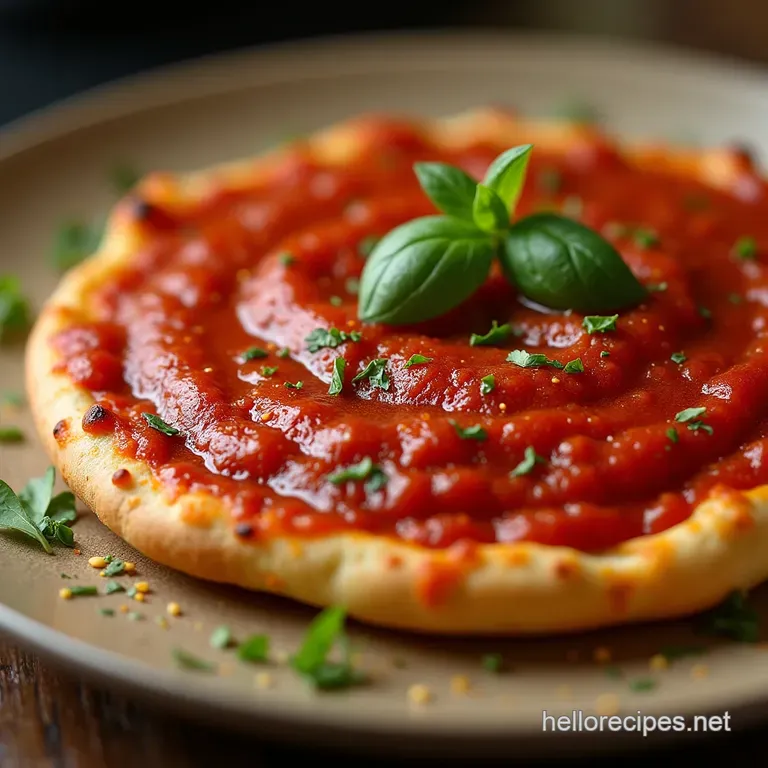
- Banish the Jar: Unlocking True Italian Flavour in Your Kitchen
- Why This Homemade Pizza Sauce Recipe Outshines Store-Bought Options
- Curating Your Canvas: Essential Components for Superior Sauce
- Mastering the Mix: Ingredient Selection Tips for Your Homemade Pizza Sauce
- The Simple Alchemy: Step-by-Step Sauce Construction
- Achieving Perfect Consistency Without Boiling Away the Goodness
- Troubleshooting and Tweaking Your Finished Sauce
- Prolonging Perfection: Storage and Freezing Guide
- Recipe FAQs
- 📝 Recipe Card
Banish the Jar: Unlocking True Italian Flavour in Your Kitchen
There’s a moment every home cook experiences: you’re prepping a beautiful, hand stretched pizza dough, piling on premium mozzarella, and then you scoop out that thin, metallic tasting, overly sweetened jarred tomato paste, and the whole enterprise deflates slightly. We deserve better!
The foundation of any truly magnificent pizza rests squarely on the sauce. This isn’t just a topping; it’s the binding agent, the moisture provider, and the essential acidic counterpoint to rich cheese and savoury toppings.
Learning How To Make Pizza Sauce From Scratch is less about adding complexity and more about stripping away unnecessary additives to reveal pure, sun-ripened tomato goodness. This journey will transform your Friday night pizza ritual forever.
Why This Homemade Pizza Sauce Recipe Outshines store-bought Options
The difference between jarred convenience and a lovingly crafted sauce boils down to flavour integrity. store-bought sauces often use lower grade tomatoes, heavy spices to mask inferior flavour, and sometimes added stabilizers.
Our approach focuses on simplicity, ensuring that the inherent sweetness and acidity of excellent tomatoes are allowed to shine. We are creating a Simple Homemade Pizza Sauce that tastes vibrant, not cooked down and heavy.
The Secret to That Perfect Pizzeria Tang
That characteristic 'tang' you look for in great pizzeria pies doesn't come from industrial vinegars; it comes from balancing the natural acidity of the tomato. In our recipe, we achieve this by slightly toasting the tomato paste a crucial step that caramelizes its sugars and then we use high-quality whole peeled tomatoes, often San Marzano varieties, known for their lower acidity profile right from the can.
A judicious pinch of sugar, added only if the tomatoes dictate it, smooths any sharp edges, resulting in a perfectly balanced base ready for slicing.
Setting the Stage: What Makes This Base Essential
This particular Homemade Pizza Sauce Recipe is engineered for quick perfection, utilizing ingredients that are likely already staples in your pantry. It yields about 2.5 cups, sufficient for three to four medium pizzas, meaning you get incredible flavour without spending hours over a stove.
The 30 40 minute simmer is just enough time to meld the aromatics without sacrificing the fresh, bright taste that characterises an authentic Italian pie. This is the Best Homemade Pizza Sauce for weeknight excellence.
A Quick Primer on Sauce Philosophy
When crafting a pizza sauce, remember that it has a short interaction time with the heat it cooks briefly in a hot oven on top of the dough. Therefore, the sauce itself should not be overly reduced or cooked down into a thick paste; that’s for pasta ragu.
For pizza, we want vibrancy and body, something that spreads easily but doesn't weep water into your crust. This philosophy guides every decision, from the gentle sauté to the minimal simmering time.
Curating Your Canvas: Essential Components for Superior Sauce
The success of this Homemade Pizza Sauce hinges almost entirely on the quality of your primary ingredient: the tomatoes. Since we aren’t using fresh market tomatoes out of season (unless you happen to be in peak harvest!), we rely on the quality preserved in a can.
Mastering the Mix: Ingredient Selection Tips for Your Homemade Pizza Sauce
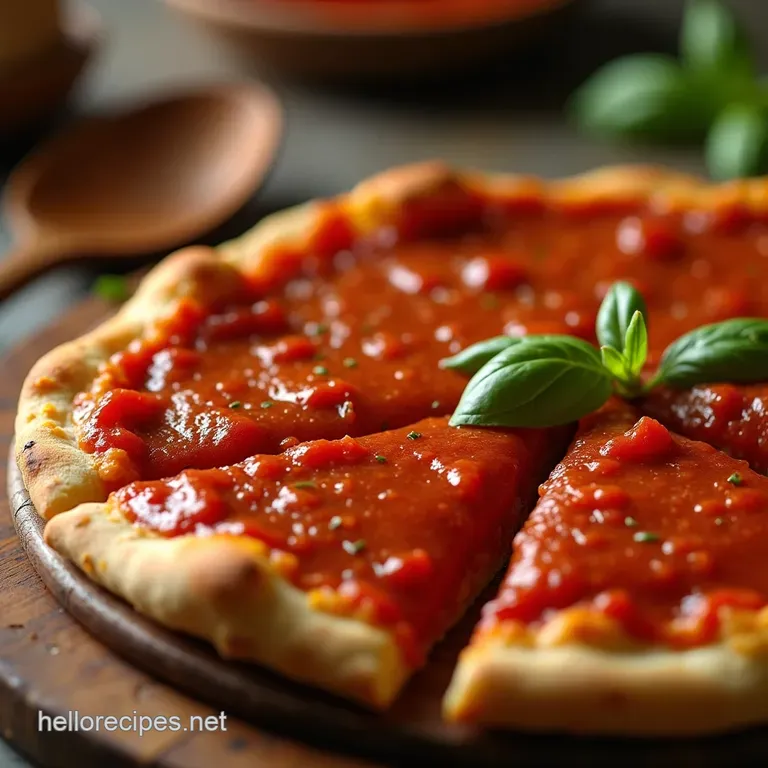
Our approach keeps things streamlined, focusing on maximizing impact with minimal components. We are aiming for a Quick Pizza Sauce Recipe that tastes like it simmered all day.
Selecting the Ideal Tomato: Crushed vs. Whole Peeled
For this recipe, I strongly advocate for whole peeled tomatoes, specifically San Marzano style if you can source them. Why? Canned whole tomatoes are typically packed in their own juice with very little added anything, preserving their original texture and flavour.
When you add them to the pot, you crush them by hand or with a masher. This provides a superior texture a mix of smooth liquid and pleasant, rustic chunks. If you opt for pre-crushed tomatoes, you risk a slightly mushier final texture, and you may need to reduce the simmering time slightly.
If you are considering preserving your batch, know that using these high-quality tomatoes forms the basis for a magnificent Homemade Pizza Sauce Canning Recipe .
The Aromatic Trio: Herbs and Seasonings That Define Depth
Garlic is non-negotiable, but it must be treated kindly. We use three large cloves, minced finely, to bloom gently in the olive oil. Alongside the garlic, dried oregano provides that earthy, pungent characteristic we associate with classic pizza, while dried basil adds a sweeter, herbaceous lift.
A tiny pinch of red pepper flakes introduces warmth without turning the sauce spicy it simply deepens the flavour profile.
Essential Gear Check: What Tools You Need Before You Start
Luckily, this recipe demands very little specialized equipment. You need a medium, heavy bottomed saucepan or a deep skillet to ensure even heat distribution during the sauté and simmer phases.
For those who despise any chunkiness, an immersion blender makes quick work of blending directly in the pot, though achieving a rustic, slightly textured sauce is often preferable for pizza.
Related Recipes Worth Trying
- Best Homemade Apple Pie Recipe Flaky AllButter Crust — Master the classic apple pie with this foolproof recipe for a shatteringly flaky buttery crust and a warm spiced apple filling Get baking
- The Crispy Crust Dream A Reliable Homemade Pizza Recipe — Forget limp supermarket bases Learn the secret to a satisfying Homemade Pizza Crust perfect for any topping Foolproof steps inside for cheesy pizza perfection
- The Best Homemade Peach Cobbler with Flaky Biscuit Topping — Forget soggy crusts Nail this easy peach cobbler recipe featuring a light buttery buttermilk biscuit topping that bakes up perfectly golden Your new...
The Simple Alchemy: step-by-step Sauce Construction
This is where the magic happens. The process is designed to layer flavour gently. First, heat two tablespoons of good quality extra virgin olive oil over medium heat. Add your three minced garlic cloves, one teaspoon of dried oregano, half a teaspoon of dried basil, and a pinch of red pepper flakes.
This is called 'blooming' the herbs allowing their essential oils to infuse the fat which should take just 1 to 2 minutes. Crucially, watch the garlic closely; you want it fragrant and soft, never brown or crispy, which introduces bitterness.
Next, we build richness by stirring in one tablespoon of tomato paste and cooking it for a full minute. This toasting action deepens its colour and flavour significantly. Now, introduce your 28-ounce can of whole peeled tomatoes. The best technique?
Use your hands to gently crush them directly into the pan as you add them. This ensures maximum control over the final texture. Add a starting half teasole of kosher salt.
Achieving Perfect Consistency Without Boiling Away the Goodness
The next phase is crucial for developing depth without losing that fresh tomato essence.
The Gentle Sauté: Waking Up the Garlic and Onion
As mentioned, the initial stage of gently heating the garlic and herbs in the oil awakens their aromatic compounds. This fragrant base sets the tone for the entire sauce. If the heat is too high, the garlic burns before the tomato paste even gets a chance to toast, sabotaging the entire batch.
We are looking for gentle persuasion, not aggressive frying.
Simmering Strategy: Developing Richness in Minimal Time
Once the mixture is combined and brought to a light bubble, immediately reduce the heat to the lowest setting possible a gentle simmer. Partially cover the pan to allow steam to escape and water content to reduce, encouraging flavour concentration.
Let this cook, stirring every 10 minutes or so, for 30 to 40 minutes. This timeframe is perfect for thickening the sauce enough to coat a spoon without turning it into a dense paste.
Blending Secrets: Achieving Velvety Smoothness or Rustic Texture
Once the simmering is complete, taste the sauce. If it has a sharp, acidic edge (which some canned tomatoes possess), stir in a half teaspoon of granulated sugar to balance it out. Now, decide on texture.
For a smoother finish reminiscent of some classic New York styles, use an immersion blender directly in the pot until you reach your desired consistency. Many aficionados, however, prefer a slightly chunky, rustic look achieved simply by crushing the tomatoes well initially and leaving the sauce as is.
Finally, remove it from the heat and stir in four large, torn fresh basil leaves their flavour is delicate and should never be simmered.
Troubleshooting and Tweaking Your Finished Sauce
If your sauce ends up slightly too thin after the 40-minute simmer, don't panic; this is common, especially if your tomatoes were watery. Let it sit off the heat for ten minutes; it will continue to thicken as it cools.
If it’s too thick, thin it slightly with a tablespoon of water or a drizzle of high-quality olive oil. If you find yourself experimenting often, consider trying the No-cook Pizza Sauce Recipe variation mentioned below in the summer months when tomatoes are at their peak!
Prolonging Perfection: Storage and Freezing Guide
This recipe creates enough sauce for 3 4 pizzas, but it stores beautifully, making it ideal for bulk prepping.
Variation Station: Adding Heat and Mediterranean Twists
To enhance the complexity further, consider infusing your oil with a sprig of fresh rosemary for the first 10 minutes of sautéing, removing it before you add the tomatoes.
For a genuine Calabrian kick, increase the red pepper flakes significantly or incorporate a teaspoon of Calabrian chili paste with the tomato paste. This adaptability makes it easy to switch up the flavour profile depending on your topping choices.
Shelf Life Snapshot: How Long Does Homemade Pizza Sauce Last?
Once completely cooled, store this Homemade Pizza Sauce in an airtight container in the refrigerator for up to five days. For longer preservation, it freezes exceptionally well.
Portion the cooled sauce into freezer safe bags or containers, leaving about an inch of headspace, and freeze for up to three months. Thaw overnight in the refrigerator before using.
Altitude Adjustment: Dealing with Watery Results
If you live at high altitude, water boils at a lower temperature, meaning your sauce may take longer to reduce. In this case, you might need to extend the simmering time by an extra 10– 15 minutes, or allow it to rest uncovered for an additional 15 minutes off the heat to wick away excess moisture before using it on your dough.
The Zero Cook Method: A Fresh Alternative for Summer Pies
For those absolute peak season summer months when your garden is overflowing, try the no-cook method entirely. Simply blend high-quality canned (or incredibly ripe, peeled fresh) tomatoes with very finely minced garlic, salt, pepper, oregano, and a generous glug of olive oil until smooth.
This Homemade Pizza Sauce with Canned Tomatoes (or fresh) requires no heating at all, offering an intensely bright, uncooked flavour perfect for thin crust pies baked quickly at very high heat.

Recipe FAQs
Can I skip cooking the Homemade Pizza Sauce and use the tomatoes straight from the can?
While technically you could, I wouldn't recommend it; it's a bit like serving lukewarm tea just not cricket! Cooking the sauce allows the garlic and herbs to properly infuse, and it reduces the raw, sharp taste of the tomatoes.
A good 30-minute simmer makes all the difference in achieving that deep, rich flavour we’re after.
My Homemade Pizza Sauce tastes a bit too sharp/acidic. How do I fix it without ruining the flavour?
That often happens if your tomatoes weren't the top-tier San Marzanos; don't fret, it’s a common kitchen mishap! The classic trick is to stir in a tiny bit of sugar start with just half a teaspoon, as you mentioned in the recipe, and taste as you go.
Alternatively, a small knob of butter stirred in at the end adds richness that balances acidity beautifully.
How long will this sauce keep in the fridge, and can I freeze leftovers?
This sauce keeps brilliantly in an airtight container in the fridge for about 5 to 7 days perfect for a few takeaway style pizzas throughout the week! For longer storage, it freezes like a dream; portion it out into freezer bags or containers and it'll be good for up to three months.
Just remember to thaw it overnight in the fridge before using.
I like a really smooth sauce; should I blend my Homemade Pizza Sauce, and if so, when?
Absolutely, you can blend it for that ultra smooth, uniform texture, though many purists prefer a bit of chunkiness! If you want smooth, use an immersion blender right in the pot after you’ve finished simmering and seasoning, or carefully transfer it to a regular blender.
Always remove the sauce from the heat before blending to avoid a culinary eruption!
Can I use fresh tomatoes instead of canned for this recipe?
You certainly can, especially when the British summer finally delivers those ripe beauties, but be warned: it's a bigger job! Fresh tomatoes usually require blanching, peeling, and significantly longer simmering time to reduce all that extra water content.
For consistency and ease, especially in the off-season, good quality canned tomatoes are generally the superior and simpler choice here.
Flavourful Homemade Pizza Sauce
Ingredients:
Instructions:
Nutrition Facts:
| Calories | 2202 kcal |
|---|---|
| Protein | 28.7 g |
| Fat | 13.1 g |
| Carbs | 141.2 g |
| Fiber | 74.3 g |
| Sodium | 19885 mg |
