Irresistible Weeknight Yaki Udon Savoury Stirfried Comfort
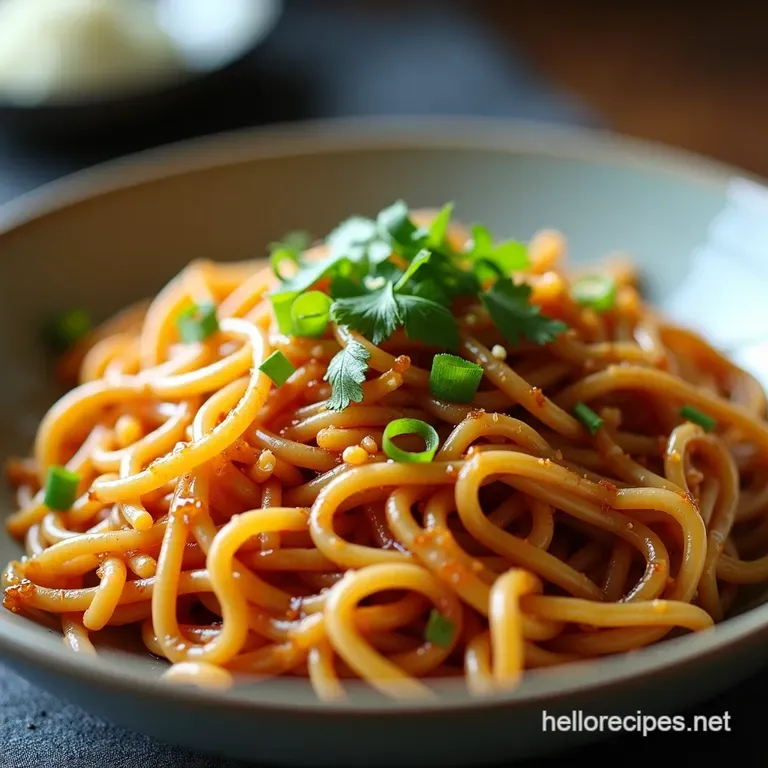
- Why This Yaki Udon Recipe Reigns Supreme for Weeknights
- The Soul of Japanese Stir-Fry: Flavour Profile Explained
- Gathering Your Components for Authentic Yaki Udon
- The Rapid-Fire Assembly: Cooking Your Yaki Udon
- Level Up Your Leftovers and Customizations
- Troubleshooting Common Stir-Fry Setbacks
- Frequently Asked Questions
- 📝 Recipe Card
Why This Yaki Udon Recipe Reigns Supreme for Weeknights
There are certain dishes that bridge the gap between comforting home cooking and exciting global cuisine effortlessly, and this Yaki Udon Recipe sits firmly in that sweet spot.
When the week has been long and the thought of complicated cooking seems overwhelming, turning to quick Asian food that delivers maximum flavour for minimal effort is the key. This iteration of Yaki Udon is designed not just to be delicious, but genuinely efficient.
We’re talking about a phenomenal meal ready from pantry to plate in about half an hour. Its simplicity allows the fantastic texture of the chewy noodles to shine, proving that mastery in the kitchen doesn't always require hours of simmering.
This recipe is your fast track ticket to authentic Japanese flavour without needing a reservation.
The Soul of Japanese Stir Fry: Flavour Profile Explained
The magic of a perfect Yaki Udon lies in balancing five core tastes: salty, sweet, savoury (umami), sharp, and aromatic. The dominant notes here are the deep salinity from the soy sauce and the rounded, meaty depth provided by the oyster sauce.
Mirin steps in to provide necessary sweetness and that characteristic glossiness that coats every strand. When combined, these elements transform simple ingredients into a harmonious whole, characteristic of any great traditional noodle dish .
It’s this perfect equilibrium that keeps us coming back for more, making it more satisfying than a standard noodle bowl.
Achieving That Signature Smoky Wok Hei Effect at Home
In professional kitchens, the smoky, slightly charred flavour known as wok hei (the "breath of the wok") is legendary. While achieving it perfectly requires intense, commercial grade heat, we can mimic that fantastic char at home. The secret?
Don't overcrowd the pan, and ensure your cooking vessel ideally a wok is scorching hot before any ingredient touches the oil. Allowing the noodles a moment to sit undisturbed on the hot metal surface imparts that desirable, subtle bitterness and smoke that elevates this from a simple stir fry to something truly special.
A Noodle Dish for Every Skill Level
We rate this recipe as easy because the technique relies on speed rather than complicated culinary foundations. The primary challenge lies in multitasking: keeping the heat consistent while ensuring all ingredients cook evenly. However, the ingredients themselves are forgiving.
If your vegetables are slightly unevenly cut, or if you miss the perfect moment to toss, the robust Yaki Udon Sauce still binds everything together beautifully. It’s a fantastic dish for beginners looking to master the high heat stir fry method.
What Makes Udon the Ultimate Comfort Noodle
Udon noodles are distinct because of their exceptional thickness and satisfying, springy texture. Unlike thinner noodles that can become delicate or brittle when stir fried, udon holds up beautifully to aggressive tossing and high heat.
This ensures that every bite offers that wonderful, chewy noodles resistance we crave in a truly comforting bowl. They act as perfect sponges, soaking up every drop of our savoury sauce without ever disintegrating.
Gathering Your Components for Authentic Yaki Udon
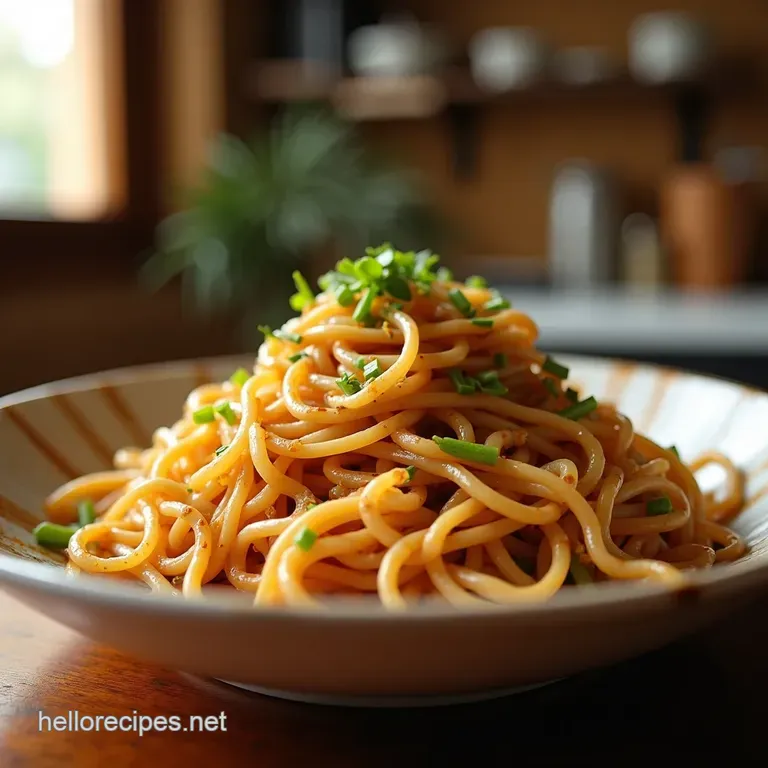
To produce restaurant quality results, preparation is non-negotiable. This is where the 20 minutes of prep time truly pays dividends, ensuring the 10 minutes of cooking time is smooth and uninterrupted.
Having everything ready your protein sliced, vegetables chopped, and sauce measured is the foundation of successful stir frying.
Choosing the Right Udon: Fresh vs. Frozen
For the best experience in this Udon Noodle Bowl , seek out vacuum packed, pre-cooked udon noodles, often found in the refrigerated section. These are already cooked, require only a quick rinse in hot water to separate them and remove any preserving residue, and have the ideal texture.
Dried udon is a possibility, but it requires a separate boiling time, which adds complexity and risks overcooking before the stir fry even begins. Avoid canned udon at all costs; it’s usually too soft for this high heat application.
Protein Power: Selecting Your Stir Fry Stars
This recipe is delightfully flexible regarding your main protein. For a lighter meal, thinly sliced chicken breast or firm tofu works perfectly. If you prefer something richer and more indulgent, thinly sliced pork belly transforms this dish wonderfully, rendering down slightly to add flavour to the oil.
When preparing any protein for Yaki Udon Chicken or beef alternatives, ensure the pieces are bite sized and no thicker than half an inch so they cook rapidly and evenly.
The Essential Veggie Mix for Crunch and Colour
A great stir fry needs textural contrast against the soft noodles. The trinity of cabbage, carrots, and onion provides this perfectly. The cabbage offers body, the carrots bring sweetness and crunch, and the onion softens slightly while caramelizing at the edges.
Slice the cabbage thinly and cut the carrots into fine julienne strips so they cook at a similar rate to the onions.
Precision Measuring for the Sauce Base
While we encourage creativity with vegetables, the Yaki Udon Sauce requires precision. Too much sugar burns; too little soy sauce leaves the dish flat. The combination of soy sauce, oyster sauce, and mirin forms the core umami foundation.
Whisk these components thoroughly in a small bowl before you start cooking so you can pour the entire mixture in one smooth motion when the time comes.
Related Recipes Worth Trying
- Sweet Savory Chicken Teriyaki Skewers Grill or Oven — Easy chicken teriyaki skewers recipe These sweet savory skewers are perfect grilled or ovenbaked Homemade teriyaki sauce takes them to the next level
- Osaka Okonomiyaki Recipe: Your Savoury Pancake Party! — Craving a taste of Japan? My easy okonomiyaki recipe brings the Osaka street food favourite to your kitchen! Loaded with cabbage & flavour - oishii! Try it now.
The Rapid Fire Assembly: Cooking Your Yaki Udon
This is where the heat comes on! Have all your ingredients within arm's reach. We are moving fast, relying on the high heat of the wok to sear, flavour, and cook everything quickly.
Sequencing for Maximum Noodle Perfection
The order of operations ensures that ingredients needing longer to cook get a head start. We cook the protein first, remove it, then cook the aromatics (garlic and ginger), followed by the denser vegetables, and finally, the noodles and sauce.
This layered approach prevents any single component from being overcooked or undercooked when the final dish comes together.
Searing the Protein Before the Veggies Arrive
Using 1 tablespoon of high smoke-point oil (like canola or rapeseed), get your wok ripping hot. Sear your chosen protein whether that’s Yaki Udon Beef strips or chicken until beautifully browned on the outside. Remove this immediately.
It’s crucial to take it out, or it will overcook and toughen while the vegetables soften.
The Art of Tossing: Combining Sauce and Noodles
Once the vegetables are crisp tender, the noodles go in. Let them sit for a quick 30 seconds to absorb some heat before you introduce the sauce. Pour the pre-mixed sauce around the edges of the wok, allowing it to bubble and slightly thicken before you toss everything vigorously with tongs.
This brief moment allows the sugars in the sauce to caramelize lightly onto the chewy noodles .
Final Plating and Garnish Suggestions
As soon as the sauce has clung beautifully to everything no longer than two minutes after adding the sauce kill the heat. Drizzle with that gorgeous, nutty toasted sesame oil; this is added off the heat to preserve its delicate aroma.
Sprinkle generously with fresh scallions for a sharp, fresh finish. For true authenticity, a scattering of katsuobushi (bonito flakes) is recommended; they wave beautifully from the heat, adding a final layer of smoky, oceanic depth to your Authentic Udon Noodle Recipe .
Level Up Your Leftovers and Customizations
While this Udon Noodle Bowl is arguably best enjoyed moments after it’s made, leftovers are easily revived, and customizations are endlessly appealing.
Fantastic Vegetable Swaps for Seasonal Variety
Don't be afraid to adapt based on what's in season. In the spring, tender asparagus tips or snap peas are excellent additions, introduced alongside the carrots. In the autumn, thinly sliced shiitake or oyster mushrooms absorb the sauce wonderfully.
For a bolder flavour, add a few handfuls of bean sprouts right at the very end (literally the last 30 seconds) for an intense, refreshing crunch.
Storage Secrets for Day-Old Yaki Udon
Store any unused Yaki Udon in an airtight container in the refrigerator for up to three days. The noodles will absorb more sauce overnight, which can make them slightly clumpy.
To reheat, avoid the microwave if possible; instead, splash a tablespoon of water or broth into a skillet, add the noodles, and toss over medium heat until they steam through and loosen up.
Boosting the Heat: Spice Variations to Explore
If you find the standard flavour profile too mild, consider incorporating different heat sources. A small teaspoon of rayu (Japanese chili oil) stirred in with the sesame oil at the end provides a lovely, clean heat.
Alternatively, for a deeper, fermented spice flavour that complements the soy notes, mix a teaspoon of doubanjiang (fermented broad bean paste) directly into your sauce base before cooking.
Troubleshooting Common Stir Fry Setbacks
Even experienced cooks face challenges with stir frying. Understanding why something went wrong is the fastest way to improve your next attempt at this Yaki Udon Recipe .
Soggy Noodles: The Temperature Trap
If your noodles end up limp and wet rather than firm and chewy noodles , it’s almost always a temperature issue. You added the sauce when the heat was too low, or you crowded the pan, causing the ingredients to steam in their own liquid instead of rapidly searing.
Next time, use more oil, ensure your wok is smoking hot, and cook the ingredients in smaller batches if necessary.
Sauce Burn or Sticking
If the sauce seems to turn thick and sticky too fast, it means the sugars burned before the noodles were fully heated. This usually happens because the heat was too high initially, or you didn't introduce enough liquid (the noodles themselves) to absorb the sauce quickly enough.
Reduce the heat slightly just as you pour the sauce in, and start tossing immediately.
Lack of Depth
If the final dish tastes merely salty, you’ve missed the umami balance. Ensure you use high-quality soy sauce and don't skip the oyster sauce; it provides the earthy, savoury anchor that makes this quick Asian food taste authentic.
A tiny pinch of MSG, while optional, is a traditional flavour enhancer used to push that fifth taste over the edge.
Frequently Asked Questions
My Yaki Udon noodles always end up a bit gluey what am I doing wrong?
That's a common frustration; nobody wants sticky noodles! The key is twofold: first, make sure you rinse or briefly blanch your udon (especially if frozen) to remove excess starch. Second, use a seriously hot wok and don't overcrowd the pan, as this causes the noodles to steam rather than fry.
Can I make this Yaki Udon vegan? What can I use instead of oyster sauce?
Absolutely, keeping it plant based is straightforward! For the oyster sauce, swap it out for a dedicated vegetarian mushroom based "oyster" sauce, which gives a fantastic umami hit. If you can't find that, use a touch more soy sauce mixed with a tiny bit of molasses or maple syrup for colour and depth.
How far in advance can I prep the sauce and ingredients for this stir fry?
You're spot on thinking about prep it saves a mid-cook panic! You can easily mix the sauce together and keep it sealed in the fridge for up to three days. All your vegetables should be chopped and ready to go, too; once the wok is hot, the actual cooking takes just minutes, so have everything ready beside your hob!
What’s the best way to store leftover Yaki Udon? It never tastes as good the next day!
Leftovers are great, but they do need a bit of TLC to revive them. Store the noodles in an airtight container in the fridge for up to two days. When reheating, avoid the microwave if possible, as it can make them rubbery; instead, use a hot, lightly oiled non-stick pan and toss them over medium heat until they are heated through and slightly re-coated in the sauce.
I don't have a wok; can I still get a good sear on the meat and veggies?
Don't fret if your wok is missing; a large, heavy bottomed skillet or cast iron pan will do the trick. The key is heat management make sure the pan is smoking hot before you add your oil, and only cook in smaller batches. This ensures you get that lovely caramelized sear rather than just steaming the ingredients.
Is this dish very salty, and how can I make it healthier?
Since soy sauce is the base, it can be high in sodium, so using a low-sodium soy sauce is the best first step. To make it healthier overall, load up on extra vegetables like broccoli or bok choy, use leaner cuts of protein like chicken breast or tofu, and go easy on the added sugar in the sauce mixture.
Easy Weeknight Yaki Udon
Ingredients:
Instructions:
Nutrition Facts:
| Calories | 2373 kcal |
|---|---|
| Protein | 32.9 g |
| Fat | 33.7 g |
| Carbs | 118.9 g |
| Fiber | 19.3 g |
| Sodium | 2705 mg |
