Easy Valentines Day Cupcake Recipe with Strawberry Frosting
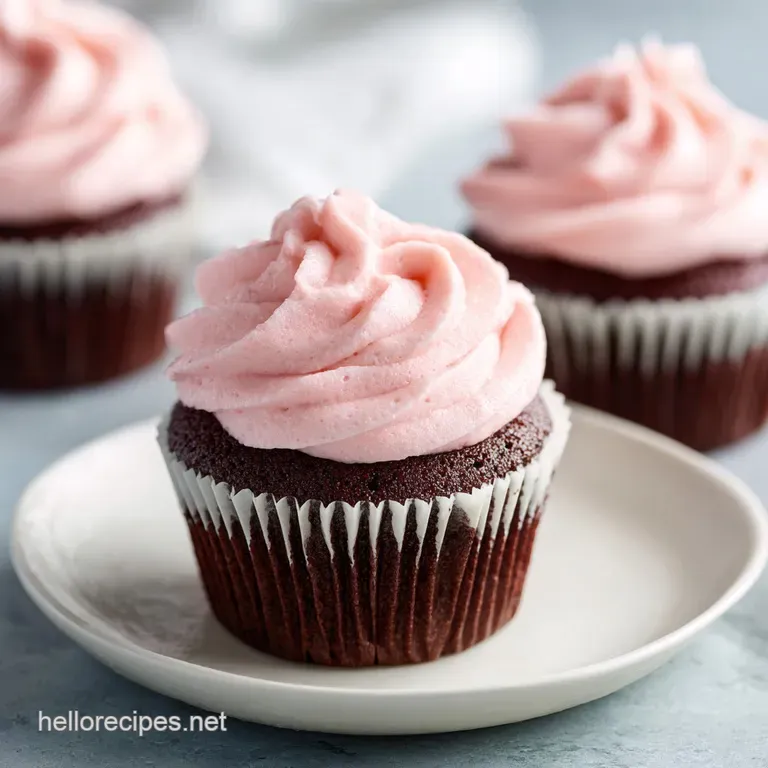
- Easy Valentines day Cupcake Recipe with Strawberry Frosting
- The Chemistry of Flavor Density
- Precision Batch Calibration Guide
- Analyzing Our Primary Elements
- Technological Tools for Precision
- Executing the Triple Phase Method
- Solving Structural Integrity Issues
- Sustainable Swaps and Variations
- Long-Term Molecular Preservation
- Innovative Gastronomy Presentation Style
- Recipe FAQs
- 📝 Recipe Card
Easy Valentines day Cupcake Recipe with Strawberry Frosting
The kitchen smells like a concentrated summer afternoon right now, even if it's freezing outside. Indulge in this easy Valentines Day cupcake recipe, complete with luscious strawberry frosting.
I remember the first time I tried making these I thought I could just toss some chopped berries into the batter and call it a day. The result? A soggy, greyish mess that looked more like a science experiment gone wrong than a romantic treat.
It was a total disaster, but it taught me the most valuable lesson in fruit based baking: moisture is the enemy of structure.
Now, I use a reduction technique that changes everything. When you simmer those berries down until they’re thick and jammy, you’re essentially removing the water while keeping the vibrant flavor molecules intact.
The aroma that hits you when that puree starts to bubble is intense it’s sharp, sweet, and almost floral. It’s the difference between a cupcake that tastes "vaguely fruity" and one that hits you with a punch of real, sun ripened strawberry.
We’re aiming for a texture that is velvety and a crumb that feels like silk on the tongue.
Trust me, once you see the way the light catches the natural pink hues in the frosting, you'll never go back to the bottled stuff. We aren't just making dessert; we're using a bit of kitchen technology to bypass the usual pitfalls of soggy cakes.
This isn't about traditional methods; it's about innovative flavor concentration. Right then, let’s get into why this specific method works so well.
The Chemistry of Flavor Density
- Evaporative Concentration: Reducing the puree from 0.5 cup to 0.25 cup removes excess water that would otherwise interfere with the gluten network, preventing a gummy texture.
- Protein Denaturation: Using room temperature eggs allows the proteins to unfurl and bond more easily, creating a stable emulsion that traps air for a better rise.
- Starch Gelatinization: Sifting the all purpose flour ensures even distribution of the baking powder, allowing the starches to hydrate uniformly as soon as they hit the liquid.
- Fat Coating Mechanism: Beating the butter with the dry ingredients (reverse creaming) coats the flour in fat, which limits gluten development for a tender, melt in-the mouth crumb.
Precision Batch Calibration Guide
| Servings | Ingredient Adjustments | Pan Size | Cook Time |
|---|---|---|---|
| 6 people | 0.75 cup flour, 1/2 egg (whisked) | 6 count muffin tin | 18 minutes |
| 12 people | 1.5 cups flour, 1 egg | 12 count muffin tin | 20 minutes |
| 24 people | 3 cups flour, 2 eggs | Two 12 count tins | 22 minutes |
Before we start measuring, we need to talk about the temperature of your ingredients. If your butter is too cold, it won't incorporate into the flour correctly, and you'll end up with pockets of fat that leave holes in your cake. If your milk is cold, it will seize the butter.
I usually pull everything out of the fridge at least 90 minutes before I start. It’s a small step, but it’s the difference between a grainy batter and a silky one.
Analyzing Our Primary Elements
To get that vibrant profile, we have to be picky about our components. Using a high-quality vanilla bean paste instead of just extract adds those tiny black flecks that look so professional.
For the berries, even frozen ones work brilliantly here because we are reducing them anyway, which is a great sustainable choice for February when fresh berries might not be at their peak.
- All purpose flour (1.5 cups): Why this? Provides enough structure to support the fruit puree without becoming tough like bread flour.
- Substitute: 1:1 gluten-free baking blend (Note: result may be slightly grittier).
- Granulated sugar (0.75 cup): Why this? Necessary for sweetness and for tenderizing the crumb by holding onto moisture.
- Substitute: Caster sugar for an even finer, more delicate crumb.
- Strawberry puree (0.25 cup reduced): Why this? The soul of the recipe, providing natural color and tangy acidity.
- Substitute: high-quality strawberry jam (reduce sugar in recipe by 2 tbsp).
- Unsalted butter (0.5 cup for cake, 1 cup for frosting): Why this? Controls salt levels and provides the velvety mouthfeel essential for buttercream.
- Substitute: Plant based butter sticks (Note: must be high fat to maintain stability).
| Ingredient | Science Role | Pro Secret |
|---|---|---|
| Baking Powder | Leavening Agent | Always check the expiration date; it loses potency after 6 months. |
| Whole Milk | Hydration & Fat | Use room temp milk to prevent the batter from curdling during mixing. |
| Strawberry Extract | Flavor Reinforcement | Adds back the high pitched "candy" notes that are lost during berry reduction. |
Selecting the right ingredients is the foundation of any innovative bake. For instance, if you find yourself out of strawberry extract, you might think about using a different profile entirely. If you're looking for a different project, you might even consider how these flavors compare to a Posh Nosh Foolproof recipe where the fat content is much higher. The science remains the same: balance your fats and your liquids to ensure the structure holds.
Technological Tools for Precision
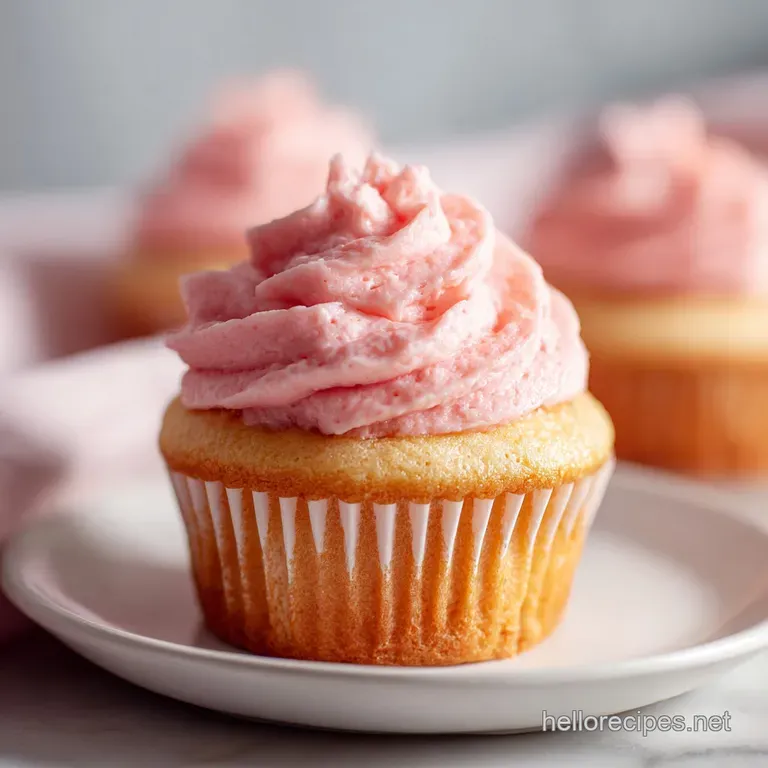
You don't need a lab, but a few specific tools make this Easy Valentines day Cupcake Recipe with Strawberry Frosting much more consistent. A digital kitchen scale is my number one recommendation.
Measuring flour by volume (cups) is notoriously inaccurate you can easily end up with 20% more flour than needed just by how you pack the cup.
Chef's Tip: Freeze your butter for 10 minutes before cubing it for the cake batter. This keeps the fat solid longer during the initial mixing phase, which is the secret to that velvety "reverse creamed" texture.
- Small saucepan: Essential for reducing the strawberry puree to half its volume.
- Fine mesh sieve: For removing seeds from the puree and sifting the flour to avoid lumps.
- Stand mixer: Such as a KitchenAid, with the paddle attachment for the batter and the whisk for the frosting.
- Digital thermometer: To check if the cupcakes are done without poking too many holes in them.
- Piping bag and large star tip: (Like an Wilton 1M) to get those iconic bakery style swirls.
Executing the Triple Phase Method
- Simmer the berries. Place 0.5 cup of fresh or frozen strawberries in a blender until smooth, then move to a saucepan.
- Reduce the liquid. Cook over medium heat for about 10 minutes until thick and dark red. Note: You need exactly 0.25 cup of this concentrate for the batter and 2 tbsp for the frosting.
- Sift the dry. In your mixer bowl, combine 1.5 cups sifted flour, 0.75 cup sugar, 1.5 tsp baking powder, and 0.5 tsp sea salt.
- Incorporate the fat. Add 0.5 cup cubed room temp butter to the dry ingredients. Mix on low until the mixture looks like fine sand.
- Whisk the liquids. In a separate jug, blend 1 large egg, 0.5 cup milk, 1 tsp strawberry extract, and 0.5 tsp vanilla bean paste.
- Combine the phases. Slowly pour the liquid into the flour mixture while mixing on medium. Add the 0.25 cup strawberry reduction last.
- Fill the liners. Distribute the batter into 12 liners, filling them about two thirds full to allow room for the rise.
- Bake the batch. Bake at 180°C for 20 minutes until a toothpick comes out clean and the tops spring back.
- Whip the butter. For the frosting, beat 1 cup softened butter for 5 minutes until pale and airy.
- Build the frosting. Gradually add 3.5 cups powdered sugar, then mix in 2 tbsp strawberry reduction, 1 tbsp heavy cream, and a pinch of salt. Beat on high for 2 minutes until it looks like a soft cloud.
If you've ever struggled with frosting consistency, you might find it similar to the troubleshooting needed in a How to Make recipe for cream cheese icing. Both require careful temperature control to avoid breaking the emulsion. When you pipe these, start from the outside and work your way in for that high rise look.
Solving Structural Integrity Issues
Why did my cupcakes sink in the center?
This usually happens because of one of two things: either the oven door was opened too early, causing a sudden temperature drop, or the baking powder has lost its strength. If the structure hasn't set yet, that puff of cold air will deflate the air bubbles created by the leavening agent.
Also, make sure you aren't over beating the batter once the liquid is added; too much air can cause a rapid rise followed by a sad collapse.
Why is my frosting grainy or too stiff?
Grainy frosting usually means the powdered sugar wasn't sifted or the butter wasn't whipped long enough before adding the sugar. If it’s too stiff, your butter might have been too cold, or the ratio of sugar to liquid is slightly off. A tiny splash of heavy cream usually fixes this instantly.
| Problem | Root Cause | Solution |
|---|---|---|
| Dry, crumbly cake | Overbaked or too much flour | Use a scale for flour and pull from oven at 180°C internal temp. |
| Frosting is melting | Butter was too soft | Chill the frosting for 15 minutes, then re whip. |
| No strawberry flavor | Puree wasn't reduced enough | Simmer the puree longer next time to concentrate the esters. |
Common Mistakes Checklist:
- ✓ Ensure the strawberry reduction is completely cool before adding to the batter.
- ✓ Use large eggs, not medium or extra large, to keep the hydration ratio exact.
- ✓ Don't skip the sifting step for the powdered sugar; it's the only way to get that velvety finish.
- ✓ Let the cupcakes cool entirely at least 45 minutes before you even think about frosting them.
- ✓ Preheat your oven for at least 20 minutes to ensure a steady, even heat.
Sustainable Swaps and Variations
I’m a big fan of making recipes work for whatever you have in the pantry. If you want a "Chocolate Covered Strawberry" version, simply swap 0.25 cup of the flour for high-quality cocoa powder and add a few chocolate chips to the batter.
It creates a beautiful contrast between the dark cake and the vibrant pink frosting. For a vegan friendly version, you can use a flax egg (1 tbsp ground flax + 3 tbsp water) and vegan butter sticks, though the frosting will be slightly less stable at room temperature.
Comparison: Stovetop vs Microwave Reduction
| Method | Time | Result | Best For |
|---|---|---|---|
| Stovetop | 10 minutes | Deeply caramelized, thick syrup | Maximum flavor intensity |
| Microwave | 4 minutes | Brighter color, thinner consistency | When you're in a massive hurry |
If you love the rise on these cupcakes, you might also appreciate the mechanics of a Yorkshire Pudding Recipe, where steam is the primary leavener. While the flavors couldn't be more different, the importance of a hot, stable oven is the same for both.
The "If you want X, do Y" Shortcut: If you want a tangy kick, add 0.5 tsp of citric acid to the frosting. If you want a "boozy" version, replace the heavy cream in the frosting with champagne. If you want an ombre effect, divide the frosting into three bowls and add varying amounts of puree to each.
Long Term Molecular Preservation
These cupcakes are best eaten within 24 hours because the fresh fruit puree in the frosting can eventually cause it to weep. However, you can store them in an airtight container in the fridge for up to 3 days.
Just make sure to bring them to room temperature for at least 30 minutes before serving, otherwise, the butter in the frosting will feel like a cold brick.
For freezing, I recommend freezing the cupcakes un frosted. Wrap them individually in plastic wrap and then in a freezer bag for up to 2 months. When you're ready to serve, thaw them at room temperature and whip up a fresh batch of the strawberry buttercream.
For zero waste, if you have leftover strawberry puree, stir it into your morning yogurt or use it as a base for a vinaigrette the acidity is incredible with spinach and goat cheese.
Innovative Gastronomy Presentation Style
When it comes to serving these on Valentine's Day, I like to lean into the contrast of textures. A light dusting of freeze dried strawberry powder over the top adds a concentrated "shatter" of tartness that balances the sweet buttercream.
You could also place a single, small strawberry on top, but make sure it’s dry; a wet berry will cause the frosting to slide right off.
- Top Note
- High acid, tangy freeze dried berries.
- Heart Note
- Velvety, creamy strawberry and vanilla.
- Base Note
- Salty sweet, dense cake crumb.
The Ultimate Valentine’s Platter: Arrange the cupcakes on a white marble slab to keep the frosting cool. Surround them with dark chocolate shards and a few sprigs of mint for a pop of green.
If you’re feeling adventurous, a small bowl of balsamic glaze for dipping might sound strange, but the technology of flavor pairing suggests that the acid in the vinegar makes the strawberry notes sing.
It’s a sophisticated, innovative way to end a meal that feels far more special than a box of store-bought chocolates. This easy Valentines day cupcake recipe is all about showing someone you care through the precision of good baking. Enjoy the process and the aroma!
Recipe FAQs
Can I use frozen strawberries instead of fresh for the puree?
Yes, frozen strawberries work well for this recipe. Since we are simmering the fruit down into a reduction, the slight excess moisture from frozen berries is boiled off, concentrating the flavor perfectly.
What is the purpose of reducing the strawberry puree?
To concentrate flavor and manage water content. Reducing the puree removes excess water that interferes with the gluten structure, preventing a soggy or gummy cupcake crumb.
How do I ensure the frosting is perfectly smooth and not grainy?
Whip the softened butter alone for five full minutes first. This step incorporates maximum air before the powdered sugar is added, preventing the gritty texture often seen when sugar doesn't fully dissolve into the fat.
How long should the cupcakes bake at 180°C?
Bake for approximately 20 minutes. Check doneness by inserting a toothpick into the center; it should come out clean, or with just a few moist crumbs attached.
Is it true that I must use room temperature ingredients for the cake batter?
Yes, using room temperature butter and eggs is crucial for stability. Cold ingredients will not emulsify properly, leading to a curdled batter texture, which affects the final crumb quality; if you master this emulsification here, you’ll find the same technique works wonders in our Classic Coca Cola recipe for a rich glaze.
What is the best technique to achieve a bakery style swirl on the frosting?
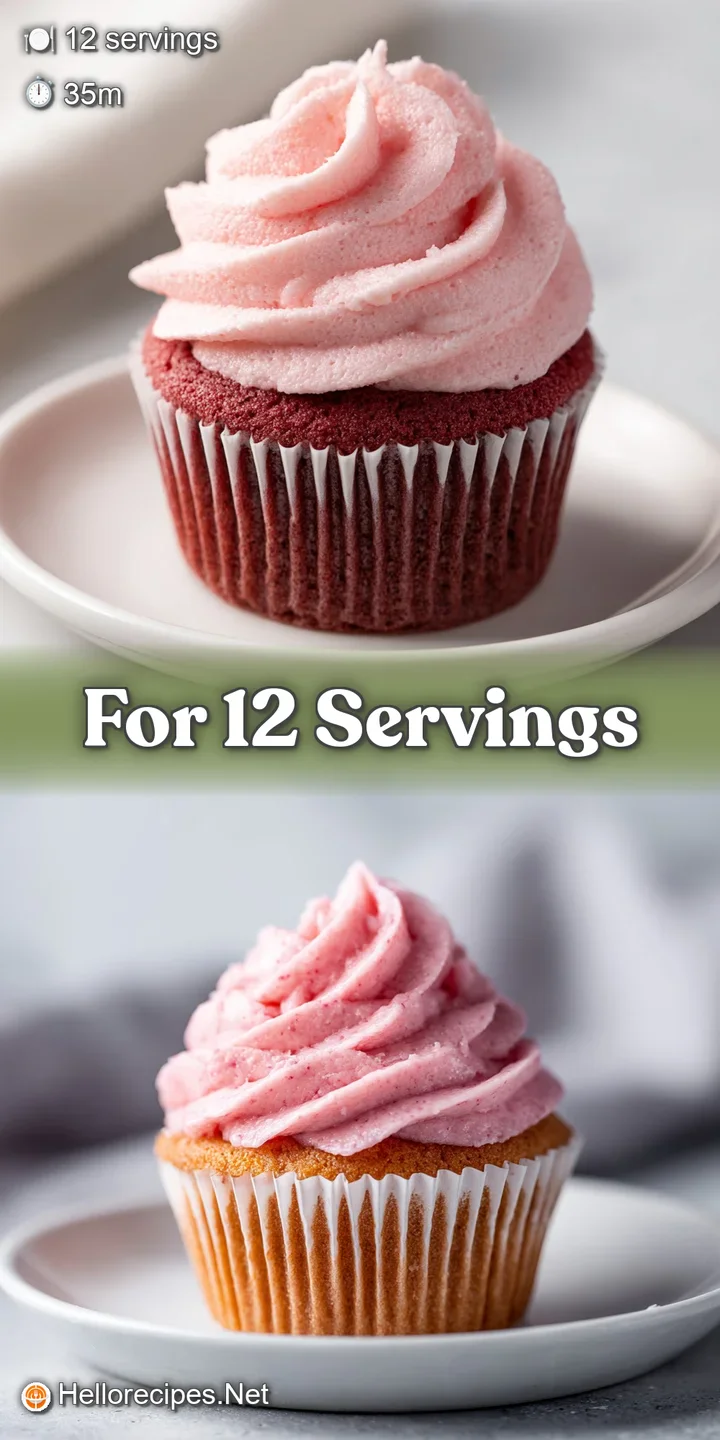
Fit your piping bag with a large star tip, like a Wilton 1M, and hold it vertically. Start piping in the center of the cupcake top and swirl outward, then circle back inward to create the height.
Can I substitute the granulated sugar in the cake with a liquid sweetener like honey?
No, do not substitute granulated sugar 1:1 with liquid sweeteners. Honey or maple syrup adds too much moisture, which will collapse the cake structure; if you were aiming for a complex flavor profile, you might explore flavor swapping in our Sweet Sticky Incredibly recipe instead.
Easy Strawberry Cupcake Recipe
Ingredients:
Instructions:
Nutrition Facts:
| Calories | 461 kcal |
|---|---|
| Protein | 2.3 g |
| Fat | 24.2 g |
| Carbs | 59.8 g |
| Fiber | 0.6 g |
| Sugar | 47.4 g |
| Sodium | 149 mg |
