Pineapple Cake Ii: Moist and Tangy
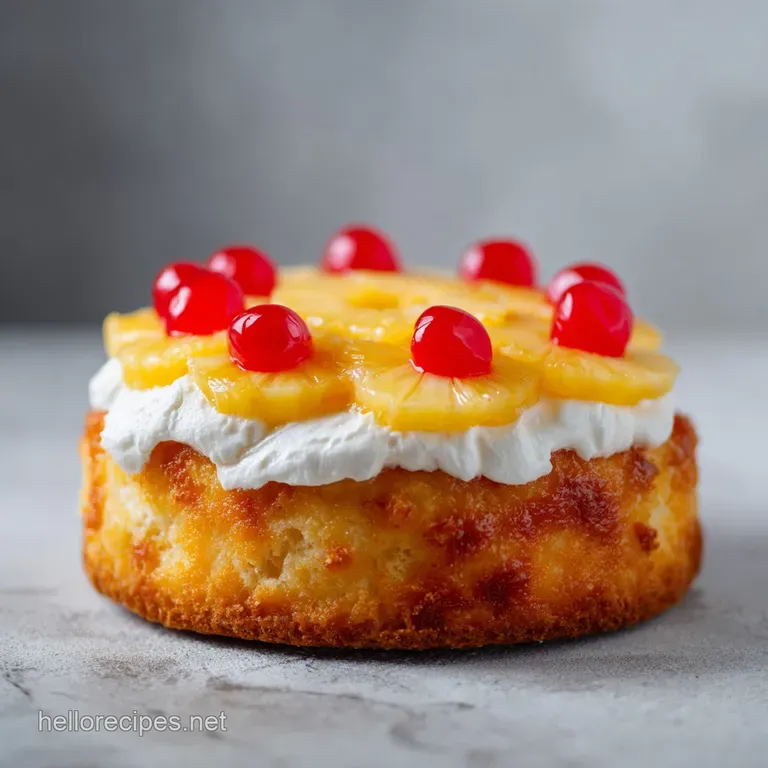
- Time: Active 10 minutes, Passive 35 minutes, Total 45 minutes
- Flavor/Texture Hook: Silky crumb with toasted coconut crunch
- Perfect for: Backyard potlucks or casual weekend brunches
- Mastering the Vibrant Layers of Pineapple Cake II
- Essential Metrics for a Successful Bake
- Selecting Elements for Multicultural Flavor Fusion
- Minimalist Equipment for the Best Outcome
- The Step-by-Step Path to Golden Perfection
- Solving Texture Issues for a Better Sponge
- Adjusting Portions for Different Crowds
- Fusion Variations for Global Palates
- Managing Leftovers and Reducing Scrap Waste
- Styling Your Slice for a Vibrant Table
- Recipe FAQs
- 📝 Recipe Card
Mastering the Vibrant Layers of Pineapple Cake II
The sun was just beginning to dip behind the fence when I pulled this tray out for our last community gathering. There is a very specific sound that happens when you set a freshly baked sheet cake onto a wooden table, a solid, promising thud that draws people in before the steam even clears.
The aroma is not just "sweet" - it is that deep, cooked fruit scent that reminds me of wandering through multicultural street markets where the air is thick with caramelized sugar and sun ripened fruit.
This particular bake is a staple in my kitchen because it avoids the fuss of tiered cakes while delivering a flavor profile that feels layered and complex. You get the brightness of the fruit, the earthy warmth of the vanilla, and that signature mahogany crust that shatters slightly under the fork.
It is a vibrant, plant forward celebration that relies on the natural moisture of the pineapple rather than a mountain of butter to get that velvety finish.
When we talk about this recipe, we are looking at a fusion of textures. Most people expect a fruit cake to be heavy or dense, but this one stays remarkably light. The secret lies in how the pineapple juice interacts with the dry ingredients.
It is a humble dessert, but once you top it with that yogurt infused frosting and a handful of toasted coconut flakes, it transforms into something that looks and tastes like a gourmet tropical treat.
Essential Metrics for a Successful Bake
To get the most out of your pineapple cake ii, you need to understand the fundamental physics happening inside that 9x13-inch pan. We are not just mixing ingredients, we are managing moisture and air.
This recipe works because we are leveraging the fiber in the fruit to hold onto water, ensuring the cake does not dry out even if you leave it on the counter for a few hours during a party.
Acidic Activation: The natural juice in the canned pineapple provides the acidity needed to wake up the baking soda, creating immediate bubbles for a light rise.
Sugar Suspension: Using granulated cane sugar allows the crystals to dissolve into the pineapple juice, creating a syrup like base that keeps the crumb tender.
Fiber Reinforcement: The bits of crushed pineapple act as little structural anchors throughout the batter, preventing the cake from collapsing under its own weight.
Yogurt Balancing: Adding Greek yogurt to the frosting introduces lactic acid, which cuts through the sugar and mimics the tang of a traditional full fat cream cheese.
| Feature | Fresh Pineapple | Canned (Shortcut) | Outcome Difference |
|---|---|---|---|
| Enzyme Level | High (Bromelain) | Low (Heat treated) | Fresh can break down proteins too much, making cake mushy |
| Juice Ratio | Variable | Consistent | Canned provides exact liquid volume needed for the soda |
| Texture | Fibrous/Firm | Soft/Consistent | Canned blends seamlessly into the crumb for a silky mouthfeel |
Choosing the canned shortcut here is actually a strategic move for texture. Fresh pineapple contains an enzyme called bromelain that can sometimes interfere with the structure of the cake, whereas the canning process neutralizes this, giving you a more predictable, velvety result every single time.
Selecting Elements for Multicultural Flavor Fusion
When I go shopping for this recipe, I am looking for quality in the basics. This is an easy pineapple cake recipe that relies on the pantry, but the "II" version means we have refined the components for better balance.
I always look for "crushed pineapple in 100% juice" because the heavy syrup versions will throw off the sugar balance and make the cake too gummy.
For the flour, a standard all purpose works best. We want enough gluten to hold the fruit, but not so much that it becomes bread like. The addition of sea salt is non negotiable; it acts as a flavor enhancer that makes the pineapple taste more like itself.
It is the bridge between the tropical sweetness and the creamy topping.
| Ingredient | Science Role | Pro Secret |
|---|---|---|
| Baking Soda | Primary Leavener | Sift it with the flour to avoid metallic "hot spots" in the cake |
| Crushed Pineapple | Hydration & Flavor | Don't drain it; the juice is your primary liquid source |
| Greek Yogurt | Fat Substitute | Use full fat plain for the best creamy "mouth coat" in frosting |
For the frosting, I have learned that using a low-fat cream cheese combined with Greek yogurt gives you that vibrant, tangy flavor without the heavy, cloying feeling of traditional buttercream. It makes the cake feel lighter and more modern, almost like a fusion between a British tea cake and a Caribbean dessert.
- 250g All purpose flour: The structural backbone. Why this? Provides enough protein to support the heavy fruit pieces.
- 150g Granulated cane sugar: Sweetness and moisture. Why this? Cane sugar melts cleanly into the pineapple juice.
- 2 tsp Baking soda: The lift. Why this? Reacts specifically with the acidic pineapple juice.
- 0.5 tsp Sea salt: Contrast. Why this? Sharpens the tropical notes of the fruit.
- 560g Crushed pineapple: The star. Why this? Use the juice to hydrate the flour naturally.
- 2 Large eggs: The binder. Why this? Provides richness and helps the cake set.
- 1 tsp Pure vanilla extract: The aromatic. Why this? Rounds out the sharp citrus notes of the pineapple.
- 115g low-fat cream cheese: The base. Why this? Tangy and spreadable when softened.
- 0.25 cup Plain Greek yogurt: The lightener. Why this? Adds moisture and a sharp, fresh finish.
- 1 cup Powdered sugar: The sweetener. Why this? Dissolves instantly for a silky frosting texture.
- 0.25 cup Toasted coconut flakes: The garnish. Why this? Adds a necessary textural shatter to the top.
Minimalist Equipment for the Best Outcome
One of the reasons I love this homemade pineapple cake recipe is that you don't need a stand mixer for the base. In fact, over mixing is the enemy of a tender crumb. I prefer using a large glass mixing bowl and a stiff stainless steel whisk.
The glass allows you to see if there are any dry flour pockets at the bottom, which is a common mistake that leads to white spots in your finished bake.
For the frosting, a simple hand mixer or even a sturdy spatula will do. Since we are using softened cream cheese and yogurt, they emulsify quite easily. The most important "tool" is actually your 9x13-inch pan. I suggest a light colored metal pan or a glass dish.
Dark pans tend to absorb too much heat, which can cause the edges of this moist pineapple cake from scratch to burn before the center is fully set.
Chef Tip: If you are using a glass baking dish, lower the oven temperature by about 10 degrees. Glass retains heat longer and can lead to a darker bottom crust than metal.
If you find yourself making this often, investing in a small offset spatula is a game changer for the frosting. It allows you to get those beautiful, swooping swirls and ensures the cream cheese layer is even from corner to corner.
And don't forget the toasted coconut - a small dry skillet is all you need to bring those flakes to a golden, fragrant state in just about 3 minutes.
The step-by-step Path to Golden Perfection
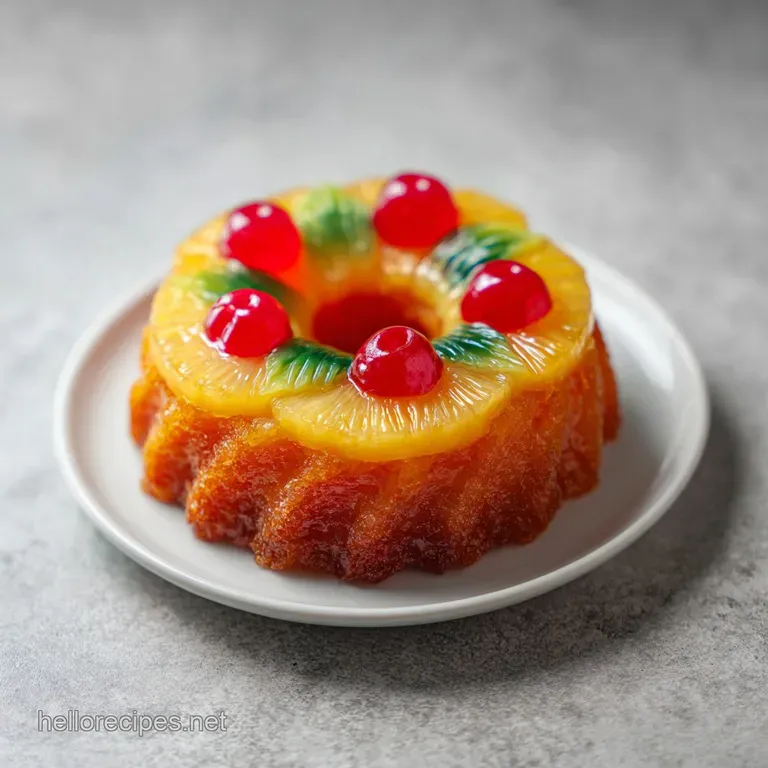
1. The Enzyme Reaction
Preheat your oven to 175°C (350°F). In a large mixing bowl, whisk together the 250g flour, 150g granulated sugar, 2 tsp baking soda, and 0.5 tsp sea salt.
Note: Whisking the dry ingredients first ensures the leavening agent is evenly distributed before the wet fruit hits the bowl.
2. Humidity Control
Pour the entire 560g can of crushed pineapple, including all the juice, into the dry mixture. Add the 2 lightly beaten eggs and the 1 tsp vanilla extract. Stir by hand using a spatula until the flour streaks just disappear.
You will notice the batter start to look slightly foamy or bubbly; that is the baking soda reacting with the fruit acid.
3. The Golden Bake
Lightly grease your 9x13-inch pan with a bit of oil or parchment paper. Pour the batter in, smoothing the top with your spatula. Bake for 30 to 35 minutes until the top is a deep mahogany color and a toothpick comes out clean.
4. The Cool and Coat
Transfer the pan to a wire rack. It is vital to let the cake cool completely before frosting. If the cake is even slightly warm, the Greek yogurt in the frosting will melt, and you will end up with a glazed mess instead of a velvety layer.
5. Whipping the Topping
In a medium bowl, combine the 115g softened cream cheese, 0.25 cup Greek yogurt, and 1 cup powdered sugar. Whip until the mixture is velvety and smooth. If it feels too stiff, add a teaspoon of pineapple juice (if you saved any).
6. The Final Flourish
Spread the frosting in an even layer over the cooled cake. Sprinkle the 0.25 cup of toasted coconut flakes across the top. Slice into 12 even squares and serve immediately, or chill for an hour to let the flavors meld.
Solving Texture Issues for a Better Sponge
1. The Gummy Center
If your cake feels dense or gummy in the middle, it usually means the oven temperature was too low or the pineapple juice was not fully incorporated. This is why we stir by hand - it allows us to feel the resistance of the batter.
If you use a mixer, you might miss a pocket of juice that sinks to the bottom during the bake.
2. The Sunken Sponge
A cake that rises and then falls in the center often has too much leavening or was moved too much during the first 20 minutes of baking. The structure of this cake is delicate until the eggs set. Avoid opening the oven door until at least the 30 minute mark to check for doneness.
| Problem | Root Cause | Solution |
|---|---|---|
| Dry Crumb | Over baking or drained pineapple | Keep the juice! Ensure you pull the cake when the toothpick has a few moist crumbs. |
| Runny Frosting | Warm cake or thin yogurt | Use thick Greek yogurt and ensure the cake is stone cold before topping. |
| Metallic Taste | Unmixed baking soda | Always whisk dry ingredients thoroughly before adding wet elements. |
Sometimes, the simplest things trip us up. If you're looking for another tropical project while your cake cools, you might enjoy making a Pineapple Turmeric Smoothie with any leftover juice or fruit scraps you have in the fridge.
Common Mistakes Checklist:
- ✓ Using "Pineapple Chunks" instead of "Crushed Pineapple" (chunks are too heavy and sink).
- ✓ Draining the juice from the can (the juice is the only liquid in the batter).
- ✓ Frosting the cake while it is still lukewarm (the yogurt frosting will liquefy).
- ✓ Not sifting the powdered sugar (leads to tiny white lumps in your velvety frosting).
- ✓ Over mixing the batter (develops too much gluten and makes the cake tough).
Adjusting Portions for Different Crowds
Scaling this pineapple cake ii is quite straightforward because it is a sheet cake. If you want to cut the recipe in half, use an 8x8-inch square pan. You will need to beat one egg and use half of it, which is about 2 tablespoons.
The bake time will usually stay the same, but start checking at 25 minutes just to be safe.
If you are scaling up for a massive party, I recommend making two separate 9x13-inch cakes rather than one giant one. Large sheet cakes can be difficult to cook evenly in the center without burning the edges.
If you do go for a double batch in a single larger pan, reduce the oven temperature by 15 degrees and expect the bake time to increase by at least 15 to 20 minutes.
| Servings | Pan Size | Ingredient Adjustment | Bake Time |
|---|---|---|---|
| 6 People | 8x8-inch | 0.5x (Use half a beaten egg) | 25-30 mins |
| 12 People | 9x13-inch | Standard Recipe | 30-35 mins |
| 24 People | Two 9x13s | 2x (Double everything) | 35 mins (Rotate pans) |
When doubling the recipe, I usually only increase the salt and vanilla by 1.5x instead of a full 2x. This keeps the flavors balanced without letting the salt become too dominant. For more inspiration on scaling tropical desserts, check out my Moist Coconut Poke Cake which follows a similar hydration logic.
Fusion Variations for Global Palates
1. The Spiced Island Twist
For a more vibrant, multicultural profile, add 1 tsp of ground ginger and a pinch of cardamom to the dry ingredients. This shifts the flavor profile toward a Southeast Asian fusion. The warmth of the ginger cuts through the sugar of the pineapple beautifully.
2. Tropical Vegan Swap
You can easily make this plant based by replacing the eggs with "flax eggs" (2 tbsp ground flax mixed with 6 tbsp water) and using a vegan cream cheese and coconut based yogurt for the frosting. The fruit moisture handles the lack of dairy very well, maintaining that signature silky crumb.
3. Boozy Brunch Version
If this is for an adult only gathering, try soaking the toasted coconut flakes in a tablespoon of dark rum before sprinkling them over the frosting. It adds a sophisticated, smoky edge to the vibrant pineapple flavor.
If you want a specific outcome, try these tweaks: If you want a denser, richer cake, swap half the Greek yogurt in the frosting for full fat mascarpone. If you want a lighter, airier texture, sift the flour three times before mixing to incorporate more air.
If you want a more intense pineapple punch, reduce 1/2 cup of pineapple juice on the stove until it’s a thick syrup and swirl it into the batter.
Managing Leftovers and Reducing Scrap Waste
This cake is actually better on day two. The moisture from the fruit continues to hydrate the flour, making the crumb even more velvety. Store any leftover pineapple cake ii in the refrigerator in an airtight container for up to 4 days.
Because of the yogurt and cream cheese in the frosting, it shouldn't sit out at room temperature for more than 2 hours.
For freezing, I recommend freezing individual slices on a baking sheet before wrapping them in parchment and foil. They will stay fresh for up to 2 months. To eat, just let a slice thaw in the fridge overnight. Don't microwave it, or the frosting will lose its structure and turn into a puddle.
- Pineapple Rinds
- If you ever use fresh pineapple for other dishes, don't toss the rinds! Boil them with water, ginger, and a bit of sugar to make a refreshing "tepache style" beverage.
- Leftover Frosting
- If you have extra yogurt frosting, it makes an incredible dip for fresh strawberries or apple slices.
- Cake Scraps
- If you trim the edges of the cake to make it look neater, crumble those scraps over vanilla ice cream for a quick tropical sundae.
Styling Your Slice for a Vibrant Table
Presentation is where you can really show off the "flavor layers" of this dish. I like to serve this cake on a dark platter to make the white frosting and golden coconut "pop." If you want to go the extra mile, add a few thin wedges of fresh lime on the side.
The green color is a beautiful contrast to the mahogany cake, and a tiny squeeze of lime juice over the slice right before eating adds a brilliant high note to the sweetness.
Another trick is the "toasted coconut gradient." Instead of just tossing the flakes on, try to concentrate them in the center of each slice or create a border around the edge of the pan. It makes the cake look less like a casual bake and more like a centerpiece.
Finally, remember that the "ii" in this recipe stands for evolution. Don't be afraid to experiment with the garnishes. Fresh mint leaves add a multicultural, mojito inspired vibe, while a dusting of cinnamon can bring out the darker, caramelized notes of the baked pineapple.
Whatever you choose, keep it vibrant, keep it fresh, and enjoy the process of building those flavor layers from the ground up.
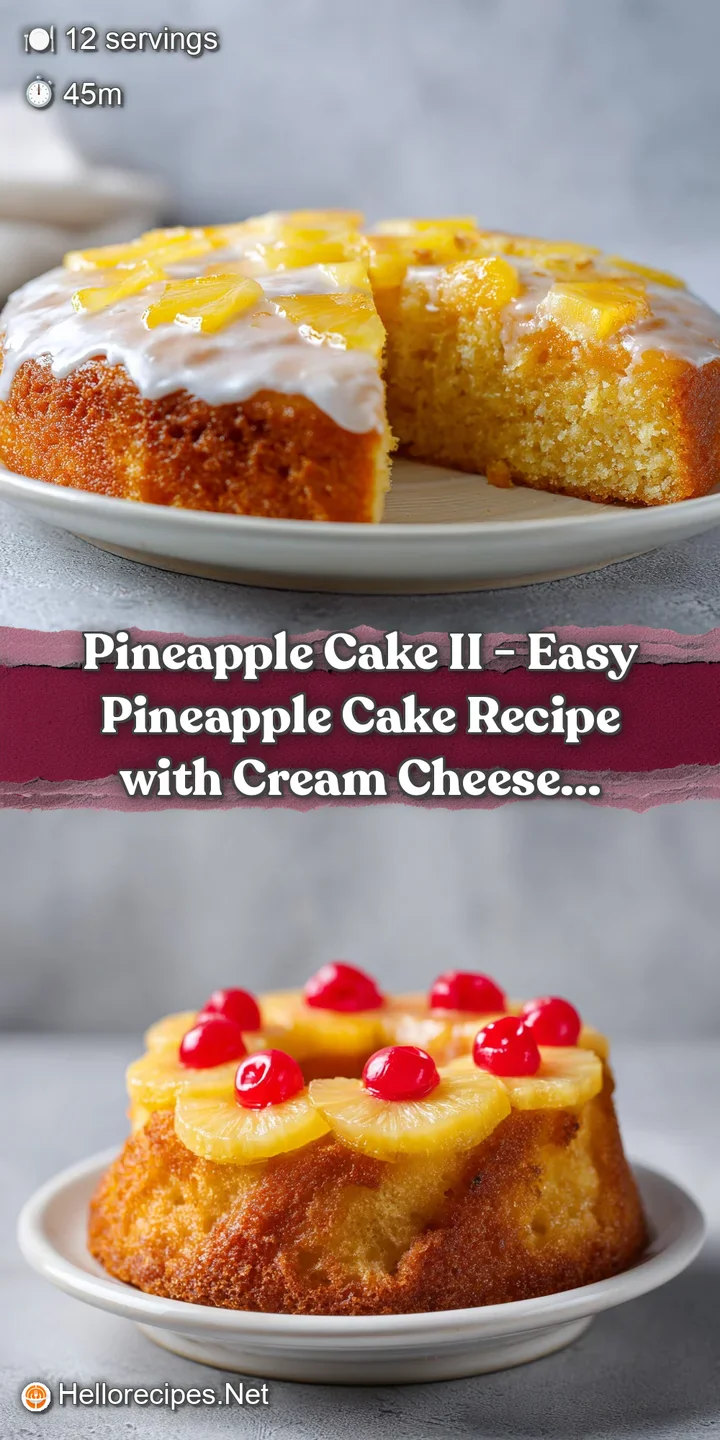
Recipe FAQs
How to ensure the cake stays moist without using butter?
Rely on the crushed pineapple juice to provide the necessary moisture. By incorporating the entire 20-ounce can including the juice, you create a hydration level that replaces the need for traditional fats while maintaining a sponge like crumb.
Is it true I need to use an electric mixer for the batter?
No, this is a common misconception. You should stir the batter by hand with a stiff whisk or spatula just until the flour streaks disappear to avoid overworking the gluten, which keeps the texture light and velvety.
How to achieve the signature mahogany colored top?
Bake the cake at 350°F (175°C) for the full 35 minutes. This specific timing allows the sugars in the pineapple and the cane sugar to caramelize deeply, creating that dark, flavorful crust without burning the interior.
Can I prepare the frosting in advance?
Yes, the frosting can be whipped up to 2 days early. Keep it stored in an airtight container in the refrigerator and give it a quick stir before spreading it over the cooled cake; if you enjoy this tangy topping, you might love applying similar velvety frosting techniques to other spiced desserts.
How to tell when the cake is finished baking?
Insert a toothpick into the center and look for a clean exit. If the cake has reached a deep mahogany color and the toothpick shows no wet batter, it is ready to be transferred to a wire rack for cooling.
Is it possible to use fresh pineapple instead of canned?
No, stick with the canned version for this recipe. The canning process provides the exact ratio of fruit to juice required for the chemical reaction with the baking soda, ensuring the cake rises properly without extra fat.
How to keep the toasted coconut flakes crunchy?
Sprinkle the flakes over the frosting just before serving. Adding them too early will cause the coconut to absorb moisture from the cream cheese and yogurt mixture, causing it to lose that signature toasted crunch.
Easy Pineapple Cake Ii
Ingredients:
Instructions:
Nutrition Facts:
| Calories | 232 calories |
|---|---|
| Protein | 4.7g |
| Fat | 3.4g |
| Carbs | 46.3g |
| Fiber | 1.1g |
| Sugar | 34.6g |
| Sodium | 350mg |
