Lavender Simple Syrup: an Easy Floral Recipe
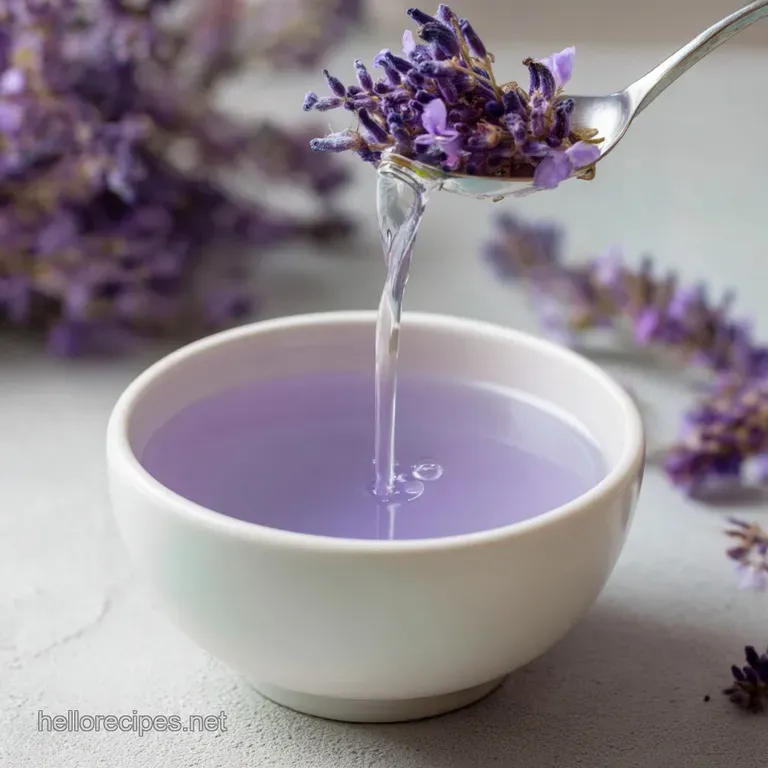
- A Spot of Floral Magic: Elegant Lavender Simple Syrup
- Capturing Calm: What Makes This Botanical Syrup Essential?
- The Science of Simple Syrup: Achieving Optimal Flavor Extraction
- Sourcing Your Staples: Ingredients for a Flawless Floral Syrup
- Mastering the Method: How to Craft Your Lavender Simple Syrup
- Troubleshooting Tips: Ensuring Clarity and Avoiding Bitterness
- Longevity and Preservation: Maximizing the Shelf Life of Simple Syrup
- Beyond Cocktails: Creative Ways to Utilize Your Floral Elixir
- Recipe FAQs
- 📝 Recipe Card
A Spot of Floral Magic: Elegant Lavender Simple Syrup
If you could bottle the feeling of wandering through a sun-drenched European garden, it would smell exactly like this. That clean, calming, slightly woodsy aroma is the magic of homemade Lavender Simple Syrup (1), and once you taste the difference between this and the store-bought stuff, you are never going back.
Why spend $15 on a little bottle from a specialty shop when you can make a gallon for practically nothing? Seriously, this recipe is so ridiculously easy it’s almost criminal.
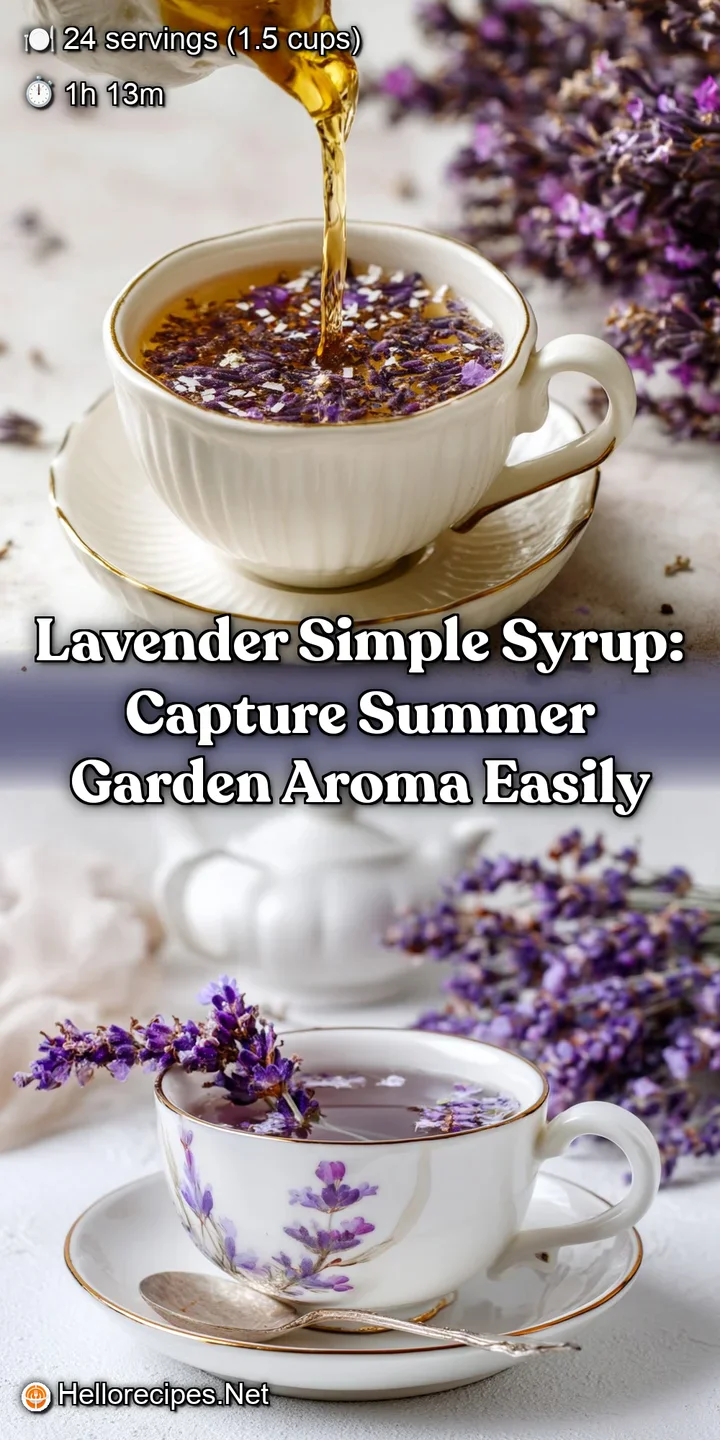
Making your own Lavender Simple Syrup (2) is a total game changer for your bar cart, coffee station, and baking pantry, plus it's ready to go in just over an hour.
So, let's stop messing around and dive right into the details. We are going to make the purest, clearest, most flavour packed batch of Lavender Simple Syrup (3) you’ve ever tasted, ensuring that gorgeous floral note shines without getting soapy.
Quick Recipe Overview
| Stage | Time Required |
|---|---|
| Prep Time | 5 minutes |
| Cook Time | 8 minutes |
| Infusion/Cooling Time | 60 minutes |
| Total Time | 1 hour 13 minutes |
Yields: Approximately 1.5 cups (360 ml).
Ingredient List
| Ingredient | US Customary | Notes |
|---|---|---|
| Granulated White Sugar | 1 cup | For clarity and neutral sweetness. |
| Filtered Water | 1 cup | Crucial for pure flavour extraction. |
| Dried Culinary Lavender Buds | 2 tablespoons, heaped | MUST be culinary grade. |
| Lemon Zest (Optional) | 1 strip (about 1 inch long) | Brightens the floral notes dramatically. |
Capturing Calm: What Makes This Botanical Syrup Essential?
This particular syrup is the quiet luxury of the cocktail and coffee world. It whispers elegance; it doesn’t shout. Forget the sticky, overly sweet, chemical versions you buy at the grocery store; this homemade Lavender Simple Syrup (4) is delicate, aromatic, and provides a deep, complex calm that only pure botanicals can deliver.
I discovered the trick to perfect floral syrups years ago when I accidentally scorched a batch of mint syrup, turning it bitter. The key is gentle heat and precise timing. We are looking for extraction, not aggressive cooking.
This method ensures we pull the oil, colour, and aroma from the lavender buds without releasing any bitter tannins. If you master this simple technique, you can master any floral syrup.
The Science of Simple Syrup: Achieving Optimal Flavor Extraction
We aren't just boiling water here; we are performing precise alchemy to create the best Lavender Simple Syrup (5) possible. The science is straightforward: we need to ensure maximum dissolution of the sugar while gently extracting the volatile essential oils from the lavender buds.
The Ancient Appeal of Floral Infusions
Humans have been infusing sweets and drinks with flowers for millennia. It’s an easy, low-tech way to preserve a seasonal scent. In France, lavender is a pantry staple, used for flavouring everything from honey to crème brûlée .
When we make simple syrup, we are essentially making a highly concentrated, non-alcoholic liqueur base. This specific method for Lavender Simple Syrup (6) focuses on maximizing flavour purity.
Defining the Perfect Lavender Note (Aromatic vs. Soapy)
The line between "aromatic and calming" and "tasting like your grandmother's soap dish" is frighteningly thin. The perfect note is achieved by controlling the temperature. Heat is your enemy once the lavender is added.
When water is too hot, it rapidly dissolves the essential oils and also starts pulling out bitter compounds, which can lead to that awful soapy flavour.
Versatility: Elevating Cocktails and Confections
While many simple syrups are one-trick ponies, the applications for this floral elixir are endless. Use it to sweeten a batch of refreshing iced tea it pairs beautifully with the black tea in my Peach Iced Tea: Restaurant Quality Recipe with Homemade Syrup . It’s also indispensable for cocktail construction. A tiny dash turns a plain vodka soda into something fancy and memorable.
Why the 1:1 Ratio is Crucial for Texture
We are using a classic 1:1 ratio of sugar to water by volume. This yields a "thin" simple syrup, which is the standard for cocktails and tea. Why? Because the goal is maximum mixability. A thicker, 2:1 syrup (often called rich simple syrup) is lovely, but it tends to be too syrupy and heavy for light, floral flavours.
The lighter consistency allows the delicate note of the Lavender Simple Syrup (7) to distribute evenly without overwhelming the drink.
The Impact of Steeping Time on Essential Oils
Steeping is the most critical phase. We let the lavender infuse off the heat. I recommend 45 to 75 minutes. Trust me on this: If you steep it much longer, the flavour becomes muddied and aggressive.
I once left a batch of my homemade Lavender Simple Syrup (8) steeping overnight thinking "more flavour equals better," but it tasted heavy and soapy the next morning. Learn from my mistake!
Thermal Shock: Locking in the Aromatic Compounds
Once the syrup is infused and strained, we let it cool to room temperature quickly. This ensures that the beautiful volatile oils we extracted which are easily lost through evaporation are locked into the finished product.
Cooling your Lavender Simple Syrup (9) uncovered initially helps the process.
Sourcing Your Staples: Ingredients for a Flawless Floral Syrup

The quality of your inputs absolutely determines the quality of your finished syrup. We are dealing with very few ingredients here, so each one matters. If you cut corners, your delicious batch of homemade Lavender Simple Syrup (10) will suffer.
Selecting the Right Culinary Lavender (A comparison of varietals)
This is non-negotiable: You must use culinary grade dried lavender buds. Do NOT use decorative lavender or potpourri, which can be sprayed with chemicals or pesticides.
| Varietal | Notes | Best Use |
|---|---|---|
| English Lavender (Lavandula Angustifolia) | Sweeter, less camphoraceous (pine like), milder flavour. | Ideal for syrups, baking, and delicate drinks. |
| French Lavender (Lavandula Stoechas) | Stronger, more intense, slightly bitter, and woody notes. | Better for robust cooking or external use. |
Tip: Look for English Lavender (Angustifolia). It provides that perfect, gentle floral aroma that makes this Lavender Simple Syrup (11) so sought after.
Sugar Swap Guide: White Sugar vs. Alternatives (e.g., cane, honey)
I recommend using plain granulated white sugar. It is neutral, inexpensive, and provides absolute clarity. If you use a substitute, expect a change in colour and flavour complexity.
| Alternative | Resulting Flavour/Texture |
|---|---|
| Cane Sugar | Slightly deeper caramel note; often requires more stirring to dissolve. |
| Honey | Richer, heavier texture; the flavour will compete with the lavender (use half honey/half sugar). |
| Zero Calorie Sweetener | Much thinner consistency; less preservation quality, use within 2 weeks. |
Can I Use Fresh Lavender Instead of Dried?
You totally can! If you have a happy lavender plant in your garden, go ahead and snip some fresh buds. However, because fresh lavender contains more water and less concentrated oil, you need to triple the amount.
For this recipe, you would use about 6 heaped tablespoons of fresh buds instead of the 2 tablespoons of dried. Fresh Lavender Simple Syrup (12) is lovely, but it has a shorter shelf life.
The Role of Water Quality in Final Flavor
If your tap water tastes strongly of chlorine, your syrup will taste like chlorinated lavender. Using filtered or bottled water ensures the purity of the sugar base, allowing the delicate floral notes of the Lavender Simple Syrup (13) to truly shine through.
Mastering the Method: How to Craft Your Lavender Simple Syrup
This is where you make the magic happen. Follow these steps exactly, and you will have flawless Lavender Simple Syrup (14) every time.
Preparing the Infusion Base (Heating and dissolving)
- Combine Ingredients: In a medium saucepan, combine the 1 cup of filtered water, the 1 cup of granulated sugar, and that optional strip of lemon zest.
- Dissolve Sugar: Place the saucepan over medium heat. Stir constantly using a wooden spoon until the mixture is clear and all the sugar granules have completely vanished. You are looking for a perfectly clear liquid.
- Simmer, Do Not Boil: Bring the liquid to a very gentle simmer for about 30 seconds. A rolling boil can cause too much water to evaporate, leading to crystallization later.
- Remove from Heat: Immediately remove the pan from the heat source. This thermal control is vital to protect the delicate lavender.
The Critical Steeping and Cooling Process
- Add Lavender: Now, quickly stir in the heaped 2 tablespoons of culinary lavender buds. Ensure they are fully submerged beneath the surface of the hot liquid.
- Steep: Cover the saucepan tightly with a lid and let the mixture steep undisturbed. For a great all-purpose syrup, let it sit for 60 minutes. If you are making a delicate syrup for tea, try 45 minutes first.
- Taste Test (Optional but Recommended): After the time is up, dip a clean spoon in and taste it. Is it strong enough? If yes, proceed. If it tastes fine, resist the urge to steep longer!
Chef’s Note: The syrup might taste slightly too concentrated when hot, but remember that the flavour will mellow slightly once it is chilled and mixed into a beverage. Be cautious when sampling the still warm Lavender Simple Syrup (15).
Straining and Bottling for Absolute Clarity
- Strain: Pour the entire mixture slowly through a fine mesh sieve set over a clean bowl or jug. Push down gently on the lavender buds to extract any remaining liquid, but do not crush them , as this can release bitter chlorophyll.
- Cool: Discard the solids. Allow the beautiful, fragrant liquid to cool completely to room temperature (about 30 minutes).
- Store: Transfer the finished, cooled syrup into a sterilised, airtight glass jar or bottle. Congratulations, you just made professional grade Lavender Simple Syrup (16)!
Required Equipment Checklist
Making this fantastic recipe for homemade Lavender Simple Syrup (17) requires only basic kitchen tools. The most crucial item is the strainer; a fine mesh sieve is best.
- Medium stainless steel saucepan
- Fine mesh sieve (or cheesecloth lined funnel)
- Airtight, sterilised glass jar (for longevity)
Troubleshooting Tips: Ensuring Clarity and Avoiding Bitterness
I once made the mistake of boiling the lavender in the syrup for five minutes, thinking it would get extra strong. It tasted like I had licked the bottom of a flower vase. When preparing Lavender Simple Syrup (18), heed these warnings.
-
Problem:
The syrup is cloudy or murky.
- Fix: You need to strain it better! Ensure you are using high-quality filtered water and strain it twice, using a cheesecloth or coffee filter placed inside the sieve the second time.
-
Problem:
The flavour is bitter or soapy.
- Fix: You either steeped it too long (over 90 minutes) or you boiled the lavender. Unfortunately, once the bitter tannins are extracted, it’s hard to save. Try adding a squeeze of fresh lemon juice sometimes the acid can mask the bitterness, but usually, it's best to start again.
Longevity and Preservation: Maximizing the Shelf Life of Simple Syrup
You want this liquid gold to last, right? Storing your perfect batch of Lavender Simple Syrup (19) correctly is essential.
Refrigeration Best Practices (Airtight containers)
Because simple syrup contains a high concentration of sugar, it is naturally resistant to quick spoilage. However, mold and bacteria can still take hold. Always use sterilised containers.
If you sterilise your jar by washing it and running it through a hot dishwasher cycle or pouring boiling water over it, your 1:1 Lavender Simple Syrup will last easily for 3 4 weeks, and often up to a month. Keep it on the coldest shelf in the fridge, typically the top or back.
Freezing Lavender Syrup for Extended Use
Yes, you can absolutely freeze simple syrup! This is a fantastic hack for seasonal flavours. Pour the finished, cooled syrup into ice cube trays, flash freeze, and then transfer the cubes to a zip-top freezer bag. Frozen syrup can last for 6 months or more. Just thaw a few cubes whenever you need a quick splash of floral sweetness, perhaps for a spontaneous batch of my Spiced Cranberry Hot Toddy Cozy Winter Cocktails Easy Syrup Recipe when winter hits.
Identifying Spoilage (When to toss it)
If you see any floating particles, cloudiness that wasn't there before, or mold (usually white spots), toss it. If the syrup smells sour, fermented, or yeasty, it's past its prime. When in doubt, chuck it out.
Beyond Cocktails: Creative Ways to Utilize Your Floral Elixir
So, you’ve got a jar full of beautiful Lavender Simple Syrup (20). Now what? This stuff is amazing in more than just drinks.
- Baking: Use it as a soak for sponge cakes or drizzle it over freshly baked pound cake or lemon loaf right out of the oven.
- Coffee: It's the ultimate addition to lattes, cold brew, and iced coffee for a café quality experience at home.
- Dessert Drizzles: Try it drizzled over vanilla bean ice cream or stirred into homemade whipped cream.
- Lemonade: Add a tablespoon to your next glass of fresh lemonade for an instant floral twist.
How to Fix an Overly Floral or Bitter Batch
If your syrup is too strong, don't throw it out! Simply make another half batch of plain 1:1 simple syrup (just sugar and water) and blend the two together. This dilutes the intensity of the lavender without sacrificing sweetness.
Achieving the Perfect Purple Hue (Natural Color Hacks)
Lavender syrup is naturally a pale straw yellow or clear colour. If you want that gorgeous pale purple colour reminiscent of the fields of Provence, add a few drops of natural purple food colouring after the syrup has cooled.
Alternatively, you can mash a few fresh or frozen blueberries (about 1/4 cup) into the syrup while it’s simmering and strain them out completely before cooling.
Preventing Crystallization During Cooling
Crystallization happens when the sugar ratio gets too high, often because too much water evaporated during simmering. Two tips: first, ensure you only simmer, don't boil aggressively. Second, the optional lemon zest strip helps prevent crystallization by introducing acid, which breaks down some sugar molecules.
Refrigeration Best Practices (Airtight containers)
Ensure your bottles are tightly sealed! The freezer air can dry out or change the flavour of the syrup if it’s exposed. A good flip top bottle or Mason jar is perfect for keeping your delicious homemade Lavender Simple Syrup (21) fresh.
Recipe FAQs
How long will my Lavender Simple Syrup last, and how should I store it?
Properly prepared simple syrup stored in an airtight, sterilized glass jar will last for 3 to 4 weeks in the refrigerator. To slightly extend its shelf life, you can stir in about one teaspoon of high proof vodka per cup of finished syrup, as alcohol acts as a mild preservative.
My syrup tastes soapy or bitter. What went wrong?
This is the most common issue when working with lavender, caused by over steeping or using too many buds. Once the syrup is removed from the heat, the lavender should only steep for 15 to 30 minutes; taste frequently during this period.
Ensure you are using high-quality, designated culinary lavender, as non-culinary varieties can contain excess oils or pesticides which contribute to bitterness.
Can I use fresh lavender instead of dried buds?
Yes, but you will need to increase the amount significantly, typically doubling or tripling the quantity of fresh buds compared to dried, as the flavor is less concentrated. If using fresh, ensure they are thoroughly washed and free of any pesticides or chemicals before infusing them into the sugar solution.
My syrup crystallized after cooling. How can I prevent this?
Crystallization occurs if the sugar does not fully dissolve or if the syrup is boiled too rapidly. Ensure the sugar is completely dissolved over low heat before bringing the mixture to a gentle simmer.
Avoid stirring the syrup once it begins to boil, as introducing sugar crystals from the edges can initiate a chain reaction.
Can I make this syrup using a sugar substitute?
Absolutely; granular erythritol, stevia blends, or monk fruit sweeteners work well as substitutes, though the final texture may be slightly thinner than traditional sugar syrup. Use a 1:1 ratio by volume to achieve comparable sweetness, but note that substitutes generally do not require the same boiling time needed to create viscosity.
What are the best uses for Lavender Simple Syrup?
This syrup is incredibly versatile: it elevates cocktails like the classic Gin Fizz or French 75, and makes exceptional homemade sodas or iced tea. It is also excellent in culinary applications, such as brushing over cake layers for moisture, sweetening whipped cream, or drizzling over fruit tarts and panna cotta.
Can I freeze the finished Lavender Simple Syrup?
Simple syrup freezes very well, providing a great way to preserve a large batch for up to six months. Pour the cooled syrup into standard ice cube trays for convenient, pre-measured portions. Once frozen, transfer the cubes to a heavy duty freezer bag to prevent freezer burn.
Easy Lavender Simple Syrup Recipe
Ingredients:
Instructions:
Nutrition Facts:
| Calories | 192 kcal |
|---|---|
| Protein | 0.0 g |
| Fat | 0.0 g |
| Carbs | 51.2 g |
