Easy Bacon and Pea Pasta: No-Fuss Dinner
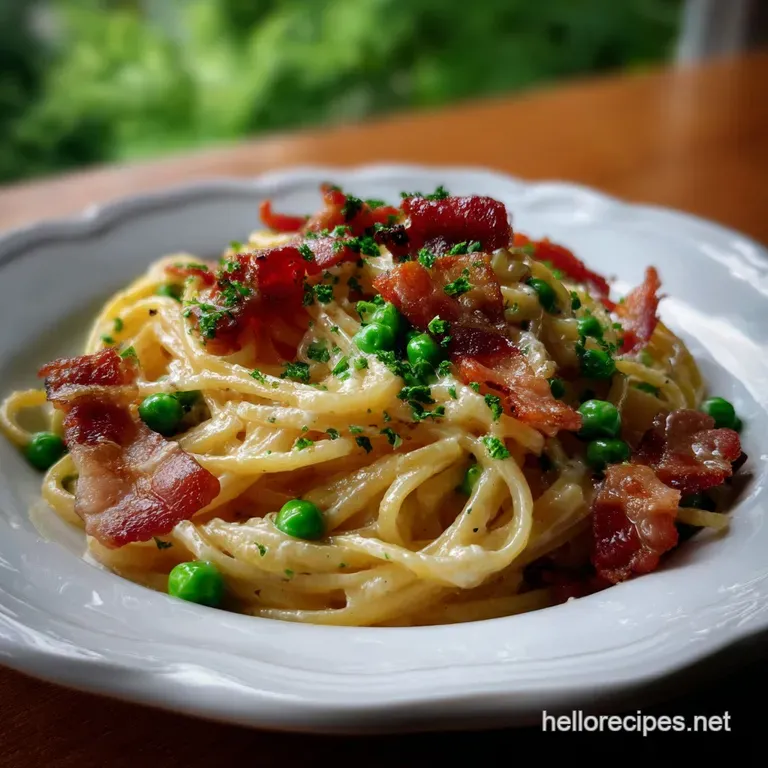
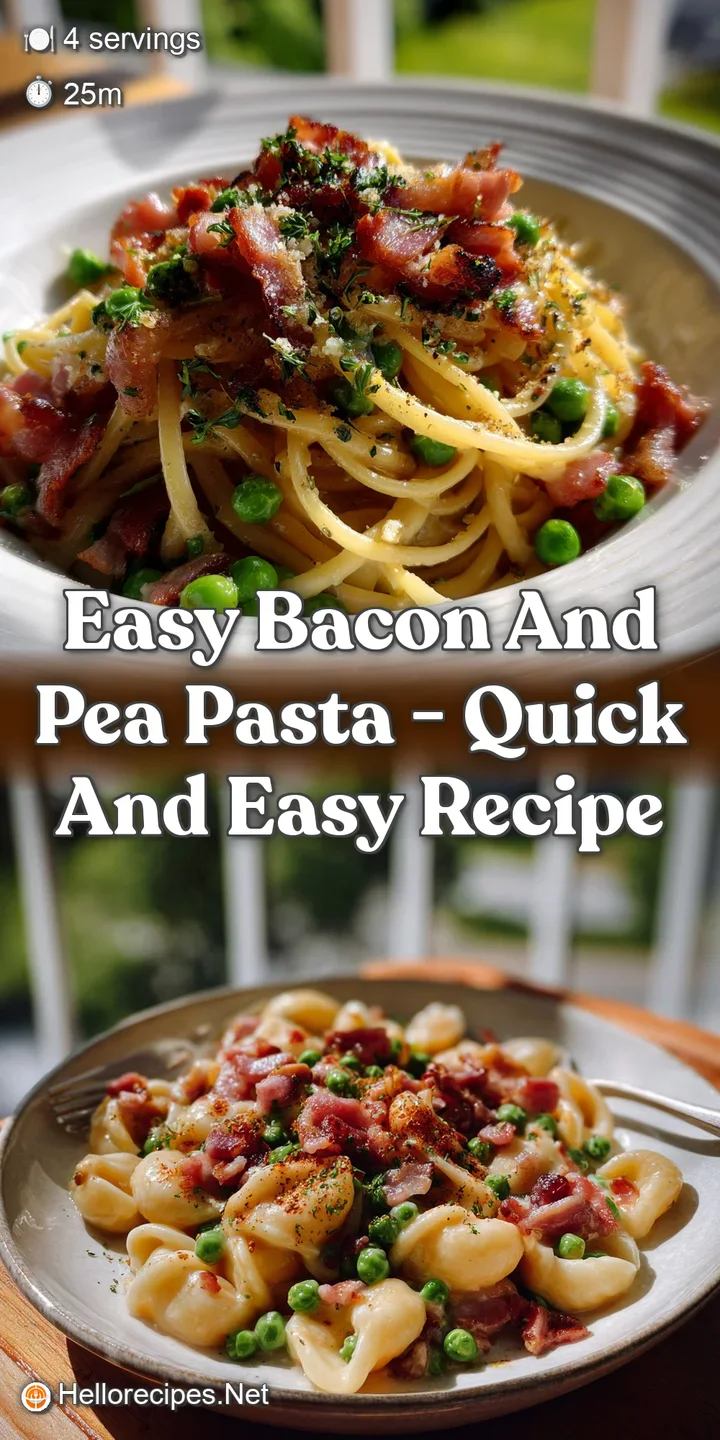
- Effort/Time: 25 minutes from pantry to plate.
- Flavor Hook: Crispy bacon "shatter" meets velvety cream and sweet garden pops.
- Perfect for: High-speed weeknight dinners and "fridge-raid" culinary wins.
- Easy Bacon and Pea Pasta: The 25 Minute Masterclass
- The Science of Flavor: Why This Combination Works
- Essential Ingredients for Easy Bacon and Pea Pasta
- Smart Substitutions and Dietary Swaps
- Step-by-Step Guide to This Bacon and Pea Pasta Recipe
- Pro Tips and Common Mistakes to Avoid
- Storage, Reheating, and Freezing Instructions
- Creative Serving Suggestions and Pairings
- Recipe FAQs
- 📝 Recipe Card
Easy Bacon and Pea Pasta: The 25 Minute Masterclass
The Weeknight Dinner Solution You Actually Need
We’ve all been there. You stare into the fridge at 6:00 PM, exhausted, seeing nothing but a half empty pack of bacon and a bag of frozen peas. In the past, I’d just toss them with butter and call it a "sad pasta night." But after a few failed, greasy attempts, I realized that Easy Bacon and Pea Pasta doesn’t have to be a compromise it can be a technical triumph.
The problem most home cooks face is a sauce that separates or pasta that feels "naked." This recipe fixes that by treating the cooking water like an ingredient, not waste. We’re aiming for a specific sensory experience: the sizzle of rendering pork fat and the velvety coat of a Parmesan infused emulsion.
Trust me, once you understand the science of the "liquid gold" (pasta water), you’ll never settle for a jarred sauce again. We are going to turn humble pantry staples into a masterpiece that tastes like you spent an hour at the stove, even though we’re done in 25 minutes.
The Science of Flavor: Why This Combination Works
- Maillard Reaction: Searing the 8 oz thick cut bacon at a medium high temperature creates melanoidins, the chemical compounds responsible for that deep, savory "umami" profile.
- Starch Gelatinization: As the 1 lb pasta boils, it releases amylopectin into the water; this starch acts as a natural stabilizer, preventing the 1/2 cup heavy cream from breaking.
- Lipid Emulsification: Whisking the 1/2 cup freshly grated Parmesan into the hot liquid creates a colloidal suspension, where fat droplets are trapped in a protein network for a smooth mouthfeel.
- Aromatic Synergy: The sulfur compounds in the 1 medium shallot and 2 cloves of garlic dissolve into the 1 tbsp extra virgin olive oil, distributing flavor more evenly than water based liquids could.
A 20 Minute Weeknight Dinner Solution
Speed is the ultimate luxury in the kitchen. This and Pea Pasta works because it utilizes parallel processing. While your Barilla Penne or Farfalle dances in the boiling water, you are simultaneously rendering the bacon. There is zero "dead time."
By the time the pasta reaches that perfect al dente state, your bacon is crispy and your aromatics are translucent. If you've enjoyed my Chicken Alfredo Penne Pasta: Velvet Cream Sauce Secret, you'll recognize the efficiency of this workflow. We aren't just making food; we're managing heat and timing to ensure the 2 cups of frozen sweet peas retain their "snap" rather than turning into grey mush.
The Contrast of Smoky Bacon and Sweet Garden Peas
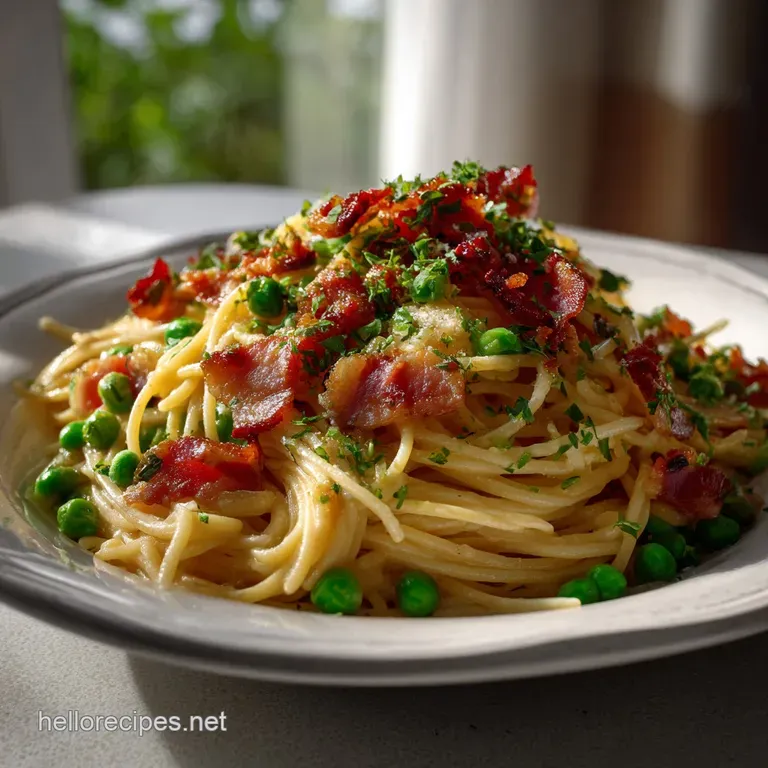
The architectural beauty of Easy Bacon and Pea Pasta lies in the contrast. You have the heavy, salt cured depth of the bacon playing against the light, fructose forward sweetness of the peas. It’s a classic pairing because it hits every taste bud.
When you add the 1 tbsp fresh lemon juice and zest at the end, the citric acid acts as a bright "top note." This acidity cuts through the 40g of fat per serving, refreshing the palate between bites. It turns a potentially heavy meal into something that feels surprisingly vibrant.
Essential Ingredients for Easy Bacon and Pea Pasta
The success of this Easy Bacon and Pea Pasta depends on the quality of your components. Use Diamond Crystal Sea Salt for the pasta water; its flake size allows for precise seasoning without over salting.
For the bacon, look for a brand like Wright's Thick Cut to ensure the 1/2 inch pieces don't vanish into the sauce.
The Science Behind 8 oz Thick Cut Bacon
- What It Does
- Provides the primary fat source and textural "crunch" element.
- The Chemistry
- Through lipid oxidation and the Maillard reaction, the bacon transforms from soft protein to a complex, savory garnish.
- Why This Matters
- Thick cut pieces maintain a meaty center while the exterior achieves a "shatter" texture, providing essential mouthfeel variation.
The Science Behind 1/2 cup Pasta Water
- What It Does
- Acts as the bridge between the pasta solids and the liquid cream sauce.
- The Chemistry
- High concentrations of starch molecules act as an emulsifier, binding the 1 tbsp extra virgin olive oil and cream.
- Why This Matters
- It creates a "velvety" coating that clings to the pasta instead of pooling at the bottom of the bowl.
The Science Behind 1 tbsp Lemon Juice and Zest
- What It Does
- Balances the pH level of the entire dish.
- The Chemistry
- Citric acid molecules interact with the fat receptors on the tongue, temporarily "cleaning" them.
- Why This Matters
- It prevents the heavy cream and bacon fat from feeling cloying, making each bite taste as fresh as the first.
Smart Substitutions and Dietary Swaps
| Original Ingredient | Substitute | Why It Works |
|---|---|---|
| 8 oz Thick Cut Bacon | Pancetta (Diced) | Similar fat content. Note: Lacks the smoky profile but adds intense herbal saltiness. |
| 1/2 cup Heavy Cream | Whole Milk + 1 tbsp Butter | Provides the necessary fat. Note: Resulting sauce will be slightly thinner. |
| 2 cups Frozen Peas | Sliced Asparagus Tips | Offers a similar green, vegetal "pop" and quick cook time. |
| 1/2 cup Parmesan | Pecorino Romano | Sharp, sheep's milk cheese. Note: Much saltier; reduce the 1 tsp sea salt accordingly. |
Choosing the Right Pasta Shape for Maximum Sauce Cling
- Shells (Conchiglie)
- Act like little scoops for the sauce and peas.
- Farfalle (Bowties)
- The "pinch" in the middle provides a dense, chewy contrast to the soft peas.
- Penne Rigate
- The ridges (rigate) are designed specifically to catch the Parmesan emulsion.
If you are a fan of hearty, baked dishes, you might compare this texture to my Baked Tortellini Tomato and Meat Sauce: Easy Cheesy Casserole, though this stovetop version is significantly lighter.
Fresh vs. Frozen Peas: Expert Recommendations
Flash frozen peas are actually superior to "fresh" peas found in most grocery stores. Peas begin converting their sugars to starch the moment they are picked. Frozen peas are blanched and frozen within hours, locking in that 6g of sugar per serving.
Chef's Tip: Do not thaw the 2 cups of frozen sweet peas before adding them. The residual heat of the 1 lb pasta will cook them in exactly 60 seconds, preserving their vibrant green color and "pop."
step-by-step Guide to This Bacon and Pea Pasta Recipe
1. Boil the 1 lb Dried Pasta.
In a large pot, bring 4 quarts of water to a rolling boil with 1 tsp sea salt. Add the pasta. Note: Salted water seasons the pasta from the inside out via osmosis during the gelatinization process.
2. Render the 8 oz Bacon.
Place diced bacon into a cold Lodge Cast Iron Skillet, then turn heat to medium. Note: A cold start allows fat to render slowly, ensuring the bacon gets crispy without the edges burning.
3. Sauté Aromatics in 1 tbsp Olive Oil.
Add the 1 medium diced shallot to the bacon fat; cook for 3 minutes, then add 2 cloves minced garlic for 30 seconds. Note: Garlic burns quickly; adding it last prevents the development of bitter sulfur compounds.
4. Create the Emulsion.
Lower heat. Pour in 1/2 cup heavy cream and 1/2 cup reserved pasta water. Whisk constantly. Note: Mechanical agitation helps the starch and fat molecules bond into a stable, velvety sauce.
5. Combine and Finish.
Toss in the cooked pasta, 2 cups frozen peas, and 1/2 cup Parmesan. Add 1/4 tsp red pepper flakes, 1/4 tsp black pepper, and lemon zest. Note: The cheese should be folded in off the heat to prevent the proteins from clumping into a "rubbery" mess.
Pro Tips and Common Mistakes to Avoid
| Problem | Why It Happens | The Fix | Pro Protocol |
|---|---|---|---|
| Sauce is "watery" | Not enough starch or too much water. | Simmer for 2 mins or add more Parmesan. | Use a ladle to pull water from the top of the pot where starch is most concentrated. |
| Rubbery Cheese | Added to a boiling pan. | Remove from heat before adding Parm. | Use a Microplane to grate cheese into fine "snow" for instant melting. |
| Mushy Peas | Cooked for too long. | Add peas at the very last second. | Use a timer to ensure peas only see heat for 60 90 seconds total. |
Achieving the Perfect Al Dente Pasta Texture
To master Easy Bacon and Pea Pasta, you must stop cooking the pasta 2 minutes before the package directions suggest. This is because the pasta continues to cook through "carry over heat" once it hits the warm cream sauce.
If you cook it to "tender" in the water, it will be "mushy" on the plate.
Myth: Adding oil to pasta water prevents sticking. Truth: Oil just floats on top and makes the pasta too greasy for the sauce to cling to. Constant stirring in the first 2 minutes is the only way to prevent sticking.
Storage, Reheating, and Freezing Instructions
How to Prevent Your Creamy Sauce from Curdling
When reheating this recipe, avoid the microwave if possible. The high, uneven heat causes the fat in the 1/2 cup heavy cream to separate from the water. Instead, use a small skillet over low heat.
Add 1 tbsp of milk or water to "loosen" the starch network and restore the velvety texture.
Best Practices for Storing and Reheating Leftovers
- Fridge: Store in an airtight glass container for up to 3 days.
- Reheating: Use a gentle simmer. If the sauce looks "broken" (oily), whisk in a teaspoon of warm water vigorously to re-emulsify.
- Freezing: This Pea Pasta does not freeze well. The cream and peas undergo structural changes during the freeze thaw cycle, resulting in a grainy sauce and "leathery" peas. It is best enjoyed fresh.
Creative Serving Suggestions and Pairings
This Easy Bacon and Pea Pasta is a complete meal with 30g of protein and 7g of fiber per serving, but you can enhance the experience with specific pairings.
- Wine Pairing: A high acidity white like a Sauvignon Blanc or an Albariño. The citrus notes in the wine mirror the 1 tbsp lemon juice in the dish, while the acidity cuts through the 924 kcal richness.
- Side Dish: A simple arugula salad with a light balsamic vinaigrette. The peppery bite of the greens provides a functional contrast to the sweet peas.
- Bread: If you're feeling ambitious, use my guide on How to Make Sourdough Starter The Easy Way: Beginner Guide to bake a loaf of crusty bread. It's the perfect vessel for mopping up any leftover Parmesan sauce.
Final Thoughts on the Perfect Easy Bacon and Pea Pasta
Making a world class Easy Bacon and Pea Pasta isn't about expensive ingredients; it's about respecting the physics of the pan. By rendering your bacon properly, utilizing your starchy pasta water, and timing your peas to the second, you transform a "pantry dump" into a "Masterclass" meal.
Whether you’re feeding a hungry family or just looking for a 25 minute win, this Easy Bacon and Pea Pasta Recipe delivers every single time. Now, go get that water boiling your best dinner of the week is only a few "sizzles" away.
Recipe FAQs
Can I skip reserving pasta water?
No, the starch is vital for emulsion. Without reserved water, the rendered bacon fat separates from the cheese, leaving the sauce slick rather than glazed.
What cheese works best besides Parmesan?
Pecorino Romano provides a sharper salinity. Parmesan offers nutty depth, while Pecorino delivers a more intense, tangy punch due to its sheep's milk base. Consider using aged Pecorino if you enjoy robust flavors, similar to the depth found in our Blood and Sand Cocktail: Master the Classic 1:1:1:1 Scotch Drink.
Must the bacon be fully crisped?
Yes, rendering fat completely prevents chewiness. Over rendering ensures the fat liquefies fully to coat the pasta strands effectively. This liquid fat is crucial for the final sauce structure.
Myth: You must use fresh peas.
Myth: Fresh peas offer superior sweetness. Reality: Frozen sweet peas are flash frozen at peak maturity, often retaining more natural sugar and texture than supermarket fresh varieties.
How do I prevent the sauce from clumping?
Temper the cheese with pasta water before adding it to the pan. Incorporating cold cheese directly into residual heat causes instantaneous coagulation of the milk proteins, creating granular texture.
- Reserve at least one cup of water
- Stir cheese into a small amount of warm water first
- Finish mixing off the burner entirely
Is dry pasta better than fresh pasta here?
Bronze die extruded dry pasta absorbs sauce better. Its rough, porous surface allows the fatty emulsion to cling, whereas standard commercial fresh pasta is often too smooth. Rough textures maximize sauce adherence.
Myth: Butter is required for richness.
Myth: Butter must be added for luxurious mouthfeel. Reality: The emulsified bacon fat provides all the necessary richness, making additional butter unnecessary bulk and fat. This keeps the final dish lighter.
Easy Bacon Pea Pasta
Ingredients:
Instructions:
Nutrition Facts:
| Calories | 924 kcal |
|---|---|
| Protein | 30g |
| Fat | 40g |
| Carbs | 98g |
| Fiber | 7g |
| Sugar | 6g |
| Sodium | 1150mg |
