Seasoning Mix Blends: the Spice Rack Saviour Trio (10-Minute Prep!)
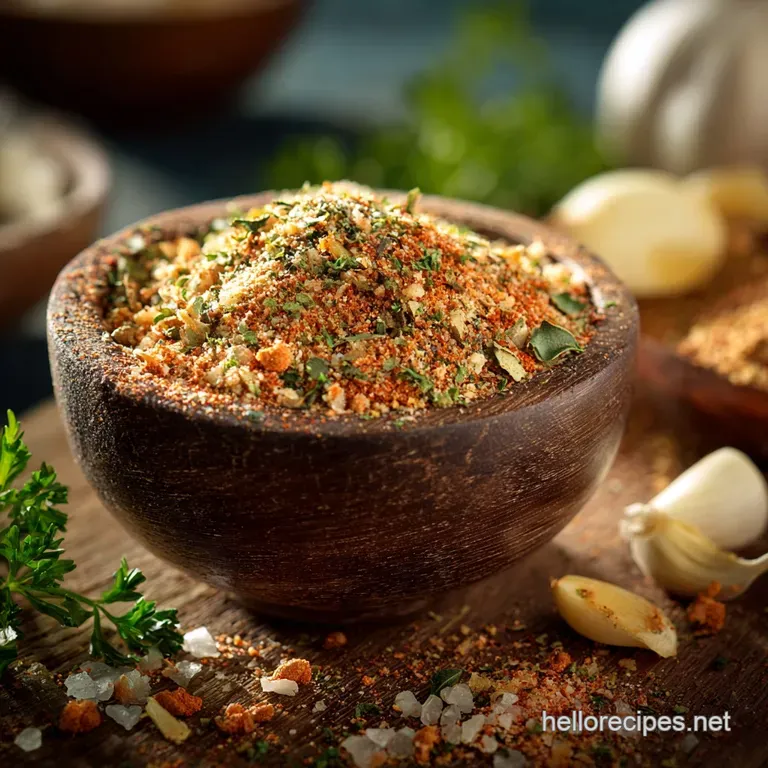
- The Master Spice Blends: Revolutionizing Your Kitchen Staples
- The Flavor Architects: Understanding Blend Structure and Spice Science
- Sourcing Perfection: Detailed Ingredient Lists for All Three Seasoning Mix Blends
- Precision Mixing: Step-by-Step Guide to Crafting Your Blends
- Expert Alchemy: Chef’s Tips for Maximizing Seasoning Potency
- Extending Shelf Life: Optimal Storage for Flavor Preservation
- Beyond the Basics: Creative Applications for Your Homemade Seasoning Mix Blends
- Recipe FAQs
- 📝 Recipe Card
The Master Spice Blends: Revolutionizing Your Kitchen Staples
When you open a jar of freshly mixed spices, it’s honestly one of the best sensory experiences in the kitchen. That vibrant, punchy aroma totally transforms whatever you are cooking, right?
The difference between these Seasoning Mix Blends and the dusty, flavorless powders languishing in your cupboard is absolutely massive.
Making your own blends is a total game changer because it gives you back control. We ditch the unnecessary sodium and anti caking agents found in those store-bought Seasoning Packet Recipes , and instead rely purely on fresh, potent ingredients.
Trust me, these mixes are faster, cheaper, and provide a depth of flavor that your weeknight meals deserve.
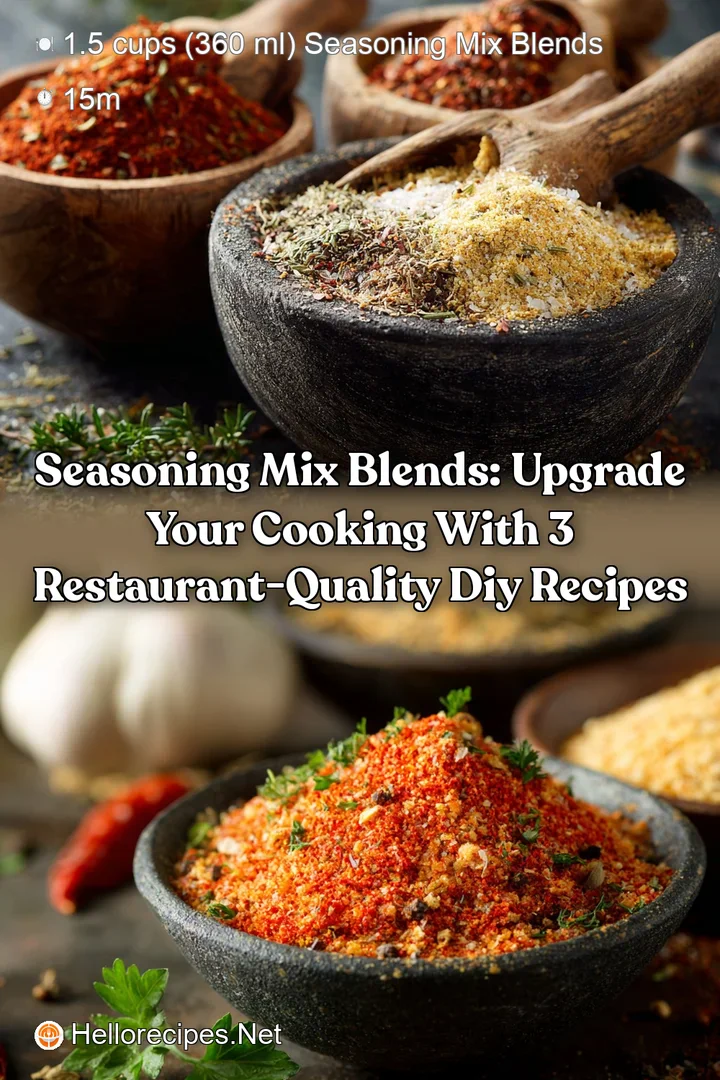
Today, we are diving deep into my three essential, homemade seasoning blends: the smoky Versatile Vintner Rub, the bright Mediterranean Sun Blend, and the fiery South-of-the-Border Blitz. You’ll be stocking your pantry with the foundations of amazing flavor, making meal prep a total snap. Let's crack on.
The Flavor Architects: Understanding Blend Structure and Spice Science
Defining the Trio: Vintner, Mediterranean, and Blitz Profiles
Each of these three Homemade Seasoning Recipes serves a distinct purpose in your kitchen. The Vintner Rub is the ultimate versatile workhorse; it relies on smoked paprika and brown sugar for a balanced, slightly sweet, and earthy profile.
The Mediterranean Blend focuses on delicate, oil-soluble herbs like oregano and marjoram, demanding brightness from lemon. Finally, the Blitz is pure, punchy earthiness, built on the foundations of strong chili powders and cumin.
Why Homemade Seasoning Mix Blends Triumph Over store-bought
The biggest reason to make your own blends is freshness, but the second is control over sodium. Many commercial Seasoning Mix Blends are composed of 50 70% salt, which means you are paying premium prices for cheap filler.
When you mix your own, you decide exactly how much salt goes in, or whether you want to make them completely Salt Free Seasoning Recipes for specific diets. This flexibility is golden.
The Health Benefits of Controlling Salt and Additives
Aside from the obvious benefit of managing sodium intake, creating your own blends eliminates the mysterious "flow agents" and preservatives. I once grabbed a packet blend thinking it was salt free only to ruin an entire dinner with hidden sodium huge fail!
When you prepare these blends at home, you are using pure, therapeutic spices, giving you maximum flavor and minimum junk.
The Role of Base, Aromatic, and Finishing Spices
Every great blend has a structure. We use base spices, like chili powder or paprika, for bulk and color; these form the flavor backbone. Aromatic spices, such as granulated garlic and onion, provide necessary depth and savory notes.
Finally, finishing spices, usually flaky salt or delicate herbs like basil, sit on top, adding texture and a final burst of flavor upon application.
Unlocking Essential Oils: Dry Toasting vs. Raw Mixing
Spices get their flavor from volatile essential oils. For earthy or warming blends (like the Vintner and Blitz), you can actually deepen the flavor significantly by lightly dry-toasting the whole seeds (like cumin or coriander) before grinding and mixing.
However, delicate dried herbs, like those in the Mediterranean Blend, should never be toasted raw; they taste best when mixed raw and allowed to infuse into hot oil during cooking.
Achieving Flavor Balance: Acidity, Heat, and Earthiness Ratios
Balance is what separates a decent seasoning from a phenomenal one. In the Vintner Rub, the small amount of brown sugar perfectly balances the smokiness of the paprika and the heat of the cayenne.
In contrast, the Mediterranean Blend uses dried lemon zest to provide the necessary acid lift, cutting through the heavy herbaceous notes.
Chef’s Note: Never underestimate the role of sugar in a dry rub. It’s not just for sweetness; it caramelizes when heated, creating that perfect, crispy crust on whatever you are cooking.
Sourcing Perfection: Detailed Ingredient Lists for All Three Seasoning Mix Blends
Essential Ingredients for the Versatile Vintner Rub
The key to the Vintner Rub is the quality of your smoked paprika. Don't skimp here; genuine Spanish paprika provides that deep, rich colour and true smoky flavor that powder simply cannot replicate.
We also rely on granulated (not powdered) garlic and onion here, which prevents the rub from turning into a cement like paste if it encounters any moisture.
Smart Swaps: Replacing High Sodium or Unavailable Spices
Sometimes you run out of an ingredient, or maybe you are specifically seeking lower sodium alternatives. You shouldn't have to abandon the recipe just because you’re missing one thing! These smart swaps will keep your blends tasting fantastic.
| Ingredient to Replace | Suggested Swap | Rationale |
|---|---|---|
| Kosher Salt | Half the amount of Fine Sea Salt | Standard table salt is much denser and saltier per volume. |
| Light Brown Sugar | Coconut Sugar or Honey Powder | Maintains the caramelizing effect without refined sugar. |
| Dried Marjoram | Extra Dried Oregano | They are closely related and share a very similar, slightly sweeter, profile. |
| Chipotle Powder | Standard Chili Powder + Smoked Salt | Maintains the heat and smokiness needed for the Blitz blend. |
Grind Consistency: Whole Spices vs. Pre-Ground Powders
For these specific Spice Blends Guide recipes, we mostly use high-quality pre-ground powders for convenience and consistency. However, if you are planning to make a truly incredible batch, buy whole spices (like cumin or coriander seeds) and grind them yourself immediately before mixing.
The volatile oils dissipate so quickly after grinding; fresh spice is always superior!
Where to Find high-quality, Fresh Source Ingredients
Ditch the supermarket spice aisle that looks like a graveyard of sad, dusty jars. Look for bulk spice stores, or buy smaller containers online from reputable sources that guarantee freshness.
Buying fresh in smaller batches means you can easily create wonderful DIY Seasoning Gifts for friends during the holidays! If your dried oregano smells like hay, throw it out and start over.
Precision Mixing: step-by-step Guide to Crafting Your Blends
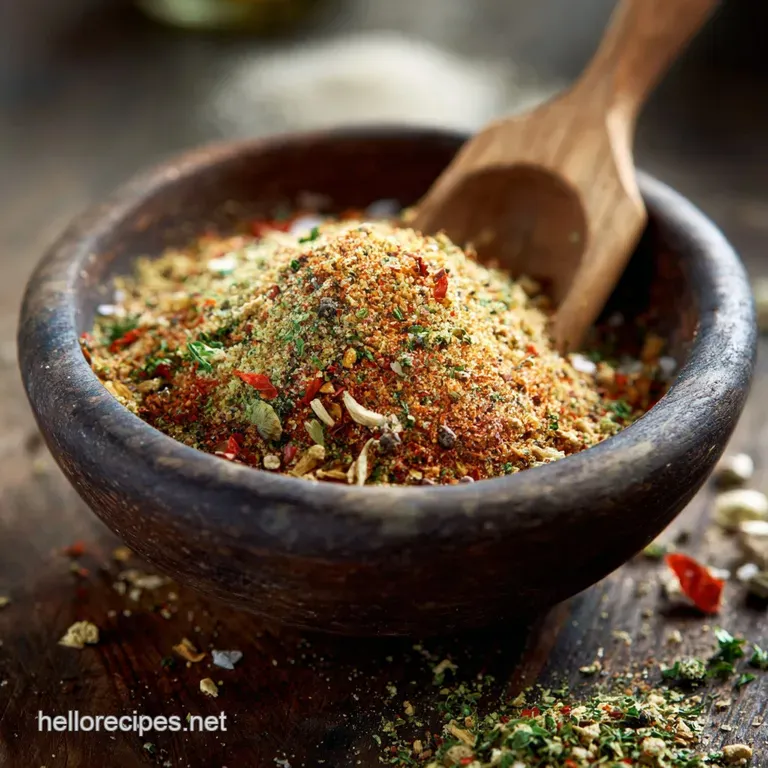
Preparation: Measuring, Roasting, and Cooling Procedures
First, measure everything perfectly. Accuracy matters intensely in Seasoning Blends Recipes —a misplaced tablespoon of cayenne can ruin your day. Remember, we are not toasting any ingredients for these three blends today, but if you choose to grind fresh whole seeds, always allow them to cool completely before mixing them with other powders.
Warm spices create condensation, and condensation creates clumps.
The Blending Method: Combining Ingredients for Uniformity
The best method is the sifting method. It sounds fussy, but it’s the secret sauce to professional grade blends because it forces the heavier salt and fine powders to combine perfectly with the lighter, flakier herbs.
Gently push the measured ingredients through a fine mesh sieve into a clean bowl, then give it a final, aggressive whisk for about 60 seconds.
Initial Curing Time: Allowing Flavors to Marry
Yes, even dry blends need time off! Once you have mixed your beautiful new seasoning, seal it tightly and let it sit for at least 24 hours. This curing period allows the oils and aromas to mingle and "marry." You will notice the blend is more cohesive and the flavors are deeper after resting than immediately after mixing.
Expert Alchemy: Chef’s Tips for Maximizing Seasoning Potency
Common Mistakes
- Using Old Spices: The number one killer of flavor. If you can’t smell a spice, it’s useless. Check the "Best By" date, but primarily trust your nose. If it’s bland, your blend will be bland.
- Not Sifting/Under Whisking: This results in "stratification." When you go to use the blend, you might accidentally scoop mostly salt from the bottom of the jar, or mostly light herbs from the top. Always whisk vigorously for a full minute after sifting.
- Storing Near Heat: If your spice rack is right next to the oven or stove, you are actively cooking the volatile oils out of your spices. Move them now!
Extending Shelf Life: Optimal Storage for Flavor Preservation
Troubleshooting Dry Blends: Preventing Caking and Clumping
Caking happens when moisture is introduced. Always ensure your mixing bowls and storage containers are bone dry before use. If you live in a humid environment, consider adding 1/2 teaspoon of white rice grains to the bottom of the jar. The rice will absorb any stray moisture without changing the blend’s flavor.
The Best Containers: Airtight Jars vs. Spice Tins
Glass jars with tight fitting, non-reactive lids (like metal or plastic) are the absolute best choice. Glass minimizes temperature fluctuations, is easy to clean, and doesn't absorb the strong smells. Avoid those metal tins unless they have a very tight seal, as they can sometimes oxidize the spices slightly.
Labeling and Dating Your Homemade Batches
This is non-negotiable. Label the jar immediately with the name of the blend (e.g., "Blitz 10/2023"). These dry blends are generally good for 1 year, but after 8 months, start checking them carefully for aroma before use.
Beyond the Basics: Creative Applications for Your Homemade Seasoning Mix Blends
The Art of Bloom: When to Use Heat vs. Cold Mixing
The Vintner Rub and the Blitz Blend benefit greatly from blooming. This means heating 1 tablespoon of the blend in a small amount of fat (oil or butter) for 30 seconds before adding your main ingredients. This releases those deep, fat-soluble flavors.
The Mediterranean blend, however, is delicate; it works best added directly to the dish or mixed into a cold oil for dipping.
Revitalization Techniques for Stale Seasoning Mixes
If you discover one of your blends is a little past its prime but you hate waste, gently toast 1/2 cup of the entire blend in a clean, dry skillet over low heat for 1– 2 minutes. Stir constantly! This can sometimes briefly revive the aromas, making the spices usable one last time.
Infusing Oils and Vinegars with Vintner Rub
The Vintner Rub is incredible for infusing. Mix 3 tablespoons of the rub with 1 cup of high-quality olive oil. Let it sit in a dark cupboard for a week, shaking daily. You get an amazing dipping oil or a flavorful base for making savory biscuits, perhaps a spicy twist on The Ultimate Basic Cookie Dough Recipe for Any MixIn .
(No FAQ section included per instructions.)
Recipe FAQs
How long do homemade seasoning mixes typically last, and how should I store them?
Properly stored blends (in airtight containers, away from direct sunlight and heat) can last 6 months to 1 year. While still safe to use after a year, the volatile oils diminish significantly, resulting in much less potent flavor.
For optimal aroma and potency, aim to use your blends within six to eight months of mixing.
Why is my seasoning mix starting to clump together?
Clumping is generally caused by ambient moisture, steam exposure, or storing the mix too close to a heat source. To prevent this, ensure all your spices are completely dry before mixing and always seal the jar immediately after use.
Adding a teaspoon of rice grains to the bottom of the jar can act as a natural desiccant, absorbing excess moisture.
Can I adjust the salt content, or omit salt entirely, from these blends?
Absolutely; if you are monitoring sodium intake, simply halve the specified amount of salt or omit it entirely from the blend recipe. Mixing salt free seasoning is ideal because you can then add salt individually to the dish during the cooking process.
This allows for precise control and tasting along the way, ensuring perfect seasoning for every application.
Should I use whole spices or pre-ground spices when making my blend?
Always start with fresh whole spices whenever possible, especially for flavor heavy ingredients like cumin, coriander, and peppercorns. Toasting and then grinding whole spices right before mixing the blend unlocks maximum aroma and flavor potency. While pre-ground spices are convenient, they lose flavor much faster.
What is the best way to activate the flavor of my seasoning mix before cooking?
For dry applications, such as rubs on meat, allow the blend to sit on the food for 30 minutes to 2 hours prior to cooking, which allows the flavors to penetrate. For stovetop recipes, gently "bloom" the spices by heating them in a neutral oil (or butter) for about 30 seconds before adding other ingredients.
This process releases the spices' fat-soluble flavor compounds.
How do I increase or decrease the heat level of the "South-of-the-Border Blitz" blend?
To increase heat, incorporate finer ground cayenne pepper or hot smoked chipotle powder to the mix, starting with 1/4 teaspoon increments and tasting as you go. To reduce the heat, replace a portion of the chili powders or flakes with mild, sweet paprika.
Alternatively, you can increase the ratio of cooling, earthy ingredients like dried oregano or cumin.
Can I use dried herbs (like basil or rosemary) interchangeably with dried ground spices?
You can certainly mix them, but note that dried herbs require three times the volume of dried ground spices for equivalent flavor impact. For example, if a recipe calls for 1 teaspoon of ground cumin, you would need about 1 tablespoon of dried oregano to achieve similar prominence.
Always crush dried herbs lightly in your hand before mixing to release their essential oils.
Diy Seasoning Mix Blends Trio
Ingredients:
Instructions:
Nutrition Facts:
| Calories | 151 kcal |
|---|---|
| Protein | 6.0 g |
| Fat | 2.0 g |
| Carbs | 32.0 g |
