Classic Southern Pimento Cheese
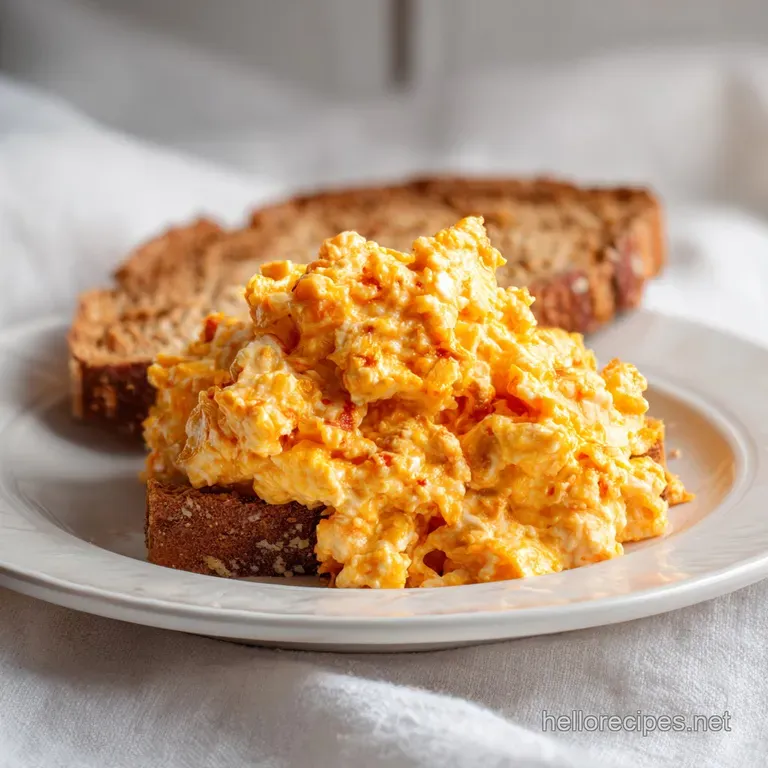
- Time: Active 15 minutes, Passive 0 minutes, Total 15 minutes
- Flavor/Texture Hook: Sharp, velvety, and tangy
- Perfect for: High end appetizers, innovative sandwiches, and beginner friendly hosting
- Why Authentic Pimento Cheese Actually Works
- Key Recipe Metrics and Timing
- Deep Dive Into Our Ingredients
- Essential Tools for Successful Mixing
- Mastering the Assembly Process Steps
- Fixing Common Texture and Flavor Issues
- Creative Swaps and Bold Variations
- Storage and Freshness Guidelines
- Ideal Pairings for Your Spread
- Recipe FAQs
- 📝 Recipe Card
Why Authentic Pimento Cheese Actually Works
Forget everything you’ve heard about this being a simple "Southern caviar" thrown together with leftover scraps. Most people assume it is just a heavy, mayo laden mush, but that is a fundamental misunderstanding of the dish.
When you approach this through the lens of modern gastronomy, you realize it is actually a complex study in contrasts: the bite of aged cheddar against the silky glide of cream cheese, and the brightness of pimentos against the deep umami of Worcestershire sauce.
I used to think any cheddar would do, but that was a mistake that led to a flat, oily spread. The real innovation happens when you balance the pH and the fat content perfectly. We are looking for a spread that doesn't just sit on a cracker but shatters the expectation of what a cheese dip can be.
It's about finding that sweet spot where the sugar isn't for sweetness, but to act as a catalyst for the other savory elements to pop.
The secret isn't just in the ingredients, but in the physical technology of how they are combined. By hand grating the cheese rather than using a food processor, you preserve the structural integrity of the dairy.
This creates a mouthfeel that is simultaneously chunky and creamy, providing a sensory experience that pre shredded, cellulose coated bags simply cannot replicate. Let’s get into why this specific ratio creates such a stable, flavor forward emulsion.
- Structural Integrity: Hand grating creates jagged edges that allow the mayo and cream cheese to "grip" the cheddar, preventing oil separation.
- Enzymatic Brightness: The tiny amount of grated onion juice acts as a natural flavor enhancer, cutting through the heavy lipids of the cheese.
- Sugar Catalysis: A half teaspoon of sugar doesn't make it sweet, it rounds out the sharp edges of the extra sharp cheddar and the vinegar in the pimentos.
- Emulsion Stability: Softened cream cheese acts as a secondary emulsifier, ensuring the Mexican chicken cheese sauce style richness stays consistent even at room temperature.
| Spread Thickness | Serving Temp | Prep Style | Visual Cue |
|---|---|---|---|
| Coarse/Chunky | 55°F - 60°F | Hand Grated | Visible cheese threads |
| Smooth/Silky | 65°F | Whipped Base | Homogeneous and glossy |
| Firm/Block | 40°F | Chilled | Holds a knife mark |
Each of these textures serves a different purpose in your kitchen. If you are looking for a sandwich filler, the firm style is your best bet to prevent sogginess. For a dip, the coarse prep style provides that beautiful, rustic look that people expect from a high-quality spread.
Key Recipe Metrics and Timing
| Ingredient | Science Role | Pro Secret |
|---|---|---|
| Extra Sharp Cheddar | Protein Structure | Use 8 oz aged at least 12 months for the highest acidity and "crunchy" protein crystals. |
| Cream Cheese | Emulsifying Agent | Ensure it's exactly 4 oz and fully room temp to avoid small white lumps in the final mix. |
| Pimentos | Acidic Balance | Pat these 4 oz of peppers bone dry with a paper towel; excess moisture breaks the creamy emulsion. |
| Onion Juice | Aromatic Bridge | Grate the onion into a paste; the juice is more important than the pulp for uniform flavor. |
The relationship between the fats in the mayonnaise and the proteins in the cheddar is delicate. If the cheese is too warm during the grating process, the fats begin to weep, leading to a greasy finish. This is why the "grate and chill" method is a non negotiable part of the process.
Deep Dive Into Our Ingredients
Selecting the right components for your Pimento Cheese is an exercise in sourcing quality. You want ingredients that can stand up to each other without one overpowering the rest.
- 8 oz extra sharp yellow cheddar cheese: Hand grated. Why this? High acidity and low moisture ensure a bold flavor and firm texture.
- Substitute: Sharp White Cheddar. It offers a cleaner look but a similar flavor profile.
- 8 oz white cheddar or Monterey Jack cheese: Hand grated. Why this? Monterey Jack provides a creamy, melting mouthfeel that balances the sharp yellow cheddar.
- Substitute: Pepper Jack. Use this if you want to increase the heat without adding extra dry spices.
- 4 oz cream cheese: Softened to room temperature. Why this? This is the "glue" that keeps the mayo from separating from the cheese shreds.
- Substitute: Mascarpone. It adds a more luxurious, slightly sweeter fat profile.
- 0.5 cup high-quality Southern mayonnaise: Why this? Brands like Duke's provide the necessary tang and high egg yolk content for stability.
- Substitute: Avocado oil mayo. It works well but results in a slightly thinner consistency.
- 4 oz jar diced pimentos: Drained and patted dry. Why this? These sweet peppers are the soul of the dish, providing color and mild acidity.
- Substitute: Roasted red peppers. Finely dice them yourself for a smokier, more sophisticated flavor.
- 0.5 tsp granulated sugar: Why this? It acts as a flavor stabilizer to balance the sharp cheddar and vinegary pimentos.
- Substitute: Honey. A tiny drop provides a floral note, though it's harder to incorporate evenly.
- 0.25 tsp grated onion with juice: Why this? This provides a "hidden" savory depth that makes people wonder why yours tastes better.
- Substitute: Onion powder (0.125 tsp). Use only if you must, as it lacks the bright enzymatic punch of fresh onion.
- 0.5 tsp Worcestershire sauce: Why this? Adds fermented complexity and a hit of umami to the dairy base.
- Substitute: Soy sauce or Tamari. This provides the salt and umami but lacks the tamarind tang.
- 0.25 tsp smoked paprika: Why this? Adds a subtle woodsy note that complements the sharpness of the cheddar.
- Substitute: Regular sweet paprika. It gives the color without the smoky interference.
- 1 pinch cayenne pepper: Why this? Just enough to provide a back of-the throat warmth without being "spicy."
- Substitute: Red pepper flakes. These are more visible but provide a similar heat level.
- 0.25 tsp freshly cracked black pepper: Why this? Freshly ground oils are more aromatic than pre ground dust.
- Substitute: White pepper. Use this for a cleaner aesthetic if you don't want black flecks.
Essential Tools for Successful Mixing
To achieve the right consistency, you need tools that respect the ingredients. I always suggest a heavy duty box grater. This isn't just a tool; it's the technology that determines the surface area of your cheese. Larger holes create those beautiful, velvety ribbons that catch the dressing.
A stand mixer is your best friend here for the base. By using the paddle attachment on low speed, you can emulsify the cream cheese and seasonings into a perfectly smooth paste before adding the solids. If you do this by hand, use a stiff silicone spatula.
You want something with enough "give" to fold the cheese without smashing the pimentos into a red streak.
Finally, a glass or ceramic bowl is better than plastic. Plastic bowls can retain odors from previous meals, and when you are working with delicate dairy and onion juice, you want a neutral environment.
Sustainable glass containers also allow you to see the distribution of the pimentos, ensuring every bite is perfectly balanced.
Mastering the Assembly Process Steps
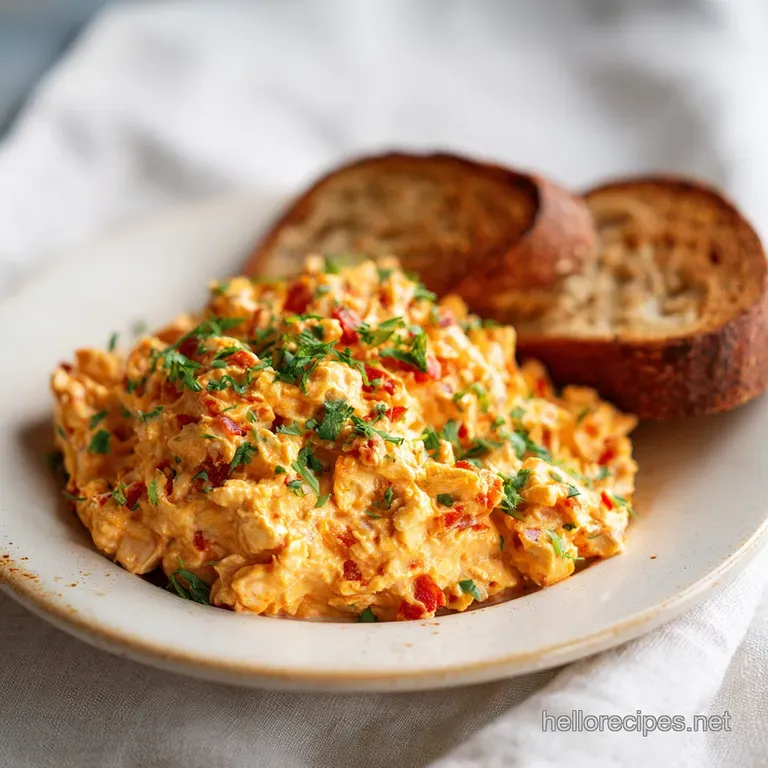
- Grate the 8 oz extra sharp yellow cheddar and 8 oz white cheddar (or Monterey Jack) using the large holes of a box grater. Note: If your kitchen is warm, place the grated cheese in the fridge for 5 minutes to keep the fats stable.
- In a large mixing bowl, place the 4 oz of softened cream cheese. Beat this until it is completely smooth and looks like silk.
- Add 0.5 cup mayonnaise, 0.5 tsp sugar, 0.25 tsp grated onion (with juice), 0.5 tsp Worcestershire, 0.25 tsp smoked paprika, 0.25 tsp black pepper, and a pinch of cayenne.
- Mix these ingredients together until the color is uniform and the texture is glossy. This ensures every bite has an even distribution of spice.
- Drain the 4 oz jar of pimentos and press them between two paper towels. Note: This prevents the liquid from turning your cheese spread into a watery mess.
- Using a rubber spatula, add the pimentos to the creamy base and stir once or twice to distribute.
- Add the hand grated cheeses to the bowl.
- Fold the cheese into the base until it holds its shape and the white and yellow shreds are evenly coated. Do not over mix, or you will lose the distinct texture of the cheese.
- Transfer the mixture to a clean container and smooth the top.
- Chill for at least 30 minutes until the flavors have fully melded and the mixture has firmed up slightly.
Chef's Tip: If you want a more "innovative" look, reserve a tablespoon of the diced pimentos and a handful of the white cheese shreds to sprinkle on top just before serving. It creates a visual map of what’s inside.
Fixing Common Texture and Flavor Issues
Why Your Spread Is Oily
If you see beads of oil on the surface, the cheese was likely too warm when it was grated or the mixture was over worked. When the fat in cheddar is agitated too much at room temperature, the emulsion breaks.
| Problem | Root Cause | Solution |
|---|---|---|
| Oily Surface | Cheese fat separated | Chill for 15 minutes, then gently fold in a teaspoon of cold mayo to re bind. |
| Gritty Texture | Pre shredded cheese used | Use hand grated block cheese only; cellulose coating in bags prevents a smooth mix. |
| Watery Base | Pimentos not dried | Press pimentos firmly between towels before adding to remove all brine. |
Common Mistakes Checklist:
- ✓ Always grate your own cheese from a block (prevents that dusty, dry mouthfeel).
- ✓ Ensure the cream cheese is truly at room temperature before beating (prevents white lumps).
- ✓ Pat the pimentos until the paper towel comes away dry (stops the spread from becoming soup).
- ✓ Use a "folding" motion rather than a "stirring" motion when adding the cheese shreds (preserves the beautiful texture).
- ✓ Let the mix "cure" in the fridge for at least 30 minutes (allows the dried spices to hydrate).
Why the Flavor Is Flat
If it tastes like nothing but cheese and mayo, you probably missed the "secret" ingredients. The onion juice and Worcestershire sauce provide the background noise that makes the cheddar sing. Don't be tempted to skip the sugar either; it's the bridge between the fat and the acid. For those who want a deeper complexity, you might find inspiration in a Beer Cheese Soup recipe which uses similar flavor balancing techniques.
Creative Swaps and Bold Variations
Scaling this recipe is straightforward, but you must be careful with the spices. If you are doubling the batch (using 32 oz of cheese), do not double the salt or the cayenne immediately. Spices can become overwhelming when scaled linearly. Increase the base fats first, then adjust the seasoning to taste.
If you are reducing the recipe for a single serving, use a small hand grater and mix everything in a cereal bowl. Since 4 oz of cream cheese is half a standard block, it's very easy to cut the whole recipe in half. Just remember to beat that half block of cream cheese until it's just as smooth as you would a full one.
| Premium Choice | Budget Choice | Flavor Impact | Savings |
|---|---|---|---|
| Aged Clothbound Cheddar | Store Brand Block Cheddar | More earthy/nutty vs sharp/salty | Save $7.00 - $10.00 |
| Peppadew Peppers | Jarred Diced Pimentos | Spicy/Sweet vs Mild/Tangy | Save $2.00 - $3.00 |
| Homemade Aioli | Duke's Mayonnaise | Richer/Garlicky vs Classic Tangy | Save $1.50 |
If you want to take this in a more innovative direction, consider adding a teaspoon of horseradish for a nasal kick, or some chopped toasted pecans for a textural contrast. If you're looking for a warm application, this base works surprisingly well when folded into a hot pasta dish, much like a pumpkin mac and cheese uses a creamy base to coat the noodles.
Storage and Freshness Guidelines
This spread is a living thing, and its flavor will change over time. In the first 24 hours, the onion and garlic notes will soften and integrate into the fat. By day three, the sharpness of the cheddar will start to mellow as it absorbs some of the moisture from the mayo.
- Fridge: Keep it in an airtight container for up to 7 days. If a little liquid pools at the bottom, just give it a quick, gentle stir with a spoon.
- Freezer: I do not recommend freezing this. The emulsion of the mayonnaise and cream cheese will break when thawed, leaving you with a grainy, oily mess.
- Zero Waste Tip: If you have a few tablespoons left that aren't enough for a sandwich, stir them into your morning scrambled eggs or melt them over a baked potato. The cheddar and pimentos add incredible depth to simple starches.
Ideal Pairings for Your Spread
The goal is to provide a vehicle that doesn't compete with the cheese but enhances it. A classic, buttery cracker is the standard, but for a more modern approach, try thin slices of a crisp green apple. The tartness of the fruit cuts through the richness of the spread in a way that is truly refreshing.
If you are building a sandwich, use a high-quality white bread but don't toast it too hard. You want a "soft on soft" experience where the bread yields to the creamy center. For a party platter, serve this alongside some pickled okra or quick pickled red onions.
The acidity of the pickles cleanses the palate between bites, making the next mouthful of cheese taste just as vibrant as the first.
- The Classic: Celery sticks and Ritz crackers.
- The Innovative: Toasted baguette with a drizzle of hot honey.
- The Gastronomy Play: A dollop on top of a seared burger patty just as it comes off the grill.
Debunking Common Kitchen Myths
One big myth is that Pimento Cheese must be served cold. In reality, serving it slightly below room temperature (around 60°F) allows the fats to soften just enough to release the fat soluble aromas of the smoked paprika and cayenne.
If it's straight out of a 38°F fridge, the flavors are literally "locked" in the cold fat and won't hit your taste buds as effectively.
Another myth is that you need a lot of pimentos for it to be "authentic." Actually, the pimentos are there for accent, not as a primary bulk ingredient. Overloading the mix with peppers adds too much water and can drown out the high-quality cheddar you spent time grating. It's about the ratio, not the volume.
Regardless of how you serve it, this recipe remains a masterclass in balancing simple ingredients with precise technique.

Recipe FAQs
How to make pimento cheese better?
Hand grate your cheeses for superior texture. Pre-shredded bags contain anti caking starches that interfere with the emulsion; if the kitchen feels warm, chill your grated cheese for 5 minutes before mixing to maintain structural integrity.
What is the secret to creamy pimento cheese?
Beat the cream cheese until completely smooth before adding any other ingredients. Creating a stable base with the cream cheese and mayonnaise first ensures a consistent, velvety texture that holds the grated cheddar perfectly. If you enjoyed mastering this creamy base, apply the same emulsification logic to our Tuscan Shrimp Pasta for a similarly silky sauce.
How to make Martha Stewart pimento cheese?
Combine softened cream cheese with mayonnaise, grated onion, Worcestershire, paprika, cayenne, and black pepper. Once that mixture is fully emulsified, fold in your hand grated sharp yellow and white cheddars along with the drained pimentos.
How to make Paula Deen's pimento cheese?
Start by creaming the softened cream cheese in a mixing bowl until it reaches a smooth consistency. Incorporate the mayonnaise, sugar, onion, Worcestershire, and spices, then gently fold in your hand grated cheeses and dried pimentos until uniform.
Is it true I can substitute pre-shredded cheese to save time?
No, this is a common misconception. Pre-shredded cheese is coated in cellulose to prevent clumping, which prevents the cheese from binding properly with the mayonnaise and cream cheese, resulting in a gritty, loose spread.
How do you fix pimento cheese if it separates?
Stir the mixture gently with a rubber spatula to re-incorporate the ingredients. If liquid pools after storage, a quick, thorough fold usually restores the emulsion, as the cheese naturally releases slight moisture over time.
How to serve pimento cheese for the best experience?
Refrigerate the mixture for at least 30 minutes before serving to allow the flavors to meld. While it can be eaten immediately, letting it sit helps the onion and spices fully integrate into the cheese fats for a deeper, more cohesive flavor profile.
Classic Southern Pimento Cheese
Ingredients:
Instructions:
Nutrition Facts:
| Calories | 246 kcal |
|---|---|
| Protein | 9.8 g |
| Fat | 22.1 g |
| Carbs | 1.8 g |
| Fiber | 0.1 g |
| Sugar | 0.9 g |
| Sodium | 344 mg |
