Easy Best Classic Risotto with Parmesan Cheese
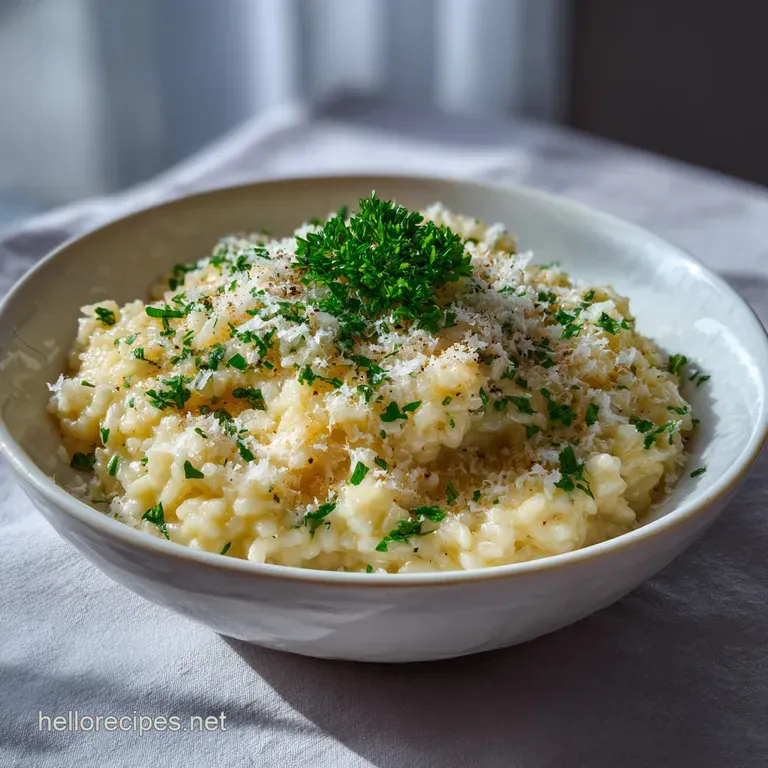
- Time: Active 25 minutes, Passive 10 minutes, Total 35 minutes
- Flavor/Texture Hook: Silky, toothsome, and deeply savory
- Perfect for: Sophisticated weeknight dining or dinner parties
- Create Easy Best Classic Risotto with Parmesan Cheese
- Technical Precision and Recipe Metrics
- Essential Components for Flavor Layering
- Necessary Gastronomy Tools and Gear
- Systematic Steps to Velvety Results
- Correcting Common Textural Discrepancies
- Innovative Adaptations and Flavor Shifts
- Management of Leftovers and Waste
- Strategic Pairings for Gastronomic Balance
- Myths Regarding the Stirring Process
- Scheduling and Operational Efficiency
- Recipe FAQs
- 📝 Recipe Card
The rhythmic sound of a wooden spoon scraping against a heavy bottomed pan is the heartbeat of a great kitchen. Discover how to make the easy best classic risotto with Parmesan cheese in this simple guide.
There is something truly transformative about watching opaque, hard grains of rice slowly surrender their starch to create a sauce that feels like liquid gold.
I used to think this dish was a high maintenance chore that required Olympic level arm strength. Honestly, I once ruined a batch by dumping all the stock in at once, ending up with a sad, mushy rice soup.
But once you understand how the liquid interacts with the rice, it becomes a meditative process rather than a stressful one.
We are going for that specific "all'onda" texture, which means "on the wave." When you shake the plate, the rice should ripple, not sit in a stiff clump. It is about precision, patience, and a bit of kitchen technology. Ready to master the easy best classic risotto with Parmesan cheese? Let's get the stove going.
Create Easy Best Classic Risotto with Parmesan Cheese
Developing a deep flavor profile requires understanding the interaction between heat and starch. In my kitchen, I treat this process as a study in gastronomy where each stage builds on the last to ensure a sustainable, high impact result.
1. Controlled Starch Release
Amylopectin Breakdown: Constant stirring causes the rice grains to rub against each other, physically knocking off the exterior starch into the liquid. This creates a natural emulsion that gives the dish its signature velvety mouthfeel without needing thickeners.
2. The Thermal Equilibrium Principle
Consistent Hydration: Using hot stock ensures the rice stays at a constant simmering temperature. If you add cold liquid, the temperature drops, the cooking stops, and the grains end up with a chalky center and a gummy exterior.
3. Emulsification via Mantecatura
Fat Suspension: The final vigorous stir with cold butter and Parmesan Cheese creates a stable emulsion. The cold fat binds with the starchy liquid, resulting in a glossy sheen that doesn't break even as the dish cools slightly.
4. Acidic Deglazing Dynamics
Molecular Contrast: The dry white wine does more than add flavor, it provides acidity that cuts through the heavy starches and fats. This chemical balance prevents the dish from feeling overly heavy on the palate.
| Component | Science Role | Pro Secret |
|---|---|---|
| Arborio Rice | High Amylopectin starch | Never wash the rice first |
| Warm Stock | Maintains enzyme activity | Keep it just below boiling |
| Dry White Wine | Provides tartaric acid | Use a crisp Sauvignon Blanc |
| Parmesan Cheese | Adds umami and fat | Grate it micro fine for melting |
Technical Precision and Recipe Metrics
Before we start, let's look at the data. Successful cooking is often about the delta between a mediocre result and a precise one. This comparison shows why the classic method wins every time.
- 1. Stock Temp
- Maintain stock at 80°C (176°F) throughout the process.
- 2. Rice Toasting
- Stop when the edges of the grain look translucent (usually 3 minutes).
- 3. The "Wave" Test
- The finished dish should take 2 seconds to settle when the plate is tilted.
Fast vs. Classic Comparison
| Feature | Pressure Cooker (Fast) | Classic Stovetop | Result Difference |
|---|---|---|---|
| Starch Texture | Consistent but flat | Layered and complex | Classic is silkier |
| Grain Integrity | Risk of overcooking | Precise control | Classic stays al dente |
| Flavor Depth | One dimensional | Built in stages | Classic is more savory |
Essential Components for Flavor Layering
Gathering your elements is the first step in sustainable cooking. I prefer using high-quality fats like Lucerne unsalted butter and a sharp Parmigiano Reggiano for the best chemical reaction.
For the Aromatic Base
- 2 tbsp (28g) Unsalted butter: Provides the initial fat for sweating. Why this? Butter adds a nutty depth that oil lacks.
- 1 tbsp (15ml) Extra virgin olive oil: Raises the smoke point of the butter. Why this? Prevents the butter from browning too early.
- 1 small Yellow onion (100g): Must be finely minced. Why this? Large chunks ruin the uniform texture.
- 2 cloves Garlic: Microplaned for instant flavor release.
For the Risotto Body
- 1.5 cups (300g) Arborio or Carnaroli rice: The engine of the dish. Why this? Essential for the specific starch to grain ratio.
- 1/2 cup (120ml) Dry white wine: Use something you would actually drink.
- 5.5 cups (1.3L) Chicken or vegetable stock: The hydration source.
- 1/2 tsp (3g) Sea salt: Adjust based on stock saltiness.
For the Finish
- 1/2 cup (50g) Parmigiano Reggiano: Freshly grated is mandatory.
- 3 tbsp (42g) Cold unsalted butter: Must be chilled. Why this? Cold butter emulsifies better than room temp.
- 1/4 tsp Black pepper: Freshly cracked for floral heat.
- 1 tbsp Fresh flat leaf parsley: Adds a bright finish.
Necessary Gastronomy Tools and Gear
Using the right technology in the kitchen reduces friction. You don't need a hundred gadgets, just a few reliable pieces. For a perfect pairing, I often serve this alongside The Crispy Chicken recipe which requires a solid cast iron skillet.
3 Essential Tools
- Le Creuset Saucier or Wide Pot: The rounded bottom prevents rice from getting stuck in corners.
- Ladle: A 120ml capacity ladle helps you track exactly how much liquid you are adding.
- Wooden Spoon: A sturdy one with a hole in the middle (a "risotto spoon") is ideal for maximum agitation.
Systematic Steps to Velvety Results
This is where we build the layers. Follow the sequence exactly to ensure the starch behaves as intended.
Phase 1: The Aromatic Foundation
- Simmer the stock. Place your 1.3L of chicken stock in a small saucepan over medium heat. Keep it at a low simmer.
- Sweat the aromatics. In your main pot, melt 2 tbsp butter with 1 tbsp olive oil. Add the 100g of minced onion and cook for 5 minutes until soft and translucent but not brown.
- Integrate the garlic. Stir in the 2 cloves of microplaned garlic and cook for 30 seconds until the aroma hits you.
Phase 2: Toasting the Grains
- Toast the rice. Increase heat to medium high. Add the 300g of Arborio rice. Stir constantly for 3 minutes until the edges look clear and it smells like toasted bread.
- Deglaze the pan. Pour in the 120ml of dry white wine. Stir vigorously until the liquid has completely evaporated.
Phase 3: The Gradual Hydration
- Add the first ladle. Add about 1 cup (240ml) of hot stock to the rice. Note: This initial shock of liquid starts the starch release.
- Maintain the rhythm. Stir frequently. Once the rice has absorbed almost all the liquid, add another ladle. Continue this for 18-22 minutes until the rice is tender but firm in the center.
- Check for doneness. You may not need all 1.3L of stock. Taste a grain; it should be creamy but have a tiny "bite" (al dente).
Phase 4: The Mantecatura (The Finish)
- The final emulsion. Remove the pot from the heat. This is crucial! Add the 50g of Parmesan, 42g of cold butter, and 3g of sea salt.
- Beat the rice. Stir vigorously for 1 minute until the risotto is glossy and ripples like a wave. Garnish with parsley and pepper.
Correcting Common Textural Discrepancies
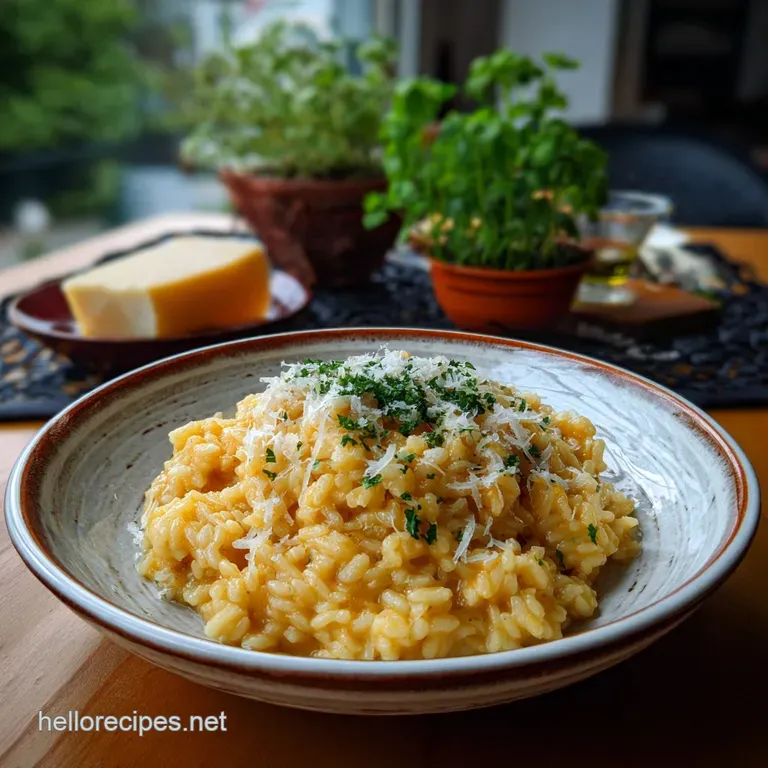
Even with the best intentions, things can go sideways. Use this guide to save your dinner if the texture feels off.
1. Why Your Grains are Crunchy
If the stock is gone but the rice is still hard, you likely had the heat too high, causing evaporation rather than absorption.
| Problem | Cause | Fix | Pro Tip |
|---|---|---|---|
| Crunchy centers | High evaporation | Add hot water | Lower the flame slightly |
| Gummy texture | Over stirring | Add a splash of acid | Use a wider pot next time |
| Too salty | Stock reduction | Add unsalted liquid | Always taste stock first |
2. The Texture is Gummy or Sticky
This usually happens when you use a rice with too much broken grain or if you over manipulated it at the wrong temperature. A quick fix is to fold in a tablespoon of mascarpone or heavy cream to reset the emulsion, though it changes the flavor profile.
3. The Risotto is Spreading Too Thinly
If the dish looks like soup, you added too much liquid in the final stage. Turn the heat back on for 60 seconds and stir aggressively. The starch will tighten up quickly.
Innovative Adaptations and Flavor Shifts
Once you master the base, you can start experimenting with sustainable, seasonal additions.
1. The Herbaceous Twist
Fold in a basil pesto or a handful of fresh chives at the very end. This adds a bright green color and a fresh aromatic layer that contrasts with the salty Parmesan.
2. The Earthy Update
Sauté mushrooms separately in a Lodge cast iron pan and fold them in during the last 5 minutes of cooking. Using the mushroom soaking liquid as part of your stock adds an incredible depth of umami.
3. Dietary Swap: dairy-free Creaminess
| Original Ingredient | Substitute | Why It Works |
|---|---|---|
| Butter (Finish) | Full fat Coconut Milk | Provides necessary lipids. Note: Adds a tropical scent. |
| Parmesan Cheese | Nutritional Yeast | Mimics the nutty, savory profile of aged cheese. |
| Chicken Stock | Mushroom Broth | Keeps it vegan while maintaining deep umami levels. |
4. Alcohol Free Deglazing
If you prefer not to use wine, substitute with 120ml of extra stock plus 1 teaspoon of lemon juice. The acid is non negotiable for balancing the fats in the Parmesan Cheese.
Management of Leftovers and Waste
Sustainability in the kitchen means never throwing away good food.
- Storage: Keep in an airtight container in the fridge for up to 3 days. Do not freeze risotto; the rice grains will shatter upon thawing, leaving you with a gritty mush.
- Zero Waste: Use the onion skins and parsley stems to make a quick vegetable stock for your next batch.
- The Leftover Hack: Cold risotto is the perfect base for Arancini. Roll into balls, stuff with mozzarella, bread them, and fry. It is honestly almost better than the original meal.
Strategic Pairings for Gastronomic Balance
Risotto is a rich dish that needs something bright or crunchy to stand against it. If you are looking for a hearty Italian feast, pairing this with The Classic Lasagna recipe is a bit heavy, but a side of roasted asparagus or a bitter radicchio salad works wonders.
- If you want a light meal
- Pair with lemon grilled shrimp and a glass of Gavi.
- If you want a hearty meal
- Serve alongside a slow braised short rib.
- If you want a vegetarian meal
- Top with roasted butternut squash and sage.
Myths Regarding the Stirring Process
There are several misconceptions that make people afraid of this recipe. Let's clear those up.
Myth: You must stir every second without stopping. Truth: While frequent stirring is necessary for starch release, you don't need to be a slave to the pot. Stirring every 30-60 seconds is more than enough to get that creamy result.
Myth: Adding cream is the "secret" to creaminess. Truth: Cream is actually a shortcut that masks the true flavor of the rice. Proper starch agitation creates a more stable and flavorful creaminess than heavy cream ever could.
Scheduling and Operational Efficiency
Timing your prep: Always have your onions and garlic prepped before you turn on the stove. Once the rice starts to toast, the process moves quickly, and you won't have time to chop.
The "Resting" Stage: Give the risotto 2 minutes to sit off the heat before serving. This allows the temperature to stabilize and the flavors to fully meld. Just like a steak, it needs a moment of repose.
Water vs Stock: If you run out of stock near the end, just use hot water. At that point, the rice has absorbed most of its flavor, and the water will just help achieve the final texture without making it overly salty.
Final Check: Is it creamy? Does it ripple? Is the grain firm but tender? If yes, you've successfully navigated the science of the easy best classic risotto with Parmesan cheese. Enjoy the sizzle and the scent of a job well done.

Recipe FAQs
What is the most critical step for achieving true "all'onda" texture?
The final vigorous stirring (Mantecatura). Removing the pot from the heat and aggressively beating in the cold butter and Parmesan creates a stable emulsion that defines the ripple effect.
Can I substitute Arborio rice with regular long grain rice?
No, stick with Arborio or Carnaroli. These specific varieties have high amylopectin starch content, which is necessary to break down and form the creamy sauce.
Why must I use hot stock instead of cold stock?
To maintain thermal equilibrium for proper starch release. Adding cold liquid drastically drops the temperature, halting the enzyme activity needed to break down the rice starch correctly.
What is the purpose of adding white wine early in the process?
It adds necessary acidity to balance the rich fats. The acid cuts through the starch and dairy, preventing the finished dish from tasting heavy or dull on the palate.
How long should the rice be toasted before adding the wine?
About three minutes until the edges look translucent. This step seals the exterior slightly, ensuring the center remains perfectly al dente while the outside releases starch.
Can I make this ahead of time and reheat it later?
It is best served immediately, but leftovers can be stored. If you must reheat, stir in a small splash of hot stock or water to loosen the tight structure the starch forms when cold.
What is the best way to ensure the final dish is glossy and not dull?
Use cold fat during the final emulsion step. If you enjoyed mastering the stable fat binding in this recipe, you should apply that same temperature logic when making a rich sauce like in our Pasta Linguine Alfredo: Authentic Velvety Sauce in Minutes.
Classic Parmesan Risotto Unlocked
Ingredients:
Instructions:
Nutrition Facts:
| Calories | 538 kcal |
|---|---|
| Protein | 12.3g |
| Fat | 23.2g |
| Carbs | 66.4g |
| Fiber | 2.1g |
| Sugar | 2.4g |
| Sodium | 865mg |
