Blackened Salmon Fillets: How to Get That Fiery, Flavour-Bomb Crust

- The Art of Blackening: Why This Technique Transforms Salmon
- The Science of Sear: Achieving the Perfect Blackened Crust
- Essential Ingredients for Authentic Blackened Salmon
- Full Method: How to Make Classic Blackened Salmon (Step-by-Step)
- Mastering the Heat: Chef's Tips and Troubleshooting Guide
- Meal Prep & Storage: Keeping Your Blackened Salmon Fresh
- Elevated Pairings: What to Serve Alongside Blackened Salmon
- Recipe FAQs
- 📝 Recipe Card
The Art of Blackening: Why This Technique Transforms Salmon
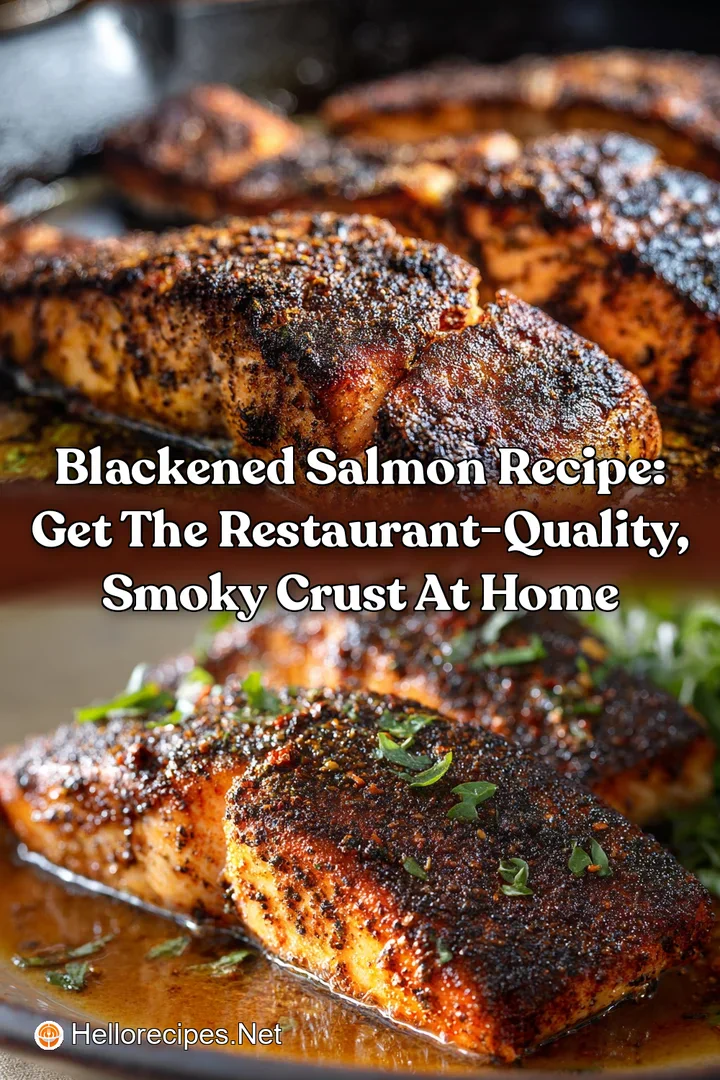
You know that deep, smoky aroma that pulls you into a great seafood restaurant? That’s what we are chasing today. This Blackened Salmon isn't just about cooking; it's about building a ridiculously flavourful, deep red crust that snaps slightly when you bite into it.
Inside, the salmon remains perfectly moist and delicate, providing the ultimate contrast.
This technique, which sounds fancy, is actually one of the fastest ways to get a magnificent, healthy seafood dinner on the table. It takes less than 25 minutes, start to finish, and requires almost zero complicated knife work.
Forget fiddling with the oven; we are going all-in on over high heat pan searing for maximum flavor impact.
I learned this the hard way I've scorched more spices than I care to admit. But I finally cracked the code, and I’m sharing all my real world tips so you can achieve that authentic Louisiana inspiration without setting off every smoke alarm in your home. Let's crack on and create some flavour bomb salmon.
The Science of Sear: Achieving the Perfect Blackened Crust
Louisiana Inspiration: Defining the True Blackening Process
True blackening is a specific cooking technique, originating in Cajun cuisine, that involves seasoning food heavily and searing it at extremely high temperatures. We are using clarified butter, which is crucial because it allows the pan to get scorching hot before the spices hit the melting point.
The deep, reddish black crust that forms is the result of the spices instantly caramelizing onto the protein, not burning the fish itself. It’s flavor concentration on steroids.
Speed vs. Flavor: Understanding over High heat Cooking
over High heat cooking is your friend here. Unlike slower oven methods which are great for dishes like my Easy Creamy Tuscan Salmon Recipe with Spinach in 35 Mins — blackening demands intensity. The goal is to cook the fish quickly enough that the interior stays buttery, while the exterior develops that characteristic crust. This rapid sear locks in the moisture immediately.
Recipe Yields and Preparation Time
This specific recipe yields four robust servings, perfect for a family dinner or meal prepping for the week. The preparation time is minimal, but you must factor in about 10 minutes to properly clarify your butter if you don't already have Ghee on hand.
Total hands-on cooking time is under 10 minutes, making this an excellent weeknight option.
The Role of Clarified Butter (Ghee) in Blackening
This is the single biggest secret to success. Regular butter contains milk solids and water, which burn quickly and turn the beautiful spice blend acrid and bitter. Clarified butter, often called Ghee, is pure butterfat.
It has an incredibly high smoke point, allowing you to reach the screaming hot temperatures necessary for proper blackening without the bitterness. Do not skip clarifying the butter.
Avoiding the Burn: Why Smoke Doesn't Mean Char
There will be smoke. A lot of smoke. This is the moisture in the fish interacting with the screaming hot fat, plus the extreme heat activating the paprika and cayenne. However, the black crust should look deep red and vibrant, not grey or dusty.
If your spices look grey, they are scorched, and you need to reduce your heat next time or pull the fish out immediately.
Skin On vs. Skin Off: The Structural Advantage
I prefer skin off for blackening because it allows the spice crust to form evenly all the way around the fillet, plus it makes dredging easier. If you use skin-on salmon, which is fine, make sure you pat that skin side extra dry.
The traditional blackening method usually skips the skin entirely for a quicker, more intense sear.
Essential Ingredients for Authentic Blackened Salmon
Every ingredient here is functional, not just decorative. We want deep, complex flavors and the right fat profile to handle the heat.
| Ingredient | Role | Viable Substitute |
|---|---|---|
| Salmon Fillets | Protein/Canvas | Mahi Mahi, Halibut, or firm Tilapia |
| Clarified Butter | over High heat Cooking Fat | ready-made Ghee or Avocado Oil |
| Smoked Paprika | Colour and Smoky Base | Regular Paprika + a pinch of liquid smoke |
| Cayenne Pepper | Heat Source | Chili powder or doubled black pepper (less heat) |
| Dried Thyme/Oregano | Aromatic Foundation | Italian Seasoning Blend (use slightly less) |
The Secret Blend: Crafting the Homemade Blackening Seasoning
The pre-mixed Cajun blends are okay, but they often rely too heavily on salt and not enough on the aromatic herbs. My homemade seasoning is non-negotiable for that authentic depth. The combination of smoked paprika (for color) and cayenne (for heat) is essential.
Adding white pepper alongside the black pepper gives you a broader, more complex heat sensation trust me on this one.
Choosing the Best Salmon Fillets for High Heat
You want thick, uniform fillets, preferably cut from the center of the salmon. Thin tail pieces will cook too quickly and risk drying out before the blackening crust has fully developed. Aim for fillets about 1.5 inches thick. Always pat them bone dry. Dry fish is happy fish.
Essential Spice Substitutions (If you're missing an ingredient)
Don't panic if you are missing one spice. The recipe is forgiving! If you lack garlic or onion powder, use a tiny splash of garlic infused oil in the clarified butter instead. If you don't have enough cayenne for proper heat, a dash of hot sauce right before serving will work just as well, delivering that kick without compromising the crust.
Full Method: How to Make Classic Blackened Salmon (step-by-step)

Prep Phase: Seasoning the Fish Properly
First, get your ingredients ready: spices blended in a shallow dish, and the clarified butter melted and cooled slightly in a small bowl. Take those dry fillets and season them lightly with coarse salt; this is separate from the spice blend.
Now, dip each fillet completely into the clarified butter, making sure every surface is slick and shiny. Next, press the buttered fish firmly into your spice blend. Press hard! The seasoning needs to be packed onto the fish to form a solid crust later.
The Hot Pan Rule: Achieving Max Temperature Safely
You must use a cast iron skillet. Place the skillet over high heat for 3 to 5 minutes to allow it to fully heat up it should be radiating heat aggressively. Add 2 3 tablespoons of the remaining clarified butter and watch it closely.
When the butter starts to shimmer and just begins to smoke lightly, you are ready.
Chef's Note: The pan must be screaming hot before the fish hits it. If you hear a gentle sizzle, it's not hot enough. You want an immediate, aggressive spsshhhh sound that tells you the sear is instantaneous.
Cooking Times for Different Fillet Thicknesses
For a 1.5 inch thick fillet, cook the first side (the presentation side) for 3 to 4 minutes without moving it. This time is dedicated solely to building the crust. Flip the fish using a metal spatula be decisive! Cook the second side for another 3 to 5 minutes.
If your fillets are thinner (around 1 inch), reduce the total cook time to 6– 7 minutes.
Finalizing the Fillet: Rest Time and Internal Temperature
The most reliable way to check doneness is with an instant read thermometer. The internal temperature needs to hit 145°F (63°C). Visually, the fish should be opaque throughout and flake easily. Once cooked, transfer the fillets to a cooling rack or a plate tented with foil.
Let them rest for a full five minutes before serving. This resting period is critical for juicy results, especially after such a over high heat treatment.
Mastering the Heat: Chef's Tips and Troubleshooting Guide
The Single Biggest Mistake (And How to Fix It)
The number one error people make is using regular butter or overcrowding the pan. Regular butter guarantees a scorched, bitter crust. If you overcrowd the pan, the temperature drops, steam releases from the fish, and instead of blackening, you end up sadly stewing the fish in its own juices.
Fix this by working in batches (two fillets max) and committing to clarified butter or Ghee.
Ventilation is Key: Handling the Smoke Factor
Yes, this process produces a lot of smoke. It is unavoidable and necessary for the crust. Before you even turn on the stove, open the windows wide and put your extractor fan on its highest setting.
If you live in a small apartment, consider doing this under an outside vent or even on a side burner of an outdoor grill (if feasible). Don't panic when you see the clouds!
When Is Salmon Fully Cooked? (Visual and Temperature Checks)
Avoid cutting the fish to check for doneness; that just lets the juices out. Press lightly on the side of the fillet. If it begins to flake easily, or if you see white albumin (the protein curd) just starting to form, it’s close. But always aim for 145°F (63°C) internally for perfectly cooked salmon. If you're looking for another quick, easy salmon preparation, sometimes I switch gears entirely and make The Sticky Siren Easy Brown Sugar Soy Sauce Salmon Recipe , which is much more gentle cooking!
Meal Prep & Storage: Keeping Your Blackened Salmon Fresh
Short Term Refrigeration Guidelines
Blackened Salmon holds up remarkably well for meal prep. Once cooled completely, place the fillets in an airtight container and store them in the refrigerator. They are best consumed within 3 to 4 days. The seasoning actually intensifies slightly overnight, which is fantastic.
Freezing Cooked and Uncooked Salmon Fillets
If you want to freeze raw, seasoned fillets, simply wrap them tightly in plastic wrap and place them in a freezer bag, pushing out all the air. They will last up to three months. Cooked Blackened Salmon also freezes well.
Place the cooled fillets flat on a baking sheet to flash freeze for an hour, then transfer them to an airtight freezer container.
Best Practices for Reheating Blackened Salmon
Never microwave this dish; you’ll destroy the texture and turn the crust soggy. The best way to reheat Blackened Salmon is gently in a conventional oven or toaster oven at 300°F (150°C) for about 8 to 10 minutes, or until just warmed through.
If you prefer a crispier result, use an air fryer at 350°F (175°C) for 3– 5 minutes. This ensures the crust stays snappy!
Elevated Pairings: What to Serve Alongside Blackened Salmon
Because this salmon brings serious heat and spice, you need accompaniments that provide relief and freshness. Think creamy textures and bright acidity.
A cold, creamy slaw or a light potato salad is perfect for cutting the richness of the butter and the intensity of the seasoning. If you want something quick, a simple side of buttered green beans or asparagus works beautifully.
Sometimes I shred the leftovers and make fantastic spicy salmon tacos the next day, which is a great use of the intense seasoning profile. If you find yourself with a lot of leftover cooked salmon, you could also pivot to something like my Flaky Salmon Cakes Recipe Crispy Easy and Ready in a Midweek Jiffy — the blackening spices add a totally new dimension to the cakes! Serve it all up with lime wedges and maybe a cool dollop of sour cream. Dinner is served!
Recipe FAQs
What is the secret to getting a perfect, dark crust without burning the salmon?
The key is high, sustained heat and the right fat. Ensure your cast iron skillet is smoking hot before you introduce the fish, and use clarified butter (ghee) instead of regular butter, as it raises the smoke point dramatically.
This allows the spices to caramelize quickly into that signature deep crust rather than scorching.
My salmon dried out while I was waiting for the crust to develop. What did I do wrong?
This usually happens if the fillet is too thin or the cooking time is unnecessarily prolonged. Always choose salmon fillets that are at least one inch thick, as the interior fat provides insulation against the intense heat.
The entire cooking process should be very rapid, totaling 6 8 minutes for a perfect medium interior.
Can I use regular cooking oil (like olive or vegetable) instead of butter?
While you can use high smoke point oils, pure oil lacks the milk solids found in butter, which are essential for creating the rich, mahogany color and deep savory flavor of true blackening.
If clarified butter is unavailable, a blend of half vegetable oil and half unsalted butter can work in a pinch, though the skillet temperature will need careful monitoring.
I don't like spicy food; how can I reduce the heat in the seasoning blend?
The majority of the intense heat comes directly from the cayenne pepper in the mix. To significantly reduce the spice level, simply omit the cayenne or substitute it with an equal measure of sweet or smoked paprika. This maintains the seasoning bulk and color depth without the fiery kick.
Can I prepare and season the salmon fillets ahead of time?
Yes, you can coat the salmon fillets up to 4 hours in advance and store them, uncovered, in the refrigerator. Allowing the seasoned fish to air-dry slightly helps draw moisture out of the surface. This crucial step promotes an even crispier, more cohesive crust when the fish hits the hot skillet.
Is it possible to make Blackened Salmon in the oven or air fryer?
True "blackening" is a unique high heat searing technique that requires direct contact with a scorching hot surface, which is not replicable in an oven or air fryer. While you can bake or air fry seasoned salmon, the result will be a nicely spiced fillet rather than one with the signature dense, caramelized crust.
What is the best way to store and reheat leftover Blackened Salmon?
Store leftovers tightly sealed in the refrigerator for up to 3 days. To maintain the best texture, avoid the microwave, which tends to dry out the fish quickly. Instead, reheat the salmon briefly in a 300°F (150°C) oven or toaster oven until it is just warmed through.
