New Orleans Gumbo: the Black Gold Standard Chicken and Smoked Sausage
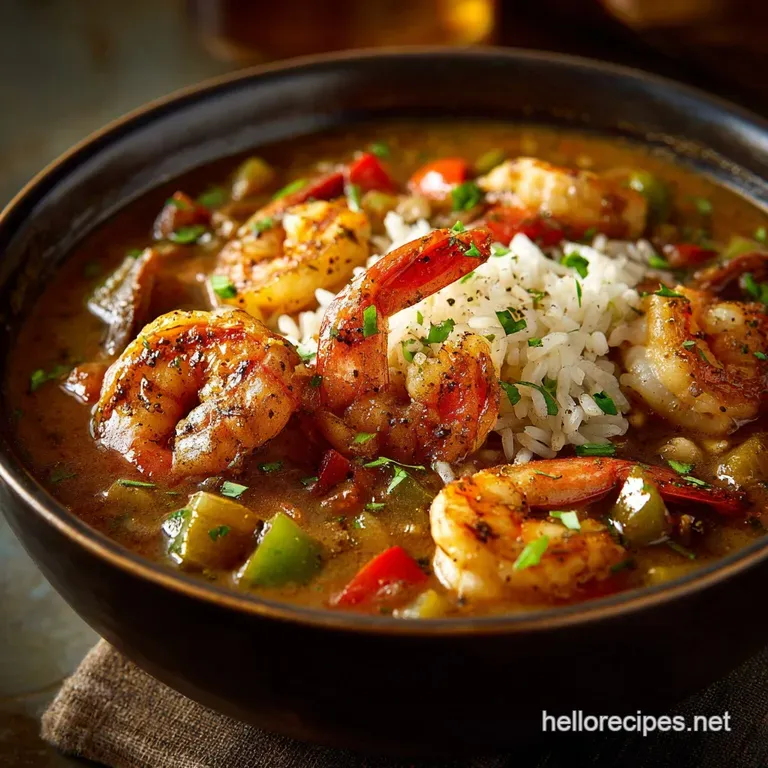
- The Black Gold Standard: Authentic New Orleans Gumbo Defined
- Engineering the Flavor Base: The Maillard Reaction and Gumbo Science
- Gathering Your Arsenal: Essential Ingredients for the Best New Orleans Gumbo
- Crafting the Masterpiece: Step-by-Step Guide to Chicken and Smoked Sausage Gumbo
- Troubleshooting and Advanced Techniques: Secrets from a Louisiana Kitchen
- Making Gumbo Ahead: Storage, Freezing, and Reheating Best Practices
- What to Serve Alongside Your Authentic New Orleans Gumbo
- Recipe FAQs: New Orleans Gumbo
- 📝 Recipe Card
The Black Gold Standard: Authentic New Orleans Gumbo Defined
Gumbo isn’t just a dish; it’s an atmosphere, a warm, smoky cloud that promises comfort and complexity the minute the roux starts cooking. Seriously, that deep, nutty aroma, mingled with the crisp sweetness of sautéed peppers and celery, will fill your whole house and make the neighbors jealous.
It's truly brilliant.
I know what you're thinking Gumbo is difficult and takes all day, right? Nope. While it demands attention for the first hour, the ingredients are humble, the steps are predictable, and the resulting stew is hearty enough to feed an army without breaking the bank.
Once you nail the roux, the rest of this Louisiana culinary hug is just a glorious simmer.
We're not cutting corners here, we’re doing the definitive classic: smoky, savory Chicken and Andouille Sausage Gumbo built on a mahogany base. This is the recipe I fought with, burned, cried over, and finally perfected, so grab your Dutch oven, and let’s get cooking.
Engineering the Flavor Base: The Maillard Reaction and Gumbo Science
The History of Gumbo: A Louisiana Culinary Hug
Gumbo is the ultimate melting pot, reflecting centuries of history right in the bowl. It brings together West African okra, French roux technique, Spanish seasoning, and Native American filé powder, creating something wholly unique.
When you stir this pot, you’re connecting with generations of Louisiana cooks who perfected this dish.
Why the Deep Mahogany Roux is Non-Negotiable
The roux a cooked mixture of flour and fat is the foundation of flavor, not just a thickener. We aren't stopping at blonde or peanut butter brown; we are going for deep, dark, chocolate mahogany .
This color indicates that the flour’s starch has been fully cooked out, removing that pasty flavor and replacing it with a profound, nutty, earthy depth that defines true New Orleans Gumbo. If it’s not dark, it's not Gumbo.
Achieving Perfect Texture Without Thickening Agents
A successful gumbo should coat a spoon beautifully, but it should still be pourable it's a soup/stew hybrid. Our deep, slow cooked roux provides the bulk of the thickening, meaning we don’t need cornstarch or flour added later.
The long simmer, where the chicken and vegetables break down slightly, naturally emulsifies the fats and thickens the broth just right.
Balancing the Holy Trinity of Aromatics
The Holy Trinity onion, celery, and bell pepper is non-negotiable in Cajun and Creole cooking. We use a generous amount of this trio to balance the smoky richness of the sausage and the fat in the roux. The real trick? Use the onions first, immediately after the roux is ready.
This essential burst of moisture dramatically lowers the temperature, stopping the roux from burning in those final, critical seconds.
The Secret to Layered, Long Simmered Flavor
This gumbo tastes complex because we build flavor in stages. We start by rendering the spicy sausage, creating a smoky fat base for the roux. Then, we bloom the dry spices (paprika, cayenne, thyme) in that fat before the liquid hits.
This technique ensures that every layer, from the seasoning to the broth, contributes to the final depth.
Gathering Your Arsenal: Essential Ingredients for the Best New Orleans Gumbo
I cannot stress enough that the quality of your ingredients, especially the sausage, makes a difference here. Don't skimp.
Choosing the Right Smoked Sausage (And Why It Matters)
Andouille is the traditional choice, and it packs a serious, smoky punch. If you can find proper Louisiana Andouille, grab it. It stands up to the long simmer without dissolving and lends that irreplaceable smoky depth to the oil needed for the roux.
Chef's Note: If you want a truly authentic flavor profile, look for smoked sausage that lists pork and fat as the first ingredients, and ensure it's heavily smoked, not just flavored.
Preparing the Chicken Thighs for Maximum Flavor
We are using boneless, skinless chicken thighs, and this is a non-negotiable rule, my friends. Chicken breast will dry out completely during the 90 minute simmer required for the gumbo flavor to fully develop. Thighs stay tender, moist, and delicious, absorbing all that gorgeous smoky broth.
Cube them into uniform 1 inch pieces.
Mastering the Blend of Seasonings and Herbs
We rely on classic dried herbs here: thyme and oregano. We also use smoked paprika for a deeper colour and cayenne for a measured kick. Skip the Italian seasoning blend and keep these spices separate for maximum control. Salt, of course, is added throughout, not just at the end.
| Ingredient | Viable Substitution | Why it works |
|---|---|---|
| Andouille Sausage | Smoked Polish Kielbasa or Portuguese Linguica | Provides necessary smoke and structure. |
| Chicken Thighs | Smoked Turkey Leg Meat (chopped) | Maintains moisture and adds another smoky layer. |
| Vegetable Oil (Roux) | Lard or Rendered Bacon Fat | Adds richness and high smoke point, though lard requires extra stirring to prevent burning. |
| Chicken Stock | Vegetable Stock + 1 tsp Worcestershire Sauce | Provides savory depth if you need a non-chicken liquid. |
Shopping List and Prep Timeline
Seriously, practice mise en place here (having everything ready). The 30 minutes you spend on the roux is too critical to be interrupted by chopping celery. Get everything diced, measured, and set up before you even turn on the burner.
Crafting the Masterpiece: step-by-step Guide to Chicken and Smoked Sausage Gumbo
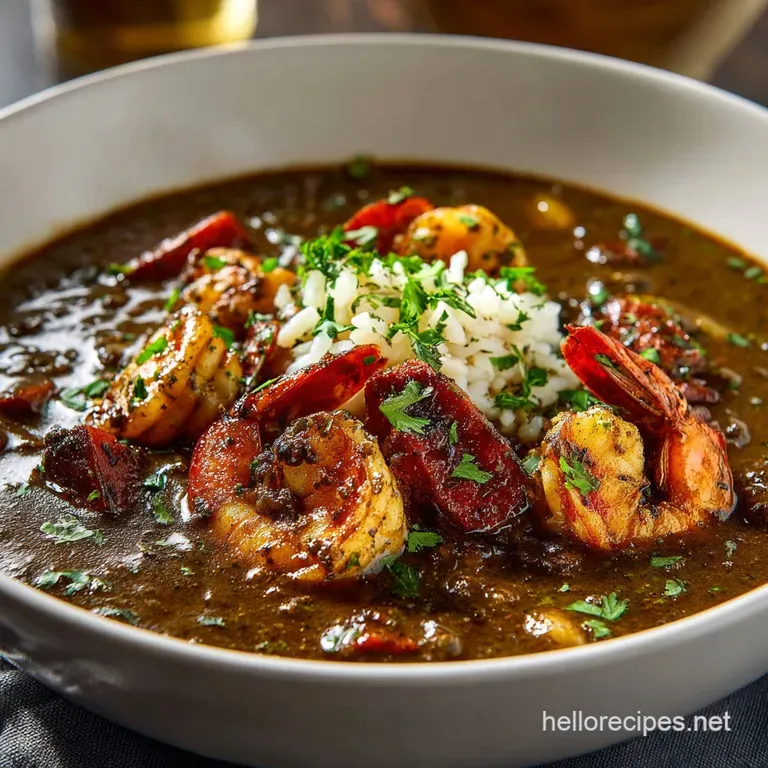
Stage 1: The Critical 30 Minutes of Dark Roux Development
- Render the Sausage: Heat your heavy bottomed Dutch oven over medium heat. Add the sliced Andouille sausage and cook until deeply browned and about 1/4 cup of fat has rendered out (about 7 minutes). Remove the sausage and set it aside, leaving the fat.
- Start the Roux Base: If you need more fat to total 1 cup, add the vegetable oil now. Whisk in the flour until smooth. It will look like a golden batter.
- Cook the Roux (The Marathon): Reduce the heat to medium low. This step demands attention— DO NOT WALK AWAY . Stir constantly with a wooden spoon, scraping the bottom edges. After about 15 minutes, it will look peanut butter coloured. Keep going.
- Achieve Mahogany: Continue stirring until it reaches the shade of dark melted chocolate (30– 45 minutes total). It should smell deep and nutty.
Stage 2: Integrating the Holy Trinity and Protein
- Shock the Roux: Once the ideal dark colour is reached, immediately dump in all the diced onion. Stir rapidly; the moisture will hiss and bubble, cooling the roux and preventing a burn.
- Sauté the Trinity: Add the celery and bell pepper. Sauté this "Holy Trinity" until softened but still holding shape (about 7 minutes). Add the minced garlic, paprika, thyme, oregano, and cayenne. Cook for 1 minute until fragrant.
- Deglaze and Add Meat: Pour in the stock gradually, whisking as you go to ensure the roux dissolves without lumps. Add the cubed chicken thighs, the reserved smoked sausage, and the bay leaves.
Stage 3: The Long Simmer and Flavor Marriage
- The Simmer: Bring the gumbo to a gentle simmer, reduce the heat to the lowest setting, and partially cover the pot. Simmer for at least 1 hour, or preferably 90 minutes. This is where the magic happens and the flavors become one cohesive unit.
- Check the Chicken: After 90 minutes, the chicken should be meltingly tender. If it’s tough, keep simmering.
Stage 4: Serving and Final Adjustments
- Final Seasoning: Remove the bay leaves. Taste the broth. This is where you add the final salt and pepper needed to make the flavors truly pop. You need more salt than you think you do!
- Serve: Ladle the gumbo over fluffy white rice. Garnish with fresh parsley. Offer Gumbo Filé powder at the table it adds a slightly earthy texture and should be stirred in by each diner, never added to the whole pot while cooking.
Troubleshooting and Advanced Techniques: Secrets from a Louisiana Kitchen
How to Rescue a Scorched Roux
This is a tough one, honestly. If you see tiny black specks and smell a harsh, acrid, burnt popcorn smell, the roux is dead. You must start over. A scorched roux will taint the entire dish with bitterness, and no amount of seasoning can save it. I know it’s frustrating I once burned a 40 minute roux because I tried to multitask and look up my Foolproof New York Cheesecake Cupcakes Recipe at the same time. Never again.
Achieving the Ideal Gumbo Consistency (The 'Spoon Test')
Gumbo should not be watery, but it should also not be paste thick like gravy. When you lift a spoonful, the liquid should coat the back of the spoon lightly and drip off slowly. If it's too thick, simply add a bit more stock or water and bring it back to a low simmer.
The Critical Importance of Tasting Throughout the Simmer
Seasoning in layers is essential for depth. You should lightly season the chicken, the vegetables (Trinity), and the final broth. If you wait until the end to add salt, the flavor will taste flat, even if it has enough spice. Taste every 30 minutes!
Avoiding Overcooked Chicken in the Stew
The key here is using chicken thighs, as we discussed. If you use breasts, they will be shredded and dry after 90 minutes. If you are extremely worried about the thighs breaking down, you can add them (cubed) only during the last 30 minutes of the simmer, but I find the flavor infusion is much better when they cook from the start.
Making Gumbo Ahead: Storage, Freezing, and Reheating Best Practices
Can You Freeze Gumbo? (A Definitive Answer)
Yes! Gumbo freezes beautifully, which is why I often double the batch. Let the gumbo cool completely before transferring it to freezer safe, airtight containers. Leave about an inch of headspace, as the liquid will expand slightly. It lasts perfectly for up to 3 months.
Day-Two Gumbo: Storing for Peak Flavor
Store leftover gumbo in the fridge for 3 to 4 days. You’ll notice the flavors deepen overnight, making day-two gumbo highly coveted the spices have fully married! When reheating, always do it low and slow on the stovetop.
Avoid the microwave if possible, as it can cause the oil and stock to separate unevenly.
What to Serve Alongside Your Authentic New Orleans Gumbo
The standard accompaniment is long grain white rice, served hot, allowing it to soak up the rich, dark broth. Don't be shy about hot sauce, either; Crystal or Tabasco is traditional.
For a cool, bright contrast, a simple side salad with a bright vinaigrette is perfect. And after this rich, savory experience, you'll need something sweet and creamy to cleanse the palate. Trust me, the sheer contrast of deep smoke and tangy sweetness is everything. Maybe try my recipe for the Ultimate CrackFree cheesecak New York Style Perfection . It's the perfect way to finish a massive meal.
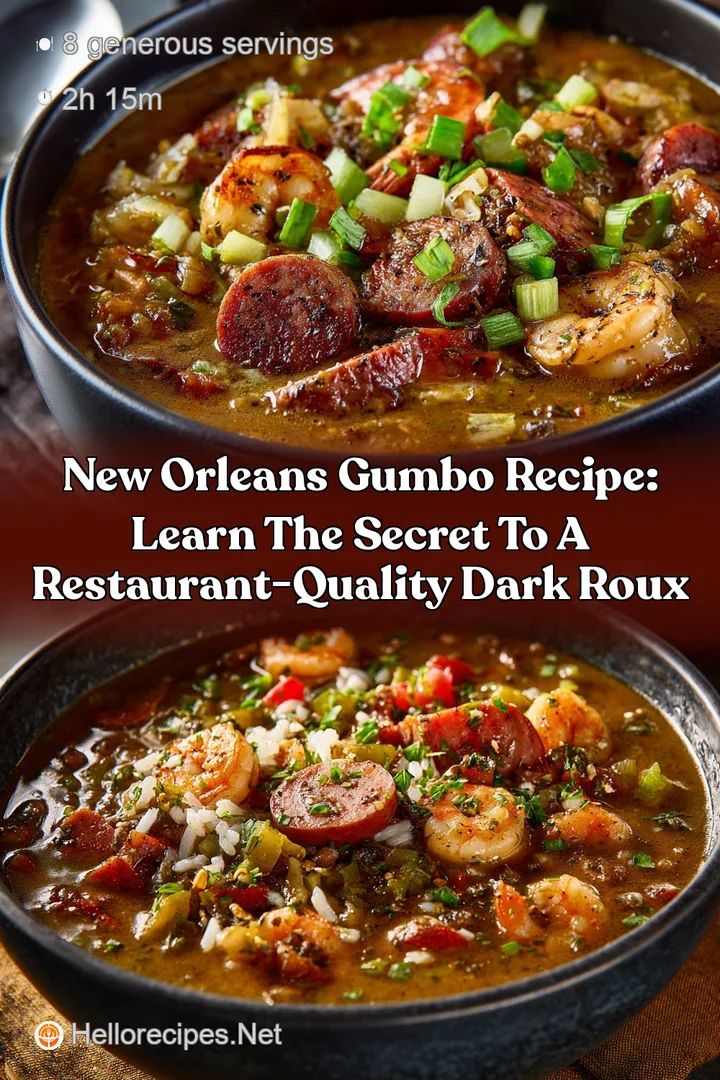
Recipe FAQs: New Orleans Gumbo
Why did my dark roux burn or turn grey instead of a rich, chocolate brown?
A roux requires constant attention and controlled heat; burning occurs when the heat is too high or if you stop stirring, causing the solids to scorch. If the roux develops black specks or smells sharply acrid, it is burnt and must be discarded, as that flavor will permeate and ruin the entire gumbo.
Always stir continuously and drop the heat if the browning accelerates too quickly.
My gumbo seems too thin after simmering. How can I thicken it without adding more flour?
Gumbo should have a stew like consistency, not a thick gravy. If it is too watery, simply simmer it uncovered for an additional 30 to 45 minutes to allow the liquid to reduce and concentrate the flavor.
Alternatively, you can incorporate a small amount of filé powder (ground sassafras leaves) just before serving, which acts as a traditional thickener, but never boil gumbo once filé has been added.
Can I prepare the roux in advance to save time on cooking day?
Yes, preparing the roux ahead is an excellent time saving strategy, especially since the dark roux requires up to 45 minutes of active cooking. Once cooled, store the roux in an airtight container at room temperature; it will firm up into a paste and remain shelf stable for several weeks.
When ready to cook, simply scoop the required amount into your pot and heat gently before adding the vegetables.
I don't have bell peppers. Can I omit an ingredient from the Holy Trinity?
The Holy Trinity (onion, celery, and bell pepper) provides the essential aromatic foundation for New Orleans cuisine and should ideally not be omitted. If necessary, you can skip the bell pepper, but the gumbo will lack some depth and a crucial savory sweetness.
Do not omit the onion or celery, as they are non-negotiable for traditional gumbo flavor.
What is the correct way to incorporate seafood, such as shrimp, into this chicken and sausage recipe?
If you wish to make a mixed seafood gumbo, you should add the shrimp and other quick cooking seafood (like crab or oysters) only during the last 5 to 10 minutes of simmering. This prevents the seafood from becoming tough and rubbery due to overcooking.
Note that adding fresh seafood will release more liquid, so be mindful of your overall gumbo consistency.
What is the best method for storing and freezing leftover gumbo?
Gumbo is an excellent candidate for freezing and often tastes better the next day. Cool the gumbo quickly and then portion it into freezer safe, airtight containers, leaving about an inch of headspace for expansion.
It will safely keep in the freezer for up to three months, and should always be reheated gently on the stovetop to maintain its rich texture.
What are the proper accompaniments and garnishes for serving classic gumbo?
Gumbo is traditionally served over a generous mound of separately cooked white rice, which helps soak up the savory broth. Crucial garnishes include freshly chopped green onions, and always place a bottle of good Louisiana hot sauce (like Tabasco or Crystal) on the table so each diner can adjust the heat to their preference.
Classic New Orleans Gumbo Recipe
Ingredients:
Instructions:
Nutrition Facts:
| Calories | 365 kcal |
|---|---|
| Protein | 13.6 g |
| Fat | 11.3 g |
| Carbs | 46.1 g |
