The Only New England Clam Chowder Recipe Youll Ever Need a True Boston Classic

- The Soul of the Northeast: Why This New England Clam Chowder Reigns Supreme
- Demystifying the Chowder Debate: Cream vs. Broth
- Sourcing Superior Seafood: Choosing Your Clams Wisely
- Phase One: Rendering Fat and Building the Flavor Backbone
- The Simmer Strategy: Cooking Vegetables to Tender Perfection
- Achieving the Signature Thickness: Thickening Techniques That Never Fail
- Beyond the Bowl: Serving Suggestions and Garnishes
- Troubleshooting and Storing Your Leftover Chowder Glory
- Recipe FAQs
- 📝 Recipe Card
The Soul of the Northeast: Why This New England Clam Chowder Reigns Supreme
There are certain dishes that transcend mere sustenance; they become embodiments of region, season, and memory. New England Clam Chowder sits proudly in this elite category. More than just a soup, this creamy confection is the culinary handshake of coastal Maine, Massachusetts, and Rhode Island.
It demands reverence, not just for its comforting warmth, but for the rich tradition it represents. When executed correctly, our Classic New England Clam Chowder is an alchemy of salty ocean essence, smoky pork fat, and velvety dairy, proving why it is universally hailed as the pinnacle of American comfort food.
Forget thin, soupy imitations; we are aiming for a density that clings beautifully to a spoon.
Demystifying the Chowder Debate: Cream vs. Broth
The great regional chowder rivalry centers almost entirely on one divisive ingredient: tomato. For those unfamiliar with the nuances, understanding the distinction between styles is crucial before embarking on this journey.
A Culinary Hug from Coastal Maine
When we discuss true, authentic New England Clam Chowder , we are firmly planting our flag in the territory of cream and dairy. This style is historically rich, designed to be hearty enough to sustain a fisherman through a cold Atlantic morning. It is thick, opaque, and deeply satisfying.
This preparation method contrasts starkly with its bright red, tomato based cousin from the south the Manhattan style.
What Sets Our Velvety Base Apart from Imitators
The defining characteristic of the Best Clam Chowder Recipe is its luxurious mouthfeel. We achieve this signature texture not by adding heavy cream straight into boiling liquid, which risks curdling, but through the careful construction of a roux a cooked paste of fat and flour.
This technique ensures that the flour is fully hydrated and cooked, providing stability and a silky finish to the final product. The goal is smooth viscosity, never a gluey texture, which speaks directly to the care taken during the thickening phase.
The Essential Role of Smoked Pork in True Chowder Flavor
Before a single potato hits the pot, the foundation must be laid with fat that sings of the sea and smoke. In traditional recipes, salt pork was the standard, but today, thick cut, smoked bacon renders the perfect amount of savory fat necessary to sauté our aromatics.
This rendered pork fat is the invisible bedrock upon which the entire flavor profile of our Homemade New England Clam Chowder Recipe is built, lending a salty depth that cannot be replicated with simple oil or butter alone.
Sourcing Superior Seafood: Choosing Your Clams Wisely
The star of any Seafood Clam Chowder is, naturally, the clams themselves. Success hinges on balancing intense clam flavor with the richness of the broth.
Fresh Quahogs vs. Canned: The Non-Negotiable Choice
For maximum convenience and reliable flavor, this recipe leans on high-quality canned clams. We will utilize two 6.5-ounce cans of chopped clams, but critically, we must reserve every drop of the canning liquid that precious clam liquor is indispensable for authentic flavor.
If fresh are available, use 2 lbs of whole quahogs, steam them open, chop the meat, and reserve their natural liquor to replace some of the commercial clam juice.
Selecting the Perfect Starchy Counterpart: Potato Varieties That Hold Up
Potatoes serve two functions here: providing substance and subtly helping to thicken the broth as their starches release during the simmer. You need a variety that softens nicely without completely disintegrating into mush.
Yukon Gold potatoes are the ideal choice; they offer a creamy texture when cooked but maintain enough integrity to hold their 1/2 inch cube shape throughout the process. Russets, conversely, tend to dissolve too readily, potentially leading to an overly pasty result.
Mastering the Aromatics: Onions, Celery, and Their Mirthful Marriage
The holy trinity of mirepoix begins here with finely diced yellow onions and celery stalks. These aromatics must be gently sweated in the rendered bacon fat until translucent and tender.
This slow, gentle process coaxes out their natural sugars and deepens their flavour subtly, ensuring they integrate seamlessly into the creamy background rather than offering sharp, raw notes.
Tools of the Trade: Essential Gear for Perfect Consistency
Because temperature control and smooth incorporation are paramount when creating that velvety mouthfeel, a large, heavy bottomed Dutch oven is your best friend. This heavy base ensures even heat distribution, preventing scorching at the bottom, which is crucial when working with milk and cream mixtures.
A reliable whisk is also non-negotiable for breaking up any lumps when introducing the stock to the roux.
Phase One: Rendering Fat and Building the Flavor Backbone
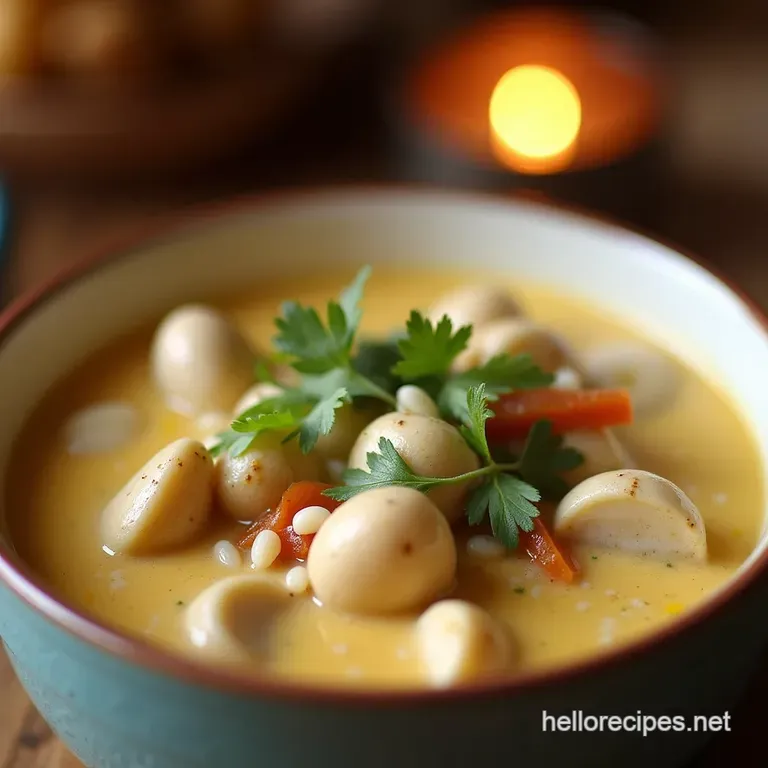
The initial cooking phase is all about extraction. We begin by introducing 6 ounces of diced, thick cut smoked bacon to the cold Dutch oven. Over medium heat, we allow the fat to slowly render out, coaxing maximum flavour from the pork until the lardons are crisp.
Using a slotted spoon, these crispy jewels are carefully removed and set aside they will return as a glorious garnish later. The remaining 3 tablespoons of rendered fat (supplemented with 3 tablespoons of unsalted butter, if necessary, to ensure enough volume) becomes the canvas for the next step.
Related Recipes Worth Trying
- Best Homemade New England Clam Chowder Recipe Creamy Rich — Forget watery soup This homemade clam chowder recipe creates a rich velvety New England style soup perfect for blustery days Get the foolproof technique now
- The Definitive Homemade New England Clam Chowder Recipe — Tired of thin soup This recipe delivers truly authentic rich and creamy New England Clam Chowder perfectly thick and packed with flavour Get the Best...
- Ultimate CrackFree cheesecak New York Style Perfection — Bake the perfect New York style cheesecak This recipe guarantees a rich creamy crackfree dessert every time Its easier than you think Get the recipe now
The Simmer Strategy: Cooking Vegetables to Tender Perfection
Into the warm fat and butter go the finely diced onions and celery. We let these sweat gently for about 6 to 8 minutes, stirring often. The key here is sweating , not browning; we want sweet softness, not caramelized bitterness.
Once these vegetables have softened completely, they are pushed to the side of the pot to make way for our thickening agent.
Achieving the Signature Thickness: Thickening Techniques That Never Fail
This step transforms simple liquid into a substantial chowder.
Sweating the Mirepoix: Unlocking Depth Without Browning
As mentioned, ensuring the onions and celery are translucent unlocks crucial depth. This gentle cooking ensures that when the liquid is added, those foundational flavours are immediately present and welcoming, not harsh or aggressively vegetal.
Crisping the Bacon (or Salt Pork) for Maximum Impact
The removal of the crisp bacon is vital because cooking flour directly in rendered fat (the roux) requires that fat to be pure. If you add the flour while the bacon bits are still sizzling, they can burn or stick, leading to a speckled, uneven roux. Removing them guarantees a clean, white base for our thickening agent.
The Great Incorporation: Folding in Dairy and Clams at the Right Temperature
Once the roux is cooked for two minutes, we must introduce the liquids 2 cups of clam juice and 1 cup of water or light stock gradually, whisking vigorously to eliminate any lumps.
After the potatoes have softened perfectly (about 15- 20 minutes of simmering), we reduce the heat to its lowest setting before stirring in the 1.5 cups of heavy cream and the reserved 1 cup of clam liquid. This gradual warming prevents the cream from separating.
Finally, the drained, chopped clams are added, warmed through for just 5 minutes. Boiling after the cream is added is the cardinal sin of chowder making!
Final Seasoning Check: Balancing Salt and Pepper for Authentic New England Clam Chowder
Because we utilized canned ingredients which inherently carry salinity, tasting before adding salt is mandatory. We season generously with a full teaspoon of freshly ground black pepper and perhaps a half teaspoon of dried thyme at the beginning.
The final taste test determines if the natural saltiness of the sea, amplified by the bacon, is sufficient. For a truly balanced New England Clam Chowder Recipe , the salt should enhance, not dominate.
Beyond the Bowl: Serving Suggestions and Garnishes
Ladle this substantial, hot chowder into deep bowls. The presentation should reflect the richness within. Garnish is not optional; it’s essential. Sprinkle each serving generously with the reserved, crispy bacon bits for textural contrast, and finish with a shower of freshly chopped flat leaf parsley for a hint of necessary freshness.
Troubleshooting and Storing Your Leftover Chowder Glory
Even the most seasoned cooks can run into minor snags, but thankfully, most issues with this Fresh Clam Chowder Recipe are easily corrected.
Pairing Perfection: What Beverages Complement Rich Chowder?
The richness of this creamy base pairs wonderfully with beverages that offer acidity or sharp cleansing qualities. A dry Sauvignon Blanc cuts beautifully through the fat, while for beer drinkers, a crisp, slightly bitter American Lager complements the saltiness without overpowering the delicate clam notes.
The Overnight Upgrade: Why Day-Two Chowder Tastes Better
It is a widely held truth among chowder enthusiasts that this Seafood Clam Chowder improves overnight. As the dish cools and rests, the potato starches fully integrate with the fats and liquids, creating an even more cohesive and luxurious texture, and the clam flavors have more time to deepen and meld.
Reheat very gently on the stovetop.
Can This Creamy Masterpiece Be Frozen Safely?
While we encourage immediate consumption, freezing is possible, though with a caveat. Dairy based soups can sometimes separate upon thawing. To mitigate this, ensure you freeze in smaller portions and thaw slowly in the refrigerator.
Upon reheating, you may need to whisk vigorously or blend a small portion of the chowder and stir it back in to re-emulsify the cream base.
Variations on a Theme: Adding Spice or Seafood Twists to Your Batch
For those who find the traditional profile too reserved, small additions can elevate the experience. Stirring in a dash of Worcestershire sauce or a few drops of high-quality hot sauce (like Tabasco) right before serving adds a welcome acidic kick.
If you desire more seafood presence, gently fold in cooked shrimp or crab meat during the final five minutes of warming just ensure they don't overcook! Mastering How To Make New England Clam Chowder opens the door to these delightful, personalized tweaks.

Recipe FAQs
Why is my New England Clam Chowder not thick enough, or why did it turn out gloopy?
This usually comes down to the roux or the potatoes. If it’s too thin, you likely didn't cook the flour and fat mixture (the roux) long enough, or you need to let it simmer gently to allow the starch to fully hydrate.
If it's gloopy, you might have overcooked the potatoes, causing them to break down too much and release excess starch next time, ensure potatoes are just fork tender.
Can I make this creamy chowder ahead of time, and how should I store leftovers?
Yes, chowder often tastes even better the next day once the flavours have melded! Store cooled leftovers in an airtight container in the fridge for up to 3 days. When reheating, use a very low heat and stir constantly; do not let it boil, especially after the cream is added, or the texture may separate.
What’s the secret to getting that authentic, deep clam flavour without using fresh clams?
The secret is in the liquid! Make sure you use the reserved clam juice from the canned clams; this liquid is packed with flavour that plain stock just can't replicate. Also, sautéing the aromatics (onion/celery) in the bacon fat ensures that smoky base permeates everything from the start.
Help! My cream split/curdled when I heated it up what went wrong with my New England Clam Chowder?
Ah, the dreaded ‘broken’ cream! This happens when the temperature rises too high after the dairy has been added; a rolling boil is the enemy of cream in soups. Always reduce the heat to the lowest setting once the heavy cream goes in and only heat until it's steaming hot, never boiling vigorously.
I can't find salt pork; what's the best substitute for the bacon when making this classic recipe?
If you can't source salt pork, stick with thick cut, good quality smoked bacon as the recipe suggests; it provides that essential salty, fatty foundation. If you need a replacement for the fat component entirely, you can use unsalted butter, but you’ll miss out on some of the necessary smoky depth.
Classic New England Chowder
Ingredients:
Instructions:
Nutrition Facts:
| Calories | 500kcal |
|---|---|
| Fat | 30g |
| Fiber | 2g |
