The Cement Mixer Drink: Easy Viscous Shot Recipe
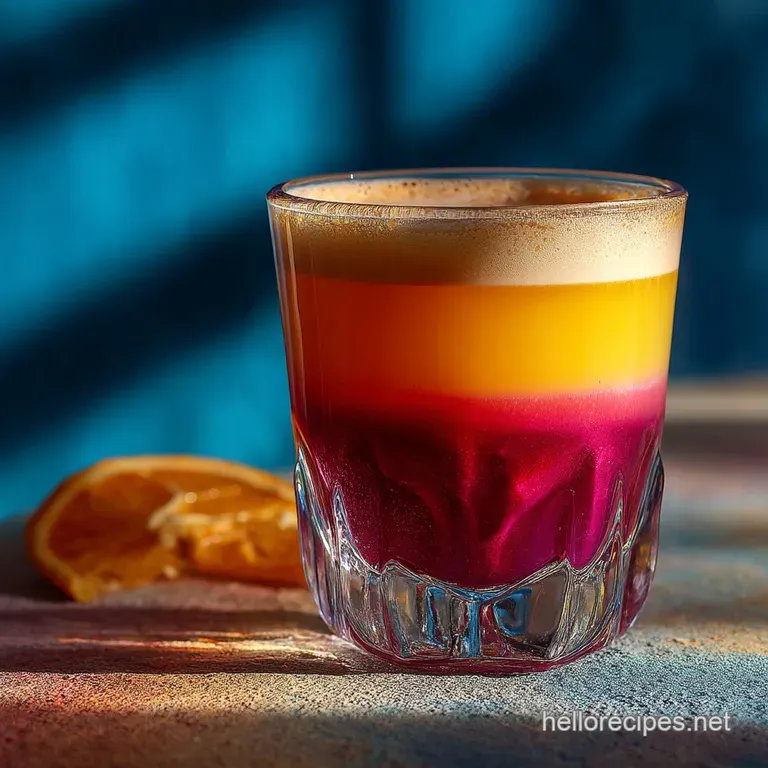
- The Legendary Cement Mixer Shot: More of a Dare Than a Drink
- Essential Components for the Perfect Viscous Volume
- Executing the Mix: Step-by-Step Instructions for the Ultimate Shot
- The Curdled Chemistry of the Cement Mixer: Viscosity Explained
- Troubleshooting the Texture: Advanced Tips for the Cement Mixer Novice
- Pre-Batching and Component Storage: Keeping Your Ingredients Fresh
- When and Where to Serve This Victorian Novelty
- Recipe FAQs
- 📝 Recipe Card
The Legendary Cement Mixer Shot: More of a Dare Than a Drink
The texture is the entire point, isn't it? It starts off cool and creamy, then, within seconds, it transforms into this thick, almost sludgy viscosity that coats your entire mouth.
If you’ve heard the whispers or seen the horrified faces, you know exactly what I’m talking about: the famous cement mixer drink . It's brilliant chemistry, slightly painful novelty, and 100% unforgettable.
This isn’t a recipe you sip slowly on a quiet Tuesday evening; this is the quick, cheap, and spectacular secret weapon you deploy when you need a party to truly kick off. It requires only two ingredients, and the shock factor alone guarantees laughs (and perhaps a few grimaces). It’s perfect when you need a high impact beverage that requires zero finesse, unlike, say, perfecting the ratios for a Colorado Bulldog Drink: Creamy Coffee Cocktail Recipe .
Ready to embrace the gooey, citrusy challenge? I’ve run this experiment countless times, refining the ratios and cooling techniques to give you the fastest, best, and most impressively curdled cement mixer drink possible.
Trust me, you want the science to work exactly right when that creamy liqueur hits the lime.
The Victorian Origin Story of the Viscous Shot
While it feels intensely modern, like something concocted by college students, the reaction behind the cement mixer drink relies on a very old chemical principle. Think of it as a low-budget, high octane twist on milk curdling.
We aren't making cheese, thank goodness, but we are deliberately causing the dairy proteins in cream liqueur to rapidly denature and clump up. It’s an immediate, shocking transformation that only works if you commit fully to the process.
Why This Cement Mixer Drink Remains a Party Classic
It’s simple: few novelty shots deliver such an immediate, visceral reaction. You don’t need a complicated shaker or obscure bitters. You only need the cold components and a friend brave enough to accept the challenge.
The resulting mouthful is thick and heavy, genuinely resembling unset concrete, which is why the name "cement mixer" stuck. This specific cement mixer drink recipe ensures the reaction is rapid and complete.
What Texture to Expect (And Why It’s Famous)
If done correctly, you will feel a dramatic textural shift in your mouth almost immediately after combining the liquids. It moves from smooth, thin liquids to a dense, chunky sludge almost like cottage cheese mixed with plaster.
The key is that the acidic lime juice instantly attacks the fat and casein proteins in the Irish cream. This curdling action is the whole reason we bother making the cement mixer drink in the first place. Embrace the thickness; it means the chemistry worked perfectly.
Essential Components for the Perfect Viscous Volume
Success in making the perfect cement mixer drink relies entirely on using high-quality, cold components and the right ratio of acid to fat. Don’t skimp on freshness here. You’ll thank me later.
The Dairy Factor: Choosing Your Cream Liqueur Base
Irish cream liqueur is the classic choice, and for good reason it has the perfect fat and sugar content to react dramatically with citrus acid. You want something with a recognizable dairy base, not just a highly flavored spirit.
I always recommend keeping the bottle in the fridge permanently if you know a dare might spring up unexpectedly.
Chef’s Note: If you cannot tolerate dairy, substituting with a coconut cream based liqueur (like certain Coquitos or vegan Baileys alternatives) will yield a similar, though usually slightly less aggressively chunky, textural shift.
| Ingredient | The Standard Choice | Viable Substitution |
|---|---|---|
| Cream Liqueur | Irish Cream Liqueur (e.g., Baileys) | Kahlua Cream Liqueur, Coquito (for dairy-free) |
| Acid | Freshly Squeezed Lime Juice | Freshly Squeezed Lemon Juice |
Acid Test: Fresh Lime Juice vs. Bottled Substitutes
Do not, under any circumstances, use that old plastic lemon or lime juice squeeze bottle you found at the back of the pantry. Bottled juices often have preservatives or slightly weaker acidity than fresh juice, which can delay the reaction.
The beauty of the cement mixer drink is the immediate curdling. You need the full, sharp shock of freshly squeezed lime juice to achieve that instant, thick texture.
Adjusting Ratios for Maximum Curdling Effect
The traditional ratio is 2 parts Cream Liqueur to 1 part Lime Juice (or 1.5 oz cream to 0.75 oz lime). Why this specific ratio? You need enough cream to provide sufficient proteins for curdling, but you need a high enough concentration of acid to trigger that massive, immediate reaction.
If you use too much cream, the reaction is slow and patchy. If you use too much lime, it’s just excessively tart without achieving the optimal thickness of the cement mixer drink .
Executing the Mix: step-by-step Instructions for the Ultimate Shot
This is where technique truly matters. Remember: speed and coldness are your only allies here.
The Layering Technique: Pouring for Immediate Effect
First, ensure both liquids are ice cold. Pour the measured lime juice into a standard shot glass. Set aside the cream liqueur in its own separate measuring cup or shot glass. The key difference here is that you mix it in the mouth.
Don't pre-mix it in the glass unless you want a visual display of sludge before consumption, which slightly ruins the surprise element of the cement mixer drink .
The 'Shake and Swirl' Method (The Quickest Cure)
This method ensures the most dramatic and rapid curdling process. First, down the lime juice, letting it coat your tongue and cheeks. Do not swallow it yet. Immediately chase it with the Irish cream liqueur.
Slam your mouth shut and start shaking your head vigorously, utilizing your cheeks and tongue to swirl the two ingredients together. You will feel the texture change it's like mixing a thick milkshake that suddenly solidifies.
The Consumption Challenge: Optimal Technique for Taking the Shot
Once the swirling starts, you have about three to five seconds before the texture becomes truly unbearable. You must swallow swiftly, committing completely. Hesitation is your enemy.
If you wait too long, the texture becomes gritty and separates slightly, which is significantly less pleasant than the instantaneous, uniform thickness of a proper cement mixer drink .
My worst mistake was waiting too long because I got distracted laughing at a friend; the resulting granular texture was… well, I won’t do that again.
The Curdled Chemistry of the Cement Mixer: Viscosity Explained
It is fascinating to think that such a simple, two-ingredient concoction can cause such a chemical spectacle! The proteins in the dairy mainly casein are suspended evenly throughout the creamy liqueur.
When the high concentration of citric acid in the lime juice hits the cream, the acid lowers the pH drastically. This acidic shock denatures the proteins, causing them to unfold and stick together rapidly.
That sticking together is the curdling process, resulting in the characteristic viscosity of the cement mixer drink .
Troubleshooting the Texture: Advanced Tips for the Cement Mixer Novice
If your cement mixer drink is coming out too thin, or worse, just tasting like sour cream, here are the likely culprits. We need maximum clumping action, right?
- Temperature is Everything: Warm liquids curdle slower and taste far worse. If your cream liqueur has been sitting on the counter, put it back in the freezer for 15 minutes.
- Weak Acid: If you used bottled lime juice, or if your fresh limes were a little dry, the acidity might not be high enough. Add a tiny splash more acid next time to ensure the casein proteins get the shock they deserve.
- Too Slow: Seriously, you need to be lightning fast. If you take a sip of the lime, set the glass down, tell a story, and then grab the cream, the reaction will be messy and separated. You need a simultaneous delivery for the ultimate cement mixer drink experience.
Pre-Batching and Component Storage: Keeping Your Ingredients Fresh
Can you pre-batch the cement mixer drink ? Absolutely not! The entire point is the immediate in-mouth reaction. If you mix the components ahead of time, it will immediately curdle into an unappetizing sludge in the glass, and it will separate into liquid and chunks within minutes.
Storage is only for the individual components:
- Cream Liqueur: Store in the fridge (recommended) or a cool, dark place, but chill for at least an hour before serving the cement mixer drink .
- Lime Juice: Juice the limes right before the party and keep the juice in a sealed, airtight container in the fridge for up to 24 hours. Freshness is key for maximum acidity.
When and Where to Serve This Victorian Novelty
The cement mixer drink is pure theatrics, making it perfect for bachelor/bachelorette parties, raucous birthday celebrations, or anytime you need a quick, aggressive palate shock. It’s definitely not appropriate for a refined holiday gathering where you might be serving something lighter, like the Apple Pomegranate Sparkling Thanksgiving Mocktail: Easy Holiday Drink . Save this one for the friends who appreciate a true dare.
The Scientific Reaction: How Acid Attacks Cream Liqueur Proteins
We talked about casein, but let's get slightly geeky. Casein proteins are normally coiled up, thanks to their environment (the alcohol and slight alkalinity of the cream). Introducing the strong acid disrupts the electric charges on the protein molecules, causing them to straighten out and aggregate.
They literally bond together, forming the dense, chunky matrix that characterizes the successful cement mixer drink .
The Importance of Temperature in the Curdling Process
Temperature controls the rate of the reaction. Warmer liquids allow the chemical reaction to proceed slower, which paradoxically gives the proteins more time to form larger, more solidified clumps that taste worse.
Cold temperatures keep the proteins a bit tighter initially, leading to a faster, smoother (if we can call it smooth!) curdling process and a far less objectionable taste experience when downing the cement mixer drink .
Does Quality of Cream Liqueur Affect the Final Texture?
Yes, absolutely. Cheaper cream liqueurs often have lower fat content or use more synthetic stabilizers. If the cream base is compromised, the curdling effect won't be as dramatic or uniform.
Investing in a standard, reputable Irish cream ensures you get the necessary fat and protein volume for a truly spectacular cement mixer drink .
Preventing Premature Separation (The Speedy Pour)
If you decide to pre-mix the cement mixer drink for visual effect (maybe for a TikTok video, I don't judge!), you must serve it immediately. It takes less than a minute for the watery whey component to begin separating from the solid curds. The true experience, however, remains the in-mouth mix.
Do it fast; do it cold.
Common Mistakes: Incorrect Ratios and Warm Ingredients
As a recap: People fail at the cement mixer drink primarily by messing up the crucial 2:1 ratio (too little acid means slow curds) or by using ingredients that aren't properly chilled.
The third major mistake is simply taking too long to swallow the concoction hesitation always leads to regret!
Boosting the Alcohol Content Safely
If you have friends who require extra oomph (and I won't ask why you’d need more alcohol in a dare shot!), you can slightly boost the spirit content. Add a very small splash (maybe 0.25 oz) of chilled neutral vodka to the cream liqueur before you serve the components.
This increases the ABV without disrupting the fat-to-acid ratio required for the chemical magic of the cement mixer drink to occur. Now go forth and dare!

Recipe FAQs
Why isn't my Cement Mixer curdling properly, or why is the texture too thin?
Curdling requires a strong acid reaction to instantly coagulate the dairy proteins. Ensure your lime juice is fresh and potent, as bottled juice may not be acidic enough to achieve the desired effect quickly.
Also, verify you are using a standard cream liqueur based on dairy; non-dairy alternatives usually contain stabilizers that prevent curdling.
Can I use a different citrus juice, such as lemon or orange juice, instead of lime juice?
While lemon juice is acidic enough to create the reaction, lime juice is traditionally used for its stronger flavor profile and better compatibility with the cream liqueur. Avoid orange juice or similar milder acids, as they are not typically potent enough to achieve the immediate, necessary viscosity.
If you use lemon, ensure it is freshly squeezed.
Should I sip the Cement Mixer, or is it mandatory to shoot it quickly?
This shot must be consumed immediately and quickly. The reaction continues to progress rapidly once the ingredients are mixed, meaning if you try to sip it, the liquid will quickly solidify into a truly unpleasant, solid texture in the glass. The novelty is in the immediate sensation.
Can I use Kahlúa or another non-cream coffee liqueur instead of Baileys or an equivalent?
No, Kahlúa or similar non-cream liqueurs will not work for this recipe as they lack the necessary dairy fat and proteins needed for the acidic reaction. The entire structure of the "Cement Mixer" relies on the instant curdling of dairy. You must use a cream based liqueur.
Is the resulting curdled mixture actually safe to consume?
Yes, the resulting mixture is perfectly safe for immediate consumption. The reaction is a rapid coagulation of milk proteins by acid, similar to how cottage cheese is made, just occurring instantly inside your mouth or glass.
Because of the high alcohol content, bacterial concerns are irrelevant for immediate consumption.
Can I prepare a large batch of the Cement Mixer mixture ahead of time for a party?
Absolutely not. This shot must be prepared and consumed instantly. If you mix a large batch ahead of time, the mixture will solidify within minutes, resulting in a solid, unpourable, and completely unappetizing sludge. Prepare each shot individually right before serving.
What is the best way to clean up the glass after a Cement Mixer shot?
Because the mixture is essentially set dairy, it can dry quickly and stick firmly to the glass. It is best to immediately rinse the glass with very hot water after consumption to prevent the mixture from hardening. Avoid letting the empty glasses sit overnight, as scraping the solidified dairy residue can be difficult.
Cement Mixer Drink Shot Recipe
Ingredients:
Instructions:
Nutrition Facts:
| Calories | 143 kcal |
|---|---|
| Protein | 1.0 g |
| Fat | 6.0 g |
| Carbs | 12.0 g |
