Vegan Cream Cheese: the Cracking Cashew Recipe for a Silken Spread
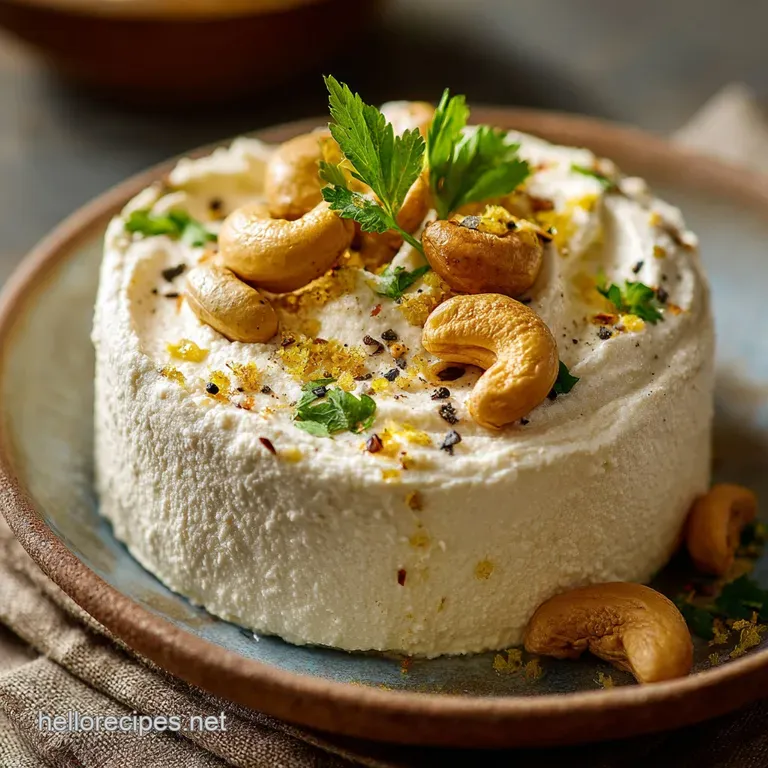
- The Cracking Cashew Cream Cheese: Perfectly Tangy & Silken Smooth
- Unlocking the Secret to Spreadable Cashew Cream Cheese
- The Science Behind the Silken Smooth Vegan Cream Cheese
- Essential Components for Homemade Cashew Cream Cheese
- Mastering the Blend: Step-by-Step Guide to Making Vegan Cream Cheese
- Troubleshooting Your Blend: Chef's Tips for a Flawless Spread
- Maximizing Freshness: Storing Your Homemade Vegan Cream Cheese
- Recipe FAQs
- 📝 Recipe Card
The Cracking Cashew Cream Cheese: Perfectly Tangy & Silken Smooth
That perfect, thick, impossibly creamy spread that makes a Sunday bagel feel like an indulgence? That's what we are chasing here. This homemade vegan cream cheese recipe nails the texture it’s silken smooth, gorgeously spreadable, and holds its shape beautifully.
Forget those gummy, overly synthetic store-bought tubs.
You might think making your own dairy-free cheese is some kind of magic trick, but trust me, it’s mostly just patience and a good blender. Once you factor in the money you save and the sheer smugness of spreading homemade cashew cream cheese, you’ll never look back.
It’s a lifesaver for anyone avoiding dairy but refusing to compromise on breakfast essentials.
Today, we are diving deep into the world of soaked cashews, perfect acidity levels, and why refined coconut oil is your best friend. Get ready to transform humble nuts into the ultimate tangy spread. Let’s crack on!
Unlocking the Secret to Spreadable Cashew Cream Cheese
The difference between a nice cashew dip and real, firm, spreadable homemade vegan cream cheese is all down to structure. Dairy cream cheese relies on milk proteins and fat to solidify when chilled.
We have to replicate that structure using plant based ingredients, specifically the protein and fat found in cashews and coconut oil.
This method gives us a rich, high fat base that can hold up to serious chilling. It's truly amazing how a handful of nuts can mimic that classic dairy mouthfeel so well. Achieving the right texture is all about blending it into absolute oblivion.
The Science Behind the Silken Smooth Vegan Cream Cheese
What Makes Cashews the Ultimate dairy-free Base?
Cashews are brilliantly high in fat, which is exactly what we need for richness and body. More importantly, they break down into an incredibly fine, velvety paste when properly hydrated and pulverized. Almonds are okay, but they leave tiny, noticeable specks; cashews, when treated right, vanish completely.
dairy-free Perfection: Achieving That Classic Tang Profile
Cream cheese isn't just creamy; it's also wonderfully tangy. We get this essential "cultured" flavor using a two-pronged acid attack: fresh lemon juice and apple cider vinegar (ACV). The lemon juice provides bright, immediate acidity.
The ACV delivers that essential, deeper fermented flavor that makes it taste like real cheese.
Why Soaking is Non-Negotiable for Velvet Texture
If you skip the soaking step, your cream cheese will be gritty. It’s a tragedy. Cashews are unforgiving little nuts, and they need time to absorb water, softening their structure before they hit the high speed blade. I learned this the hard way after serving a "chunky" cream cheese at brunch one time.
Always soak your cashews.
The Quick Overview: Soaking, Blending, Setting
The entire process is surprisingly simple, despite the fuss over technique. First, we hydrate the cashews to make them blendable. Second, we blend them with fat (coconut oil) and acids (lemon/ACV) until they are impossibly smooth.
Third, we chill the mixture so the coconut oil solidifies, transforming the paste into a firm spread.
Essential Components for Homemade Cashew Cream Cheese
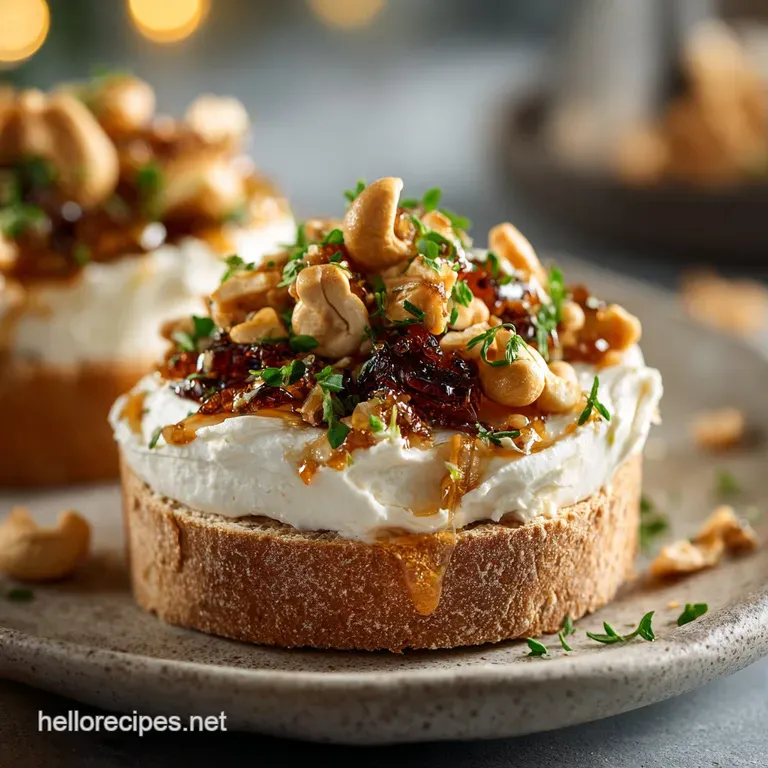
This recipe requires a small list of ingredients, but choosing the right types is crucial for flavor and texture.
Choosing the Right Cashews (Raw vs. Roasted)
You must use raw, unsalted cashews. Roasted cashews are too dry, and their flavor is too intense and nutty, which interferes with the delicate cheesy tang. If you absolutely cannot find raw cashews, blanched, peeled almonds are a passable substitute, but the result will be slightly less smooth.
Refined vs. Unrefined Coconut Oil: The Setting Difference
We use coconut oil because it is solid at fridge temperature, making it the perfect setting agent. However, you must use refined coconut oil. Unrefined (virgin) coconut oil has a strong coconut flavor, and unless you want your morning bagel to taste like a piña colada, stick to the neutral stuff.
| Ingredient | Role | Substitution Tip |
|---|---|---|
| Raw Cashews | Creamy base | Blanched almonds (will be slightly less smooth) |
| Refined Coconut Oil | Setting agent | 1 Tbsp Psyllium Husk Powder (for oil-free setting) |
| Lemon Juice | Bright acidity | Lime juice (use slightly less) |
| Apple Cider Vinegar | Cultured tang | White distilled vinegar (use slightly less) or vegan liquid lactic acid |
Troubleshooting Acid Sources (Vinegar vs. Lemon Juice)
If you find your cream cheese isn't tangy enough after setting, you can actually stir in a small amount of extra lemon juice before serving. However, for that classic "cheese" depth, the ACV is the star. If you are feeling extra fancy, look for vegan lactic acid online; it truly takes the fermented flavor up a notch.
Optional Flavor Boosters (e.g., Nutritional Yeast, Salt)
Salt is non-negotiable it brings all the flavors forward and ensures the mixture doesn't taste flat. Nutritional yeast is optional but highly recommended if you want a slightly more savoury or pronounced cheesy depth.
Use just a quarter teaspoon, maximum, as too much will give it a distinctly dusty texture.
Mastering the Blend: step-by-step Guide to Making Vegan Cream Cheese
Phase 1: Hydrating and Preparing the Cashew Base
Start by soaking the cashews for a minimum of four hours. If you are short on time, use boiling water and let them sit for one hour but four hours is definitely better. Once they are pillowy and soft, drain them thoroughly.
Rinse them well under cold water to remove any lingering starchy residue.
Phase 2: Achieving the Ultimate Smoothness in the High Speed Blender
Add all your ingredients the drained cashews, melted coconut oil, acids, salt, and initial 2 tablespoons of water to the high speed blender. Start blending slowly, increasing the speed steadily. You will almost certainly need to stop and scrape down the sides several times.
If the mixture gets stuck (cavitating), add one tablespoon of water at a time until the mixture circulates freely.
Chef's Note: The texture must be completely smooth. We are talking baby food smooth, even smoother than the batter for Strawberry Layer Cake: The Classic British Mascarpone Cream Recipe . If you feel any resistance when rubbing the paste between your fingers, keep blending!
Phase 3: The Crucial Chilling and Setting Process
Once blended, scrape the silken paste into an airtight container or a small, shallow ramekin. Smooth the top with a spatula. This is where the magic happens; the fridge is your best friend now. We need that refined coconut oil to fully solidify and bind the mixture into a cohesive block.
Balancing Acidity: Final Taste Adjustments Before Setting
Always taste the warm, blended mixture before chilling. Since the tang will be slightly muted when warm, aim for a flavor that feels almost too tart when tasted fresh from the blender. That intense acidity will mellow perfectly once cold and ready to serve.
Add a pinch more salt or a splash of ACV now, if needed.
Troubleshooting Your Blend: Chef's Tips for a Flawless Spread
Why Your Cream Cheese Didn't Set (Common Errors)
The setting issue usually boils down to two things: too much liquid or not enough coconut oil. If you added more than 4 tablespoons of water total, or if you accidentally used unrefined coconut oil (which doesn't always solidify as cleanly), it might remain soft.
If it doesn't set after 8 hours , melt it down gently, add 1 teaspoon more melted refined coconut oil, re-blend, and chill again.
How to Prevent a Grainy Texture
The secret weapon against graininess is a powerful blender and time. If you only have a standard blender, you absolutely must blend for 4– 5 minutes, pausing frequently, to ensure every cashew particle is pulverized. Gritty texture is almost always caused by impatience.
Adjusting the Consistency for Spreads vs. Frostings
This recipe yields a firm, spreadable cheese, perfect for a bagel. If you want a softer consistency for something like a dip, or a more malleable frosting (say, for using in bars like my Caramel Apple Cheesecake Bars: The Best Salted Caramel Autumn Bake ), simply increase the liquid (water or non-dairy milk) by 1 2 tablespoons during the blending phase.
Maximizing Freshness: Storing Your Homemade Vegan Cream Cheese
Shelf Life and Refrigeration Best Practices
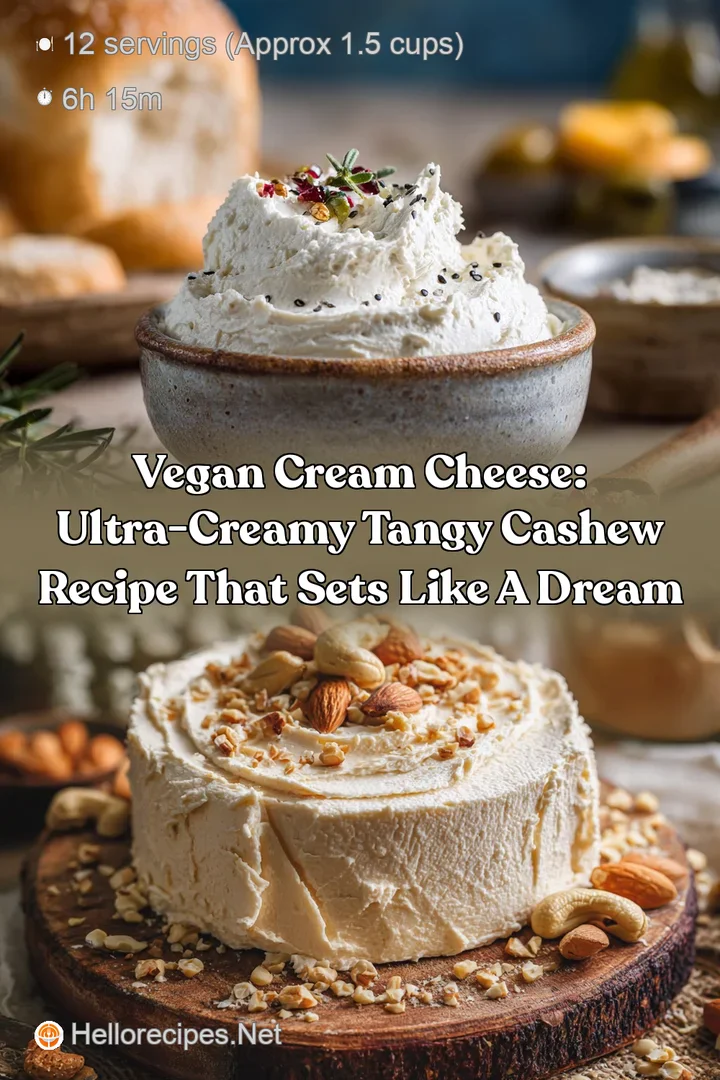
Store the finished cashew cream cheese recipe in a sealed, airtight container in the refrigerator. It holds up beautifully for 5 to 7 days, maintaining that perfect firm, spreadable texture.
Just make sure the container is tightly sealed to prevent the spread from absorbing fridge odors cashews are sponges for flavor!
Can You Freeze Cashew Cream Cheese?
Yes, you absolutely can freeze it! The texture changes slightly, becoming a little softer and sometimes separating slightly upon thawing. Freeze it in a freezer safe container for up to three months.
To revive it, thaw it overnight in the fridge and then whisk it vigorously or give it a quick 30 second blast in the blender to emulsify it again before serving.
Beyond the Bagel: Savory Applications
While it’s a killer bagel topping, don't limit yourself. This tangy spread is incredible as a base for pasta sauces, adding creaminess without heaviness. Try spreading it onto wraps before adding veggies for a quick lunch.
It also makes a fantastic binder for vegan appetizers, like stuffed celery sticks or deviled "eggs."
Recipe FAQs
How long does homemade cashew cream cheese last in the refrigerator?
Properly stored in an airtight container, your homemade vegan cream cheese will maintain its quality for about 5 to 7 days. Because this recipe lacks traditional dairy preservatives, always use a clean utensil when scooping to maximize its shelf life.
My cream cheese didn't set firmly; it's too soft. What went wrong?
The most common culprit is either using too little refined coconut oil, or not chilling the mixture for the required duration. Ensure the specified amount of refined coconut oil was fully melted and thoroughly incorporated before chilling the batch for at least 6 to 8 hours.
My cream cheese lacks that characteristic tangy flavor. How can I fix this?
The essential tanginess comes from ingredients like lemon juice or apple cider vinegar (ACV). If it tastes bland after the initial blend, slowly stir in half a teaspoon more ACV or lemon juice, tasting frequently until the desired sharpness is reached.
Do I really need to soak the cashews before blending?
Yes, soaking is a critical technique that ensures a perfectly smooth and silken final texture, rather than a grainy one. If you are short on time, you can quick soak the cashews by covering them with boiling water and letting them sit for 15 minutes, then draining and rinsing.
Can I use roasted cashews instead of raw ones?
While roasting enhances nutty flavors, it is not recommended for this recipe. Raw cashews are required because they break down into a completely emulsified paste, whereas roasted nuts contain less moisture and often result in a noticeably grainier consistency.
Can I freeze leftover cashew cream cheese for later use?
Freezing is generally discouraged because the moisture content in the cashews can separate upon thawing, which destroys the smooth, spreadable texture. If you must preserve leftovers, plan to use them in recipes where texture separation is masked, such as baked goods.
How do I make this a savory or herb flavored spread?
To create a savory version, omit any added sweeteners and, after the cheese has chilled, stir in finely minced chives, dried dill, garlic powder, or smoked paprika to taste. For the best infusion of flavor, allow the finished herb mixture to rest in the fridge for a few hours before serving.
Cashew Vegan Cream Cheese Recipe

Ingredients:
Instructions:
Nutrition Facts:
| Calories | 523 kcal |
|---|---|
| Protein | 14.7 g |
| Fat | 41.9 g |
| Carbs | 28.5 g |
