Caprese Bruschetta: Shatter-Crisp Perfection
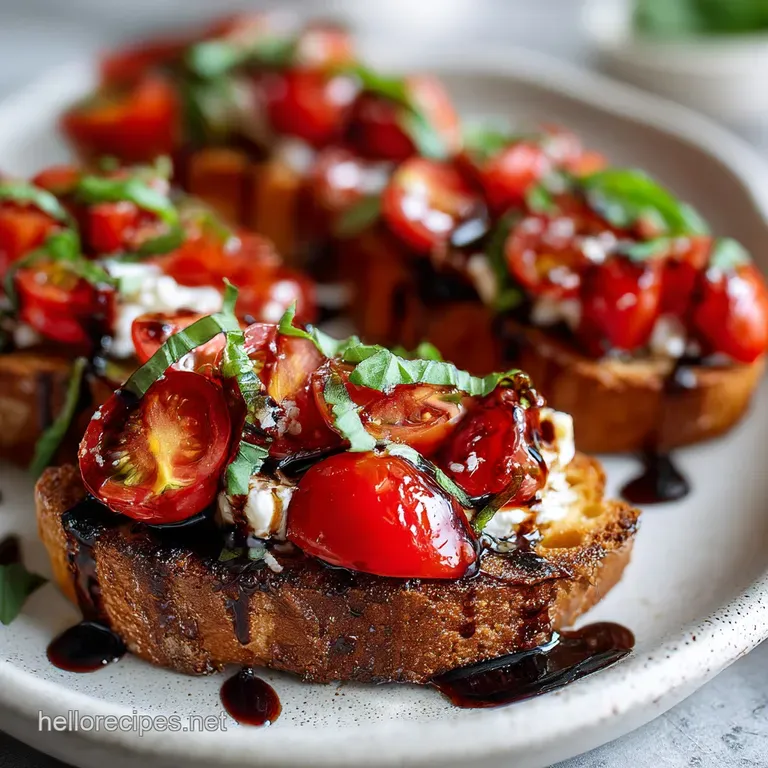
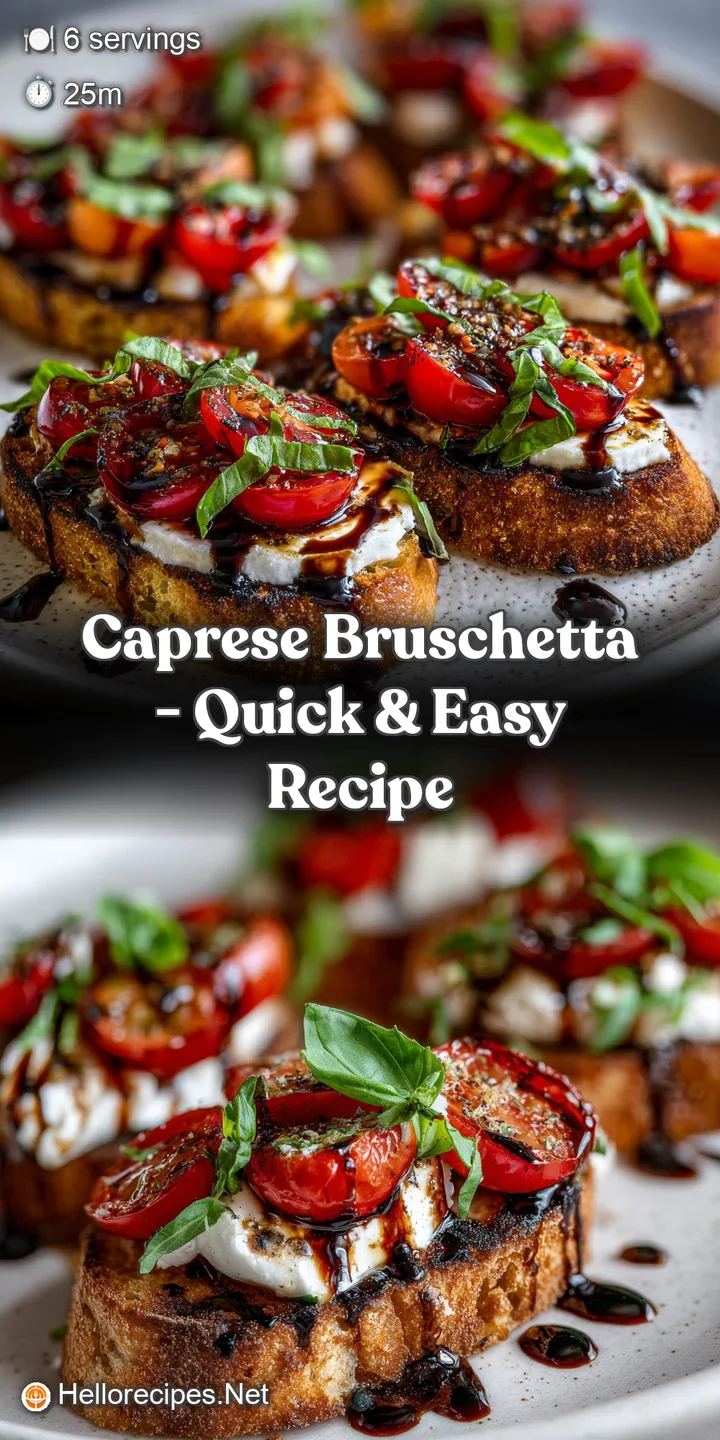
- Time: Active 15 minutes, Passive 10 minutes, Total 25 minutes
- Flavor/Texture Hook: A shatter crisp sourdough crust topped with velvety mozzarella and bursting Roma tomatoes.
- Perfect for: Outdoor summer gatherings, sustainable appetizer spreads, or a quick gourmet lunch.
- Fresh Summer Caprese Bruschetta
- The Science of Texture Contrast
- Precise Benchmarks for Results
- Ingredient Sourcing and Quality
- Tools for High Gastronomy
- Master the Assembly Process
- Troubleshooting Your Flavor Balance
- Dietary Tweaks and Swaps
- Storage and Sustainable Reheating
- Presentation Styles and Pairings
- Debunking Common Italian Bread Myths
- Adjusting Ratios for Large Crowds
- High in Sodium
- Caprese Bruschetta FAQs
- 📝 Recipe Card
Fresh Summer Caprese Bruschetta
The first time I served this at a backyard party, I made a massive mistake. I used a soft, pillowy French loaf and topped it twenty minutes before anyone arrived. By the time the first guest reached for a slice, the bread had turned into a soggy, limp sponge that collapsed under the weight of the tomatoes.
It was a disaster. I realized then that the secret isn't just in the freshness of the basil; it's in the structural integrity of the bread and how you manage the tomato moisture.
Now, I always reach for a hearty sourdough baguette. When that bread hits the 400°F oven, the crust hardens into a protective shell that can withstand a mountain of toppings.
There is something incredibly satisfying about hearing that distinct shatter when you take a bite, immediately followed by the cool, silky texture of fresh mozzarella. This version focuses on that specific contrast the heat of the toast against the chill of the garden fresh components.
We’ve all seen basic versions, but we’re going for a tech forward approach to home gastronomy here.
The Science of Texture Contrast
The Garlic Abrasion: Toasting the sourdough creates a microscopic "sandpaper" surface. When you rub a raw garlic clove against this hot, rough texture, the bread acts as a grater, melting the garlic oils directly into the crumb for a deeper flavor than any bottled spread could offer.
Osmotic Moisture Control: Adding flaky sea salt to diced Roma tomatoes triggers osmosis, drawing out excess water. This prevents the juices from flooding the bread, keeping the base crispy while concentrating the tomato's natural sugars.
| Method | Time | Texture | Best For |
|---|---|---|---|
| over High heat Bake | 10 minutes | Rigid, shatter crisp | Heavy toppings |
| Broiling | 3 minutes | Charred edges, soft center | Quick snacks |
| Grilling | 5 minutes | Smoky, firm crust | Summer BBQs |
The over high heat bake is the gold standard for this specific Caprese Bruschetta. It provides a consistent dehydration of the bread's surface, which is vital when you're adding high moisture elements like fresh mozzarella and balsamic glaze. If you want a deeper umami profile, consider trying this method with the base of a Bruschetta Recipe My friend once taught me, which emphasizes the char.
Precise Benchmarks for Results
To get that restaurant quality finish, we need to look at the numbers. Precision is what separates a floppy piece of toast from a culinary highlight.
| Benchmark | Value | Why It Matters |
|---|---|---|
| Oven Temperature | 400°F | Rapidly crisps without drying the interior |
| Tomato Rest Time | 10 minutes | Allows salt to pull out soggy making juices |
| Toast Thickness | 0.75 inch | Provides enough "meat" to hold toppings comfortably |
Ingredient Sourcing and Quality
Selecting your elements is about more than just a grocery run; it's about understanding the seasonal availability and sustainable impact of your food. Roma tomatoes are my go to because they have a higher flesh to seed ratio, meaning less water and more structural integrity.
| Ingredient | Science Role | Pro Secret |
|---|---|---|
| Sourdough Baguette | Sturdy cellular structure | Use a day old loaf for a more rigid, crunchier toast |
| Roma Tomatoes | Low moisture fruit | Core them completely to remove the watery placental tissue |
| Fresh Mozzarella | Fat based creamy contrast | Use pearls (perline) to avoid tearing larger balls, which leaks milk |
| Balsamic Glaze | Acidic brightener | Look for "Aceto Balsamico di Modena" for authentic viscosity |
- 1 large sourdough baguette (approx. 450g): Substitute with a dense Ciabatta. Why this? Sourdough's fermented holes trap olive oil while remaining structurally firm.
- 3 tbsp extra virgin olive oil: Substitute with avocado oil. Why this? high-quality EVOO provides a peppery finish that balances the sweet glaze.
- 2 large garlic cloves: Substitute with 1 tsp garlic powder. Why this? Raw garlic oils are volatile and aromatic when hit by heat.
- 1.5 lbs Roma tomatoes: Substitute with cherry tomatoes. Why this? Roma tomatoes provide the firmest texture for dicing.
- 8 oz fresh mozzarella pearls: Substitute with vegan mozzarella. Why this? Pearls are the perfect bite sized shape for even distribution.
- 0.5 cup fresh basil leaves: Substitute with fresh mint or parsley. Why this? Chiffonade basil releases essential oils for that signature aroma.
- 1 tsp flaky sea salt: Substitute with kosher salt. Why this? Flaky salt adds a final crunch and bursts of salinity.
- 0.5 tsp freshly cracked black pepper: Substitute with white pepper. Why this? Freshly cracked pepper has more floral, pungent notes.
- 0.25 cup balsamic glaze: Substitute with a lemon honey reduction. Why this? The glaze adds a syrupy, acidic finish that ties the fats together.
Tools for High Gastronomy
You don't need a professional kitchen, but a few specific tools make this process seamless. A high-quality serrated knife is non negotiable for the sourdough; you want to saw through the crust without crushing the airy interior. I personally use a Mac Bread Knife, but any sharp serrated blade will do.
A rimmed baking sheet ensures the olive oil doesn't drip onto your oven floor, and a small mesh strainer is a secret weapon for those tomatoes. By letting the diced tomatoes sit in a strainer over a bowl, you can collect the "tomato water" for other uses (like a vinaigrette) while keeping your bruschetta topping lean and mean.
Master the Assembly Process
- Preheat your oven to 400°F. Note: This high heat is essential for the Maillard reaction on the bread.
- Slice the sourdough baguette into 0.75 inch thick rounds on a slight diagonal.
- Brush both sides of each slice with the 3 tbsp of extra virgin olive oil.
- Bake for 8 to 10 minutes until the edges are golden and the centers are firm.
- Rub the peeled garlic cloves across the top of each hot slice. Note: You will see the garlic literally disappear as it grates into the crust.
- Dice the 1.5 lbs of Roma tomatoes, discarding the watery cores.
- Toss tomatoes in a bowl with flaky sea salt and let sit for 10 minutes, then drain.
- Combine the drained tomatoes, 8 oz mozzarella pearls, and 0.5 cup basil chiffonade.
- Heap the tomato mixture onto the garlic rubbed toasts.
- Drizzle with the 0.25 cup balsamic glaze and a final crack of black pepper until the colors pop.
Chef's Tip: If your basil is looking a bit limp, submerge it in ice water for 5 minutes before cutting. This "shocks" the cells, making the leaves turgid and vibrant again.
Troubleshooting Your Flavor Balance
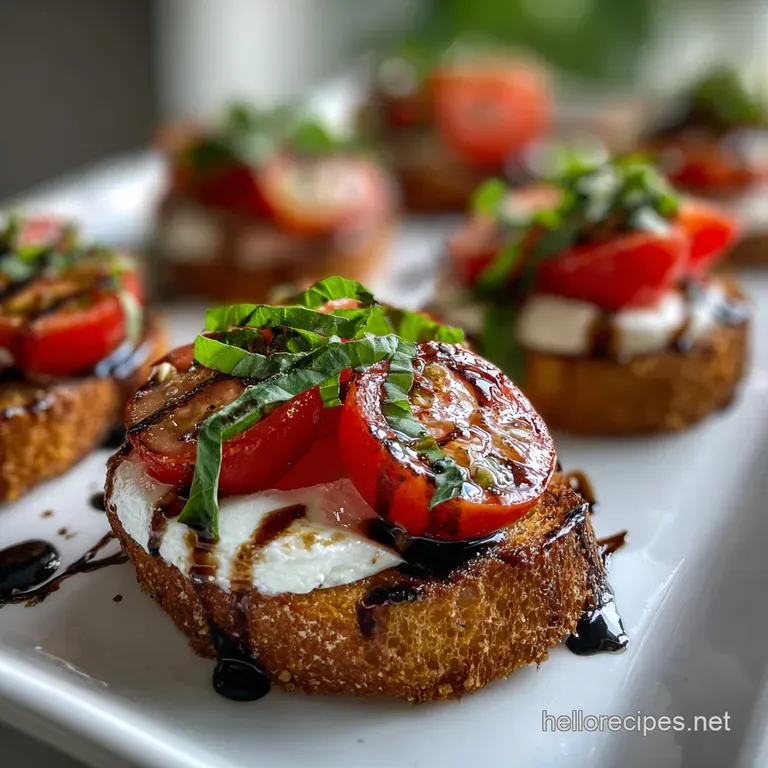
Even simple dishes can go sideways. If your toast feels like a brick, you likely sliced it too thin or baked it too long. If it's soggy, you skipped the tomato draining step.
The Soggy Bottom Blues
When the bread loses its structural integrity, it’s usually because the tomatoes were too juicy or the bread was too soft. Using sourdough is your primary defense, but the salt and drain method is your insurance policy. If you find yourself in a rush, just pat the diced tomatoes with a paper towel before mixing.
Discolored Basil Leaves
Basil is incredibly sensitive to oxidation. If you chop it too early or use a dull knife, the edges will turn black. Always use your sharpest knife and wait until the very last second to chiffonade the leaves.
| Problem | Root Cause | Solution |
|---|---|---|
| Bitter Aftertaste | Burnt garlic or poor oil | Rub garlic gently; use fresh, cold pressed olive oil |
| Bland Topping | Lack of salt/acid | Add an extra pinch of salt and a splash of vinegar to the tomatoes |
| Falling Toppings | Pieces cut too large | Dice tomatoes and mozzarella into uniform 1/4 inch pieces |
Common Mistakes Checklist
- ✓ Don't skip the garlic rub; it's the soul of the flavor profile.
- ✓ Ensure the bread is fully toasted before adding wet ingredients.
- ✓ Never store the fully assembled bruschetta in the fridge.
- ✓ Use a sharp serrated knife to avoid squishing the bread.
- ✓ Drain the tomatoes for at least 10 minutes to remove excess moisture.
Dietary Tweaks and Swaps
If you're looking to mix things up, there are plenty of ways to adapt this. For a vegan version, there are some innovative plant based mozzarellas made from cashews that offer a surprisingly similar creaminess. You could also lean into a different flavor profile by checking out a Caprese Dip recipe if you want the same flavors but in a communal, scoopable format.
| Premium Ingredient | Budget Alternative | Flavor Impact |
|---|---|---|
| Buffalo Mozzarella | Standard Cow Mozzarella | Less tangy, firmer texture |
| Aged Balsamic (12yr) | Balsamic Glaze (store-bought) | Sweeter, less complex depth |
| Sourdough Baguette | Day old Sandwich Bread | Less chew, more crunch |
If you want a low carb option, you can ditch the bread entirely and serve these as "bites" by skewering a tomato cube, a basil leaf, and a mozzarella pearl together. It lacks the crunch but keeps the spirit of the dish alive.
Storage and Sustainable Reheating
This is a "right now" kind of dish. Once the tomatoes hit the bread, the clock is ticking.
- Storage: Keep the tomato and mozzarella mixture in an airtight container in the fridge for up to 2 days. Keep the toasted bread in a dry bag at room temperature.
- Reheating: Never microwave. If the bread has lost its snap, pop the slices (without toppings) into a 350°F oven for 3 minutes to revitalize the crust.
- Zero Waste: If you have leftover tomato mixture, toss it with hot pasta or fold it into a morning omelet. The "tomato water" you drained earlier is packed with nutrients; use it as a base for a bloody mary or a soup broth.
Presentation Styles and Pairings
For a social gathering, I love serving this on a large wooden board. Instead of pre assembling every piece, try a "deconstructed" platter. Put the hot, garlic rubbed toasts in a basket lined with a linen napkin to keep them warm, and place the Caprese mixture in a vibrant ceramic bowl in the center.
If you want a more rustic vibe, do a large format pour. Lay the toasts out and spoon the mixture over all of them at once, letting the juices mingle on the board.
- Wine Pairing: A crisp Vermentino or a chilled Rosé cuts through the fat of the mozzarella beautifully.
- Side Pairing: Serve alongside a light arugula salad or a platter of prosciutto wrapped melon for that sweet salty contrast.
Debunking Common Italian Bread Myths
Many people think "authentic" bruschetta must be grilled over charcoal. While that adds a lovely smoke, a standard oven is more than capable of producing the necessary dehydration for a crisp finish. The key isn't the heat source, but the temperature.
Another myth is that you should soak the bread in oil. This actually makes the bread greasy and heavy. By brushing the oil on the surface, you create a barrier that lets the bread toast without becoming saturated. The oil should be a seasoning, not a bath.
Finally, don't believe that you need the most expensive "heirloom" tomatoes for this to work. Roma tomatoes are actually superior for this specific application because their low water content is a functional advantage in keeping the bread crispy.
Gastronomy is about using the right tool or tomato for the right job.
Adjusting Ratios for Large Crowds
Scaling this up for a party of twenty is straightforward if you follow a few batch processing rules.
- For 12 servings: Double the bread and tomatoes, but only use 1.5x the salt and pepper to avoid over seasoning.
- Work in batches: Toast the bread in two rounds so the oven temperature doesn't drop too significantly from overcrowding.
- Prep ahead: You can dice the tomatoes and mozzarella up to 4 hours in advance, but don't add the salt or basil until 15 minutes before serving to keep everything bright and crisp.
Decision Shortcut: If you want a smoky depth, grill the bread for 2 minutes per side instead of baking. If you want a richer finish, add a thin layer of basil pesto to the bread before the tomatoes.
If you want a spicier kick, add a pinch of dried red chili flakes to the tomato mixture.
High in Sodium
883 mg mg of sodium per serving (38% % of daily value)
The American Heart Association recommends limiting sodium intake to about 2,300mg per day for overall cardiovascular health.
Tips to Reduce Sodium in Your Bruschetta:
-
Low-Sodium Mozzarella-15%
Switch to a low-sodium mozzarella. Fresh mozzarella pearls can vary in sodium content, so opting for a low-sodium version can significantly reduce the overall sodium. Look for labels indicating lower sodium content.
-
Reduce Added Salt-25%
Reduce or eliminate the added flaky sea salt. Start by halving the amount and tasting, or consider omitting it entirely. The tomatoes and balsamic glaze already contribute to the flavor. Sea salt can be high in sodium.
-
Choose Your Bread Wisely-10%
Consider a different type of bread. Sourdough can be relatively high in sodium, check the nutrition label of your baguette and consider switching to a baguette with less sodium per slice.
-
Limit Balsamic Glaze-10%
Use the balsamic glaze sparingly, or consider making your own by reducing balsamic vinegar. store-bought glazes can be high in sodium and sugar. A light drizzle offers plenty of flavor. Consider an even smaller amount of Balsamic Glaze.
-
Flavor with Herbs & Spices
Enhance the flavor with a generous amount of fresh herbs and spices like basil, oregano, or red pepper flakes. These additions boost the taste without adding sodium.
Caprese Bruschetta FAQs
What's the difference between bruschetta and caprese?
Bruschetta is a preparation method, caprese is a flavor combination. Bruschetta refers to grilled or toasted bread rubbed with garlic and drizzled with oil, typically served as an appetizer. Caprese is a salad made with fresh mozzarella, tomatoes, and basil, originating from the island of Capri.
What are the three types of bruschetta?
The primary "types" are based on preparation method and topping style. While not strictly defined categories, common variations include classic tomato basil, olive tapenade, and mushroom or white bean spreads. If you enjoyed mastering the technique of achieving a shatter crisp sourdough crust here, see how the same principles of texture control apply to our Gourmet Grilled Cheese: Your Go-To Recipe with a Grilled Cheese Maker.
What is the secret to a great bruschetta?
Use high-quality, day-old sourdough bread and manage tomato moisture. The bread needs a sturdy crust that can withstand toppings without becoming soggy. Properly draining excess liquid from diced tomatoes is crucial. If you master the osmotic moisture control technique here, apply it to concentrated flavor in our How to Make Balsamic Reduction: My Secret Sweet and Tangy Glaze! for a powerful flavor boost.
What are some common mistakes to avoid when making Caprese salad?
Avoid using wilted basil, unripe tomatoes, or low-quality mozzarella. Overcrowding the basil with other herbs or using pre-shredded mozzarella can also detract from the classic, fresh taste. For a similar fresh flavor profile in a different format, consider our Smoked Salmon Crostini Ridiculously Easy Appetizers.
Can I make Caprese bruschetta ahead of time?
No, it's best assembled just before serving. The bread will become soggy if topped too early, and the basil will wilt. You can toast the bread and prepare the tomato mixture separately up to a few hours in advance.
What kind of bread is best for Caprese bruschetta?
A sturdy, dense bread like sourdough or a hearty Italian loaf is ideal. A crusty exterior helps prevent sogginess, while an airy interior soaks up flavors beautifully. Avoid soft, pre-sliced sandwich bread. If you enjoyed the crispy texture achieved here, you'll appreciate the similar crisping technique in our Crab Dip Recipe: The Ultimate Creamy Cheesy Hot Baked Dip.
How do I prevent my bruschetta from getting soggy?
Toast the bread until firm and golden, and drain your tomato topping well. Rubbing the toasted bread with a garlic clove before adding toppings adds flavor and a slight textural barrier.
Salting the diced tomatoes and letting them sit in a sieve helps remove excess moisture before they're added to the bread.
Caprese Bruschetta

Ingredients:
Instructions:
Nutrition Facts:
| Calories | 426 kcal |
|---|---|
| Protein | 15.2 g |
| Fat | 16.6 g |
| Carbs | 50.7 g |
| Fiber | 3.2 g |
| Sugar | 8.1 g |
| Sodium | 883 mg |
