Canned Salmon Pasta: Velvety & Quick
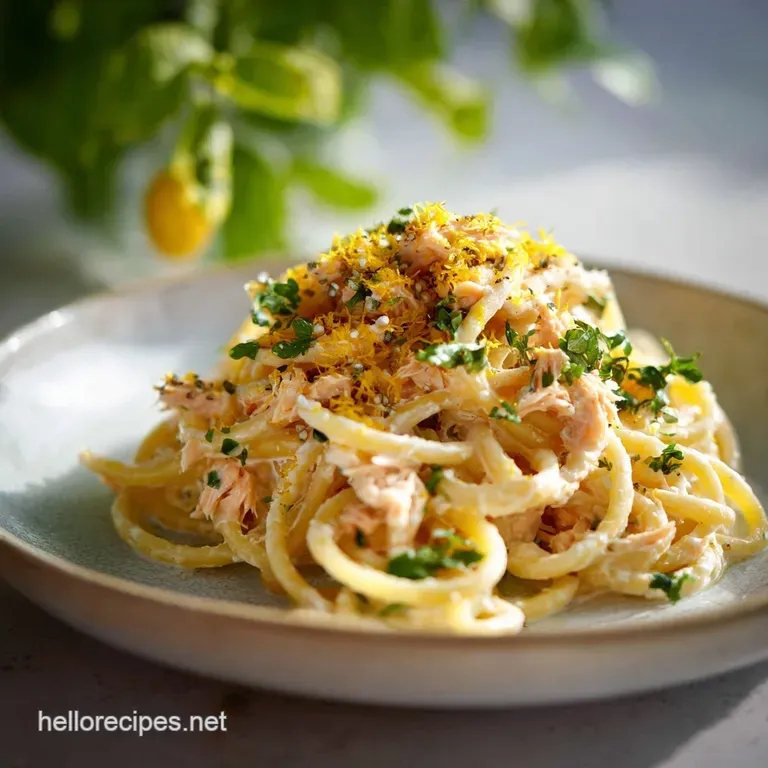
- Time: Active 5 minutes, Passive 10 minutes, Total 15 minutes
- Flavor/Texture Hook: Zesty, briny, and incredibly velvety
- Perfect for: High protein weeknight recovery meals
- Mastering This Vibrant Canned Salmon Pasta
- The Science of Rapid Emulsification
- Essential Metrics for Fast Cooking
- Sourcing Sustainable and Flavorful Elements
- Necessary Gastronomy Tools for Success
- Precise Phases for Aromatic Results
- Solving Common Textural Cooking Errors
- Innovative Flavor and Dietary Adaptations
- Sustainable Storage and Waste Reduction
- Presentation for Maximum Sensory Impact
- High in Sodium
- Recipe FAQs
- 📝 Recipe Card
Mastering This Vibrant Canned Salmon Pasta
I remember standing in my kitchen at 8:00 PM on a rainy Tuesday, staring at a single tin of pink salmon and feeling completely uninspired. I used to think canned fish was just for sad desk salads, but then I realized that the canning process is actually a fascinating piece of preservation technology that locks in peak season flavor.
It’s essentially a time capsule of protein, and when you treat it with the right aromatic respect, it transforms.
I started experimenting with the chemistry of the pan how the garlic softens and the capers pop in hot oil and suddenly, that tin of salmon didn't look like a "backup plan" anymore. It looked like the foundation for a serious piece of home gastronomy.
This isn't about hiding the salmon; it’s about highlighting its flaky texture against the sharp, citrusy bite of lemon and the salty punch of capers.
The first time I got the emulsion just right, the sauce clung to every strand of spaghetti like a silk ribbon. No clumping, no oily residue at the bottom of the bowl just a clean, vibrant finish that felt far more expensive than it actually was.
We’re going to use the starchy water from the pasta to create that velvety finish, and I promise you’ll never look at your pantry the same way again.
The Science of Rapid Emulsification
The Physics of the Emulsion Marriage: The starches released by the pasta into the boiling water act as a stabilizer, binding the extra virgin olive oil and lemon juice into a creamy, cohesive sauce that wouldn't otherwise mix.
This prevents the oil from feeling greasy on the palate and ensures the flavor coats the protein evenly.
- Thermal Stability: Adding the salmon at the very end prevents protein denaturation, which would otherwise make the fish tough and dry.
- Starch Gelatinization: Using a smaller pot of water concentrates the starches, resulting in a more effective "glue" for your sauce.
- Aromatic Infusion: Thinly slicing the garlic increases the surface area for the Maillard reaction, releasing nutty notes into the oil.
- Volatility: Finishing with fresh lemon zest at the end captures the volatile oils that would otherwise evaporate under high heat.
| Method | Total Time | Texture | Best For |
|---|---|---|---|
| Pantry Fast | 15 minutes | Silky and light | Maximum speed, minimal effort |
| Baked Version | 35 minutes | Crisp topping, dense | Meal prep, feeding a crowd |
| Fresh Classic | 25 minutes | Chunky, firm fish | When fresh salmon is on sale |
Choosing the right approach depends on your schedule, but the speed of the pantry method often produces a brighter, more innovative flavor profile. While a baked version offers a certain "set and forget" convenience, the stovetop method allows for precise control over the emulsion, ensuring the pasta never becomes mushy or overcooked.
Essential Metrics for Fast Cooking
| Component | Role in Dish | Pro Secret |
|---|---|---|
| Pasta Water | Emulsifier | Save twice as much as you think you need. |
| Canned Salmon | Protein Core | Don't over flake it; keep the large chunks. |
| Capers | Briny Acid | Fry them in the oil until they slightly "bloom." |
| Lemon Zest | High Note | Use a microplane for the finest, most aromatic particles. |
The relationship between the acidity of the lemon and the fat in the salmon is what makes this dish work. Without that sharp citrus, the fish can feel heavy; without the oil, the lemon is too abrasive.
It’s a delicate balance of gastronomy that relies on the quality of your extra virgin olive oil to act as the bridge between these two extremes.
Sourcing Sustainable and Flavorful Elements
When you’re looking at your pantry, the quality of the canned salmon makes a massive difference. I always reach for wild caught, sustainably sourced options (look for the MSC blue label) because the texture is significantly more firm and the flavor is cleaner.
- 200g dried spaghetti or linguine Why this? Long strands provide the best surface area for the silky sauce.
- 1 tbsp sea salt Why this? Essential for seasoning the pasta from the inside out.
- 170g canned salmon, drained Why this? A sustainable, high protein pantry staple that's always ready.
- 3 tbsp extra virgin olive oil Why this? The fat base for our aromatic emulsion.
- 3 cloves garlic, thinly sliced Why this? Slicing provides a mellow, sweet garlic flavor compared to mincing.
- 0.5 tsp red pepper flakes Why this? Adds a subtle back of-the throat heat without overpowering.
- 2 tbsp capers, drained Why this? Provides essential pops of salt and acidity.
- 1 large lemon, zested and juiced Why this? The zest provides aroma, the juice provides the "lift."
- 0.25 cup fresh flat leaf parsley, roughly chopped Why this? Adds a necessary grassy freshness to finish.
- 0.25 cup freshly grated Parmesan cheese Why this? Provides umami and helps thicken the sauce.
- Freshly cracked black pepper to taste
Chef's Tip: Freeze your Parmesan wedge for 10 minutes before grating. It prevents the cheese from clumping and creates "snow like" flakes that melt instantly into the sauce.
Necessary Gastronomy Tools for Success
You don't need a high tech lab to make this, but a few specific tools will change the game. A wide skillet is actually better than a deep pot for the final stage because it allows the pasta water to evaporate and thicken more quickly. This speed is vital for maintaining the integrity of the noodles.
I also highly recommend using a microplane for your lemon zest. If you use a standard box grater, you often hit the white pith, which is bitter and ruins the fragrance. You want just the yellow "shatter" of the skin. If you’re feeling adventurous, try using a Make Homemade Pasta recipe for this dish the fresh dough absorbs the lemon salmon sauce much more aggressively than dried pasta.
Precise Phases for Aromatic Results
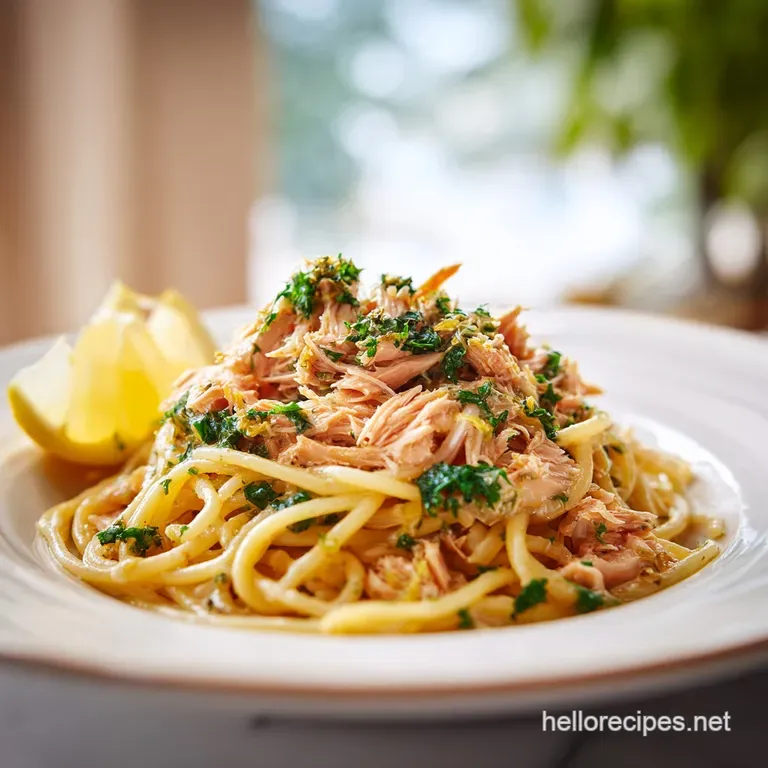
- Boil the water. Fill a large pot with water and add 1 tbsp sea salt. Bring to a rolling boil.
- Cook the pasta. Add 200g spaghetti. Cook for 8 minutes until slightly firm to the bite (al dente). Note: It will finish cooking in the sauce later.
- Preserve the liquid. Before draining, scoop out about 1 cup of the cloudy pasta water. Set it aside.
- Infuse the oil. In a large skillet, add 3 tbsp olive oil and the 3 sliced garlic cloves over medium heat.
- Toast the aromatics. Cook for 2 minutes until the garlic is golden and smells nutty. Add 0.5 tsp red pepper flakes and 2 tbsp capers.
- Sizzle the base. Let the capers sizzle for 1 minute until they slightly pop and smell briny.
- Emulsify the sauce. Pour in 0.25 cup of the reserved pasta water and the juice of 1 lemon. Whisk vigorously for 30 seconds.
- Combine the components. Toss the cooked pasta into the skillet. Add the 170g drained salmon, breaking it into large chunks.
- Vigorously toss. Add 0.25 cup Parmesan and the lemon zest. Toss for 1 minute until the sauce is velvety and coats the strands.
- Final garnish. Remove from heat and stir in 0.25 cup chopped parsley. Season with black pepper.
If you enjoy the way the heat and acidity interact here, you might also like the bold flavors in this Blackened Salmon Recipe, which uses a similar focus on high impact seasoning.
Solving Common Textural Cooking Errors
Why Your Salmon Pasta is Oily
If the sauce looks like a pool of oil rather than a creamy coating, the emulsion has broken. This usually happens because there wasn't enough starch water or the heat was too high when adding the cheese. The oil separates from the liquid, leaving the pasta feeling greasy.
Why the Fish is Too "Fishy"
Older canned salmon or low quality brands can have a stronger aroma. To fix this, ensure you drain the liquid thoroughly from the tin. Adding the lemon juice directly onto the salmon chunks before tossing them with the pasta can also help neutralize the trimethylamine (the compound responsible for that "fishy" scent).
| Problem | Root Cause | Solution |
|---|---|---|
| Dry Pasta | Absorbed all liquid | Add another splash of pasta water and a drizzle of oil. |
| Clumping Cheese | Heat was too high | Remove pan from heat before stirring in the Parmesan. |
| Bland Flavor | Lack of salt/acid | Add a pinch more sea salt or an extra squeeze of lemon. |
Common Mistakes Checklist
- ✓ Never rinse your pasta after boiling; you need that surface starch for the sauce.
- ✓ Don't over flake the salmon; large chunks provide a much more satisfying mouthfeel.
- ✓ Avoid the "pre grated" cheese in a can; it contains cellulose which prevents a smooth melt.
- ✓ Add the parsley at the very last second to preserve its bright, grassy aroma.
- ✓ Preheat your skillet properly before adding the oil to ensure the garlic infuses rather than just boils.
Innovative Flavor and Dietary Adaptations
Scaling this recipe is straightforward, but you have to be careful with the starch ratios. If you are cooking for one, simply halve everything, but still use a small pot for the pasta to keep that water concentrated.
If you're doubling it for four people, use a very large skillet or even a wok to ensure you have enough surface area to toss the ingredients without turning the salmon into mush.
If you want to try a different spin, you can easily turn this into a Canned Salmon Pasta Bake. Just toss the finished pasta into a dish, top with extra cheese and breadcrumbs, and broil for 3-5 minutes until the top is a golden shatter.
For a Mediterranean boost, try adding halved cherry tomatoes or olives along with the capers.
| Original Ingredient | Substitute | Why It Works |
|---|---|---|
| Spaghetti | Chickpea Pasta | Higher protein/fiber. Note: Needs more pasta water as it absorbs liquid faster. |
| Capers | Green Olives | Similar briny profile. Note: Chop them small to mimic the size of capers. |
| Parmesan | Nutritional Yeast | Cheesy, nutty flavor. Note: Best for a dairy-free adaptation. |
Sustainable Storage and Waste Reduction
This dish is best eaten fresh because the emulsion tends to tighten as it cools. However, if you have leftovers, they’ll stay good in the fridge for about 2 days. When reheating, don't use the microwave if you can help it it tends to make the salmon rubbery.
Instead, put it back in a skillet with a tiny splash of water or milk and toss it over low heat until the sauce becomes velvety again.
To practice zero waste gastronomy, don't throw away those lemon husks! After juicing, you can put the rinds in a jar of white vinegar to create a natural kitchen cleaner, or even toss them into your pasta water while it boils to infuse the noodles with a very subtle citrus note.
If you have leftover parsley stems, mince them finely and add them to the garlic and oil step; they have even more flavor than the leaves.
Presentation for Maximum Sensory Impact
Searing meat does not "seal in juices," and similarly, "over mixing" this pasta won't make it better. The goal is a gentle marry of ingredients. When serving, use a carving fork to twirl the pasta into a tall nest in the center of the plate. This keeps the heat trapped inside and looks much more intentional.
The final aroma should be a mix of toasted garlic, sharp lemon, and the fresh, clean scent of the sea. It shouldn't smell "fishy" it should smell like a Mediterranean summer. Top with a final "shatter" of black pepper and a few extra parsley leaves for color.
Trust me on this: the contrast between the hot, silky pasta and the cool, fresh parsley is what makes the dish sing. Let’s crack on and get that water boiling!
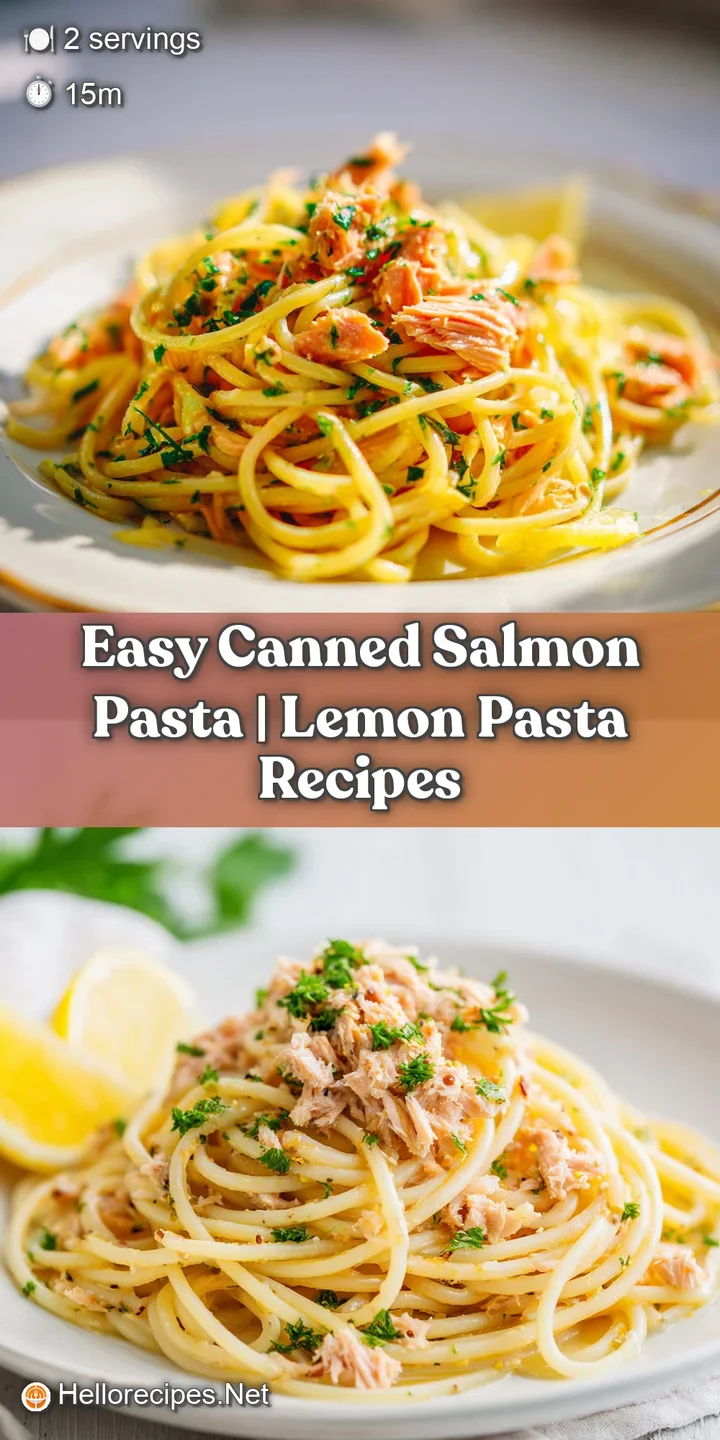
High in Sodium
845 mg mg of sodium per serving (37% % of daily value)
The American Heart Association recommends limiting sodium intake to about 2,300mg per day.
Tips to Reduce Sodium in Your Salmon Pasta
-
Choose Low-Sodium Salmon-20%
Opt for fresh salmon or canned salmon labeled 'no salt added' or 'low sodium.' This can significantly reduce the sodium content compared to regular canned salmon.
-
Reduce Added Salt-25%
Omit the 1 tbsp of sea salt and only add a pinch of salt after tasting. This pasta dish already contains salty ingredients, so you may not need any additional salt.
-
Reduce Parmesan Cheese-15%
Parmesan cheese is high in sodium. Reduce the amount from 0.25 cup to 0.125 cup, or use a lower sodium cheese alternative such as ricotta salata in smaller quantities. Taste the dish before adding any cheese.
-
Rinse Capers-10%
Rinse the capers thoroughly under cold water before adding them to the pasta. This will help remove excess salt and reduce the overall sodium content of the dish.
-
Boost Flavor with Herbs & Spices
Use fresh herbs like parsley, dill, and chives, along with spices like garlic, red pepper flakes, and black pepper to enhance flavor without adding sodium. Lemon zest also adds brightness.
Recipe FAQs
Can you use canned salmon in pasta?
Yes, it works exceptionally well as a fast, high protein addition to pasta dishes. The flakiness of canned salmon integrates beautifully when tossed in a starchy, emulsified sauce, creating texture without heavy cooking time.
What sauce goes in salmon pasta?
A light, oil-based, or butter sauce is best to complement the fish's natural oils and prevent the final dish from tasting heavy. Focus on bright acidity from lemon, saltiness from capers, and aromatics like garlic to lift the flavor.
Are you supposed to rinse canned salmon?
No, you should drain it well but avoid rinsing with water. Rinsing removes valuable natural oils and seasoning that contribute depth to the final sauce, potentially making the final dish taste bland.
Is canned salmon healthy to eat?
Yes, canned salmon is highly nutritious, providing excellent sources of Omega-3 fatty acids and protein. It is generally considered very healthy, especially varieties packed in water or olive oil.
How do I prevent my canned salmon pasta sauce from splitting?
Use hot, starchy pasta water and toss vigorously off the heat. The starches in the water emulsify the oil and the acid, binding them together into a cohesive sauce that coats the noodles perfectly. If you enjoyed mastering this technique, see how the same emulsification principle works when making Sautéed Chicken Pasta recipe.
How to make canned salmon pasta taste less like "canned food"?
Bloom strong aromatics in olive oil first, focusing on fresh garlic, chili flakes, and capers to create a vibrant flavor base. The key is layering bright, fresh elements like lemon zest over the pantry staple.
Should I cook the pasta until very tender for this recipe?
No, cook the pasta one or two minutes shy of al dente. This residual firmness ensures the noodles finish cooking while they absorb the sauce in the pan, which prevents mushy pasta and helps the starch thicken the sauce beautifully.
Canned Salmon Pasta In Minutes
Ingredients:
Instructions:
Nutrition Facts:
| Calories | 714 kcal |
|---|---|
| Protein | 34.2 g |
| Fat | 31.5 g |
| Carbs | 71.8 g |
| Fiber | 4.1 g |
| Sugar | 1.4 g |
| Sodium | 845 mg |
