How to Make a Vegan Charcuterie Board Guide
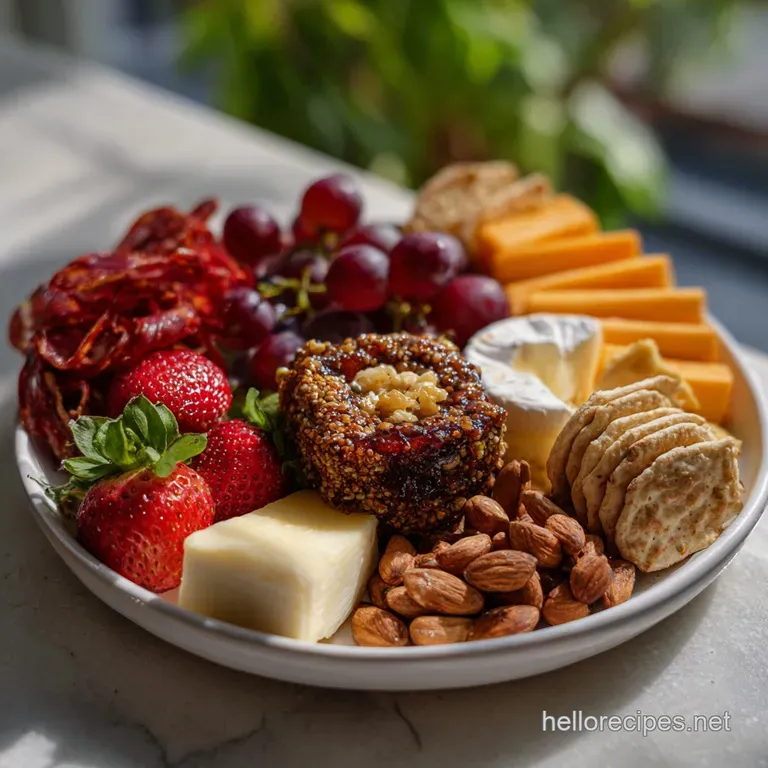
- The Ultimate Guide to Building a Vegan Charcuterie Board
- The Art and Science of Flavor Pairing (Why Vegan Charcuterie Excels)
- Selecting the Best Vegan Charcuterie Board Ingredients and Substitutions
- Nutrition Information
- Step-by-Step: How to Make a Vegan Charcuterie Spread (Assembly Guide)
- Expert Tips and Common Mistakes to Avoid When Building Your Board
- Storage and Prep: Keeping Your Vegan Charcuterie Fresh
- Recipe FAQs
- 📝 Recipe Card
The Ultimate Guide to Building a Vegan Charcuterie Board
You know that quiet little thud sound a massive, perfectly arranged grazing board makes when you set it down, and suddenly every conversation in the room stops? That’s the feeling we’re chasing.
I used to think How to Make a Vegan Charcuterie required imported, impossible-to-find ingredients, and honestly, my early attempts were pathetic just sad bowls of hummus and some sliced carrots.
But I cracked the code: A killer vegan board isn’t about meat replacements; it’s about mastering texture contrast and flavor pairing. Trust me, once you follow this assembly guide, you can create a centerpiece that looks ridiculously impressive in just 15 minutes of hands-on prep time.
This strategy guarantees a board with satisfying, hearty components enough to comfortably serve 10 people as an appetizer and it’s surprisingly easy to execute. Ready to learn How to Make a Vegan Charcuterie that actually delivers on that salty, creamy, crunchy promise?
Let’s dive in.
The Art and Science of Flavor Pairing (Why Vegan Charcuterie Excels)
A good charcuterie board is a symphony of contrast. A great vegan board relies heavily on understanding why certain things taste good together. It’s not magic; it’s just food science!
Why This Works: Achieving Dynamic Textures
When we remove cured meats (salty, fatty, firm) and dairy cheese (creamy, sharp, dense), we must replace their function , not just their flavor. The trick to How to Make a Vegan Charcuterie successful is ensuring every bite offers something different.
- The Crunch Factor: You need crackers that shatter, nuts that pop, and raw veggies that snap. This textural diversity keeps the palate engaged.
- Fat is Flavor: Plant based fats (like those in aged cashew cheese, pesto, and candied nuts) act as flavor carriers, coating the tongue and amplifying the spices and acidity.
- The Acid Pop: Pickled items (cornichons, marinated artichokes, pickled jalapeños) are non-negotiable. The bright acidity cuts through the richness of the cheeses and dips, preventing flavor fatigue.
Essential Planning Before You Start Building
The total time for this whole production is about 35 minutes— 15 minutes of prep and 20 minutes for quick tasks like roasting peppers or toasting bread. Since this board is designed for easy assembly, organization is key.
Before you even pull out the board, make sure everything is sliced, drained, and ready to go.
Selecting the Best Vegan Charcuterie Board Ingredients and Substitutions
Okay, listen up. Here are the exact components you need, based on what works best for structure, flavor, and visual appeal. I also included my go-to substitutions, because sometimes the store is out of that fancy smoked almond block.
| Component Category | Official Ingredient (Qty.) | Swap Component | The Science (Why It Works) |
|---|---|---|---|
| Hard Cheese & Structure | Hard Vegan Cheese (8 oz / 225 g) | Block of extra firm Smoked Tofu | Provides essential dense, sliceable texture and smoky Umami. Trade off: Smoked tofu has less "funk" than aged cheese. |
| Soft Cheese & Spread | Spreadable dairy-free Cream Cheese (4 oz / 115 g) | High fat, thick hummus (like a lemon or dill flavor) | Offers the needed velvety mouthfeel to contrast the hard elements. |
| Pops of Flavor/Acid | Vegan Feta or Cheddar Cubes (2 oz / 55 g) | Marinated Tofu Cubes (in lemon/oregano) | Mimics the salty, crumbly bite and acidic pop required to cut through creamy dips. |
| Dips & Richness | Homemade Pesto (dairy-free) (½ cup / 120 g) | Olive Tapenade (store-bought) | Offers the needed oil/fat binding element and intense, herbaceous flavor profile. |
| Sweet Spread | Fig Jam, Apricot Preserves, or Spicy Chili Jam (¼ cup) | Date or Pear Paste | Provides the crucial sweet/acid element that pairs perfectly with the salty cheeses and nuts. For another beautiful sweet item, you should check out my recipe for Easy GlutenFree Peach Cobbler Vegan Minimalist: 10 Minute Prep . |
| Protein/Meat Alternative | store-bought Vegan Pepperoni or Smoked Tofu Slices (4 oz / 115 g) | Extra crispy Shiitake Bacon (or dehydrated mushroom jerky) | Delivers a chewy, intensely savory element (Umami) to mimic cured meat structure. |
Ingredients List (For 10 Servings, Appetizer Style)
| Element Type | Ingredient | Quantity | Note |
|---|---|---|---|
| Cheeses (Hard/Soft) | Hard vegan cheese (e.g., aged cashew block) | 8 oz / 225 g | Cubed or sliced |
| Spreadable dairy-free cream cheese or brie | 4 oz / 115 g | Serve in a small bowl | |
| Vegan feta or cheddar cubes | 2 oz / 55 g | For texture contrast | |
| Dips & Spreads | Savory traditional or roasted red pepper hummus | 1 cup / 240 g | |
| Homemade dairy-free pesto or baba ghanoush | ½ cup / 120 g | ||
| Fig jam, apricot preserves, or spicy chili jam | ¼ cup | ||
| Protein & Savory Components | Vegan pepperoni, prosciutto, or smoked tofu slices | 4 oz / 115 g | Sliced thin |
| Marinated Artichoke Hearts (drained) | ½ cup / 120 g | Drain well to avoid liquid spread | |
| Roasted red bell peppers or sun-dried tomatoes (oil-packed) | 1 cup / 200 g | ||
| Mixed olives (pitted) and cornichons/pickles | 1 jar & small bowl | Essential acid element | |
| Carbs & Crunch | Mixed, thin, lightly salted crackers | 2 cups | Use different shapes! |
| Crisp Italian breadsticks (grissini) | 1 cup | For height | |
| Toasted mini baguette or rye bread | 8 10 slices | Toast just until golden brown | |
| Fresh & Sweet | Candied walnuts or toasted pecans | ½ cup | |
| Sliced figs, seedless grapes, or small berries | 1 cup | ||
| Sliced green apple or small bunch of dates | 1 apple / 1 bunch | ||
| Baby carrots, cucumber ribbons, or colorful radish slices | 1 cup | ||
| Garnish & Drizzle | Fresh sprigs of rosemary or basil | A few sprigs | |
| high-quality balsamic glaze or maple syrup | 2 Tbsp / 30 ml |
Nutrition Information
| Nutrient | Amount |
|---|---|
| Calories | 586 kcal |
| Protein | 13.3 g |
| Fat | 29.5 g |
| Carbs | 63.8 g |
| Fiber | 6.0 g |
| Sugar | 23.3 g |
| Sodium | 1171 mg |
step-by-step: How to Make a Vegan Charcuterie Spread (Assembly Guide)
This is a fast recipe. We're aiming for 15 minutes of assembly time. The "Cook Time" of 20 minutes is dedicated to toasting the bread slices until they achieve a lovely golden brown crust and roasting any fresh vegetables, if needed.
1. Set the Foundation ( 5 minutes)
- Prep the Components: If using the smoked tofu slices or vegan pepperoni, slice them thin. Drain all brined items (olives, artichokes, cornichons) well. Toss the apple slices with a tiny splash of lemon juice to prevent browning.
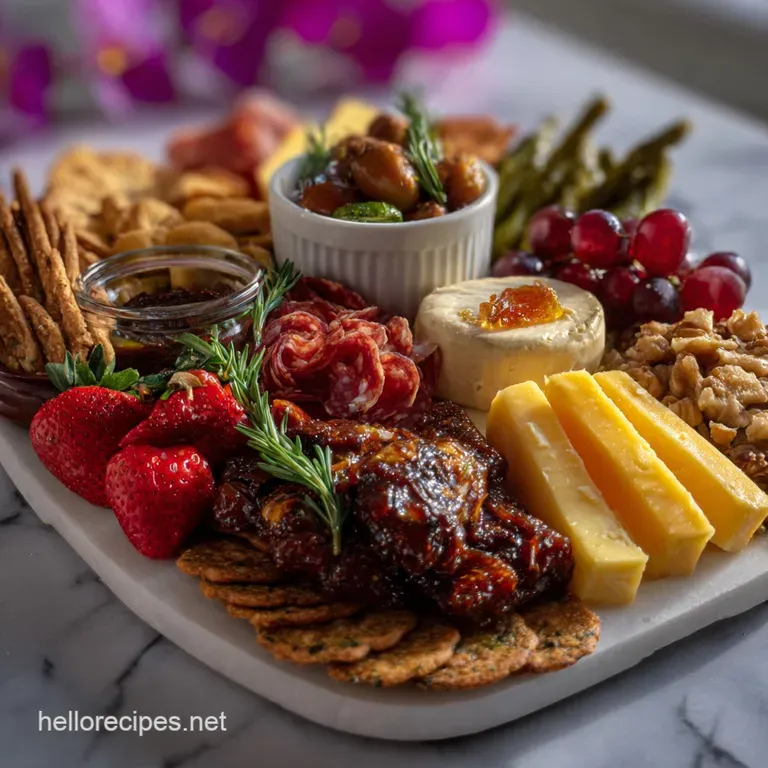
- Anchor the Board: Place your three small serving bowls directly on the board first. These are the anchors. Fill them with the hummus, the creamy spreadable cheese, and the fig jam.
- Place the Cheese Blocks: Arrange the two main cheese components the hard aged vegan cheese block and the vegan feta/cheddar cubes on opposite sides of the board. This forces guests to travel the length of the board.
2. Arrange the Large Items and Drapes ( 7 minutes)
- The S Curve: Lay down your plant based "meats" (the vegan pepperoni or smoked tofu) using a flowing, folded pattern a classic S-curve or ribbon. This adds visual movement.
- Scatter the Carbs: Place the tallest element, the breadsticks (grissini), in a jar or standing cup. Arrange the toasted baguette slices near the soft cheeses, and fan out piles of the thin crackers near the bowls of hummus. If you are baking something else, like a batch of How to Make gluten-free Hawaiian Rolls: Sweet Fluffy , place them here!
- Add the Robust Veggies/Fruit: Arrange the sliced figs, grapes, and the thinly sliced green apple around the board. Place the sun-dried tomatoes and marinated artichokes near the feta, as their salty profiles complement each other.
3. Fill the Gaps ( 3 minutes)
- The Filler: This is the most satisfying part of How to Make a Vegan Charcuterie . Fill every remaining empty space with the candied walnuts, pecans, and small piles of olives. Use the fresh veggies (carrots, cucumber ribbons) to frame the bowls, giving them a pop of color.
- Garnish & Finish: Drizzle the high-quality balsamic glaze or maple syrup lightly over the hard cheese block and the fruit. Tuck the fresh sprigs of rosemary or basil into open spaces. This instantly makes the board look high end and luxurious. And that's exactly How to Make a Vegan Charcuterie board that looks like a masterpiece!
Expert Tips and Common Mistakes to Avoid When Building Your Board
I’ve made every mistake in the book from soggy crackers to boards that looked like depressing vegetable platters. Here are the most common pitfalls and the fixes that guarantee a gorgeous spread.
| Common Mistake | Root Cause (Why It Happens) | The Fix (Solution) |
|---|---|---|
| Soggy Crackers | Crackers are placed too early or too close to wet elements (olives, juicy fruit, dips). | Wait until 15 minutes before serving to place crackers. If using juicy fruit, create a paper towel barrier underneath. |
| Boring Layout | All items are the same size/shape (too many flat slices or small cubes). | Use height! Stand up the breadsticks, stack the cheese slices, and use cucumber ribbons to add flow. The goal is visual density, not clutter. |
| Acidic Overload | Too many pickles/vinegary components placed together, burning out the palate. | Distribute the cornichons, marinated artichokes, and feta evenly across the board. Pair the highly acidic items directly next to a creamy dip (like hummus) for balance. |
Maximizing Prep Time: What Can Be Made Ahead?
You absolutely can (and should) prep components 24 hours in advance. Store all chopped vegetables, sliced proteins, and dips in airtight containers in the fridge. Do not slice the apples or place the crackers/bread on the board until just before serving.
Storage and Prep: Keeping Your Vegan Charcuterie Fresh
Best Practices for Prepping Components 24 Hours in Advance
Most of the non-carb components are excellent make-ahead items, which is key for successful entertaining. Prepare your dips (like the hummus or pesto), slice the hard vegan cheese, drain the olives and artichokes, and store all fruits/vegetables in separate containers.
How to Store and Repurpose Leftover Board Items
Never leave the assembled board out for more than 2 hours.
- Fridge: Carefully transfer any uneaten cheeses, dips, and protein slices into separate containers. They are usually good for 3 5 days.
- The Leftover Sandwich: If you have leftover vegan pepperoni, feta, and toasted bread, you are 90% of the way to an amazing Mediterranean sandwich the next day. This is how I always repurpose the excess ingredients when figuring out How to Make a Vegan Charcuterie last longer.
- Reheating (Bread only): If your mini baguette slices go stale, a quick 5 minutes in a toaster oven or air fryer will bring them back to life.
Optimal Pairings
This rich, plant forward spread pairs beautifully with dry, high acidity beverages. Try a crisp Sauvignon Blanc or a dry Rosé. For non-alcoholic options, sparkling water infused with rosemary and lemon, or homemade ginger kombucha, cuts through the richness of the hard cheeses and pesto beautifully.
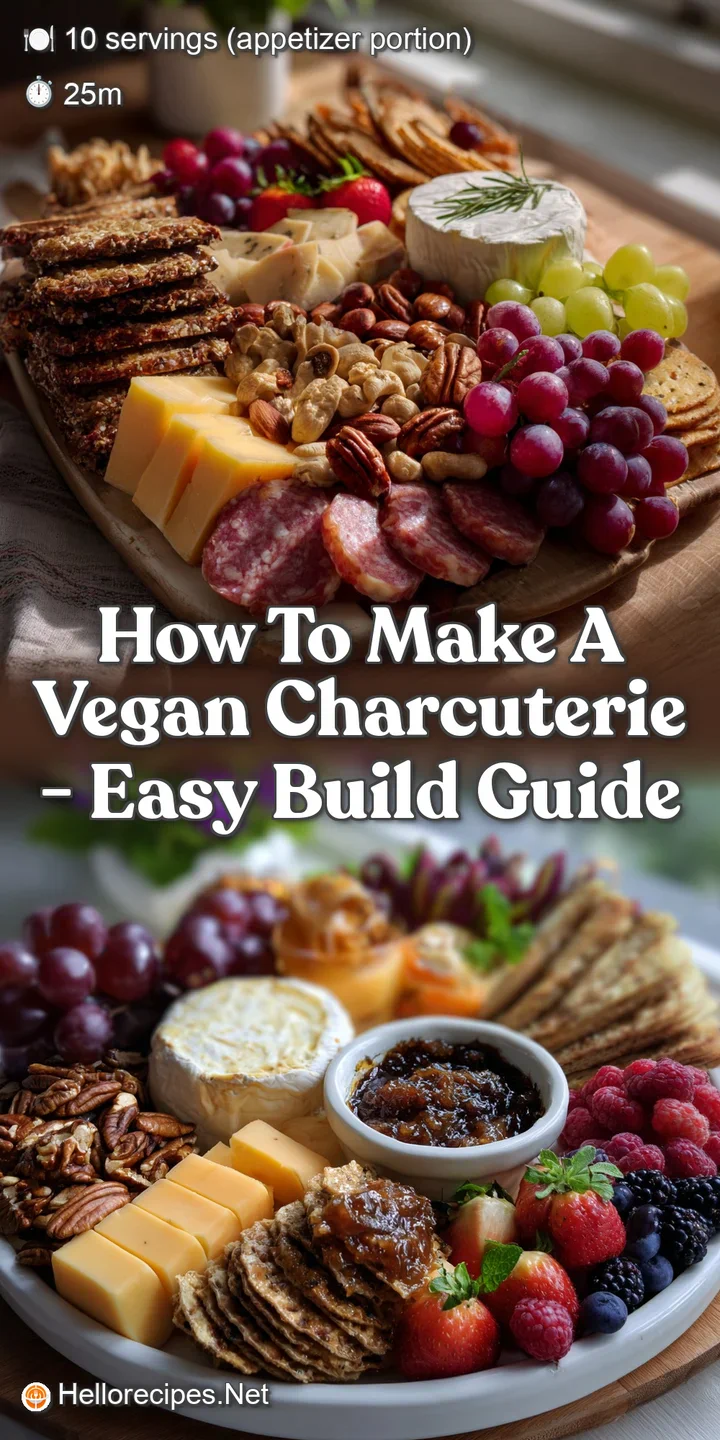
You’ve now mastered How to Make a Vegan Charcuterie board that is both beautiful and delicious!
Recipe FAQs
How to make a vegan charcuterie board?
Start by focusing on variety in texture and flavor, which is key to building a killer vegan board. You need soft elements (dips, spreads), hard elements (nuts, crackers), and centerpiece elements (vegan cheeses, cured fruits).
What are the essential components for a vegan charcuterie?
Yes, the essentials include a good variety of store-bought or homemade vegan cheeses, artisanal crackers, olives, pickled items, fresh and dried fruits, and nut butter or hummus for creamy texture.
How to make a vegetarian charcuterie board?
To make a vegetarian board, the process is nearly identical to vegan, but you can incorporate dairy cheese options like Brie or goat cheese if desired. Be sure to arrange your cheeses and dips symmetrically for visual appeal, similar to how we arrange ingredients in our Vegan Pumpkin Currant Bread: Moist Spiced Autumn Bake for texture contrast.
Can I use store-bought hummus instead of making homemade spreads?
Yes, absolutely; store-bought hummus is a perfectly acceptable shortcut when building your board quickly. The primary goal is textural balance, so even a simple, high-quality hummus works well as a creamy anchor point.
How far in advance can I assemble a vegan charcuterie board?
It is best assembled no more than 30 minutes before serving, as crackers will soften and delicate fruits can oxidize. Store all prepared components separately in the refrigerator and only arrange them just before presentation.
What can I use instead of cured meats on a vegan board?
Use marinated and roasted vegetables, smoked tofu slices, or specialized vegan deli slices for a savory, meaty substitute. For robust flavor profiles, consider seasoning your components heavily, perhaps using a blend similar to our homemade Poultry Seasoning: Make Homemade Herb Mix in Minutes to season roasted mushrooms.
How do I prevent my sliced apples or pears from browning?
Yes, briefly soak the sliced fruit in a bowl of water mixed with a tablespoon of lemon juice before patting them dry. This acidic bath halts the oxidation process, keeping your fruit looking fresh and vibrant on the board.
Build A Vegan Charcuterie Board
Ingredients:
Instructions:
Nutrition Facts:
| Calories | 586 kcal |
|---|---|
| Protein | 13.3 g |
| Fat | 29.5 g |
| Carbs | 63.8 g |
| Fiber | 6.0 g |
| Sugar | 23.3 g |
| Sodium | 1171 mg |
