Blood and Sand Cocktail: Master the Classic Scotch Drink
- Unpacking the History of the Blood and Sand Cocktail
- Achieving Perfect Harmony: The Science of the 1:1:1:1 Ratio
- Key Ingredients and Expert Ingredient Selection
- Mixing the Perfect Blood and Sand (The Method)
- Mixology Tips and Troubleshooting Common Errors
- Batching and Preparing Ahead for Entertaining
- Presentation and Ideal Food Pairings
- Recipe FAQs
- 📝 Recipe Card
Unpacking the History of the Blood and Sand Cocktail
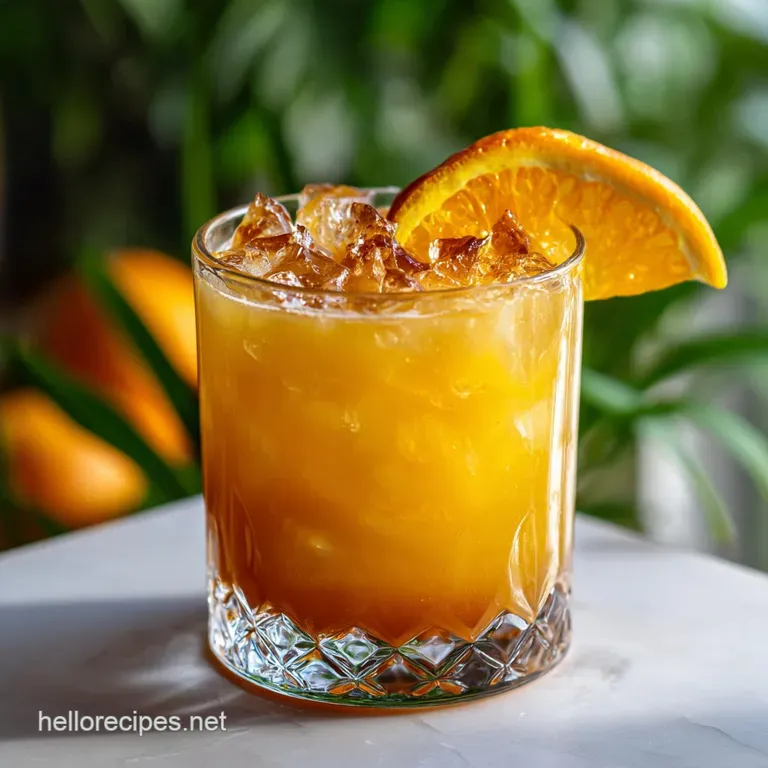
When you take that first sip, the aroma hits you first: a sweet, smoky perfume of peat and cherry, followed by a sharp, bright citrus burst that cuts right through. The look is glorious, too a deep, hazy orange that truly evokes the name, like sunlight filtering through red dust.
This drink is complex, mysterious, and utterly captivating; it’s the Blood and Sand cocktail .
I know, I know. A cocktail with Scotch, sweet vermouth, orange juice, and cherry liqueur sounds like something your great aunt might have mixed up in 1978. It sounds wrong .
But trust me, this four ingredient wonder is a lifesaver because it’s so ridiculously easy to master thanks to its equal parts structure, delivering maximum sophistication with minimal fuss.
Forget everything you think you know about Scotch cocktails being too harsh or intimidating. We are diving deep into the secrets of the Blood and Sand cocktail —the exact technique and, more importantly, the crucial ingredient swaps that ensure your glass achieves legendary status, not historical disaster.
Let’s crack on and get this iconic drink shaking.
Achieving Perfect Harmony: The Science of the 1:1:1:1 Ratio
This drink is an absolute marvel of classic mixology because it shouldn't work, yet it does. The strict, almost stubborn reliance on four equal parts demands respect for balance. Unlike most classic whiskey drinks where the spirit dominates (like an Old Fashioned), the Blood and Sand cocktail is an ensemble piece, requiring every element to pull its weight.
The Cinematic Inspiration: Rudolph Valentino
The origin story is as dramatic as the taste. The Blood and Sand cocktail first appeared in Harry Craddock’s 1930 Savoy Cocktail Book , named after the popular 1922 silent bullfighting epic starring Rudolph Valentino.
It’s a wonderful, evocative name, promising danger and passion. It’s hard to find another cocktail with such a clear literary or cinematic inspiration, making the drink an instant conversation starter.
Why This Classic Deserves a Renaissance
For a long time, the Blood and Sand cocktail was overlooked, often because home cooks cheaped out on the orange juice or cherry liqueur, resulting in a cloyingly sweet mess. But when made correctly using truly fresh ingredients it showcases Scotch in a deeply unexpected way. It softens the edges of the whisky, offering a warming complexity that rivals even the most perfectly executed Egg Nog Cocktail: The Velvet Christmas Custard Recipe . This drink is a complex, medium bodied beauty that deserves a spot in your rotation.
Decoding the Equal Parts Structure
The 1:1:1:1 ratio (typically ¾ oz or 22 mL of each component) is deceptively simple. Most classic recipes rely on ratios like 2:1 or 2:1:1. The equal structure here means there is no dominant flavor. This is why ingredient quality is non-negotiable.
If one part is off (like using stale vermouth or bitter bottled juice), the whole structure collapses. This is the ultimate test of quality ingredients.
Balancing Peat Smoke and Sweetness
The key to a successful Blood and Sand cocktail lies in managing the smoke from the Scotch. Too much peat, and you’ve overwhelmed the delicate fruit and herbal notes. Too little, and the drink loses its backbone.
We aim for a blended Scotch with a gentle smokiness that complements the dense, rich sweetness of the cherry liqueur and sweet vermouth, rather than fighting it.
The Essential Role of Fresh Citrus
You simply cannot skip the freshly squeezed orange juice. I tried once, thinking "It’s only ¾ ounce, how much difference can it make?" It made all the difference.
Bottled juice, especially pasteurized stuff, lacks the vital acidity and bright, volatile oils needed to lift the heavier ingredients. The fresh juice is the sharp sword that cuts through the richness, preventing the Blood and Sand cocktail from becoming heavy syrup.
Mastering the Chill Factor for Optimal Texture
Because this cocktail contains fruit juice, it must be shaken, not stirred. Shaking introduces air (aeration) and achieves rapid chilling and dilution, which is crucial for texture.
When you shake vigorously with plenty of ice, you slightly foam the orange juice, giving the drink a wonderful, silky mouthfeel that a stirred drink simply can't achieve.
Key Ingredients and Expert Ingredient Selection
If I could yell one piece of advice through the screen, it would be this: Don't skimp on quality, especially the liqueur. Since every ingredient is used in equal proportion, there’s no hiding a subpar selection.
| Ingredient | My Top Recommendation | Viable Substitution |
|---|---|---|
| Scotch Whisky | Monkey Shoulder or Famous Grouse (Blended) | Irish Whiskey (e.g., Jameson) or Canadian Whisky (for less smoke) |
| Sweet Vermouth | Carpano Antica (Rich) or Dolin Rouge (Fruity) | Quality Madeira or Ruby Port (Use sparingly; slightly drier) |
| Cherry Liqueur | Cherry Heering (Traditional and essential) | high-quality Kirsch (Cherry Brandy) or Luxardo Maraschino Liqueur (lighter body) |
| Orange Juice | Freshly Squeezed Navel or Valencia | Fresh Blood Orange or Tangerine Juice (Adjusting for sweetness/tartness) |
Choosing the Right Scotch Base (Blended vs. Single Malt)
For the classic Blood and Sand cocktail , I prefer a good blended Scotch. Why? Because single malts, especially those from Islay, often carry too much peaty intensity, which dominates the delicate cherry and herbal notes. Go for something smooth, reliable, and medium bodied.
Save your expensive, smoky Laphroaig for drinking neat, please!
Sweet Vermouth Varietals That Shine
Sweet vermouth is highly variable in flavour. Carpano Antica is rich, vanilla forward, and deeply structured, providing a bold background. Dolin Rouge is lighter, fruitier, and more subtle. If you haven’t finished the bottle in a month, store your sweet vermouth in the fridge.
It’s a fortified wine, and it absolutely goes bad, making your cocktail taste sour and oxidized.
Cherry Liqueur vs. Authentic Cherry Heering
Cherry Heering is the traditional liqueur used in the Blood and Sand cocktail and it’s truly the best choice. It’s heavy, rich, and offers a deep, almost jammy cherry flavor that is indispensable.
If you must substitute, use a high-quality kirsch (cherry brandy), but remember kirsch is dry and higher proof. You’ll need to increase the richness elsewhere, perhaps by using the bolder Carpano Antica vermouth.
Handling Substitutions for a Lighter Drink
If you find the traditional recipe too rich or perhaps too dark in flavor, you can lighten it slightly. Try using a lighter, less intense scotch and switching the Cherry Heering for Luxardo Maraschino Liqueur. Luxardo is drier, relying on almonds and sour cherries.
This change makes the Blood and Sand cocktail feel sharper and less brooding, though it moves away from the classic profile.
Mixing the Perfect Blood and Sand (The Method)
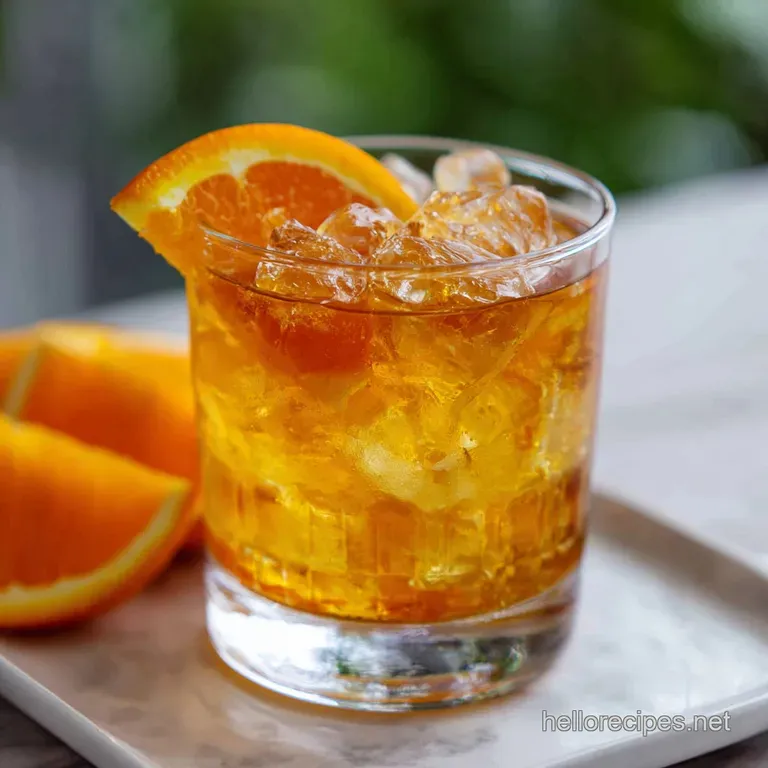
This is a shaken cocktail, and the method is everything. We aren't making a Snakebite Drink: The Iconic Layered Pub Cocktail Recipe here; we need integration and a brilliant texture.
Preparing Your Glassware and Tools
First things first: Chill your glass. Either stick your Coupe or Nick & Nora glass in the freezer while you prep, or fill it with ice and water. A cold glass buys you crucial time before dilution starts ruining the experience.
Have your jigger (for precise measuring) and your shaker ready to go.
Measuring and Combining the Four Components
Measure out ¾ ounce of each of the four components: Scotch, Sweet Vermouth, Cherry Liqueur, and Fresh Orange Juice. Pour them directly into the small side of your cocktail shaker (or the main tin of a Boston shaker).
I always measure the orange juice last, just in case the shaker seals better without that citrus acidity sitting on the metal for too long.
The Technique of a Hard Shake and Strain
Fill your shaker two-thirds full of ice. Seal it up tight. Now, shake it like you mean it. We need a hard, fast shake for about 10 15 seconds until the outside of the shaker is frosty and too cold to comfortably hold. Don't stir!
The hard shake ensures maximum aeration, resulting in a smooth, foamy texture. When straining, always use a fine mesh sieve (a double strain) to catch any tiny ice shards or orange pulp. This step is essential for a velvety smooth Blood and Sand cocktail .
Garnish Guidance: Orange Peel Prep
The traditional garnish is a simple, broad orange peel twist. Use a paring knife or a vegetable peeler to cut a generous strip of zest. Before serving, twist the zest aggressively over the surface of the strained cocktail. This expresses the aromatic oils right onto the drink, enhancing the citrus aroma.
Rub the peel around the rim for an extra burst of fragrance, then drop the twist into the glass.
Chef's Note: The chilling and aeration process is non-negotiable for the Blood and Sand cocktail. If the drink is not cold enough, the sweetness from the vermouth and liqueur dominates the Scotch. Shaking hard is the secret sauce here.
Mixology Tips and Troubleshooting Common Errors
The Danger of Over Dilution
If you shake too long (say, past 20 seconds), you dilute the drink too much, washing out the complex flavors. You want optimal chill and a little dilution, but not a watery drink. Conversely, if you use too much watery or crushed ice, you will also hit that over dilution mark quickly.
Use large, solid ice cubes for the shake.
The Importance of Freshly Squeezed Juice
I cannot stress this enough. If your drink tastes flat, lifeless, or just generally sticky sweet, the culprit is almost certainly the orange juice. Seriously, buy one orange and squeeze it. It takes 30 seconds and guarantees a phenomenal flavor profile for the Blood and Sand cocktail .
If you can find blood oranges, the resulting drink is even more dramatic in color and often slightly tarter.
Adjusting the Ratio for Different Palates
The 1:1:1:1 is the classic standard, but mixology is about personal taste. If you find the Blood and Sand cocktail too sweet, you can try adjusting to a 1.25:1:1:0.75 ratio (more Scotch, less orange juice). Or, if you want less of the liqueur profile, try 1:0.75:0.75:1.
Play around, but always keep the Scotch as the anchor.
Avoiding Syrupy Results
If you are using a rich sweet vermouth like Carpano Antica and Cherry Heering, the drink can become quite dense. To counter this, ensure your Scotch has a strong proof and that you shake until the outside of the shaker is truly frozen.
Serving it in a chilled glass is the final defense against syrupy disaster.
Batching and Preparing Ahead for Entertaining
The Blood and Sand cocktail is a fantastic choice for a party because it’s so easy to batch. This saves you from shaking drinks for 45 minutes straight when your friends arrive.
Pre-Mixing Instructions for Large Servings
The key to batching any cocktail that includes citrus is to mix the non-citrus elements first and save the fresh juice for the last possible moment.
- Combine the Spirit Base: Mix the Scotch, Sweet Vermouth, and Cherry Liqueur in a large, sealed container, scaling up the quantities appropriately (e.g., 8 oz of each for 10 servings).
- Refrigerate: Seal the mixture tightly and refrigerate. This can be done up to 24 hours in advance.
- Add Citrus at Serving: When guests arrive, measure the required amount of the base mixture and pour it into the shaker. Then add the required portion of fresh orange juice and ice before shaking vigorously per serving.
Best Practices for Short Term Refrigeration
If you batch the entire Blood and Sand cocktail (including the orange juice), the citrus will start to lose its vibrancy and potentially taste bitter within about an hour.
If you absolutely must batch the whole thing, keep it tightly sealed in the coldest part of your fridge and only plan to keep it for 2- 3 hours max. Always shake (or stir vigorously with ice) each serving just before pouring, regardless of whether you batched it or not, to ensure proper chill and dilution.
Presentation and Ideal Food Pairings
The deep orange hue and complex structure of the Blood and Sand cocktail demand a sophisticated pairing. This is not a summer patio sipper like a Cape Codder Drink: The Quintessential Vodka Cran Cocktail ; it’s a pre-dinner mood setter.
Serve the strained cocktail in a classic coupe glass. The smooth, wide bowl shows off the color beautifully. The small capacity encourages you to sip and savor the complexity of the drink.
Due to the smoky depth of the Scotch and the herbal notes of the vermouth, the Blood and Sand cocktail pairs exceptionally well with rich, savory, salty appetizers that offer a textural contrast.
Think aged cheese like Gruyère, cured meats such as prosciutto or chorizo, or even smoky paprika dusted almonds. The saltiness and fat in these foods perfectly counter the sweetness and fruit of the cocktail, making both taste better.
If you’ve never tried to make a Scotch cocktail at home, this is where you start. The Blood and Sand cocktail is an accessible classic that proves that sometimes the strangest combinations yield the most spectacular results. Go forth and shake something beautiful!

Recipe FAQs
What type of Scotch whisky is best for the Blood and Sand?
A mild, slightly smoky blended Scotch or a lighter Speyside single malt is highly recommended for this recipe. Avoid heavily peated Islay whiskies, as their intensity will overwhelm the delicate balance of the cherry brandy and vermouth. Look for Scotch that offers depth without being overly aggressive on the palate.
Why does my Blood and Sand taste too medicinal or unbalanced?
The equal parts ratio (1:1:1:1) is crucial, but sensitivity to specific ingredients can throw off the balance. If it tastes medicinal, try slightly reducing the sweet vermouth or switching to a less polarizing brand like Carpano Antica.
Ensure your orange juice is freshly squeezed, as bottled juice often lacks the necessary acidity to cut through the sweetness.
Can I substitute Cherry Heering with another cherry liqueur?
While possible, substitution should be done with caution. Cherry Heering is a specific, robust, and sweet cherry brandy that provides the necessary color and flavor depth. If using a drier Maraschino liqueur (like Luxardo), you should slightly increase the amount of orange juice or simple syrup to compensate for the lost sweetness and richness.
Should the Blood and Sand cocktail be shaken or stirred?
Always shake this cocktail. Because the recipe contains fresh orange juice, vigorous shaking is essential for proper chilling, adequate dilution, and crucial aeration. Shaking creates a smoother mouthfeel and ensures the citrus integrates fully with the heavier spirits.
How can I make a large batch of Blood and Sand ahead of time?
You can pre-batch the alcoholic components (Scotch, Sweet Vermouth, and Cherry Heering) and store them refrigerated for up to a week. However, you must omit the orange juice from the batch.
Only add the fresh orange juice and shake with ice just before you plan to serve, as citrus degrades quickly and will flatten the cocktail's flavor.
Why is my cocktail cloudy even after shaking?
Cloudiness is usually caused by pulp or suspended solids from the freshly squeezed orange juice. To achieve a perfectly clear drink, always double strain the mixture after shaking using a fine mesh strainer in addition to your cocktail strainer.
Using crystal clear ice can also minimize cloudiness introduced during the shaking process.
What is the recommended garnish for the Blood and Sand?
The traditional and most complementary garnish is a Luxardo or brandied cherry, which reinforces the 'Blood' aspect of the drink's name and complements the cherry liqueur. Alternatively, a simple orange peel expressed over the top adds complexity and a fragrant citrus oil aroma.
If using a peel, ensure you rub the rim of the coupe glass before dropping it in.
Blood And Sand Cocktail Recipe
Ingredients:
Instructions:
Nutrition Facts:
| Calories | 200 kcal |
|---|---|
| Fat | 0 g |
| Fiber | 0 g |
