The Golden Autumn Melangery Gratin a Rustic Bake of Root Vegetables and Sage Cream
- Decoding 'Melangery': Why This Savory Bake Redefines Comfort Food
- The Alchemy of Autumn: Introducing the Harvest Melangery Gratin
- Assembling the Components: Necessary Produce and Pantry Staples
- Step-by-Step Mastery: Executing the Perfect Cooking Melangery Layers
- Beyond the Bake: Creative Variations on the Core Melangery Concept
- Nutritional Balance: Crafting a Wholesomely Exciting Meal
- Recipe FAQs
- 📝 Recipe Card
Decoding 'Melangery': Why This Savory Bake Redefines Comfort Food
The culinary world is perpetually buzzing with new terms, but sometimes, the most exciting creations arise from beautifully descriptive, invented language. "Melangery," which we are interpreting here as a hearty, layered, and profoundly savoury bake, marries the idea of a mélange —a rich mixture with the comforting structure of a gratin or casserole.
This isn't just dinner; it’s an edible hug, a dish designed to anchor a chilly evening with its deeply satisfying textures and aromatic profile. While some might reach for a Pineapple Coconut Smoothie Recipes blend for a midday lift, the Melangery is where we turn when we crave something substantial, layered, and rooted in the earth’s bounty.
It speaks to a desire for food that is both nostalgic and refined, making it a perfect centrepiece for intimate gatherings.
The Alchemy of Autumn: Introducing the Harvest Melangery Gratin
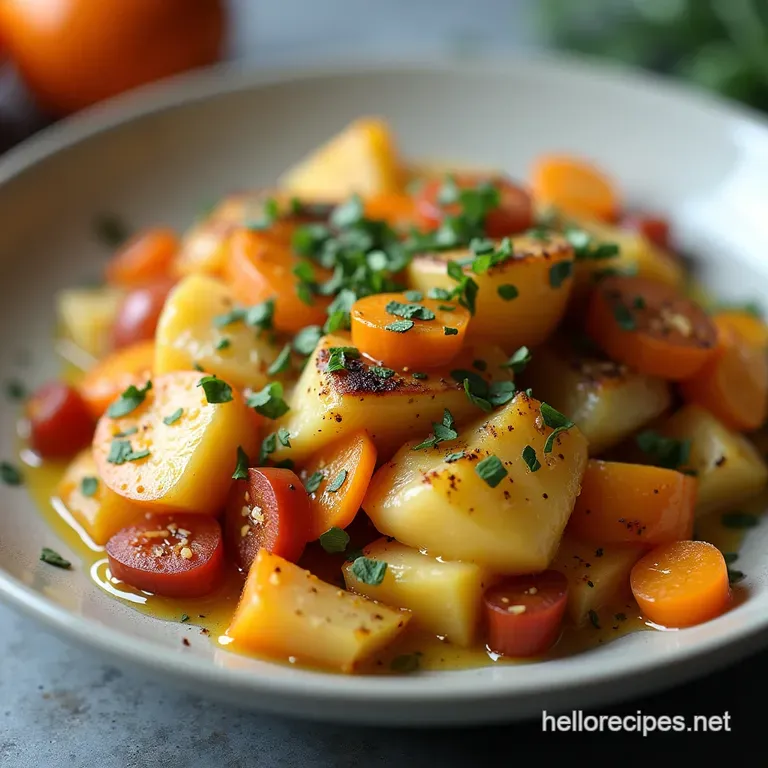
We are naming this specific iteration The Golden Autumn Melangery Gratin: A Rustic Bake of Root Vegetables and Sage Cream . This gratin takes inspiration from classic French gratins and comforting English bakes, transforming humble root vegetables into something truly spectacular.
It is a celebration of seasonal produce bound together in a rich, savoury custard infused with fresh sage and warm nutmeg. The result is a dish boasting beautifully caramelised edges contrasting with a meltingly tender interior.
This creation hits that perfect sweet spot: rustic enough for a busy weeknight but elegant enough to impress unexpected guests. The estimated time commitment sees about 35 minutes dedicated to preparation, including careful slicing, and then roughly 55 to 65 minutes in the oven, yielding about six generous side servings.
A Sophisticated Mélange: What Makes This Recipe Unforgettable
What truly sets this Melangery apart is the deliberate contrast in texture and flavour. We are dealing with naturally sweet elements butternut squash and sweet potato which are tempered by the sharp, herbaceous punch of fresh sage and the earthy warmth of nutmeg, all swimming in a bath of heavy cream and milk.
This depth is crucial. Think about the pleasure derived from a good Pineapple Mango Papaya Smoothie Ingredients blend it’s about harmonious complexity. Here, that complexity comes from savory depth.
The dish requires a Medium difficulty level, primarily because achieving that textbook textural contrast crisp top layer meeting a perfectly set, creamy core demands attention to the custard-to-vegetable ratio.
Why This Cooking Melangery Technique Belongs on Your Menu
The core technique behind Cooking Melangery involves precise layering and a two-stage baking process. This method ensures that the dense root vegetables our primary Smoothie Fruit counterparts, albeit in savoury form cook through completely without drying out before the top achieves its golden crust.
The technique starts with a preliminary covered bake, which effectively steams the vegetables in their own moisture and the initial binder infusion. Only once this tenderness is assured do we uncover the dish to develop that essential, toothsome, cheesy crust.
It’s a structural approach that guarantees success where a standard casserole might become soggy.
Setting the Scene: Pairing Suggestions for Your Rustic Bake
Because the Melangery Gratin is inherently rich, featuring heavy cream and robust root vegetables, it pairs best with components that offer sharpness or lightness. For a main course approach, consider slow braised lamb shanks or simply roasted chicken; the gratin excels at soaking up residual pan juices.
Alternatively, for a lighter supper, contrast the richness with a vibrant, peppery salad, perhaps one featuring watercress dressed simply with lemon vinaigrette. If you’re in the mood for a lighter, fruitier element elsewhere in your meal planning, perhaps a simple Coconut Smoothie Recipe could serve as a surprisingly refreshing palate cleanser post meal, offering that tropical counterpoint.
Assembling the Components: Necessary Produce and Pantry Staples
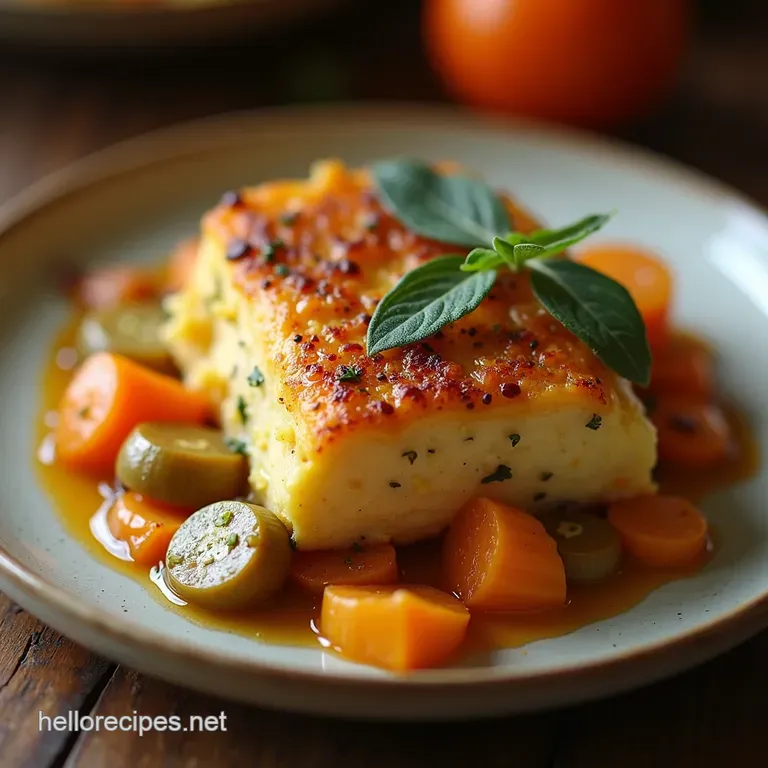
Crafting this gratin begins with selecting high-quality, dense vegetables that will hold their shape during the long bake. For our vegetable mélange , we require about one pound each of sweet potatoes and butternut squash, both peeled and sliced thinly ideally 1/8 inch thick for uniformity.
We also incorporate two medium parsnips, similarly sliced, alongside one large brown onion, thinly sliced, which will dissolve beautifully into the creamy sauce as it bakes. These vegetables are tossed simply with about two tablespoons of olive oil, one teaspoon of kosher salt, and half a teaspoon of black pepper before layering.
Curating Richness: Selecting the Optimal Cheese and Cream Elements
The backbone of any great gratin is the liquid binder that sets into a luscious custard. We need 1 1/2 cups of heavy cream (double cream) paired with 1/2 cup of whole milk to achieve the right balance between richness and set-ability. Three large eggs, lightly beaten, act as the primary emulsifier.
The flavour architects here are two very finely minced cloves of garlic, one generous tablespoon of finely chopped fresh sage, and half a teaspoon of freshly grated nutmeg never skip the fresh nutmeg!
For the crowning glory, we will use three quarters of a cup of grated Gruyère cheese; its nutty, slightly salty profile melts beautifully, offering a superior texture compared to milder cheeses.
The Grain Foundation: Choosing the Right Textural Base
While the primary structure of the Melangery is vegetable based, we introduce a textural element in the topping to ensure an audible crunch. This is where a small quantity of breadcrumbs comes into play. We specifically call for two tablespoons of Panko breadcrumbs.
Their flaky nature creates superior crispness compared to standard dried crumbs. This crisp element is vital; it mimics the satisfying textural interplay you might seek in a vibrant, chilled beverage like a Feel good Pineapple Smoothie , where varied textures contribute to the overall enjoyment.
Mastering the Savory Greens: Incorporating 'Green' Depth
While our core recipe focuses on root vegetables, any robust Melangery benefits from incorporating greens for colour, mineral content, and a slight bitter contrast. If Swiss chard or spinach is available, one cup, finely chopped and briefly sautéed to remove excess moisture, can be gently folded into the vegetable mixture before the initial layering.
This step enhances the nutritional profile, creating something akin to a sophisticated, warm take on a Paleo Pineapple Smoothie ’s nutrient density, but in a savory format.
Essential Tools for Perfect Gratin Construction
Success in this Cooking Melangery dish hinges on consistency. Therefore, a mandoline slicer is highly recommended to ensure every slice of sweet potato and squash is uniform. If a mandoline isn't available, a very sharp chef's knife is necessary, demanding patience.
Beyond the slicing tool, you will need a large mixing bowl for tossing the vegetables, a whisk for aerating the cream binder, and a 9x13 inch (or equivalent 3-quart) baking dish to allow the layers sufficient surface area to brown correctly.
Related Recipes Worth Trying
- cooking and baking Shepherds Pie Cheesy Mash Perfection — Proper English cooking and baking This Shepherds Pie with cheesy mashed potato topping is ultimate comfort Lamb mince golden crust give it a go
- Cooking Sweet Potatoes in Oven My TopRated Roasted Recipe — Learn the secrets to cooking sweet potatoes in oven perfectly This easy recipe delivers caramelized meltinyourmouth goodness every time A simple comforting...
- Cooking Fresh Green Beans Lemon Garlic Bliss — Easy cooking fresh green beans recipe You bet My garlic lemon green beans are crisptender and bursting with flavor The perfect veggie side dish Get the...
step-by-step Mastery: Executing the Perfect Cooking Melangery Layers
The process is methodical, moving from preparation to assembly and finally to the patient bake. Begin by preheating your oven to 375° F ( 190° C). Toss all your prepared root vegetables and onions with the olive oil, initial salt, and pepper.
In a separate bowl, whisk the heavy cream, milk, eggs, garlic, sage, nutmeg, and remaining seasonings vigorously until the mixture is homogenous and slightly frothy.
Prepping the Vegetables: Roasting vs. Sautéing for Maximum Flavor
For this specific gratin structure, we skip pre-roasting or sautéing the root vegetables. Because they will be thoroughly steamed submerged in the cream binder during the initial baking phase, any prior cooking would risk turning them to mush.
The oil toss is purely to season the outside surfaces slightly and aid in the initial binding process once the heat activates.
Creating the Creamy Binder: Balancing Richness and Lightness
The key to the binder is thorough emulsification. Ensure the eggs, cream, and milk are completely integrated before adding the finely minced garlic and sage. The goal is a smooth, pale yellow liquid.
This ensures that when poured over the vegetables, the liquid evenly seeps into every crevice, preventing dry spots.
The Assembly Sequence: Layering for Structural Integrity
Begin by arranging half of your seasoned vegetables in dense, overlapping layers across the bottom of the prepared dish. Next, pour exactly half of the sage cream binder evenly over this base layer. Top this with the remaining vegetables, arranging them aesthetically if you wish, as this will be the visible top layer.
Finally, gently pour the rest of the binder over the top, taking a moment to nudge the liquid down the sides to ensure full coverage.
Finishing Touches: The Crucial Ten Minutes Out of the Oven
The first 35 minutes of baking must be done tightly covered with foil; this is essential for tenderizing the dense vegetables. After this time, remove the foil. Now, sprinkle the prepared topping the mixture of grated Gruyère, Panko, and melted butter evenly over the surface.
Return the dish, uncovered, to the oven for the final 20 to 30 minutes. This critical final stage develops the golden brown crust you are aiming for. Remember to allow the gratin to rest on a wire rack for a crucial 10– 15 minutes after removal; this allows the hot custard to firm up, ensuring clean, beautiful slices when serving.
Beyond the Bake: Creative Variations on the Core Melangery Concept
While the Golden Autumn Melangery Gratin is superb as is, this adaptable base technique invites creative experimentation. For a variation focused on deeper umami, stir one tablespoon of white miso paste directly into the Sage Cream Binder before pouring; it offers a profound savoury backbone.
If you prefer a brighter flavour profile reminiscent of a vibrant, chilled Pineapple Coconut Smoothie , consider swapping half the sage for fresh thyme and adding a pinch of lemon zest to the cream mixture.
The primary vegetable selection is also highly adaptable; while we used root vegetables, you could substitute thinly sliced potatoes, fennel, or even hearty greens like kale (pre-wilted) to completely change the character of the bake.
Nutritional Balance: Crafting a Wholesomely Exciting Meal
Although this Melangery is rich owing to the heavy cream necessary for its luxurious texture it is packed with Vitamin A from the squash and fiber from the root vegetables, offering a substantial nutritional base.
We estimate each of the six servings contains approximately 410 450 calories, with a notable amount of fat derived from the cream and cheese.
Storage Secrets: Keeping Your Gratin Flavorful for Days
Leftovers store exceptionally well. Once fully cooled, cover the baking dish tightly with plastic wrap or transfer portions to an airtight container. Stored in the refrigerator, this Melangery remains delicious for up to four days.
Reheating is best done slowly in a moderate oven (around 325° F or 160° C) until heated through, which helps the custard re-set slightly without drying out the edges.
Ingredient Swaps: Adapting to Seasonal Availability
Flexibility is key in any kitchen. If heavy cream is unavailable or you wish to lighten the dish, you can substitute it with an equal amount of full fat, chilled coconut cream (the thick solid part from a can).
Be aware that this will impart a subtle tropical note, which might unexpectedly complement the sweetness of the squash, much like the flavour synergy found in a Pineapple Coconut Smoothie .
For cheese, sharp Cheddar or even Parmesan can substitute for Gruyère, though they will alter the melt and flavour profile slightly.
Achieving Balance: How to Serve This Dish as Part of a Diet Plan
To balance the inherent richness of this dish, serving sizes should be moderated if you are following a strict low-fat plan. Treat it as a decadent side dish rather than the main caloric driver.
Accompanying it with a large volume of fresh, low-calorie items like a simple green salad will immediately balance the macro profile of the meal.
Elevating the Experience: Infusing Exotic Flavors into Your Gratin
To truly move the Melangery into exciting new territory, consider infusing the cream before mixing. Gently warm the heavy cream and milk (do not boil) and steep a few slices of fresh ginger or a star anise pod in the warm liquid for 20 minutes before straining it out and incorporating it into the egg mixture.
This adds an aromatic sophistication that elevates the dish far beyond standard comfort food, proving that even the richest bakes can carry unexpected global whispers.

Recipe FAQs
I’m new to this what exactly is Melangery, and why is it so creamy?
Right then, "Melangery" isn't a traditional dish, but think of it as a posh, layered bake a marvellous mélange of root vegetables held together by a rich custard. The creaminess comes directly from the heavy cream and eggs in the binder, which sets gently in the oven, making it wonderfully tender, much like a French gratin.
How can I make sure my Cooking Melangery doesn't end up watery or soggy in the middle?
That's a cracking question that separates the bakers from the novices! The key is ensuring your vegetables are sliced uniformly a mandoline is a lifesaver here and sticking rigidly to the two-stage baking process.
Covering it first steams the veg tender, and the final uncovered bake dries out the top while setting that gorgeous custard.
Can I make this ahead of time? I need something ready for the Sunday crowd.
Absolutely, you can prep ahead, which is always a godsend! Assemble the entire dish, right up to the cheese topping, cover it tightly, and pop it in the fridge for up to 24 hours. When you’re ready to bake, let it sit on the counter for about 30 minutes to take the chill off before putting it in the oven, perhaps adding an extra 5 10 minutes to the covered bake time.
My veggies seem tough even after baking; what substitution can I make in the recipe?
If your root vegetables are coming out hard, it usually means they needed more steam time. Next time, try blanching your hardest vegetables (like squash or parsnips) for three minutes in boiling water before layering them in; this gives them a head start.
Alternatively, ensure your binder liquid is covering most of the vegetables so they have enough moisture to soften.
What’s the best way to store leftovers if I have too much Melangery?
Leftovers are brilliant cold the next day, often tasting even better as the flavours have melded! Cover the dish tightly or transfer slices to an airtight container and refrigerate for up to three days.
To reheat, cover loosely with foil and bake at 325°F (160°C) until heated through, or simply microwave if you’re in a proper rush.
Autumn Melangery Gratin

Ingredients:
Instructions:
Nutrition Facts:
| Calories | 2391 kcal |
|---|---|
| Protein | 17.4 g |
| Fat | 63.3 g |
| Carbs | 89.2 g |
| Fiber | 24.9 g |
| Sodium | 468 mg |
