The Ultimate Saffron Seafood Chicken Paella Mastering the Socarrat
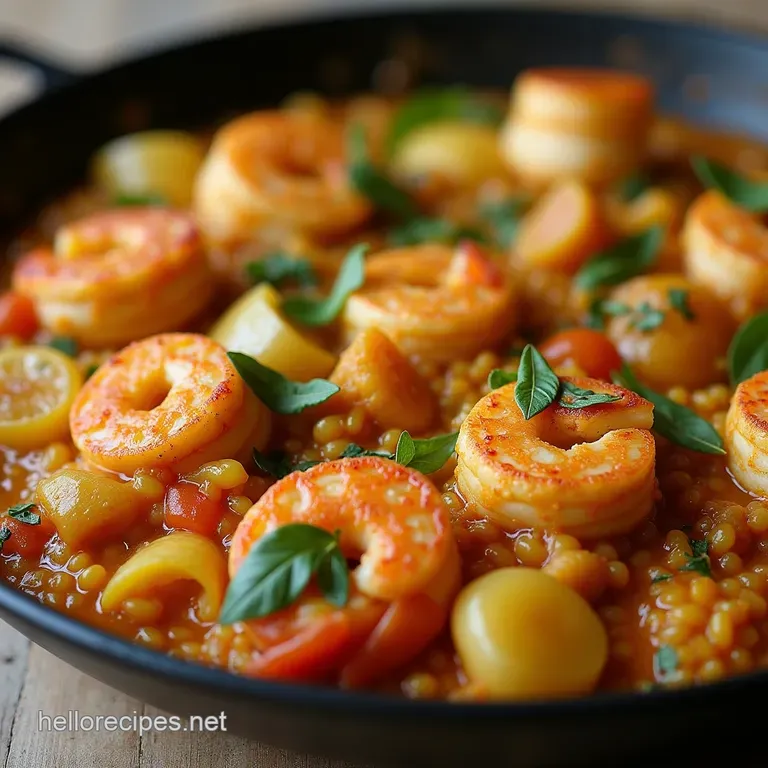
- Unlocking the Secrets to Authentic Spanish Paella Perfection
- Beyond the Basic Rice: Why This Recipe Redefines Paella Mixta
- Curating the Essential Pantry for a Rich Broth Foundation
- The Seven Phases of Building Unforgettable Spanish Paella Flavor
- Troubleshooting Common Paella Pitfalls and Expert Fixes
- Creative Adaptations: From Vegan Options to Oven Finishes
- Recipe FAQs
- 📝 Recipe Card
Unlocking the Secrets to Authentic Spanish Paella Perfection
Cooking a proper Spanish Paella is less about following rigid rules and more about respecting the layered flavour development inherent in this iconic dish. Hailing from Valencia, this traditional Spanish icon is a communal dish built around flavour layers.
We'll be using Bomba rice to absorb a rich, slow simmered broth infused with smoky paprika and precious threads of saffron. The combination of tender chicken, plump seafood, and vibrant vegetables creates a symphony of Mediterranean Paella tastes, all crowned by that essential, slightly toasted socarrat (the prized crispy bottom crust).
Olé!
The difficulty level for this recipe leans toward medium. While the ingredient preparation is straightforward seasoning chicken, chopping vegetables achieving the perfect socarrat without burning the rice demands careful attention to heat management and, crucially, knowing precisely when not to stir.
This restraint is often the biggest hurdle for newcomers to mastering this Paella Recipe Authentic Spain style.
This entire process, from prepping your aromatics to allowing the crucial resting period, takes approximately 1 hour and 20 minutes total, yielding 6 generous servings designed to impress.
Beyond the Basic Rice: Why This Recipe Redefines Paella Mixta
We are constructing what is traditionally known as Paella Mixta —a delightful blend incorporating both land and sea proteins offering a fuller flavour experience than single protein versions.
The Cultural Significance of Valencia's Culinary Crown Jewel
The very essence of Spanish Paella lies in its communal nature. Originating in the fields around Valencia, it was historically cooked outdoors over an open fire, utilizing whatever local ingredients were abundant: rice, snails, beans, and sometimes rabbit or duck.
Using a wide, shallow pan was not an aesthetic choice but a functional necessity, ensuring the rice cooked in a thin layer, maximizing the development of the crust. Understanding this history informs how we approach the modern stovetop version.
Defining the 'Socarrat': That Essential Crispy Base
The true marker of a successful paella, regardless of whether you are making a Shrimp Paella Recipe Authentic or a chicken version, is the socarrat . This term refers to the toasted, slightly caramelized layer of rice stuck to the very bottom of the pan.
It should be deeply flavourful and wonderfully crisp, providing a textural counterpoint to the tender rice above it. Achieving it requires building heat correctly in the final minutes without allowing the upper layers to scorch.
Setting Expectations: What Makes This Seafood & Chicken Blend Superior
By combining Spanish Paella Chicken pieces which release wonderful collagen and deep, savoury notes into the stock with delicate seafood like shrimp and mussels, we achieve a complex, balanced flavour profile.
The seafood cooks quickly, ensuring it remains tender, while the chicken provides the foundational, slow cooked depth that elevates this beyond simple rice and protein. This blend ensures a satisfying texture throughout every spoonful.
Curating the Essential Pantry for a Rich Broth Foundation
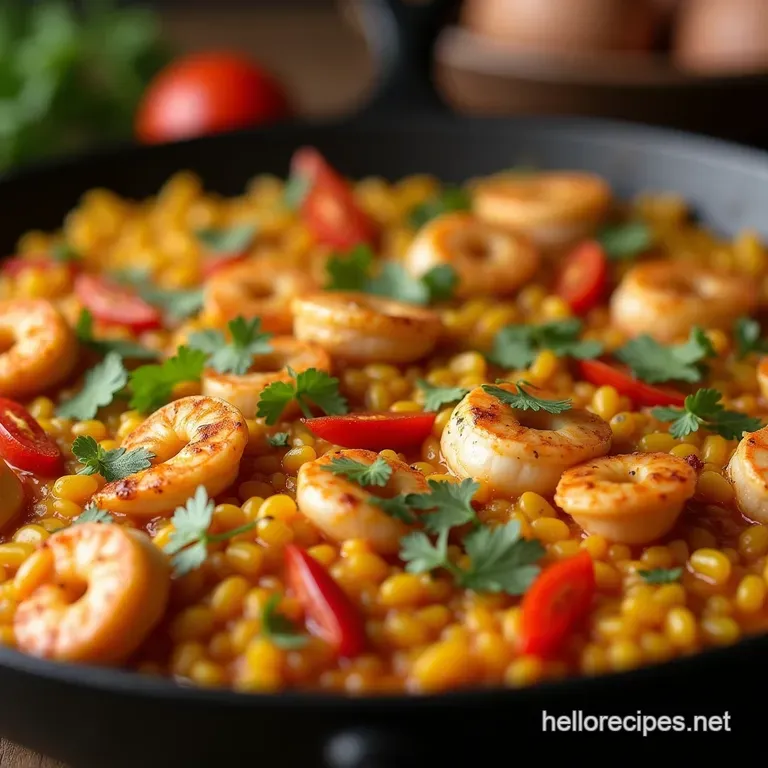
The secret to any remarkable paella resides in the quality of the liquid base. A weak stock yields a weak paella. To build the necessary foundation for this Authentic Spanish Paella Recipe , we must pay close attention to our flavour carriers.
The Non-Negotiable Role of Bomba Rice in Absorption
When sourcing your Spanish Paella Rice , you absolutely must look for short grain varieties like Bomba or Calasparra. These varieties are prized because they can absorb three times their volume in liquid without bursting or releasing excess starch. Remember: do not rinse your rice!
Rinsing washes away the surface starch required to bind the dish slightly and achieve that perfect texture in the upper layer.
Saffron Threads vs. Powder: Achieving Deep Golden Hues
While budget constraints might tempt you toward powdered saffron, investing in high-quality threads is paramount. The flavour and aroma from threads are incomparably superior. To maximize their impact, the saffron must be bloomed.
Gently steep about a half teaspoon of packed threads in one cup of the hot cooking stock for at least 15 minutes before starting; this releases the vibrant colour and essential earthy notes into the liquid.
Aromatic Building Blocks: Smoked Pimentón and Sofrito Base
A successful sofrito —the aromatic base is crucial. This recipe relies heavily on sweet smoked paprika ( Pimentón Ahumado Dulce ), which imparts a signature smokiness that defines authentic Spanish cooking.
Alongside chopped onion and red bell pepper, these ingredients, slow cooked in quality olive oil, form the deeply savoury layer upon which the rice will cook. We also incorporate a tablespoon of tomato paste here for concentrated acidity and body.
Essential Gear: Why the Paella Pan Matters More Than You Think
To achieve the correct thin layer required for even cooking and socarrat development, the Spanish Paella Pan (or paellera ) is essential. Its large diameter and shallow depth ensure the rice grains spread out.
For this recipe serving 6, aim for a pan between 15 and 16 inches wide. If you lack one, use the widest, shallowest skillet available to maximize surface contact with the heat source.
Related Recipes Worth Trying
- Authentic Seaside Paella Recipe with Perfect Socarrat — Master the Traditional Spanish Paella Recipe at home This guide guarantees flavourful seafood and chicken paella with that essential crispy socarrat base
- Authentic Smoky Chicken Paella Recipe with Crispy Socarrat — Learn how to make a truly authentic Spanish Chicken Paella that develops deep smoky flavour and that coveted crispy socarrat base Easy steps for home cooks
- Easy Spanish Rice Quick Flavorful Fiesta Rice — Need a delicious easy Spanish Rice This onepot recipe is packed with flavor and ready in just 35 minutes Perfect for weeknights Ole Try it today
The Seven Phases of Building Unforgettable Spanish Paella Flavor
The cooking process is best broken down into distinct phases, moving from searing the proteins to the final, crucial resting period. We start with 1/2 cup of good olive oil in the Spanish Paella Pan over medium high heat.
Phase One: Searing Proteins and Establishing the Flavor Depth
First, season your 1 pound of boneless, skinless chicken thighs lightly. Sear these pieces until they are nicely browned on all sides. This browning caramelizes the exterior proteins, creating foundational flavour compounds that will enrich the entire dish.
If using chorizo, render its fat first, then remove the browned chicken and set it aside with any rendered chorizo pieces.
Creating the Sofrito: Slow Cooking Your Vegetable Heart
Reduce the heat to medium. If using chorizo, its rendered fat provides the base for sautéing the onion and red bell pepper until they soften beautifully, about 8 minutes.
Add the minced garlic and tomato paste, cooking for just one minute until fragrant, followed immediately by the tablespoon of smoked paprika. Be quick here; paprika burns easily and will turn bitter.
The Critical Moment: Introducing the Rice and Blooming the Saffron
Next, add 2 cups of Bomba rice. Stir it constantly for about 2– 3 minutes, toasting it lightly within the seasoned oil and vegetables. This step, known as nacarado , helps the grains seal slightly before liquid is introduced.
After toasting, pour in 1/2 cup of dry white wine and stir until it has completely evaporated, scraping up any fond (browned bits) from the bottom.
Mastering the Unstirred Simmer to Encourage Socarrat Formation
Now, pour in the saffron infused stock (about 1 cup) and the remaining hot stock (about 5 cups), bringing the total liquid to roughly 6 cups. Stir everything once to distribute the rice evenly across the base of the pan and here is the rule: do not stir again .
Bring this mixture to a rolling boil, then immediately reduce the heat to medium low and allow it to simmer undisturbed for 15 minutes. This controlled simmering allows the liquid to be absorbed evenly.
Troubleshooting Common Paella Pitfalls and Expert Fixes
Even with the best intentions, issues can arise. If you find your paella is too watery after the initial 20 minutes of cooking, do not panic. Instead of stirring, simply increase the heat slightly under the center of the pan for a minute or two to encourage evaporation.
Conversely, if the liquid seems absorbed but the rice is still hard, gently add a few splashes of pre-heated stock around the edges, allowing the rice to sip it up slowly without disrupting the base layer you are trying to form.
Phase Two: Incorporating Final Ingredients
After the initial 15-minute simmer, gently nestle the reserved seared chicken back into the rice. Scatter 1 cup of frozen peas over the top. Continue cooking for about 5– 7 minutes.
Now, arrange your 1/2 pound of shrimp and 1 pound of scrubbed mussels or clams attractively across the surface. If the pan seems dry, cover it loosely with foil to help steam the seafood open without adding more free liquid to the rice itself.
Phase Three: The Final Heat Burst for the Socarrat
Once the shrimp are pink and the mussels have opened (discarding any that remain closed), it is time for the climax. Remove the foil and increase the heat to medium high for the final 2– 3 minutes.
Listen closely; you should hear a gentle crackling sound, signifying the water has evaporated and the bottom layer of rice is beginning to toast against the metal. Smell for that rich, toasted aroma stop immediately if you detect burning.
Creative Adaptations: From Vegan Options to Oven Finishes
While we have detailed the classic seafood and chicken combination, the flexible nature of this Spanish Paella allows for exciting deviations.
Handling Overcooked Rice: Rescuing Soupy Results
If you finish the cooking time and the paella is visibly soupy, it means too much liquid was added, or the heat was too low for too long. Immediately transfer the entire pan (if it fits) to a 400° F ( 200° C) oven for 10 minutes.
This gentle, even heat can sometimes coax the remaining liquid into the rice grains. If it remains soupy, cover it tightly and let it rest longer; sometimes the rice finishes absorbing during this period.
Resting Protocol: Allowing the Flavours to Marry Post Cooking
This step is non-negotiable for the best flavour integration. Remove the paella from all heat sources immediately after the socarrat has formed. Cover the entire Spanish Paella Pan tightly with a clean kitchen towel or a layer of foil and let it rest undisturbed for a minimum of 10 minutes.
This allows the steam trapped inside to perfectly finish the rice grains on top and lets the intense flavours settle.
Storage Insights: Keeping Leftover Paella Fresh for Days
Leftover paella, while best eaten fresh, stores well. Ensure it has cooled slightly before transferring it to an airtight container do not store it in the original metal pan, as this can affect the flavour or cause unwanted chemical reactions. It generally keeps well in the refrigerator for up to three days.
Reheat gently on the stovetop with a splash of water or broth to reintroduce moisture.
Scaling the Recipe: Adjusting Ratios for Larger Crowds
When scaling this Mediterranean Paella , remember that the key ratio to maintain is 1 part rice to 3 parts hot stock, and the pan size must increase proportionally to keep the rice layer thin. If you double the recipe, use a much wider pan.
You will need to carefully manage heat distribution, often rotating the pan frequently on gas burners or using multiple elements on an electric stovetop to ensure even cooking across the expanded surface area.
Recipe FAQs
What is the absolute secret to getting that crispy bottom layer, the socarrat, on my Spanish Paella?
Ah, the legendary socarrat! The trick isn't just high heat; it's about precise timing and heat control at the very end. After the rice is nearly done and the liquid is absorbed, crank the heat up for just 2 3 minutes and listen for a gentle crackling sound, like popcorn just starting to pop.
This indicates the rice is toasting against the pan bottom smell for toastiness, not burning, then pull it straight off the heat!
I'm new to this; can I stir the rice while it cooks, or will I ruin the dish?
Hands off, mate! Resist the temptation to stir once the hot stock is in the pan. Stirring releases the starch from the Bomba rice, which is what gives you a creamy, porridge like texture perfect for risotto, but a total no-no for paella.
We want distinct, separate grains, so give it one good stir initially to distribute ingredients, and then leave it be!
I can’t find Bomba rice; what's the best substitution for this Spanish Paella recipe?
While Bomba is definitely king because it absorbs loads of flavour without getting mushy, Calasparra is a perfectly respectable second choice. If you can't source either, use Arborio rice, but keep a keen eye on the liquid absorption; Arborio tends to cook slightly faster.
Whatever you do, avoid long grain rice like Basmati or Jasmine; they simply won't give you the right texture.
Can I make this ahead of time, or does Spanish Paella need to be served straight from the pan?
Paella truly shines when served immediately after its mandatory 10-minute rest under a tea towel. If you must prepare ahead, it’s best to cook the rice just shy of done (around 20 minutes of simmering), cool it quickly, and store it covered in the fridge.
Then, gently reheat the entire dish on the hob the next day, adding a splash of warm stock to refresh the grains before finishing it with the seafood.
My paella always ends up a bit soupy, even though I follow the liquid ratio. What am I doing wrong?
If it's soupy, you've likely either used too much stock initially, or you cooked it for too short a time on the final heat setting. Remember, the total liquid amount listed is a guide; you need to let the liquid evaporate slowly.
If it looks too wet near the end, you can carefully increase the heat during the final 5 7 minutes, ensuring you’re still aiming for that socarrat rather than just boiling away the excess.
Authentic Spanish Paella
Instructions:
Nutrition Facts:
| Calories | 575 calories |
|---|---|
| Fat | 18g |
| Fiber | 4g |
