Turkey Brine Recipe: Aromatic Citrus Herb Brine for Moist Turkey
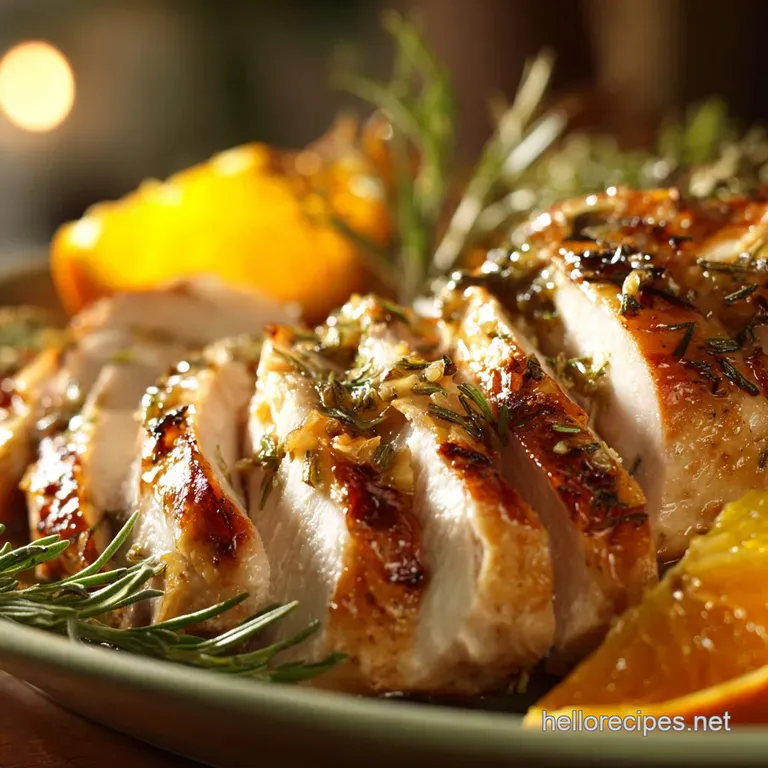
- The Ultimate Aromatic Citrus & Herb Turkey Brine Recipe
- Essential Components for Your Turkey Brine Solution
- Step-by-Step: Preparing and Cooling the Aromatic Turkey Brine
- The Chemistry of a Moist Bird: Why This Turkey Brine is Superior
- Expert Brining: Pro Tips and Troubleshooting Common Errors
- Practical Logistics: Safe Storage and Disposal of Brine
- Complementary Flavors: What to Pair with Your Brined Turkey
- Recipe FAQs
- 📝 Recipe Card
The Ultimate Aromatic Citrus & Herb Turkey Brine Recipe
The smell of a deeply seasoned, perfectly roasted turkey filling the house is just everything. That intoxicating aroma rosemary, sage, a hint of citrus it’s the true sensory start to the holiday season. Too many cooks worry about dry, bland meat, but that stops today.
Brining is your absolute failsafe. It’s cheap insurance for your centerpiece bird, guaranteeing unbelievably juicy results every single time, even if you accidentally overcook it slightly. This method is the secret weapon used by every chef who wants tender, spot-on Turkey Brine flavor.
Forget complicated steps or esoteric ingredients; we’re using a classic wet brine that features a powerhouse combination of fresh herbs, bright orange, and balanced sweetness. Let’s get this gorgeous bird prepped.
Why the Wet Brine Method Guarantees a Juicy Turkey
Listen, this isn't just a salty bath; it's basic chemistry. When you submerge the bird in salty water, the process of osmosis kicks in. The salt does two crucial things, making your holiday easier.
First, it forces salty moisture into the turkey, increasing its total water weight before cooking even begins. Second, and this is the magic part, the salt actually dissolves or "denatures" some of the muscle proteins.
This loose, salty protein structure can then hold onto water much more tightly during high heat cooking.
Achieving the Perfect Balance of Salt, Sweet, and Herbaceous Notes
An expert Turkey Brine Recipe requires careful balancing. Salt alone makes the meat tender and juicy, but it can taste flat. We introduce sweetness in this case, brown sugar which perfectly counteracts the intense saltiness while contributing essential sugars for superior browning in the oven.
Then come the aromatics. Fresh rosemary, thyme, garlic, and citrus peel infuse the liquid with fragrance and flavor that penetrates deep into the meat fibers. This is how you achieve that incredible, deep flavor that goes beyond the skin.
Defining the Core Ingredients of an Expert Brining Solution
This solution is straightforward, but substitutions matter here. The ratio of salt to water is non-negotiable for safety and effectiveness. Use fresh, quality herbs; they release much more volatile oil than dried herbs.
| Ingredient | Role | Viable Substitution |
|---|---|---|
| Kosher Salt | Primary tenderizer/moisture retention | NEVER use fine table salt; use 30% less coarse sea salt. |
| Brown Sugar | Flavor balance and browning | Granulated white sugar or 2/3 cup pure maple syrup. |
| Fresh Herbs | Aromatics and flavor infusion | If using dried, use only 1/3 the volume and crush them first. |
| Orange | Acidity and fragrance | Lemon slices or zest of 2 large limes. |
Essential Components for Your Turkey Brine Solution
Selecting the Right Type of Salt (Kosher vs. Iodized)
This is perhaps the biggest mistake I made when I first started brining years ago. I thought salt was salt. It is absolutely not. You must use large flake Diamond Crystal Kosher salt. It dissolves cleanly and measures reliably by volume.
If you grab standard fine table salt, you will over salt the meat catastrophically because it is much denser; I once ended up with a bird that tasted like the Dead Sea. Stick to Kosher.
Fresh Herbs vs. Dried: Potency and Timing Notes
Fresh herbs win the flavor race every single time when making a Herb Turkey Brine Recipes . The woody stems of rosemary and thyme hold so much fragrant oil. We get that oil out during the "bloom phase" when we boil the concentrate.
If you absolutely must use dried herbs, cut the quantity way back. Remember, they are often three times more concentrated than their fresh counterparts.
Optimal Sugar Sources for Flavor Depth and Browning
I am a die-hard fan of light brown sugar in my turkey brine. The hint of molasses in brown sugar provides a richer flavor base than plain white sugar. Crucially, that small amount of sugar on the surface helps the skin achieve that deeply desirable, mahogany brown hue when you put the turkey in the oven.
Water Volume and Turkey Weight Chart
This recipe is designed for a standard 12 to 16 pound turkey (about 5.5 to 7 kg). If your turkey is larger, scale the recipe proportionally, keeping the salt-to-water ratio exactly the same. You need enough liquid to totally submerge the bird, but not so much that you overflow your container!
step-by-step: Preparing and Cooling the Aromatic Turkey Brine
The Critical Bloom Phase (Heating and Infusing Aromatics)
The first step is creating the brine concentrate. You need 4 cups of water, your salt, and your sugar brought to a rolling boil. Whisk until both solids completely vanish into the water don't stop stirring early! Once dissolved, take the pot off the heat and throw in all your herbs, garlic, and peppercorns.
Let it steep for 15 minutes. This steaming period is the "bloom," pulling every bit of deep flavor from the herbs.
Cooling Protocols: Ensuring Food Safety Before Submerging the Bird
This step is critical for safety. You cannot, under any circumstances, place a raw turkey into warm brine. We need to get that temperature down fast. Immediately pour your hot concentrate into your large container and add one gallon of ice-cold water and the orange slices.
The final temperature of your brine solution must be below 40°F (4°C) before the turkey goes in. Use a thermometer to check; don't guess!
Submerging the Turkey: Logistics and Container Choice for Success
The logistics of brining are usually the hardest part fitting a giant bucket into the fridge! Use a clean, food grade brining bag, a plastic cooler (kept sealed and cold), or a non-reactive bucket. Avoid aluminum containers as the salt can react with the metal.
Place your turkey, breast side down, fully submerged in the cold brine. If it floats, use a sealed plate or a heavy, safe object to keep it under the surface.
Chef's Note: Aim for 12 to 18 hours of brining time for a 14 pound bird. Going beyond 24 hours will result in overly salty, rubbery meat. You've been warned!
The Chemistry of a Moist Bird: Why This Turkey Brine is Superior
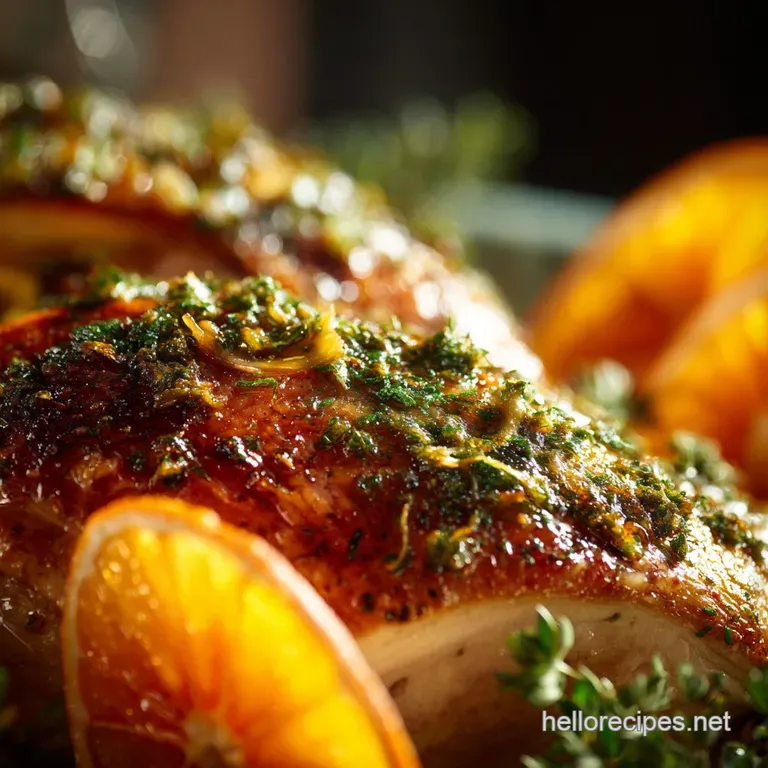
Osmosis and Protein Denaturation Explained
When the turkey absorbs the Turkey Brine , those salt molecules mess with the protein strands in the muscle fibers. The proteins partially unravel, making room for more water. When you cook the bird at high heat, the muscle proteins usually contract and squeeze out moisture.
Since we’ve salted them, they can hold onto a lot more water, meaning less moisture loss and a supremely tender result.
Infusing Deep Flavor Beyond the Surface
The key to this superior brine is the combination of brown sugar and orange zest. These flavors are small enough to be carried deep into the meat alongside the salt, meaning every single bite, from the breast to the thigh, tastes amazing. When you pair this delicious internal flavor with the external seasoning, perhaps like the method outlined in my guide on Roast Turkey: The Chefs Secret to Moist Herb Butter Breast Meat , you hit true perfection.
The Role of Citrus Zest in Tenderizing
We use orange slices primarily for fragrance, but the slight acidity also contributes a little something extra. Acid helps gently break down surface connective tissue, which can contribute to a slightly more tender texture overall.
It’s a minor but meaningful addition to any high-quality Christmas Turkey Brine .
Expert Brining: Pro Tips and Troubleshooting Common Errors
NEVER Brine a Pre-Salted or Koshered Turkey
I see this all the time. If you bought a turkey labeled "Kosher," "Enhanced," or "Self Basting," it has already been injected with a saltwater solution or seasoned heavily. If you try to brine it again, it will be so salty it's completely inedible. Read the packaging carefully!
The Rinse and Rest Requirement (Post Brine Prep)
Once your brining time is up, you must rinse the turkey thoroughly under cold water, both inside and out. This gets rid of any excess surface saltiness. Then comes the secret ingredient for crispy skin: the rest. Pat the bird bone dry with paper towels, place it on a rack in a roasting pan, and put it back in the fridge, uncovered, for 4 to 12 hours. This air-drying evaporates surface moisture, guaranteeing that mahogany, crispy skin we all dream about. For more on getting that perfect skin, check out my tips on Herb Butter Turkey: The Secret to Crispy Skin and Succulent Meat Every Time .
Practical Logistics: Safe Storage and Disposal of Brine
Handling the Temperature Danger Zone
Raw poultry must stay below 40°F (4°C) to prevent bacterial growth. That means the entire brining process 12 to 24 hours must happen inside the refrigerator.
If you are using a cooler because your fridge is too small, you must replenish the ice frequently to maintain safe cold temperatures throughout the process.
Once you remove the turkey, the brine must be discarded immediately. Never, ever reuse spent brine for any other purpose.
Complementary Flavors: What to Pair with Your Brined Turkey
Because this brine is classic and aromatic, it pairs beautifully with traditional sides. The slight sweetness and strong herbal notes mean you want rich, earthy dishes alongside it.
I love serving this brined turkey with creamy mushroom stuffing (okay, not mushrooms, I promise I mean classic sage and bread stuffing!), incredibly fluffy mashed potatoes, and a slightly tart cranberry sauce. If you have any leftover turkey, which you probably won't, this citrus and herb flavor profile would be fantastic shredded and used in something savory and smoky like my Autumn Harvest Turkey Pumpkin Chili Recipe Smoky Lean Ready in an Hour . Seriously good.
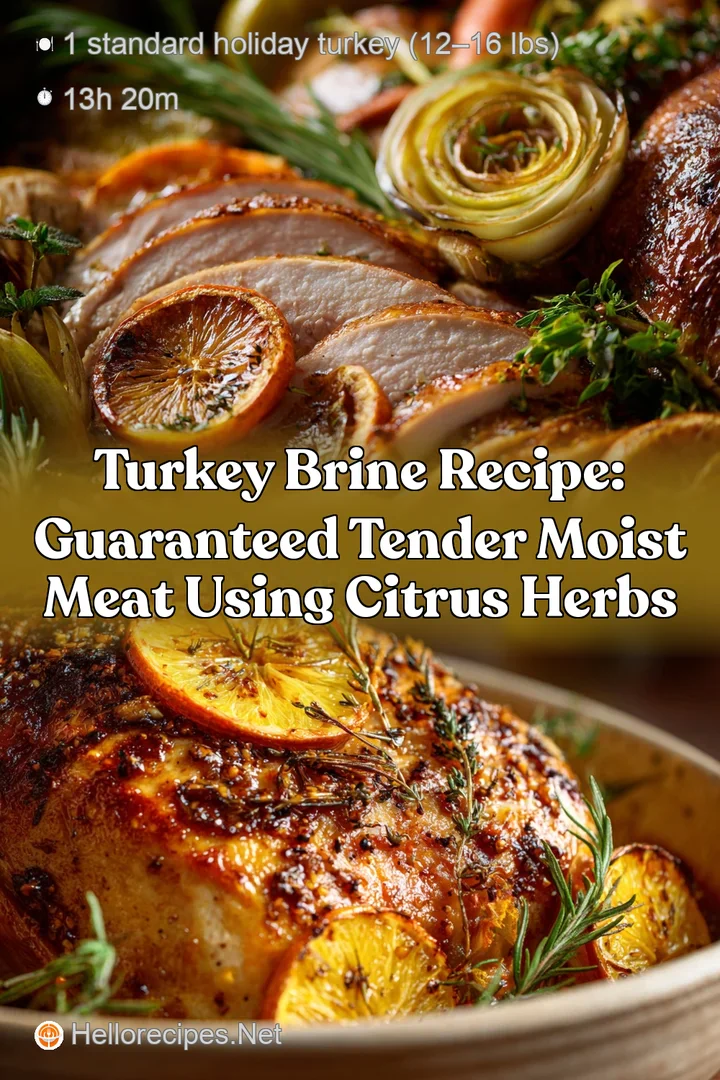
Recipe FAQs
What is the maximum safe time for a turkey to remain in the brine?
For food safety and optimal texture, a large turkey (12-18 lbs) should typically brine for 12 to 24 hours. Brining for much longer than 24 hours can result in meat that is too salty or develops a slightly spongy texture, so always stick within the recommended window.
My final roasted turkey tastes too salty. What went wrong?
This usually happens if the brine ratio was too strong (too much salt per gallon of water) or if you didn't thoroughly rinse the turkey before roasting. Always ensure you pat the turkey completely dry after rinsing, as any surface salt residue will intensify during the cooking process.
Is it necessary to rinse the turkey after removing it from the brine?
Yes, rinsing the turkey under cool, running water immediately after brining is essential to wash off excess surface salt and residual herbs. After rinsing, pat the entire bird completely dry with paper towels to ensure crispy skin when roasting.
Can I use dried herbs instead of fresh ones in this aromatic brine recipe?
While fresh herbs provide a brighter, more aromatic flavour profile, you can certainly substitute dried herbs if necessary. Use approximately one-third the amount of dried herbs compared to fresh (e.g., 1 tablespoon dried for every 3 tablespoons fresh) as their flavour is much more concentrated.
I don't have enough refrigerator space for the brining container. What are my options?
Brining requires the turkey's internal and external temperature to stay below 40°F (4°C) for safety. If fridge space is impossible, use a large cooler packed tightly with plenty of ice packs or bagged ice. Ensure the turkey and brine remain fully submerged and chilled for the entire brining duration.
Can I substitute table salt (iodized salt) for Kosher salt in the brine?
You should only substitute table salt with caution, as it is much denser than Kosher salt; using a 1:1 ratio will result in an extremely over salted bird. If you must use table salt, use only about half the volume required for the Kosher salt (e.g., if the recipe calls for 1 cup Kosher, use 1/2 cup table salt).
Do I need to fully chill the brine before adding the turkey?
Absolutely yes; adding a raw turkey to warm brine enters the temperature danger zone quickly, promoting bacterial growth. Always allow the brine to cool completely, ideally below 40°F (4°C), before submerging the bird for the safest results.
A great technique is to use ice to speed up the cooling process after the salt and sugar have dissolved.
Aromatic Herb Citrus Turkey Brine
Ingredients:
Instructions:
Nutrition Facts:
| Calories | 20 calories |
|---|---|
| Fat | 0 grams |
| Fiber | 0 grams |
