Turkey Brine: the Aromatic Herb and Citrus Wet Brine for a Perfect Bird
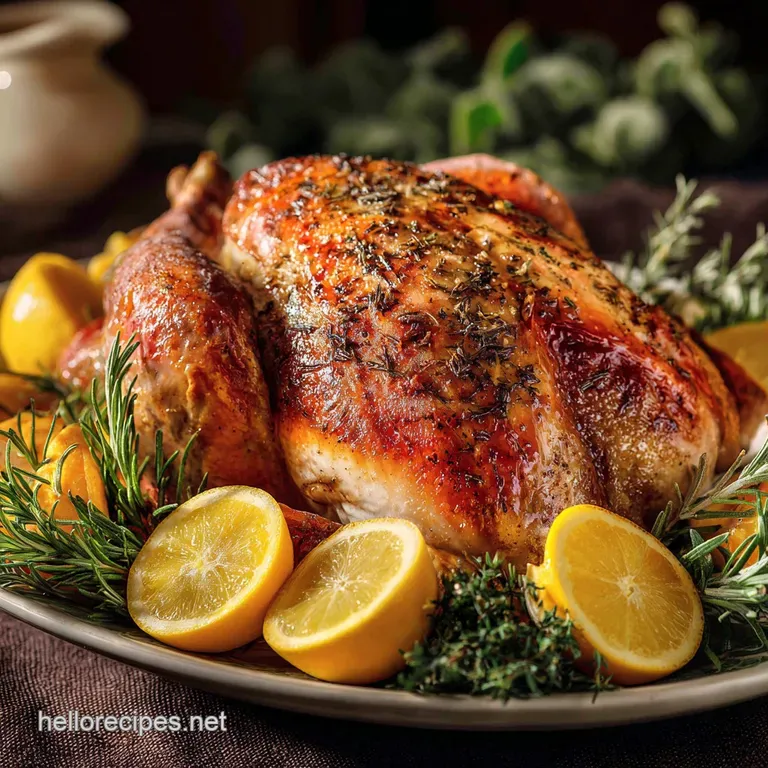
- The Definitive Turkey Brine Recipe for Unbeatable Juiciness
- Ingredients You Need for Turkey Brine
- Step-by-Step Method: Preparing and Applying Your Turkey Brine Solution
- Achieving Mastery: Expert Brining Tips and Troubleshooting Common Errors
- Practical Planning: Handling, Storage, and Prep Timing
- Maximizing the Feast: Pairing Your Perfectly Brined Turkey
- Recipe FAQs
- 📝 Recipe Card
The Definitive Turkey Brine Recipe for Unbeatable Juiciness
The Power of Pre-Salting: An Introduction to Wet Brining
Picture this: your kitchen smells incredible, heavy with the scent of savory herbs, bright citrus, and that deep, comforting roasted aroma. You slice into the turkey, and the meat isn't just cooked; it's glistening, practically weeping moisture.
This is the difference an amazing turkey brine makes, turning a potentially dry bird into the centerpiece everyone raves about.
For years, I struggled with dry turkey breasts, desperately trying every complicated basting technique imaginable. Then I realized the secret wasn't what you did during the roast, but what you did 24 hours before the roast.
Brining is a cheap, easy, and totally foolproof method that saves the day and eliminates all your holiday turkey anxiety.
This turkey brine recipe is the one I finally landed on after way too much trial and error. It uses the perfect balance of salt, sugar, and the classic Aromatic Herb and Citrus Turkey Brine flavors. Get ready for juicy, flavorful meat every single time.
Why This Recipe Works
This wet brine is magic because science is working on your side. Salt dissolves in water, creating a highly concentrated solution that penetrates the turkey meat via osmosis.
This process denatures the muscle proteins, essentially causing them to unravel and reorganize so they can hold onto more water.
The brown sugar helps offset the aggressive saltiness, and more importantly, it promotes that gorgeous mahogany skin color during roasting. The citrus and herbs, like rosemary and thyme, infuse the meat right down to the bone.
You get moisture locked in, flavor built up, and stunning presentation all from one simple step.
What Size Turkey Does This Recipe Serve?
This recipe yields a full gallon of aromatic liquid, which is perfect for covering one standard holiday sized turkey. We are talking about a bird in the 12 to 16 lb range .
If you are tackling a gigantic 20 lb monster, you might need to double the batch, or at the very least, make an extra quart of plain salted water to top off the brining vessel.
Flavor Profile Deep Dive: Citrus, Herb, and Spice Notes
The flavor profile here is savory and robust but still classic enough for a holiday table. We use hardy herbs rosemary and thyme because they hold up beautifully against the heat and the salt.
The lemon and orange zest bring a vital brightness that cuts through the richness of the finished meat, preventing it from tasting heavy. We also use whole black peppercorns and garlic; once they steep in the hot liquid, they release deep, pungent notes that truly permeate the meat fiber.
Ingredients You Need for Turkey Brine
Let's look at the simple list of turkey brine ingredients . Remember, precision matters here, especially when dealing with salt!
Main Ingredients Notes
| Ingredient | Why We Use It |
|---|---|
| Coarse Kosher Salt | The foundation! It must be Kosher salt because of the crystal structure. |
| Brown Sugar | Balances the salinity and helps achieve a deep, crispy brown crust. |
| Fresh Herbs | Rosemary and Thyme provide that classic, aromatic holiday scent. |
| Citrus (Orange/Lemon) | Adds brightness and acidity; crucial for a balanced flavor. |
| Garlic/Peppercorns | Deep, slow release flavor infusion into the liquid concentrate. |
Easy Substitutions and Swaps
I know sometimes you run out of things right before the big feast. Here are some quick fixes that still guarantee a great turkey brine .
| Ingredient Missing | Viable Substitute | Notes |
|---|---|---|
| Kosher Salt | Coarse Sea Salt | Use slightly less (about 10% less) as it tends to be heavier than Kosher. NEVER use iodized table salt. |
| Brown Sugar | Honey or Maple Syrup | Use 3/4 cup instead of 1 cup, as liquid sweeteners are generally stronger. |
| Fresh Rosemary | Dried Rosemary | Use 1 teaspoon of dried herbs for every 1 tablespoon of fresh herbs listed. |
| Orange/Lemon | Apple Cider or Wine | Replace 1 quart of the final cold water with apple cider or dry white wine for acid. |
Chef’s Note: Do not substitute the water with vegetable stock in the concentrate phase. Stock already contains sodium and will throw off your salt ratio, potentially making the final turkey inedibly salty.
Essential Equipment
You don't need fancy gadgets, but you do need big vessels. You’ll definitely need an 8 quart stockpot for boiling the concentrate. If you are struggling with refrigerator space, ditch the cooler idea.
Investing in an extra large turkey brining bag is a total lifesaver and a cleaner option for managing the large volume of liquid. Also, please use a thermometer to check the brine temperature; it’s a non-negotiable food safety rule.
step-by-step Method: Preparing and Applying Your Turkey Brine Solution
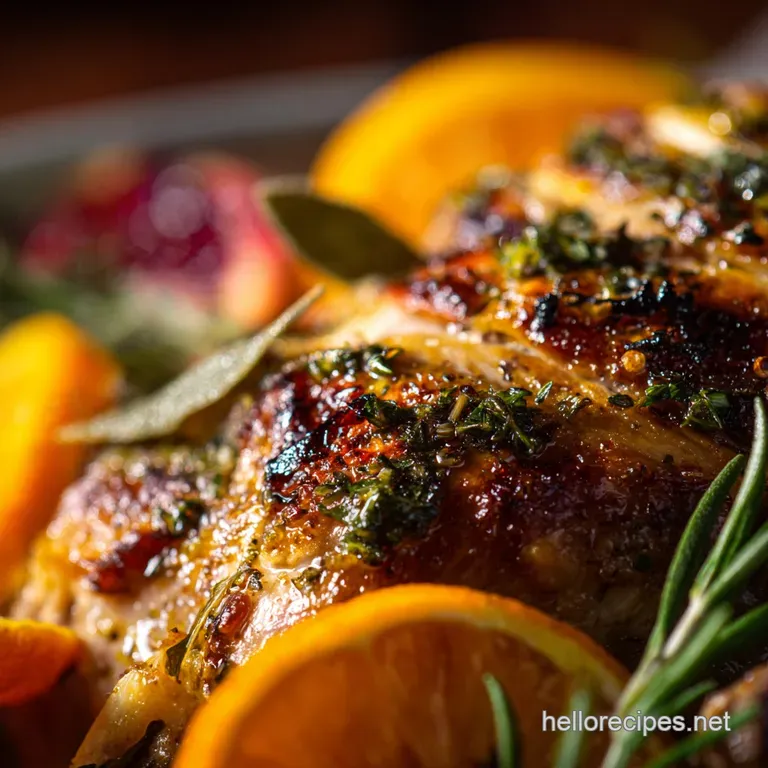
Creating the Flavor Base: The Simmer and Steep Process
First, we need to create the super salty, super flavored concentrate. Grab your stockpot and combine the 4 cups of water, your coarse salt, and the brown sugar. Bring this whole mixture up to a rapid boil, stirring constantly until every single grain of salt and sugar has totally dissolved.
This takes about three minutes.
Now remove the pot from the heat and immediately add all your aromatics: the smashed garlic, bay leaves, peppercorns, rosemary, thyme, and the citrus halves. Let this beautiful mixture steep for 15 solid minutes.
The residual heat extracts all the necessary oils and flavors, making a killer base for our Aromatic Herb Citrus Turkey Brine .
Cooling Requirements: Ensuring the Brine is Food Safe
This is the most critical step, so pay attention. Your brine must be chilled to 40°F (4° C) or below before the turkey touches it. If you put the bird in warm liquid, you are asking for trouble!
Pour the remaining cold water and ice (if using) into the steeped concentrate, stirring vigorously. Use an instant read thermometer to check the temperature before proceeding. My trick? I use half the cold water measurement as pure ice to speed up the process; it works every time.
Submerging the Turkey: Optimal Brining Containers
Get your turkey ready by removing the giblets and rinsing it inside and out under cold water. Pat the turkey bone dry with paper towels; this is important. Place the dry turkey into your clean brining vessel (I swear by a heavy duty brining bag set in a deep stockpot).
Pour the completely cooled brine over the turkey until it is fully submerged. If the turkey insists on floating, place a clean dinner plate on top to hold it down.
Determining the Ideal Turkey Brine Duration by Weight
How long should you brine? The general rule of thumb for this turkey brine recipe for roasting is 12 to 24 hours. For a smaller 12 lb bird, 12 to 14 hours is plenty. For a 16 lb or larger bird, go the full 20 to 24 hours.
Never exceed 24 hours —you risk the turkey becoming overly salty or mushy, which is definitely a mistake I once made trying to get extra juicy meat.
Achieving Mastery: Expert Brining Tips and Troubleshooting Common Errors
Preventing Over Salting and Rinsing Protocol
Over salting happens if you use the wrong salt type or brine for too long. If you followed the time guidelines, you should be fine, but you still need to rinse. When the brining time is up, remove the turkey and discard the spent brine immediately .
Rinse the turkey vigorously under cold running water for a full minute, inside and out. This washes away excess surface salt.
Managing the Temperature: Keeping the Turkey Cold and Safe
The turkey must be kept constantly cold, below 40°F, while brining. If you don't have enough fridge space, you can use a clean cooler. Fill the cooler with the turkey and brine, then add a few large, sealed bags of ice around the outside of the brining vessel.
Check the internal temperature of the liquid every four hours to ensure food safety.
Handling a Frozen vs. Thawed Turkey for Brining
You must, must, MUST start with a fully thawed turkey for brining. A frozen or partially frozen turkey will not absorb the brine properly, leading to unevenly flavored and potentially dry spots. Plan ahead! A large bird takes days to thaw safely in the refrigerator.
What to Do If You Don't Have a Large Enough Container
If the turkey won't completely submerge, or if you can only find a shallow container, you can brine for half the required time, then flip the turkey. Alternatively, use the highly recommended turkey brine bag and squeeze all the air out before sealing; the vacuum helps keep the liquid in contact with all the meat surfaces.
Storing Unused Brine Concentrate
You should always make only what you need, but if you happen to have leftover brine concentrate before adding the final cold water, you can store it. Simply cool the concentrate completely and freeze it in an airtight container for up to three months.
When you are ready to use it, thaw it and proceed with adding the cold water as instructed. You can never reuse brine that has had raw turkey sitting in it.
Prepping the Turkey for Roasting After Removal
After the mandatory rinse, pat the turkey thoroughly dry. This is non-negotiable for crispy skin. If you want truly amazing results, place the turkey, uncovered, back on a roasting rack in the fridge for 4 to 6 hours (or even overnight). This air-drying step pulls surface moisture out, ensuring you get that perfectly crackling, mahogany crust when you roast. For the best follow-up steps, I recommend my method for Herb Butter Turkey: The Secret to Crispy Skin and Succulent Meat Every Time .
Practical Planning: Handling, Storage, and Prep Timing
Preventing Over Salting and Rinsing Protocol
Rinsing is key after your bird has soaked in the Brines For Turkey Recipes . Once you pull the turkey out of the brine, give it a cold water shower inside and out to remove all the surface salt crystals.
If you skip this, the surface of the skin will burn and the flavor will be overwhelmingly salty.
Managing the Temperature: Keeping the Turkey Cold and Safe
Always, always, always keep the turkey cold. Brining is not an activity to do on the counter overnight. If your refrigerator space is limited during the holiday rush, use a designated cooler and check the temperature often. Safety first, friends!
Handling a Frozen vs. Thawed Turkey for Brining
Start with a fully thawed bird. Period. If you try to brine a turkey that is still slightly frozen, the ice crystals will block the brine absorption, and you will end up with a spotty, unevenly seasoned finished product. Plan for three days of thawing in the fridge for a large bird.
What to Do If You Don't Have a Large Enough Container
Get a disposable, heavy duty brining bag! Seriously. They are cheap, reliable, and fit perfectly into almost any cooler or large stockpot without taking up unnecessary space. They minimize mess too.
Storing Unused Brine Concentrate
If you calculated wrong and made too much concentrate (before adding the cold water and turkey), cool it down and pop it in the freezer. It’ll last for months, ready for the next time you decide to make the best, juiciest turkey ever.
Prepping the Turkey for Roasting After Removal
Once rinsed and patted dry, put that bird back in the fridge, uncovered, on a roasting rack. This mandatory air-drying time is the secret weapon for crispy skin. If you are looking for the ultimate roasting strategy after brining, check out my recipe for Roast Turkey: The Chefs Secret to Moist Herb Butter Breast Meat .
Maximizing the Feast: Pairing Your Perfectly Brined Turkey
A perfectly brined turkey, seasoned deeply with this ultimate herb and citrus recipe , needs sides that can stand up to its flavor. Forget bland side dishes!
You must serve this with rich, creamy mashed potatoes to soak up those delicious pan juices. A sharp, sweet cranberry sauce is also mandatory; the acidity cuts through the richness beautifully. For a fantastic contrasting texture, try a bold, savory sausage and chestnut stuffing baked outside the bird.
That moisture level will be so high, you won't want to dry it out by stuffing it!

Recipe FAQs
Do I need to rinse the turkey after brining?
Yes, rinsing is crucial to achieving the best results. After removing the turkey from the brine, rinse the cavity and skin thoroughly under cold water to remove excess surface salt and loose herbs. Pat the bird completely dry with paper towels before roasting, as surface moisture inhibits crisping.
How do I ensure the brine process is food safe?
Food safety requires keeping the turkey and brine solution below 40°F (4°C) at all times to prevent bacterial growth. Always brine the turkey inside the refrigerator, or if the turkey is too large, use a dedicated, food safe cooler filled with ice packs. Never brine poultry at room temperature.
My turkey tasted too salty. What went wrong?
The most common cause of overly salty turkey is brining for too long, as smaller birds absorb the solution much faster than large ones. Ensure you stick strictly to the recommended brining time for your turkey's weight, typically 1 hour per pound, and always rinse thoroughly afterwards.
If it is already too salty, soak the brined bird in fresh, plain cold water for 15 minutes before drying and roasting.
Can I inject the brine instead of soaking the whole bird?
Yes, injection is a valid alternative, especially if you lack the refrigeration space for a full wet brine. Injecting the liquid directly into the breast and thighs ensures moisture and flavor reach the deepest parts of the meat quickly.
However, injection usually requires straining the brine to remove solids and is best followed by a light seasoning rub on the skin.
What is the best type of container to use for brining?
You must use a food grade, non-reactive container such as a large stainless steel stockpot, a dedicated food safe brining bucket, or a heavy duty brining bag. Avoid using any container made of aluminum or highly porous plastic, as the salt and acid can react with the material and impart off-flavors to the turkey.
How do I adjust the brine ratio for a smaller or larger turkey?
This recipe maintains a standard salt-to-water ratio that can be scaled up or down proportionally based on the turkey's weight. For a smaller bird (under 10 lbs), simply halve the recipe components, ensuring the liquid still fully submerges the bird.
For a very large turkey (over 22 lbs), double the recipe to ensure full coverage and proper flavor infusion.
Do I need to add more salt if I use Kosher salt instead of table salt?
Yes, you must adjust the quantity of salt because table salt is much denser than most Kosher salts (like Morton or Diamond Crystal). If your recipe calls for one cup of Kosher salt, you would typically use slightly less than half a cup of standard table salt to achieve the same salinity level.
Always measure by weight if possible for maximum accuracy.
Aromatic Citrus Herb Turkey Brine Recipe
Ingredients:
Instructions:
Nutrition Facts:
| Calories | 562 kcal |
|---|---|
| Protein | 78.0 g |
| Fat | 21.0 g |
| Carbs | 12.0 g |
