The Flake Glory Allbutter Pie Crust
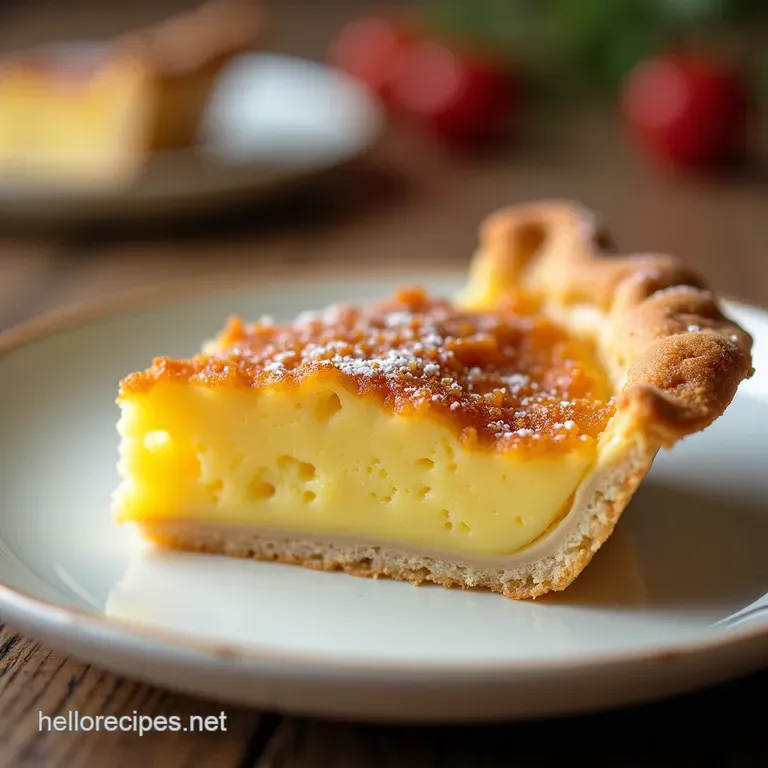
- Banish Bland Baking: Why This Homemade Pie Crust Reigns Supreme
- The Culinary Foundation: Achieving Ultimate Flakiness
- Gathering Your Essential Dough Components
- Precision Measuring for Flawless Pie Crust Results
- The Method to the Magic: Step-by-Step Dough Development
- Troubleshooting Common Dough Dilemmas
- Elevating Your Bake: Variations and Finishing Touches
- Recipe FAQs
- 📝 Recipe Card
Banish Bland Baking: Why This Homemade Pie Crust Reigns Supreme
There is a vast, beautiful chasm between a store-bought, freezer aisle pastry and a truly magnificent, shatteringly flaky homemade pie crust . If you’ve ever wrestled with a crust that shrinks, cracks, or tastes suspiciously like cardboard, take a deep breath.
We are about to redefine your baking standards. This comprehensive guide is dedicated to mastering the foundational element of any great dessert or savory bake: the perfect pie crust recipe .
Forget the complicated lore; achieving that coveted layered texture hinges on just a few crucial temperature and handling rules. Once you unlock the secret to this all-butter beauty, you will realize that the effort is minimal compared to the spectacular payoff a rich, tender, and sturdy base ready for any filling imaginable.
The Culinary Foundation: Achieving Ultimate Flakiness
The structure of a superior flaky pie crust is not accidental; it is built layer by layer through precise ingredient interaction. We are aiming for a crust that shatters delicately when sliced, offering rich flavour without ever being heavy or tough.
This specific pie crust recipe emphasizes purity and temperature control to guarantee that iconic, laminated look.
A Love Letter to All-Butter Goodness
While some recipes rely on a blend of butter and shortening, this particular pie crust with butter champions the pure flavor profile only real dairy can deliver. Butter, when kept cold, creates distinct pockets within the dough.
As the pie bakes, the water content in the butter turns to steam, forcing those layers apart and creating the airy, light texture we crave. Using high-quality, cold unsalted butter ensures your final product is rich and nutty, far surpassing any neutral tasting fat alternative.
This is the core decision that elevates this from a serviceable pastry to the best pie crust recipe you will ever use.
Decoding the Perfect Texture: Tender Yet Sturdy
The magic lies in balancing tenderness with structural integrity. A tender crust is achieved by minimizing gluten development that means gentle mixing. However, this pie crust recipe easy to follow must also be sturdy enough to support heavy fillings, such as those in a classic pie crust for chicken pot pie .
We achieve this equilibrium by using just enough ice water to bind the flour without fully hydrating the proteins, ensuring the fat remains largely intact until it hits the oven’s heat.
Setting the Stage for Your Next Masterpiece
This method is designed to yield two 9 inch crusts, giving you the flexibility for a double crust pie or two separate preparations. Whether you are aiming for a sweet apple tart or a savory quiche base, the preparation remains the same.
Remember, this pie crust recipe is the backdrop; the filling gets the applause, but a weak base means a mediocre performance every time.
Gathering Your Essential Dough Components
The beauty of a truly great pie crust recipe is its simplicity. You do not need a pantry full of specialty flours or exotic fats. You need four core items, treated with respect.
We are using 2 ½ cups (300g) of all-purpose flour as our structure, 1 teaspoon each of fine sea salt and sugar for flavour balance, and a full cup (227g) of very cold, cubed unsalted butter. Finally, the binder: ice water, which must be kept frigid to maintain the integrity of the butter pieces.
For those who wish to guarantee supreme tenderness, a single teaspoon of apple cider vinegar can be added to the liquid it mildly disrupts gluten formation, yielding an even softer crumb.
Related Recipes Worth Trying
- Silky Dulce de Leche Cream Pie with PecanGraham Crumble — Make this showstopper Caramel Cream Pie featuring a crunchy Pecan Graham Crumble A decadent dessert recipe thats easier than you think
- The Best Dutch Apple Pie Recipe with Golden Streusel — Ditch the lattice for the ultimate Dutch Apple Pie This recipe delivers a flaky crust loaded with spiced apples and a glorious crunchy streusel topping Easy...
- The Best Homemade Apple Pie Recipe with Flaky Crust — Achieve that perfect flaky double crust with this stepbystep Apple Pie recipe Filled with tart apples and warm spicethe ultimate comfort bake
Precision Measuring for Flawless Pie Crust Results
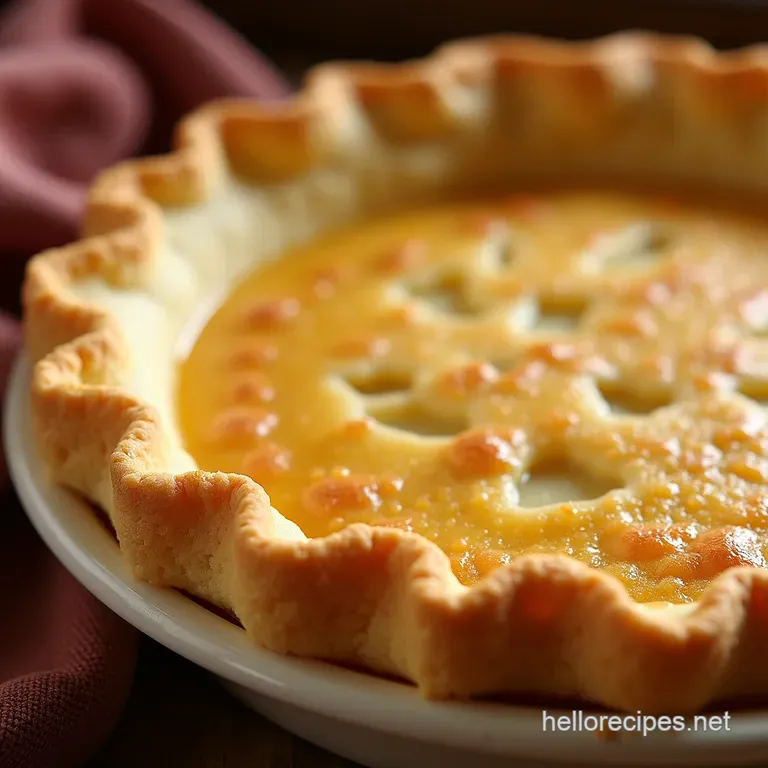
Baking is chemistry, and pastry is perhaps the most sensitive branch of that science. Slovenly measurement leads directly to dough problems.
The Power Players: Butter, Flour, and Ice Water
When measuring flour, the technique matters immensely, especially if you are seeking a pie crust recipe without shortening . Always spoon the flour lightly into your measuring cup and level it off; scooping directly from the bag compacts the flour, potentially adding 20% too much, which leads to dry, crumbly dough.
The butter must be cut into cubes no larger than half an inch these chunks are crucial for creating the steam pockets necessary for a flaky pie crust . As for the ice water, start low. You might only need 6 tablespoons (90ml), or you might need the full 10 (150ml).
The goal is moisture, not soupiness.
Metric Conversions for Global Bakers
For those working with grams, the precision offered by a scale is invaluable. Using 300g of flour and 227g of butter gives a fantastic fat ratio. Adjusting your water volume proportionally ensures consistent results regardless of whether you are in London or Los Angeles.
Essential Gear: Tools That Make Dough Mixing Effortless
While you can certainly use a food processor (pulsing sparingly, of course), the most traditional and tactile method for this homemade pie crust involves a pastry blender or, even better, your own two hands.
Using your fingertips allows you to feel the texture as the butter incorporates, giving you the sensory feedback needed to stop mixing at the perfect moment when the mixture resembles coarse crumbs with some butter pieces the size of small peas remaining.
The Method to the Magic: step-by-step Dough Development
Once your ingredients are measured, the process demands speed and coldness. Start by whisking the flour, salt, and sugar in a large bowl. Next, add the cubed, frosty butter. Work quickly, using the pastry blender or your fingertips to smash the butter into the flour.
You are looking for heterogeneity a mix of very fine flour dust and distinct, flat pieces of butter. This textural variation is the blueprint for flakiness.
Chilling Protocols: The Secret to Non-Shrinking Edges
Once the dough is just coming together with the addition of the ice water (drizzled in one tablespoon at a time), stop mixing immediately. Turn the shaggy mass onto a surface and gently press it into two discs. Do not knead; kneading activates gluten strands, making the dough tough.
Wrap each disc tightly in plastic wrap this prevents surface drying and keeps the cold in and flatten them slightly to promote even chilling. A minimum of one hour in the refrigerator is non-negotiable.
This chilling period allows the gluten to relax and the flour to fully hydrate, which prevents the crust from snapping back or shrinking when you roll it out later.
Cutting In the Butter: Achieving Pea-Sized Perfection
This step is where the physical action of creating layers happens. If the butter melts into the flour, you get a shortbread like texture, not a flaky pastry. Keeping the butter cubes cold and separate ensures that when they melt in the oven, they leave behind those characteristic air channels.
This is the single most important physical factor in creating a successful flaky pie crust .
The Gentle Touch: Bringing the Dough Together
When adding the ice water, remember that the dough should look slightly too dry when you finish. It should hold together when squeezed, but still appear rugged. If it looks smooth, you have likely added too much water or overworked it.
Wrapping Up and Resting: Hydration is Key
The rest period is vital for dough management. The flour absorbs the water slowly, softening the dough enough to make rolling manageable without sacrificing the structure achieved by the cold butter.
This resting phase is what makes this pie crust recipe easy to handle later, even if you are filling it with a hot mixture.
Rolling Out Without the Tear: From Disc to Diameter
When it's time to roll, dust your surface lightly. Take one chilled disc and begin rolling from the centre outwards, turning the dough 90 degrees frequently. This continuous rotation prevents the dough from adhering to the counter in one spot and keeps the shape circular.
Roll to about 12 13 inches in diameter for a standard 9 inch pie, ensuring the thickness remains uniform at about ⅛ inch. Carefully transfer the sheet to your pie plate, ease it in without stretching, trim the excess overhang to about an inch, and then finish the edges with a decorative crimp.
Troubleshooting Common Dough Dilemmas
Even with the best intentions, dough can misbehave. If your dough feels tacky and sticky during rolling, it is too warm. Resist the urge to add more flour, which will dry it out. Instead, dust your hands and the surface very lightly and immediately return the dough to the fridge for 15 minutes.
Conversely, if the dough cracks dramatically when you try to fold it over the rolling pin, it is too cold and stiff. Let it sit at room temperature for 5 to 10 minutes until it softens just slightly, allowing flexibility without becoming oily.
Elevating Your Bake: Variations and Finishing Touches
Once you have mastered this base recipe for homemade pie crust , exploration is encouraged.
When Dough Gets Sticky: Quick Fixes for Warm Kitchens
If your kitchen temperature is soaring above 75° F ( 24° C), embrace speed. Work on a marble or granite surface if possible, as these stay naturally cooler.
If things still go awry, chill the dough for 30 minutes after you cut in the butter, before adding any liquid. This resets the system.
Freezer Finesse: Storing Homemade Pie Dough for Later
This dough freezes beautifully. After wrapping the two discs tightly in plastic wrap, place them inside a freezer safe bag. Frozen dough maintains its quality for up to three months. When ready to use, transfer the disc to the refrigerator overnight to thaw slowly.
Rolling a slow thawed disc is often easier than rolling one directly from the fridge.
Beyond the Basic Bake: Blind Baking Techniques Explained
For custards or pies with no-bake fillings, you will need to blind bake. After shaping and chilling the crust, line it with parchment paper and fill it entirely with pie weights, dried beans, or rice.
Bake at 400° F ( 200° C) for 15 minutes. Carefully remove the paper and weights, then return the crust to the oven for another 5– 10 minutes until the base looks dry and lightly golden.
This prevents a soggy bottom in your final product.
Flavor Infusions: Adding a Hint of Spice to Your Crust
For a warming addition perfect for fall baking, consider adding ½ teaspoon of ground cinnamon or a pinch of nutmeg directly into your dry ingredients. This simple tweak transforms a standard pie crust recipe into something festive and complex, offering a subtle background note that complements apple, pumpkin, or pecan fillings exquisitely.
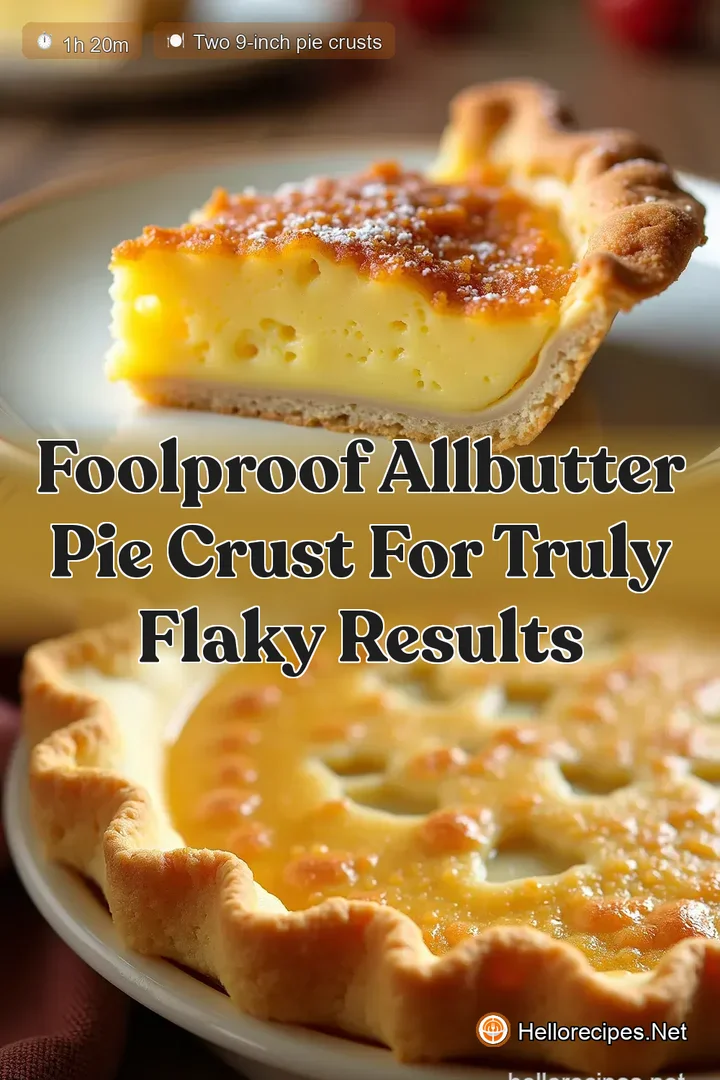
Recipe FAQs
My Pie Crust dough keeps tearing when I try to move it to the tin, what gives?
Tearing usually means one of two things: either the dough is too cold and brittle, or you rolled it too thin. Give the dough a quick 5-minute rest at room temperature before rolling if it's fridge hard.
When transferring, roll it loosely around your rolling pin first, then gently unroll it over the plate, allowing gravity to help settle it without stretching.
How important is it that the butter and water are absolutely freezing cold?
It’s not just important; it’s the key to success the whole shebang! Cold ingredients ensure the butter stays in distinct pieces, which melt during baking to create steam, resulting in those beautiful, flaky layers we’re after.
Warm butter blends right into the flour, leading to a tough, biscuit like texture.
Can I make this Pie Crust ahead of time, and how should I store leftovers?
Absolutely, chilling the dough actually improves the texture! You can keep wrapped dough discs in the fridge for up to three days, or freeze them for up to three months (wrap them extra well in cling film and foil). If frozen, let them thaw in the fridge overnight before rolling.
What is 'blind baking,' and why do I need to do it for this recipe?
Blind baking means partially or fully baking the crust before adding a wet filling, like for a lemon meringue pie or a quiche. This stops the bottom from becoming soggy we call that a 'soggy bottom,' and it’s a baking tragedy!
Always line the dough with parchment and fill with weights (dried beans work a treat) to stop it from puffing up.
My crust shrank significantly after baking, how can I stop that happening next time?
Shrinkage is almost always due to overworking the dough or failing to chill it adequately before it hits the oven. The chilling time lets the gluten relax; if you skip that, the relaxed gluten snaps back when heated, pulling the edges in. Give it a minimum of 30 minutes in the fridge after you've crimped the edges!
Allbutter Flaky Pie Crust
Ingredients:
Instructions:
Nutrition Facts:
| Calories | 96 kcal |
|---|---|
| Protein | 1.5 g |
| Fat | 9.3 g |
| Carbs | 20.1 g |
| Fiber | 0.2 g |
| Sodium | 4459 mg |
