Fruit Salad: the Perfect Zesty Summer Recipe (Never Browns!)
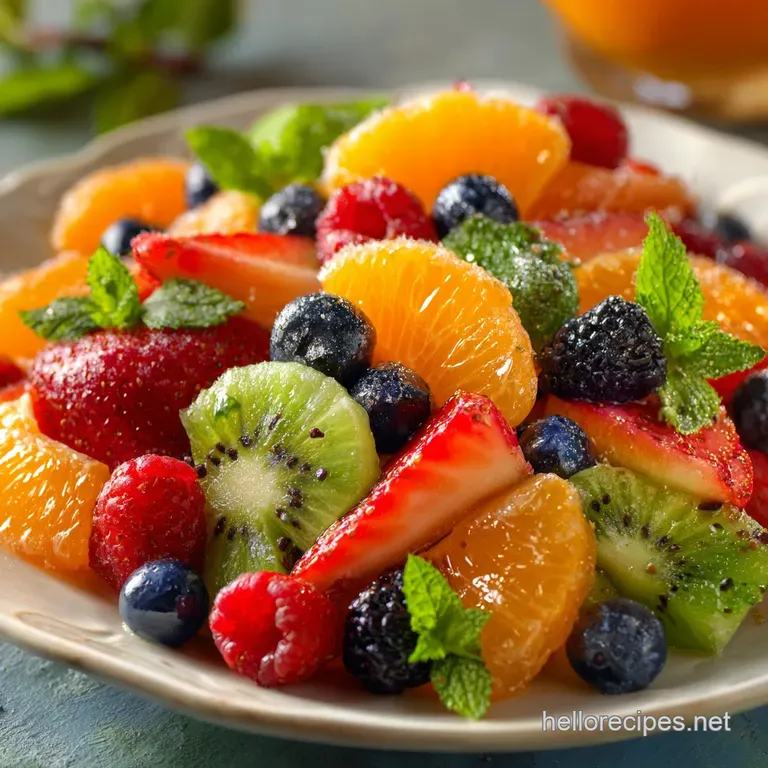
- Diving Into the Perfect Zesty Summer Fruit Salad (Anti-Browning Formula)
- The Science of a Superior Fruit Salad: Mastering Texture and Acidity
- Essential Ingredients for the Best Fruit Salad and Smart Substitutions
- Prep, Toss, and Serve: The 4 Simple Steps to Mixing Perfection
- Mastering Your Fruit Salad: Chef’s Tips and Troubleshooting Guide
- Best Practices for Storing Leftover Fruit Salad (and Avoiding Soggy Fruit)
- Elevate Your Dish: Creative Serving Suggestions and Pairings
- Recipe FAQs
- 📝 Recipe Card
Diving Into the Perfect Zesty Summer Fruit Salad (Anti Browning Formula)
The moment you slice into a perfectly ripe pineapple and smell that zesty burst of fresh lime, you know you’re about to have a fantastic day. It’s truly a sensory experience, a colorful rush of textures that should make you forget those sad, sugary fruit cups found languishing at the store deli.
We are aiming for sunshine in a bowl.
This isn't just about throwing some chopped fruit together; this recipe is a lifesaver for busy afternoons and barbecue potlucks because it’s fast, incredibly healthy, and unbelievably cheap if you buy seasonally.
I once ruined an entire picnic batch by just tossing everything in a sweet syrup it was mushy and brown within an hour. Never again.
I’ve spent years perfecting the technique, focusing specifically on preventing that tragic oxidation (the browning) and maximizing the vibrant flavors. Trust me on this one: the secret is in the simple, zesty dressing and timing.
Let’s crack on and make the absolute best fruit salad you’ve ever tasted.
The Science of a Superior Fruit Salad: Mastering Texture and Acidity
Why store-bought Fruit Salads Always Disappoint
If you’ve ever bought a pre-cut fruit salad, you know the disappointment: it’s either watery, overly sweet, or already showing those telltale signs of brown decay. The reason these salads fail is simple: speed and poor moisture control.
They prioritize high moisture fruits (like melon) and skip the crucial acidic dressing step.
The Secret Acidic Element That Stops Fruit Browning
The real star here is fresh lime juice. The acidity of the lime acts as a natural antioxidant, blocking the enzymes that cause browning (oxidation) in fruits like apples, mango, and even kiwi. We are not just adding flavor; we are stabilizing the entire dish, ensuring those bright colors last for hours.
A Quick Overview of the Tropical/Berry Blend
This specific blend uses a high ratio of firmer tropical fruit (pineapple, mango) paired with delicate berries and grapes. This mix provides structure, ensuring the salad stays crisp and juicy without collapsing into a watery puddle. We achieve texture contrast that is absolutely necessary for satisfaction.
The Role of Citric Acid in Preserving Vibrancy
The fresh lime juice isn’t just for browning control; it also brightens the natural sweetness of the fruit. Instead of relying on sugar to hide blandness, the citric acid awakens the natural sugars in the berries and grapes. This means you get maximum flavor with just a minimal amount of honey needed for balance.
Layering Textures: Crisp, Soft, and Juicy Ratios
A perfect forkful must contain variety. That means pairing the crisp snap of fresh grapes or pineapple with the buttery softness of a ripe mango. Focusing on uniform cuts helps ensure that every bite is balanced , preventing you from ending up with huge chunks of one texture and tiny bits of another.
Understanding Osmosis: Why We Dress Last
We must add the dressing right before the final chill. Salt and sugar draw moisture out of cells via osmosis, which means if you dress the fruit too early, the high water content ingredients (strawberries, grapes) will weep, resulting in a soggy bottom layer.
Dressing and chilling for just 30 minutes locks the flavor in without creating soup.
Essential Ingredients for the Best Fruit Salad and Smart Substitutions
This fruit salad recipe is defined by its vibrant, fresh ingredients and the crucial zesty dressing. Always opt for quality vanilla extract and freshly squeezed lime juice it makes a difference you can actually taste.
The Core Fruit Basket: Berries, Melons, and Citrus Notes
We are building a base of structural and flavorful fruit.
| Ingredient Category | Recommended Item | Viable Substitution |
|---|---|---|
| Firm/Tropical | Fresh Pineapple | Cantaloupe or firm Honeydew Melon |
| Soft/Buttery | Ripe Mango | Fresh Peaches or Nectarines |
| Berries | Strawberries & Blueberries | Raspberries or Blackberries |
| Seedless | Red Grapes | Cherries (pitted) or cubed watermelon |
The 3 Ingredient Zesty Dressing Components
This simple mixture is our secret weapon. It prevents browning while adding complexity.
- Fresh Lime Juice: The non-negotiable acidic element. Substitute: Fresh Lemon Juice (use slightly less, as it's sharper).
- Runny Honey: Adds sweetness and body. Substitute: Maple Syrup or Agave Nectar (1:1 ratio for vegan adaptation).
- Fresh Mint: Provides a fresh, herbal aroma. Substitute: Fresh Basil (use slightly less) or a tiny amount of high-quality Vanilla Extract.
Avoiding Oxidation: Which Fruits to Prepare Last
Remember, time is the enemy of sliced fruit. Always cut your firm, less reactive fruits (pineapple, grapes) first. Save the delicate fruits like mango and kiwi for last and put them straight into the bowl before adding the dressing immediately. This minimizes their exposure to oxygen.
Quick Fruit Swaps for Seasonal Variations (Fall/Winter)
If berries are out of season and ridiculously expensive, you don't have to skip fruit salad entirely. For a delicious fall spin, swap the pineapple and mango for cubed Asian pears, segmented blood oranges, and pomegranate arils. This creates a beautifully tart and structured dish, perfect alongside my recipe for Autumn Chopped Salad Recipe Healthy Harvest with Maple Vinaigrette .
Prep, Toss, and Serve: The 4 Simple Steps to Mixing Perfection

This process is straightforward, but attention to detail, especially drying the fruit, is essential.
Preparing the Zesty Dressing Base First
- In a small bowl, combine the lime juice, honey, vanilla extract, and that crucial pinch of sea salt.
- Whisk vigorously until the honey is fully dissolved and the mixture is slightly cloudy.
- Stir in the finely chopped mint. This should smell incredibly vibrant and fresh.
The Delicate Art of Cutting and Prepping Soft Fruit
- Thoroughly wash and dry all your fruit. This step must not be skipped; wet fruit equals a watery salad.
- Start with the firmest ingredients (pineapple, grapes, blueberries). Dice the pineapple and halve the grapes into uniform, bite sized pieces and place them in your largest mixing bowl.
- Next, dice the mango and slice the strawberries and kiwi, adding them immediately to the bowl.
The Gentle Tossing Technique (Avoiding Bruising)
- Pour the prepared dressing evenly over the fruit. Ensure you coat everything.
- Using a large rubber spatula or two wooden spoons, gently fold the fruit from the bottom up. Avoid the temptation to stir vigorously , as this bruises soft fruit like strawberries and releases excess liquid.
- Stop tossing as soon as everything looks lightly coated and glossy.
Immediate Chill or Immediate Serve?
Always, always chill for at least 30 minutes before serving. This allows the fruit to absorb the zesty dressing, maximizing the flavor profile and crisping up the texture slightly.
If you must serve immediately, the flavor will still be good, but the texture and aroma improve immensely with a short rest.
Mastering Your Fruit Salad: Chef’s Tips and Troubleshooting Guide
Common Mistakes
| Problem | Cause | The Fix |
|---|---|---|
| Soggy Bottom | Fruit was wet before cutting, or dressed too early. | Always use a salad spinner or paper towels to ensure fruit is bone dry. |
| Fruit Turned Brown | Too much air exposure or lack of acidity. | Increase the amount of fresh lime juice slightly, especially if using quick browning fruit like apples or bananas. |
| Bland Taste | Used only sweet fruit or not enough salt. | Add the pinch of salt. It is magic for enhancing natural fruit sweetness. |
Chef’s Note: If you want to include bananas (which brown fastest of all), slice them thinly and toss them with a separate tablespoon of lime juice in a small bowl first. Add them to the main salad bowl only moments before serving.
Best Practices for Storing Leftover Fruit Salad (and Avoiding Soggy Fruit)
Fruit salad is definitely best on Day One, but leftovers can be managed! The key is minimizing air exposure and moisture loss.
Store any leftovers tightly covered in an airtight container in the refrigerator. It should remain vibrant and edible for up to 2 days, thanks to that lime dressing. Keep it on the middle shelf where the temperature is consistent.
You absolutely cannot freeze fruit salad; the high water content of the ingredients means they will turn into mush upon thawing. If you find your Day Two leftovers are starting to look watery, drain off the liquid and revive the flavor by tossing the fruit with 1 tablespoon of fresh mint and a few new, freshly sliced grapes or blueberries.
Elevate Your Dish: Creative Serving Suggestions and Pairings
This zesty fruit salad is versatile enough for any meal. It acts beautifully as a light dessert or a palate cleanser.
For a true indulgent dessert, serve the fruit salad alongside a dollop of fresh whipped cream or vanilla bean ice cream. If you are going for maximum elegance, this fruit blend is stunning when used as the topping for my Homemade Fruit Tart: Proper Pâtisserie Cream Recipe — the lime cuts the richness perfectly.
If you love creamy salads but want to try something totally different, you should absolutely check out the nostalgic fluffiness of the Classic Ambrosia Salad: The Fluffiest, Non-Soupy Vintage Recipe . It’s a completely different vibe, but equally satisfying. For a simple breakfast, heap the fruit onto thick Greek yogurt and scatter toasted coconut flakes over the top.
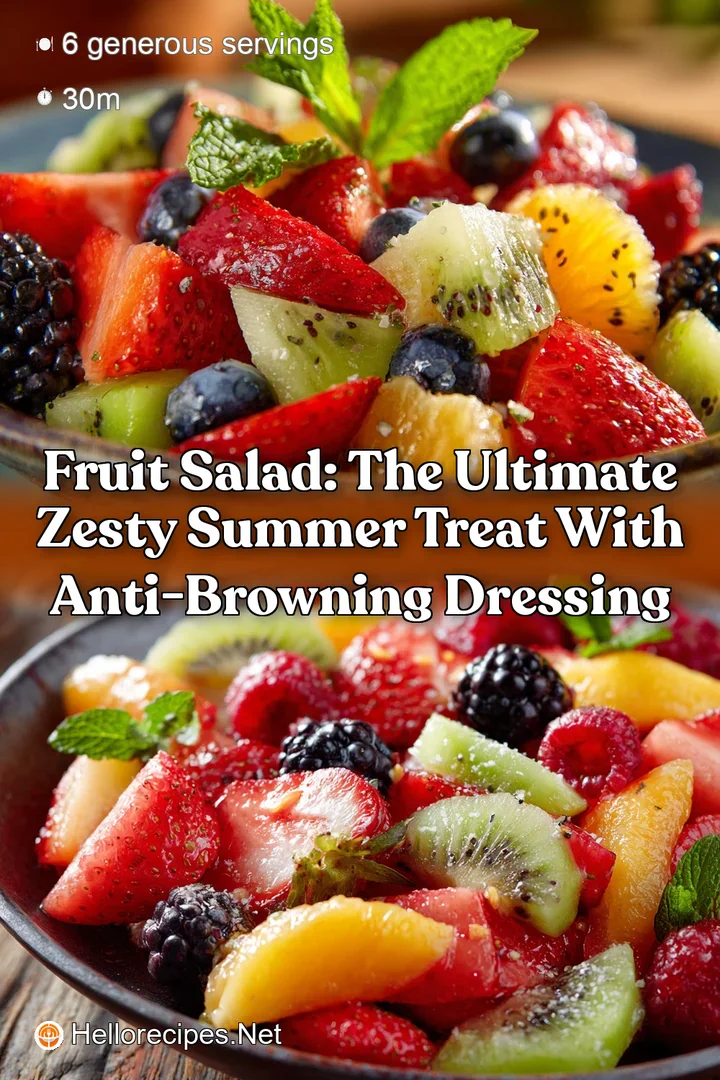
Recipe FAQs
What are the key components of a simple, refreshing fruit salad?
A successful simple fruit salad relies on balancing sweet components like ripe berries and melon with tart components such as pineapple or oranges. The key is ensuring your fruit is perfectly ripe and cut into uniform, bite sized pieces for the best texture distribution in every spoonful.
Use at least five different colors of fruit to ensure both visual appeal and nutritional variety.
Which fruits should I avoid, and how can I prevent immediate browning?
Avoid highly oxidizable fruits like apples and bananas in the main mix unless you plan to serve the salad immediately, or if they are pre-tossed separately with citrus. The essential anti browning defense is incorporating acidic ingredients like fresh lemon or lime juice, which slows the enzymatic reaction that causes discoloration.
Toss the firm fruits with the citrus dressing first before adding the soft berries.
What is the secret to the Zesty Summer Dressing outlined in this recipe?
Our signature zesty dressing is minimal yet powerful, focusing on fresh lime or orange juice to boost acidity and a sweetener like honey or maple syrup for binding viscosity. The true secret lies in adding finely chopped fresh mint, basil, or a tiny grating of ginger, which elevates the aroma and provides a refreshing coolness that complements the fruit.
This creates a light glaze that highlights the fruit’s natural sugars.
How can I transform this zesty salad into a creamy version?
To create a creamy fruit salad, gently fold the prepared and drained fruit with a base of Greek yogurt, a dollop of whipped cream cheese (Neufchâtel), or a light layer of homemade vanilla pudding.
It is crucial to ensure the fruit is very dry before adding the cream base so the mixture doesn't separate and become thin. For an extra rich flavor, add a touch of vanilla extract or almond essence to the creamy coating.
How far in advance can I prepare this fruit salad, and how should it be stored?
While this salad is best enjoyed within two hours of preparation, you can prep the chopped hard fruits (melons, grapes, pineapple) up to 24 hours in advance, storing them tightly sealed in the refrigerator.
Wait to add the delicate berries, and especially the dressing, until about 30 minutes before serving to maintain the freshest texture and prevent the berries from bleeding their color.
Why did my fruit salad become watery, and how can I troubleshoot texture issues?
Wateriness often occurs when high water-content fruits, especially melon, release their internal moisture after contact with acidic dressing or if they are cut too thinly. To prevent this, cut melons and grapes slightly larger, and always drain excess juice from wet fruits like oranges or pineapple before adding them to the bowl.
You can also lightly sprinkle the bottom of your serving bowl with chia seeds, which naturally absorb released moisture.
Can I use frozen fruit, and what are the best serving suggestions?
It is strongly recommended to use only fresh fruit, as frozen fruit becomes mushy and releases excessive water upon thawing, completely compromising the desired vibrant texture. Serve the salad thoroughly chilled, ideally paired alongside grilled protein, atop yogurt parfaits, or as a refreshing counterpoint to a heavy brunch spread like waffles or pancakes.
For an adult twist, a splash of rum or Grand Marnier in the dressing is delightful.
Zesty Anti Browning Fruit Salad Recipe
Ingredients:
Instructions:
Nutrition Facts:
| Calories | 350 kcal |
|---|---|
| Protein | 4.2 g |
| Fat | 0.9 g |
| Carbs | 88.6 g |
