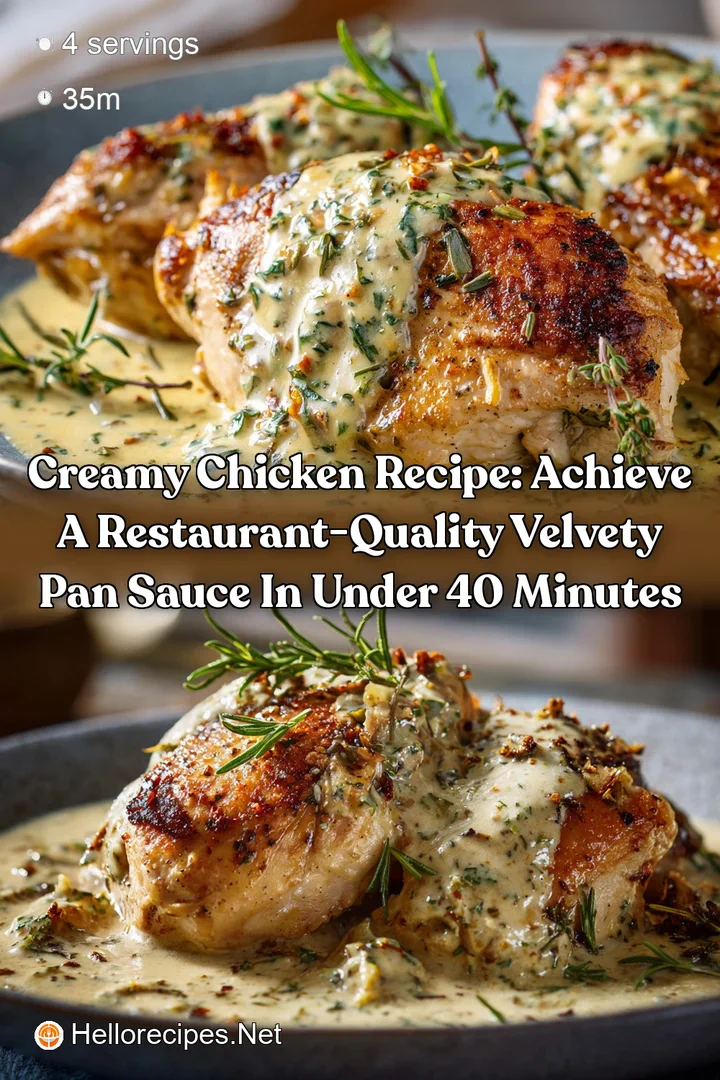
Creamy Chicken with Velvety Tarragon Sauce (35-Minute Recipe)
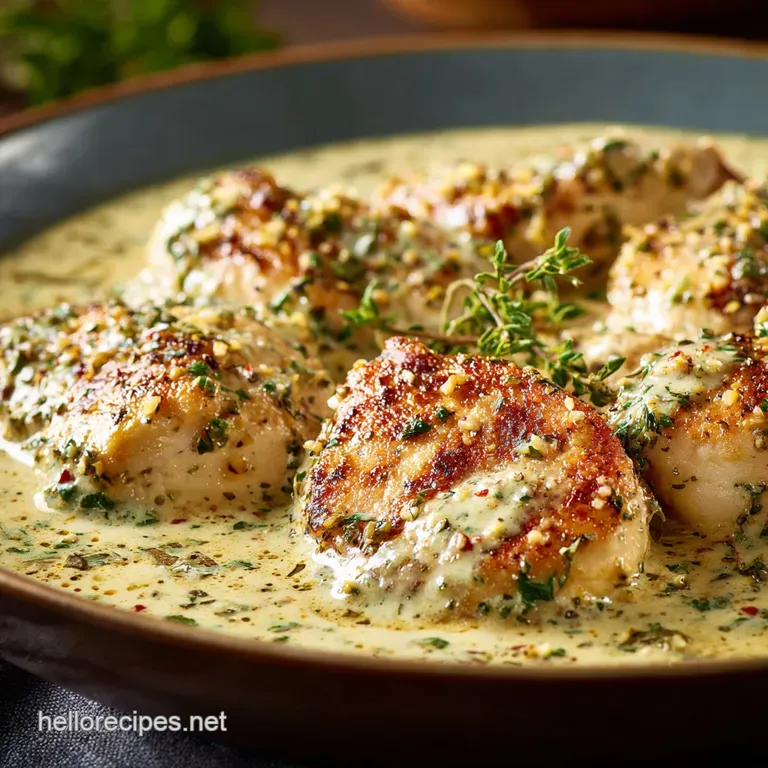
- The Ultimate Velvety Creamy Chicken: Weeknight Elegance
- The Science of Supreme Comfort: Why This Dish Succeeds
- Essential Components for Your Velvety Creamy Chicken
- The Velvety Method: A Masterclass in Preparing Creamy Chicken
- Troubleshooting and Insider Tips for Flawless Results
- Practical Kitchen Prep: Storage and Make-Ahead Guidance
- Recipe FAQs
- 📝 Recipe Card
The Ultimate Velvety Creamy Chicken: Weeknight Elegance
Seriously, stop Googling "boring weeknight dinner ideas." This Creamy Chicken recipe is the answer. When it comes to pure, unadulterated comfort food, nothing beats sinking your fork into perfectly cooked meat draped in a decadent, complex pan sauce.
The combination of savory aromatics and fresh tarragon gives this dish an elegant edge you simply won't get from those quick fix, jarred cream sauces.
We’re not making some sad, overly thick casserole filling here; we are building a sophisticated pan sauce in under 40 minutes that tastes like you spent hours stirring a roux.
This is my secret weapon for when I want restaurant quality flavor but only have time to throw on some sweatpants and listen to a podcast while cooking. It saves me every time.
Forget the fussy French techniques we usually panic about, because this method is stupidly simple but yields beautiful results. Grab your best skillet, pat that meat dry, and let's make the best Creamy Chicken you’ve ever tasted I promise you’ll be licking the plate clean.
The Science of Supreme Comfort: Why This Dish Succeeds
Decoding the Sauce Suprême Technique
This Creamy Chicken relies on a simplified version of a classic French Sauce Suprême , which traditionally starts with a white stock and cream. We’re cutting the corners (because who has time to make veal stock?) by using robust chicken stock as our base, which gets deeply flavored by the golden bits we scrape off the bottom of the pan.
This technique gives you an incredibly rich, velvety texture without needing heaps of flour or cornstarch.
Why This Creamy Chicken Recipe Stands Above the Rest
Most creamy chicken recipes taste vaguely of sour cream and sadness. Not here. The secret ingredient that elevates everything is fresh tarragon, which brings a subtle, licorice like anise flavor that pairs perfectly with rich dairy.
We also finish the sauce with acid (lemon juice!), which is a non-negotiable step to balance the richness of the heavy cream. It cuts through the fat and wakes up the whole dish.
Perfecting the Pan Sear for Maximum Flavour
You need color on your chicken. If you crowd the pan or don’t use enough heat, your chicken will steam itself pale and pathetic. You want that deep golden brown crust! Dry the surface of the meat completely with paper towels before seasoning, and don’t touch it for the full 4– 5 minutes once it hits the hot fat.
The Maillard Reaction and Developing the Fonds
"Maillard Reaction" sounds intense, I know, but it’s just the fancy cooking term for browning, which creates hundreds of complex new flavor compounds. Those little brown crusty bits stuck to the bottom of the pan after the sear?
That is called the fonds , and it’s pure, concentrated flavor gold. When you add the wine or stock later, you dissolve those fonds right into the sauce, essentially creating your flavor base instantly.
Achieving Perfect Emulsification (No Breaking Allowed)
The biggest fear with creamy dishes is splitting the sauce, which happens when high heat shocks the dairy fat. We prevent this by ensuring the sauce base (stock/wine) is already hot before stirring in the cold double cream.
Once the cream is in, you must maintain a very gentle, lazy simmer no rolling boils allowed!
Balancing Acidity with Richness (The Tarragon & Mustard Factor)
The acidity added via the Dijon mustard and fresh lemon juice is functionally crucial here. Dijon mustard serves two roles: it provides a sharp tang to counteract the cream’s richness, and its inherent proteins also help stabilize the sauce, aiding in emulsification.
Tarragon is highly fragrant, offering herbaceousness without the heaviness of rosemary or sage.
Essential Components for Your Velvety Creamy Chicken
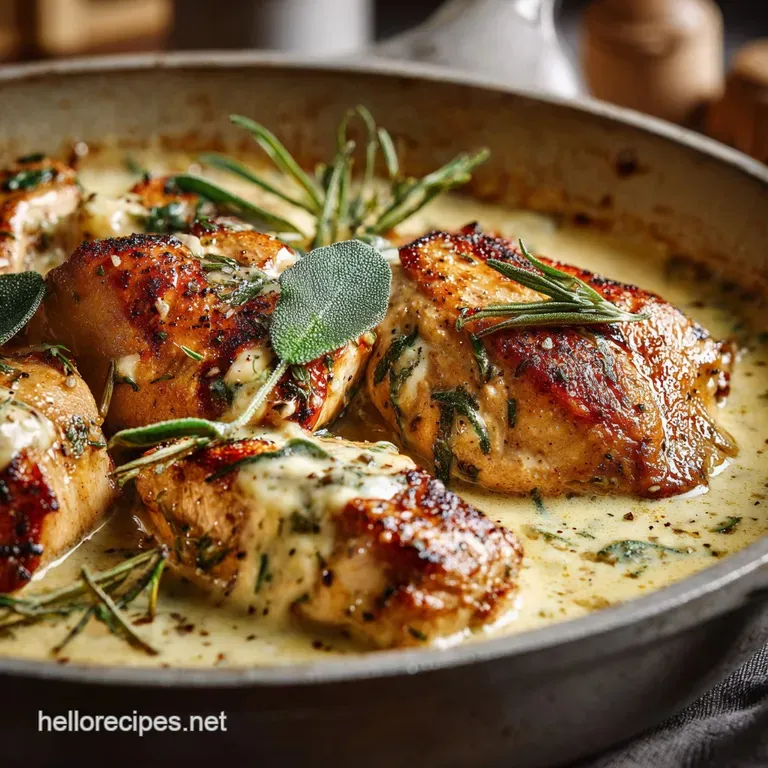
Core Ingredients Checklist: Building the Sauce Base
| Component | Why It's Needed |
|---|---|
| Boneless Breasts | Lean protein; cooks quickly in the two-step sear method. |
| Olive Oil & Butter | Oil raises the smoke point; butter adds the foundational nutty flavor. |
| Shallots & Garlic | Aromatics for complexity; shallots are sweeter and less harsh than onions. |
| Dry White Wine | Essential for deglazing and maximizing the fonds flavor (or good stock substitute). |
| Double Cream (Heavy Cream) | Gives that luxurious, rich texture we crave; must be high fat (35%+). |
| Dijon Mustard | Provides necessary acidity and flavor depth. |
| Fresh Tarragon | The signature, subtle, anise like flavor that elevates the whole dish. |
The Role of Fresh Tarragon vs. Dried Alternatives
If you can find fresh tarragon, please use it; it smells amazing and makes all the difference! Dried tarragon is much stronger and often loses its distinctive subtle sweetness. If you must use dried, cut the amount to one-third, maybe half a teaspoon, and add it right at the beginning with the shallots so it has time to "wake up" in the oil.
If tarragon simply isn't your jam, fresh thyme is a lovely, earthy substitution that works beautifully in creamy pan sauces.
Smart Ingredient Swaps and Dietary Modifications
| Original Ingredient | Recommended Substitution | Notes |
|---|---|---|
| Boneless Breasts | Boneless, skinless thighs | Use them! They stay juicier and need slightly longer to finish cooking. |
| Double Cream | Crème Fraîche | Adds a lovely, pleasant tang and is highly stable, resisting separation. |
| White Wine | Apple Cider Vinegar (1 Tbsp) + extra stock | The vinegar provides the necessary acid boost for deglazing without alcohol. |
| Shallots | Finely diced yellow onion (half a small one) | Dice very, very small so they melt into the sauce nicely. |
Choosing the Right Mustard for Depth of Flavour
You really need Dijon here. Don’t reach for yellow hot dog mustard; it simply won't give you the pungent, sharp, complex acidity needed. A stone ground mustard would be acceptable, but Dijon offers the best flavor and texture integration into the velvety sauce.
The Velvety Method: A Masterclass in Preparing Creamy Chicken
This process takes 35 minutes start to finish. Seriously. It’s faster than ordering pizza.
Phase I: Developing the Golden Crust (Pre-Sauce Preparation)
- Prep the Meat: Slice the boneless pieces to ensure they are roughly equal thickness (pound the thicker end slightly if needed), and then pat them aggressively dry. Salt and pepper them generously; dry meat takes seasoning better.
- Heat the Fat: Get your skillet ripping hot over medium high heat. Add the olive oil, then the butter. Wait until the butter stops foaming and starts to look slightly golden and nutty. That little nutty aroma means it’s ready to sear.
- Sear the Chicken: Place the prepared pieces carefully into the hot pan. Don't crowd it if you only have a small pan, work in two batches. Sear for 4– 5 minutes per side until that glorious deep golden crust develops.
- Remove: Take the partially cooked pieces out of the skillet and set them aside. Do not wipe the pan clean! We need those brown bits.
Phase II: Deglazing and Capturing the Pan Fonds
- Sauté Aromatics: Turn the heat down to medium. Add the diced shallots and cook until they are soft and smelling sweet, about 2 minutes. Add the garlic and stir constantly for 30 seconds only, watching carefully so it doesn’t burn and taste bitter (I've made that mistake more times than I care to admit).
- Deglaze the Pan: Pour in the white wine or extra stock. Immediately use a wooden spoon to scrape every single brown bit (the fonds ) off the bottom of the pan. This is mandatory for deep flavor! Simmer the liquid rapidly until it has reduced by about half.
Chef’s Note: The deglazing step is the backbone of this Creamy Chicken recipe. If you skip scraping up the fonds , you'll have a thin, shallow sauce. Those brown bits are the essential, rich, savory flavor component.
Phase III: Simmering the Sauce Suprême to Perfection
- Build the Sauce: Whisk in the chicken stock and the Dijon mustard until completely smooth and dissolved. Let this mixture simmer gently for 2– 3 minutes to integrate all the flavors.
- Add the Cream: Pour in the heavy cream. Reduce the heat slightly to low-medium. Continue to simmer gently (just little bubbles around the edge) for 3– 5 minutes until the sauce coats the back of a spoon thickly.
Final Phase: Incorporating the Velvety Finish
- Finish Cooking: Return the seared pieces to the sauce. They should be submerged halfway. Simmer very gently for another 5– 7 minutes. Use a thermometer! Pull the meat when the internal temperature hits 165°F (74° C).
- The Grand Finish: Remove the pan from the heat. Stir in the fresh lemon juice and the chopped tarragon. Taste the sauce, adjusting the salt and pepper as needed. Sometimes it needs a tiny bit more lemon to really sing.
- Rest and Serve: Let the dish sit for 5 minutes before serving. This allows the juices to redistribute and the sauce to thicken slightly around the meat.
Troubleshooting and Insider Tips for Flawless Results
Preventing Curdling: Temperature Control Secrets
The main culprit of curdled cream sauce is adding cold dairy directly to a boiling hot acidic or alcoholic liquid. Always ensure you add the cream after the wine has already been reduced and the stock has been incorporated and warmed up.
On top of that,, once the cream is in, never let it reach a hard, rolling boil. Keep the heat low and slow.
The Importance of Resting Time Before Serving
Resting isn’t just for steaks. Allowing the finished dish to sit off the heat lets the final juices from the pieces release slightly into the sauce, which adds flavor and helps naturally thicken the sauce even more. Resting also ensures the meat is maximally tender and moist.
Fixing a Thin Sauce: Quick Reduction Techniques
If your sauce is still too thin after adding the cream and simmering, don't panic. Remove the meat and cover it tightly with foil. Turn the heat up slightly (but still not a boil) and let the sauce reduce rapidly for 3– 5 minutes.
If that still doesn't do it, whisk together 1 teaspoon of cornstarch (or flour) with 1 tablespoon of water (a slurry) and whisk it vigorously into the simmering sauce until thickened.
Practical Kitchen Prep: Storage and make-ahead Guidance
Refrigeration Best Practices for Leftovers
Creamy Chicken stores beautifully! Cool the leftovers completely before transferring them to an airtight container. Store for up to 3 4 days in the refrigerator. I find this dish is often even tastier the next day once the tarragon flavor has really melded with the sauce.
How to Successfully Freeze and Reheat Creamy Dishes
This is where rich dairy can get tricky, but it is definitely possible! Cream sauces with a high fat content (like double/heavy cream) freeze much better than lower fat alternatives. Freeze the portion in a freezer safe container for up to 3 months. When reheating, thaw overnight in the fridge.
Reheat gently on the stovetop over low heat, stirring frequently. Never try to boil frozen or cold cream sauces quickly.
Revitalizing the Sauce Texture Upon Warming
When reheating, the sauce might look slightly grainy or separated that’s just the fat and water molecules protesting the temperature change. Don’t worry! Once it is warm, vigorously whisk in a splash (1 2 tablespoons) of fresh, cold cream or stock.
This shock of cold liquid, combined with brisk whisking, usually pulls the emulsion right
Recipe FAQs
Why did my chicken turn out dry, even though the sauce is perfect?
Overcooking is the most common reason for dry chicken. To ensure maximum tenderness, always utilize a meat thermometer and aim for an internal temperature of 165°F (74°C) before removing the chicken from the pan.
Furthermore, allowing the chicken to rest for 5 10 minutes after slicing permits the juices to redistribute back into the meat fibers.
How do I thicken the sauce if it seems too thin after adding the cream?
If the sauce is too runny, create a quick slurry by mixing one tablespoon of cornstarch with one tablespoon of cold water, and slowly whisk this mixture into the simmering sauce. Alternatively, simply reduce the sauce longer over medium heat; the natural evaporation process will concentrate the liquids and intensify the flavour and texture.
I don't have tarragon. What other herbs pair well with this creamy sauce?
While tarragon offers a distinct subtle anise note, excellent substitutes include fresh thyme or finely chopped chives, which complement the richness of the cream and mustard well. If you are looking for a brighter, fresher flavour profile, a generous amount of finely chopped parsley is always a reliable choice.
Can I make this sauce without heavy cream, or use a non-dairy alternative?
You can substitute heavy cream with half and-half, though the final sauce will be less rich and may require thickening. For a non-dairy version, full fat canned coconut milk provides excellent texture and richness, but be aware it will introduce a subtle sweetness to the overall flavour profile.
Can I omit the white wine called for in the recipe?
Yes, you can easily omit the wine without significantly compromising the dish. Replace the exact volume of wine with high-quality chicken broth or stock. To maintain the crucial acidity that wine provides, add a small splash of lemon juice or white wine vinegar after the broth has reduced.
Can I freeze leftover Velvety Creamy Chicken?
Freezing creamy sauces is generally discouraged because high fat dairy tends to separate or "break" and takes on a grainy texture when thawed. If you must freeze it, cool the dish completely and store it for no more than two months.
Reheat the sauce very slowly and stir vigorously, or add a small amount of fresh cream at the end to help re-emulsify the sauce.
How far in advance can I prepare this dish?
You can prepare the chicken and build the entire base sauce (broth, mustard, and herbs) ahead of time, then cool and refrigerate this mixture for up to 48 hours. When you are ready to serve, gently reheat the base sauce and stir in the heavy cream just before the final simmer.
This method prevents the cream from destabilizing during prolonged storage or reheating.
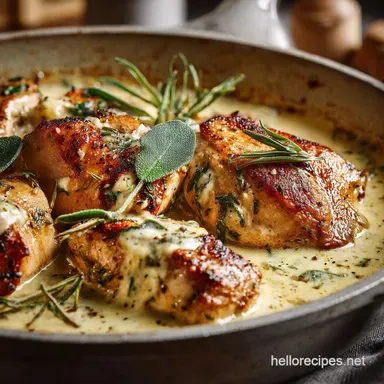
Velvety Creamy Chicken Recipe
Ingredients:
Instructions:
Nutrition Facts:
| Calories | 584 kcal |
|---|---|
| Protein | 38.0 g |
| Fat | 38.0 g |
| Carbs | 21.0 g |
