Hong Kong Milk Tea: the Velvet Hammer Brew
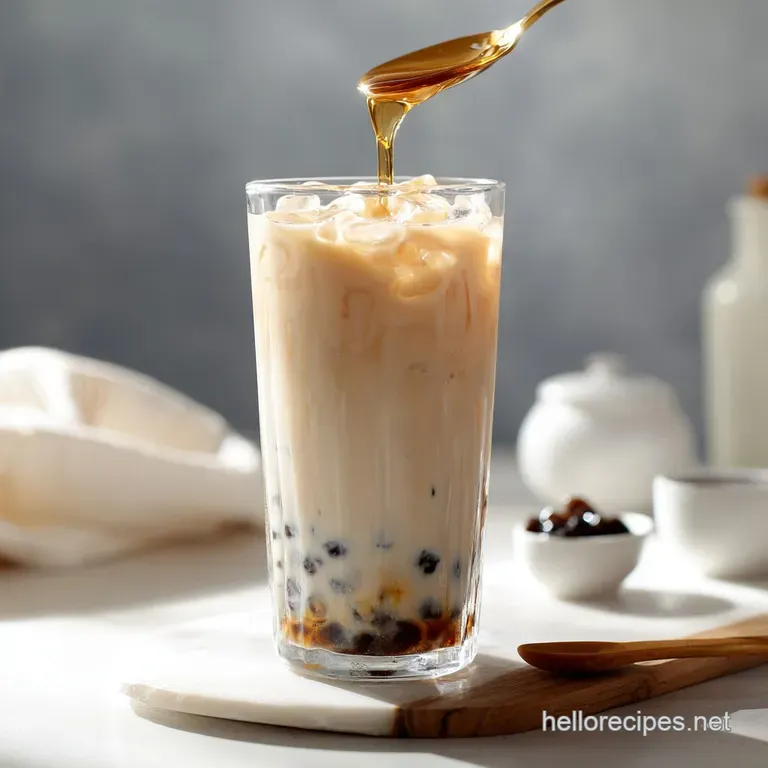
- The Icon of Cha Chaan Teng : What Makes This Brew Unique?
- Brewing for Texture: The Science Behind the 'Velvet Smooth' Finish
- Components of the Perfect Cup: Tea Base and Dairy Choice
- The Seven Steps to Achieving Authentic Silk Stocking Tea (Cha Kwo Lo Method)
- Brewing Mastery: Expert Techniques and Common Errors
- Preparing Ahead: Storing Hong Kong Milk Tea Concentrate
- Completing the Experience: Classic Hong Kong Pairings
- Recipe FAQs
- 📝 Recipe Card
The Icon of Cha Chaan Teng : What Makes This Brew Unique?
Stop what you are doing. Seriously, stop. If you have ever been lucky enough to stand in a bustling Hong Kong Cha Chaan Teng (tea restaurant), you already know the intoxicating aroma of this velvet brew. The best Hong Kong Milk Tea is more than just caffeine; it's an experience.
It smells deep, malty, and slightly savory, promising a richness that regular Western tea and milk can only dream of.
For years, I wasted so much money trying to replicate that creamy, robust mouthfeel at home. I tried everything: expensive loose leaf, cheap grocery store stuff, whole milk, heavy cream. Nothing worked until I cracked the code on the specific brewing technique and the non-negotiable dairy choice.
This isn't just a recipe; it's your lifeline to quick, cheap, and impossibly satisfying comfort, perfect for fueling your day after enjoying a hearty [Steak Egg and Cheese Bagel: Gourmet Breakfast Sandwich Recipe].
This ultimate guide will show you exactly how to transform basic black tea and evaporated milk into the iconic, powerful, and utterly smooth beverage known as Silk Stocking Tea. We are diving deep into the tannins, the aeration, and the precise ratios required to make authentic Hong Kong Milk Tea right in your own kitchen.
Let's crack on.
Brewing for Texture: The Science Behind the 'Velvet Smooth' Finish
Why does this specific brew taste so fundamentally different? It comes down to two things: brute strength and delicate aeration. We need to extract every single flavor molecule from the tea leaves yes, even the slightly bitter tannins and then we need the fat and viscosity of evaporated milk to cushion the blow.
The resulting texture is what gives Hong Kong Milk Tea its reputation for being "velvet smooth."
The Legacy of Colonial Tea Culture in Asia
The genesis of Hong Kong Milk Tea is a fascinating culinary accident, born from British necessity during the colonial era. The British required their afternoon tea, of course, but the local environment demanded adaptation.
Since fresh dairy was unreliable and expensive, local cooks substituted it with canned, unsweetened evaporated milk, which offered a much higher fat and protein content. This solved the richness problem.
However, to match the intensity of the evaporated milk, they had to start using much stronger, cheaper black tea dust and brew it ruthlessly.
Differentiating the Hong Kong Style from Western Brews
Think about a standard English Breakfast tea; it’s usually steeped for three minutes and mixed with a dash of fresh milk. This results in a mellow, light drink. Traditional Hong Kong Milk Tea , by contrast, involves simmering the tea for extended periods, creating a highly concentrated base that is nearly black and exceptionally robust.
If you tried to drink this concentrate without the evaporated milk, it would feel like scraping your tongue. That intense extraction is precisely what is needed to stand up to the thick dairy base and achieve that necessary balance.
Mastering the Intense, Malty Flavor Profile
To get that iconic, deep flavor, you cannot skimp on the tea leaves. You are essentially making a super concentrate. My biggest initial mistake when making Hong Kong Milk Tea was using a standard 1:10 tea-to-water ratio. Forget that.
We are aiming for closer to a 1:8 or even 1:7 ratio by weight, ensuring the final brew carries those dark, malty notes that define this particular recipe.
The Tannin Extraction Threshold
Tannins are the compounds that give tea its astringency and strength. Normally, you want to avoid over steeping and releasing too many tannins, which leads to bitterness. But for genuine Hong Kong Milk Tea , we must cross that threshold.
We simmer the tea, not just steep it, forcing maximum tannin release. This bitter depth is crucial because the thick evaporated milk will immediately neutralize that harshness, leaving behind only the deep, powerful tea flavor we crave. If your tea base tastes weak before adding the milk, you have failed the mission.
Why Evaporated Milk is Non-Negotiable for Authenticity
If you are using regular whole milk, stop right now. Evaporated milk, which is concentrated milk with about 60% of the water removed, has a completely different chemical structure. It has a high viscosity and fat content that fresh milk simply lacks.
This richness is what coats your palate and gives the Hong Kong Milk Tea its signature velvety, almost syrupy mouthfeel. Don't even think about using sweetened condensed milk unless you are prepared for something impossibly sweet we want the unsweetened variety for optimal control.
The Critical Role of Aeration (The "Pulling" Technique)
This is the theatrical part, known as "pulling" the tea. It sounds fancy, but you are just pouring the tea concentrate back and forth between two pots from a height. Why do this? Two reasons. First, it introduces air, which softens the tannins and makes the final cup less sharp.
Second, it slightly cools the concentrate, which helps prevent the milk from scalding or curdling when mixed. This simple, dramatic step separates a standard strong tea from genuine Hong Kong Milk Tea .
Chef’s Note: The "silk stocking" ( cha kwo lo ) filter isn't just a quirky name. The original filters are so finely woven that they filter out even the smallest tea dust particles. This ensures the brew is incredibly clear and smooth, removing any grainy mouthfeel.
Components of the Perfect Cup: Tea Base and Dairy Choice
Selecting the High Tannin Tea Blend (Ceylon and Pu-Erh)
Authenticity demands strength. Look for a fine cut, high tannin black tea. Ceylon is the backbone, providing brightness and maltiness. Often, blends will incorporate Assam for depth or even a small amount of earthy Pu-Erh, giving the Hong Kong Milk Tea that specific dark complexity.
If you can’t find a specialty blend, buy the strongest, cheapest, fine cut black breakfast tea you can find. Remember, cheap, finely ground tea extracts flavor much faster, which is actually a benefit here.
| Ingredient | My Recommendation | Substitution |
|---|---|---|
| Tea Base | Fine cut Ceylon/Assam blend (Tea dust is best) | Strong Black English Breakfast (Use 20% more than recommended) |
| Water | Filtered Water | Tap Water (If yours is soft and neutral) |
| Dairy | Unsweetened Evaporated Milk (Full Fat) | Half and Half + 1/2 tsp Baking Soda (to mimic concentration/texture) |
| Sweetener | Granulated Sugar | Honey or Simple Syrup (Adjust to taste, usually needs less volume) |
Detailed Notes on Sweeteners (Granulated Sugar vs. Condensed Milk)
I prefer simple granulated white sugar. Why? Control. Since the evaporated milk we use is unsweetened, we can adjust the sweetness based on whether we are having the tea hot or iced. Iced drinks usually require a tiny bit more sweetness to register on the palate.
If you want a ridiculously rich, slightly sticky sweetness, you could use a small amount of sweetened condensed milk, but only as a partial substitute for the evaporated milk.
Finding the Right Unsweetened Evaporated Milk Substitute
Truly, there is no perfect substitute for the distinct texture of evaporated milk in a traditional Hong Kong Milk Tea . But sometimes we're in a pinch! If you absolutely cannot find it, use a combination of heavy cream and regular whole milk (about 1:1 ratio) and let it simmer down by about 20% to increase the concentration slightly.
You'll lose a little of that iconic canned flavour, but it will still be rich. Vegan? A very thick, high fat oat milk that has been reduced slightly on the stove is your best bet for textural mimicry.
The Importance of Filtered Water Quality
If you live in an area with hard water, the high mineral content (calcium, magnesium) can seriously interfere with the tea extraction, leaving you with a duller, cloudy brew. Since the essence of this whole recipe is tea strength, please use filtered or bottled water if your tap water tastes highly mineralized.
You want the pure, clean water to do its job, allowing the full malty power of the black tea to shine through in this magnificent Hong Kong Milk Tea .
The Seven Steps to Achieving Authentic Silk Stocking Tea (Cha Kwo Lo Method)
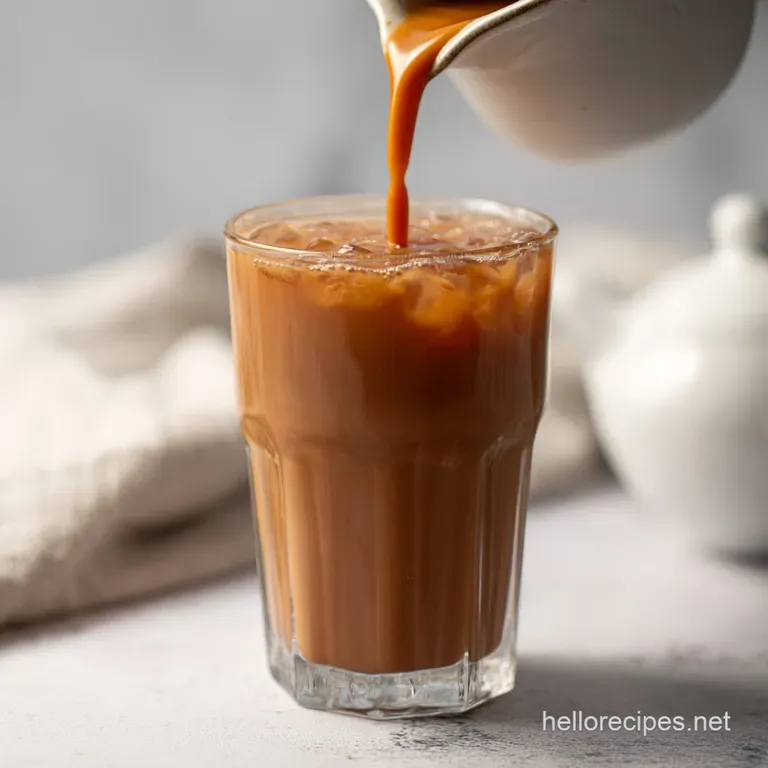
This is where the magic happens. We are following the exact method used in those famous street stalls.
The Initial Boil and Steeping Sequence
- Bring it to a Roar: Pour 500 ml of filtered water into a saucepan and bring it to a vigorous, rolling boil.
- Add the Tea Dust: Turn off the heat immediately. Add the generous 60g of high tannin black tea to the water. Give it a quick, strong stir to ensure all the leaves are submerged and starting their extraction.
- The Short Steep: Cover the pan and let it steep, undisturbed, for precisely 3 minutes. This allows the water temperature to drop slightly before we turn up the heat again.
- The Long Simmer: Return the pan to the stove and set the heat to low. Simmer the tea gently for 5 minutes. You should see a deep, mahogany color forming, and the kitchen should smell intensely malty. Do not let it boil over!
The Art of "Pulling": Aerating the Brew for Creaminess
- First Strain (The Sock): Set up your fine filter (muslin cloth or nut milk bag) over the second saucepan. Carefully strain the entire tea mixture, pressing lightly on the leaves to ensure maximum extraction. Discard the spent tea leaves.
- The Dramatic Pull: Now for the fun part. Hold the two saucepans approximately 30 cm apart. Pour the strained tea quickly from the high pot to the low pot, creating a splash and a bit of aeration. Repeat this back and forth "pulling" action 6 to 8 times. This is what gives the finished Hong Kong Milk Tea its beautiful, creamy lightness.
Combining the Concentrate and Dairy Base
- Heat the Milk & Sweeten: In a separate, small pot, gently warm the evaporated milk. Stir in your desired sugar amount (2 4 Tbsp) until it is fully dissolved. Warming the milk ensures your final cup of tea stays piping hot.
- The Grand Finale: Pour the heated, sweetened evaporated milk into your serving mugs. Slowly pour the hot tea concentrate over the milk. Stir once or twice. You should have a deep, caramel colored beverage that smells rich and wonderful.
Serving Hot vs. Creating the Iced Hong Kong Milk Tea Style
While hot Hong Kong Milk Tea is comforting, the iced version is, frankly, superior. To make it iced, you must use a lot of ice fill your glasses entirely. Pour the hot milk and then the hot tea over the ice.
The immediate temperature change locks in the strong flavor and creates an incredible texture as the concentrated tea hits the cold, thick dairy. This method prevents dilution and guarantees that bold, icy cold taste, perfect for enjoying alongside a slice of [gluten-free Japanese Milk Bread: Cloud Soft Shokupan Recipe].
Brewing Mastery: Expert Techniques and Common Errors
I’ve made every mistake in the book, from brewing a weak, watery base to forgetting to heat the milk. Here’s what truly matters when perfecting your homemade Hong Kong Milk Tea .
Troubleshooting Bitter Flavors (Avoiding Over Steeping)
If your final brew is too bitter, you might have simmered it too long or used a tea that was too dusty for the technique. Remember that the long simmer is required, but it must be done at the lowest possible heat. Violent boiling will quickly scald the tannins, making them excessively sharp.
If you find your concentrate overly astringent, mitigate it by adding a few drops more evaporated milk rather than diluting it with water.
Achieving the Deepest Color and Strength
The color of true Hong Kong Milk Tea should be an opaque, rich burnt orange or deep caramel. If it looks pale, your tea-to-water ratio was too low, or you didn't simmer long enough. The key here is boldness. Don't be timid with the loose leaf!
This is the core principle of this amazing milk tea recipe.
The Quick Version: Brewing Concentrated Tea Without the Sock
Let's face it, not every day allows for theatrics. If you need a quick fix, you can skip the muslin cloth and the "pulling" technique. Instead, simply use a very large French Press. Triple the amount of tea bags or leaves you usually use, steep for 8 minutes, and press.
While this won't give you the exact smoothness of the cha kwo lo method, it will quickly yield a strong enough concentrate to make satisfying Hong Kong Milk Tea .
Preparing Ahead: Storing Hong Kong Milk Tea Concentrate
This is the great secret of the street vendors: they don't brew every single cup from scratch. They brew massive batches of the concentrate ahead of time.
Refrigeration Guidelines for Unmixed Tea Base
The pure tea concentrate, without any milk or sugar added, is incredibly stable. Store the strained, cooled concentrate in an airtight container in the refrigerator. It will keep beautifully for up to 3 days.
This way, when the craving hits, you only need to heat your evaporated milk, heat your concentrate, and mix them together for instant Hong Kong Milk Tea .
Shelf Life and Quality Degradation
Once you mix the concentrate with the evaporated milk, the shelf life drops significantly due to the dairy content. Mixed Hong Kong Milk Tea is best consumed within 24 hours and definitely within 48 hours.
After that, the evaporated milk starts to separate slightly, and the flavor becomes noticeably duller.
Reheating and Reconstitution Tips
To reheat the stored concentrate, gently warm it on the stove do not boil it, or you’ll intensify the bitterness. If you are reheating a pre-mixed cup (only recommended if it’s less than a day old), use a microwave on medium power or a very low heat on the stove, stirring often to prevent the creamy layer from separating.
A perfectly brewed cup of hot Hong Kong Milk Tea is always worth the minor effort.
Completing the Experience: Classic Hong Kong Pairings
The intense strength of this drink demands something rich and slightly sweet to accompany it. It cuts through fat beautifully. Forget light scones; we are talking serious comfort food here.
Try pairing this robust drink with a slice of rich, buttered toast, or perhaps try your hand at a classic pineapple bun. The powerful, earthy notes of the Hong Kong Milk Tea are designed to complement rich pastries, making it the perfect midday ritual.
Honestly, once you master this technique, you will never go back to standard milk tea again. This is the real deal.

Recipe FAQs
Why is my Hong Kong Milk Tea watery or lacking that signature robust flavor?
You likely need to use more tea leaves or increase the steeping time significantly. Authentic HK milk tea uses a high ratio of finely ground tea to water, often boiling the leaves multiple times to extract maximum tannins and achieve the required concentration.
What is the purpose of repeatedly pouring the tea (the "pulling" or "stretching" technique)?
This technique, often performed through the cloth filter known as the "silk stocking," serves to thoroughly aerate the tea and ensure the infusion is perfectly blended. This rigorous method is key to creating the ultra smooth, creamy mouthfeel the beverage is famous for.
Can I use whole milk or half and-half instead of evaporated milk?
While you can, it will significantly alter the flavor profile and the signature viscosity. Evaporated milk provides the necessary high fat and protein concentration, delivering the specific richness and slight savory notes required for an authentic, thick texture without overly watering down the intense tea base.
Which specific type of black tea is best for achieving the authentic flavor?
Authentic HK recipes use a blend, typically incorporating strong, bold varieties like Ceylon and robust Assam, sometimes mixed with cheap tea dust for color and intensity. Look for finely ground, broken leaf teas or a commercial blend specifically marketed for milk tea use.
How should I store leftover HK Milk Tea, and how long does it last?
It is best consumed immediately, but you can store the brewed, unsweetened tea concentrate in an airtight container in the refrigerator for up to 2 days. Reheat the tea gently before adding evaporated milk, as adding the dairy cold can sometimes cause the mixture to separate.
Is there a suitable non-dairy alternative for evaporated milk in this recipe?
Canned full fat coconut milk (not the thin carton variety) offers the best richness and thickness to mimic the texture of evaporated milk. Alternatively, specialized evaporated oat milk provides a neutral flavor, but both options may require a touch more sweetness.
Should I use granulated sugar or condensed milk to sweeten the tea?
Traditionally, HK Milk Tea is often served with granulated sugar on the side, allowing the drinker to customize the sweetness level. Using condensed milk is also common, as it provides both sweetness and extra creaminess, allowing you to reduce the amount of plain evaporated milk slightly.
Velvet Hammer Hong Kong Milk Tea
Ingredients:
Instructions:
Nutrition Facts:
| Calories | 111 kcal |
|---|---|
| Protein | 3.8 g |
| Fat | 2.5 g |
| Carbs | 22.1 g |
