Pozole Rojo the Ultimate Hearty Mexican Hominy Stew
- Mastering the Chile Base: Why Pozole Rojo Demands Deep Flavor
- The Cultural Significance of Pozole and Its Ancient Origins
- Essential Components for Authentic Pozole Rojo
- Beyond the Pot: Non-Negotiable Garnishes and Toppings
- Phase One: Building the Foundation (Meat and Stock)
- Phase Two: Creating the Silky Red Pozole Broth
- Optimizing Your Pozole Experience and Serving Tips
- Storage, Variations, and Recipe Troubleshooting
- Recipe FAQs
- 📝 Recipe Card
Mastering the Chile Base: Why Pozole Rojo Demands Deep Flavor
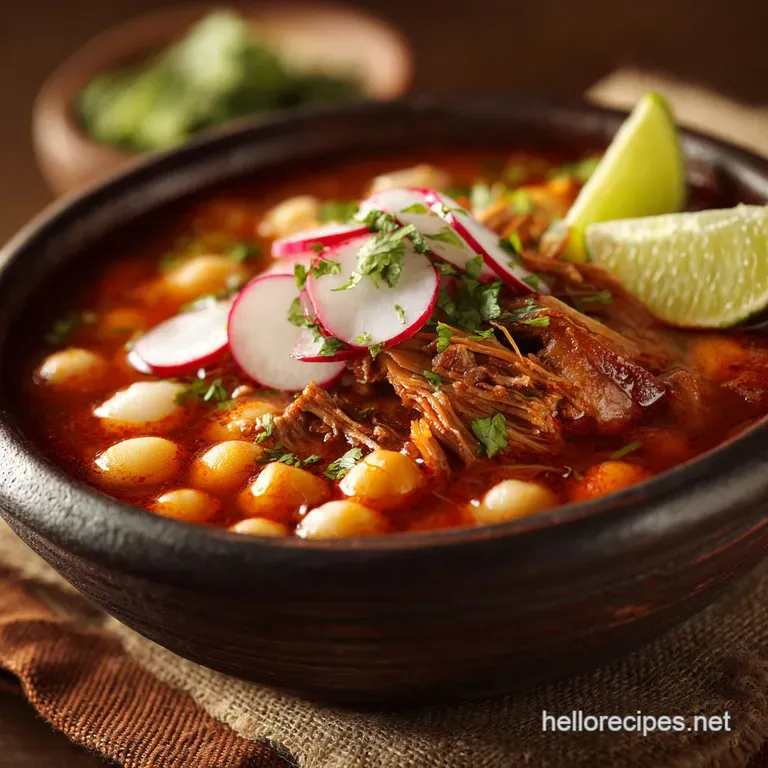
When we talk about Pozole Rojo, we aren't talking about a simple soup we're talking about a culinary tapestry where every thread matters. But the star, the absolute foundation that determines success, is the chile base, or what many Mexican cooks call the recaudo .
If you skip straight to using pre-made chili powder, you are missing the profound, earthy, and smoky notes that make this hearty Mexican pork stew unforgettable.
The 'rojo' (red) in Pozole Rojo doesn't just refer to the color; it speaks to the depth of flavor we pull from the dried chiles. We are aiming for complexity, not raw heat. The process of toasting, soaking, and straining these peppers unlocks aromas and oils you simply can't find in any other format.
This is the difference between a nice stew and a truly authentic experience. It’s about building a foundation so strong it can carry the rich pork and the hearty hominy without collapsing.
The Cultural Significance of Pozole and Its Ancient Origins
Pozole is more than just dinner; it’s celebration food. For generations, this dish has graced Mexican tables for weddings, holidays, and especially on New Year’s Eve. I first learned to make a proper Mexican Pozole Soup from a dear family friend who insisted the long cooking process was part of the ritual a way to show respect for the ingredients and the people you are feeding.
Historically, Pozole is a dish with ancient Mesoamerican roots, often used in ritual contexts. Using hominy (nixtamalized corn) connects us directly to that history.
When I smell the scent of the toasted guajillos mingling with the slow cooked garlic and bay leaves, I know I am participating in something timeless. It’s an exercise in patience that pays off with incredible warmth, making it the perfect remedy for a cold evening.
Understanding the Ancho and Guajillo Flavor Profile
To make an exceptional Pozole Rojo Receta, you need the right blend of dried chiles. We rely on the marriage of Guajillo and Ancho chiles because they offer distinct but complementary flavors.
The Guajillo is responsible for the stew’s vibrant red color and much of its fruity, bright flavor. Think of it as having notes of green tea and berry, with barely any detectable heat. It carries the broth beautifully.
The Ancho , which is simply a dried poblano pepper, is our essential source of smokiness, depth, and body. They are broad, dark, and sweet, often described as tasting like dried fruit or deep earth.
By combining them, we create a rich, multi layered sauce that is savory without being overwhelming.
Choosing the Best Cut of Pork for Shredding Power
The best protein for a classic Pork Hominy Stew is, without a doubt, the pork shoulder, often called Boston butt. Why? Fat and collagen.
We need those connective tissues. As the pork shoulder cooks low and slow for several hours, the tough collagen melts down into gelatin. This gelatin doesn’t just make the meat succulent and fall apart tender; it also enriches and thickens the entire stock, giving the final broth that luscious, mouth coating quality.
Using a leaner cut like tenderloin would leave you with dry, tough meat and a thin broth a culinary disaster we certainly want to avoid!
Is Pozole Rojo Traditionally Spicy?
This is the most common question I hear, and the answer often surprises people. The traditional Pozole Rojo dish is built on flavor, not heat. The specific chiles we use (Ancho and Guajillo) are low on the Scoville scale.
| Heat Level | Common Chiles Used | Flavor Contribution |
|---|---|---|
| Mild | Ancho, Guajillo, Pasilla | Earthy, Fruity, Smoky |
| Medium | Chipotle, Puya | Smoky Heat, Raisin |
| Hot | Arbol, Piquín | Sharp, Immediate Heat |
If you love a spicy red Pozole dish, you should absolutely incorporate a few dried chiles de Árbol into the recaudo , but treat them as an addition, not a replacement. Blend them in, knowing that a few tiny Árbols go a long, long way.
Essential Components for Authentic Pozole Rojo
Beyond the magnificent chile sauce and the tender pork, we have the remaining essential ingredients that transform the broth into Pozole: aromatics and hominy.
The initial cooking phase with the pork relies on the simplest of ingredients fresh onion, garlic, bay leaves, and peppercorns to create a clean, savory stock. We discard these spent aromatics, but their essence remains as the perfect foundation for the recaudo.
This stock, once strained, is golden liquid gold.
And then there is the hominy (maíz pozolero). Hominy is not regular corn; it is treated through a process called nixtamalization, which plumps the kernels, makes them easier to digest, and gives them their characteristic earthy, slightly chewy texture. It is non-negotiable for true Pozole.
The hominy acts like a sponge, soaking up that rich, deep red broth until it is plump and bursting with flavor.
Beyond the Pot: Non-Negotiable Garnishes and Toppings
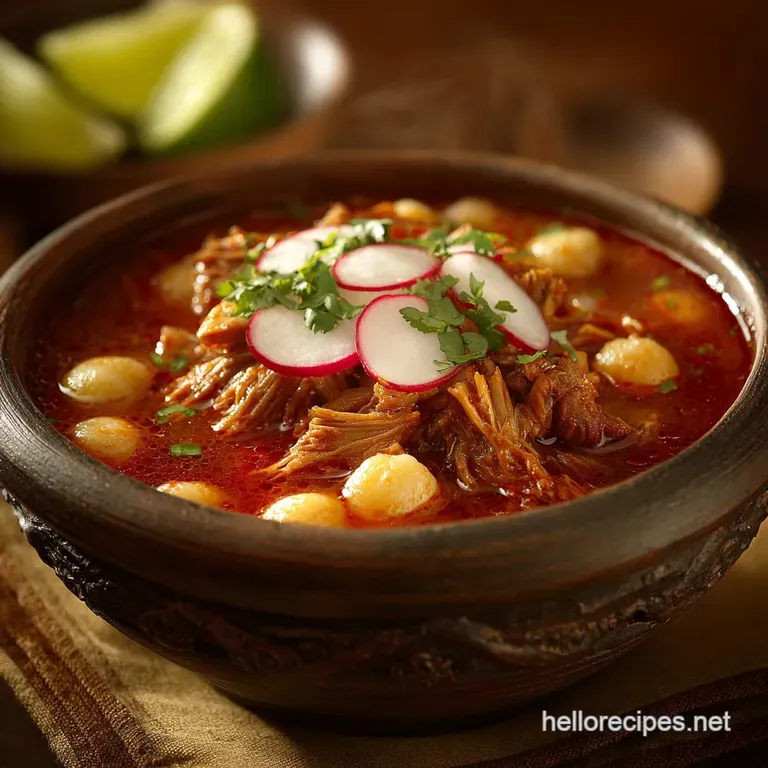
The true magic of eating Pozole, much like enjoying pho or ramen, comes from the customizability you get at the table. The garnishes are not optional; they are critical counterpoints to the richness and depth of the hearty winter Pozole dish.
You need crunch, acid, and sharp, cool contrast. Without these elements, the pork and chile stew can feel too heavy. The toppings cut through the fat and revitalize every bite. When you set out your bowls, make sure they are overflowing with freshness.
A crucial lesson: the brightness of a simple lime wedge squeezed generously over the finished bowl is the final, essential seasoning element. Do not skip it.
Here are the traditional garnishes we must have ready:
- Thinly shredded green cabbage (for essential crunch)
- Finely diced white onion (for sharp bite)
- Thinly sliced radishes (for peppery, cooling contrast)
- Cilantro and plenty of lime wedges
Sourcing Quality Dried Chiles and Prepared Hominy
When you are buying dried chiles, look for ones that still feel pliable and have a bit of shine. If they are brittle, dusty, or faded, they are past their prime and won't contribute the vibrant flavor or color we need. I usually buy chiles from Mexican specialty stores where turnover is high, ensuring freshness.
For the hominy, canned is generally the most accessible and practical choice. Make sure you rinse the hominy very thoroughly after draining. This removes the starchy canning liquid and prepares the kernels to soak up your beautiful, savory broth.
Necessary Kitchen Equipment for Stewing and Pureeing
While Pozole is a rustic dish, two pieces of equipment are key to achieving a professional texture. First, you need a seriously large stockpot (10-12 quarts) to accommodate the pork, the water, and the final volume of the stew.
Second, a powerful blender and a fine mesh sieve are absolutely non-negotiable for the recaudo . Blending the soaked chiles is easy, but even the best blender will leave behind small, tough fragments of the chile skins. Straining ensures that the red broth is perfectly smooth and silky.
Measuring Substitutions for Fresh vs. Dried Oregano
Dried Mexican oregano is the spice of choice for Pozole. If you only have access to dried Mediterranean oregano, use it sparingly, as its mintier flavor profile can clash with the deep earthiness of the chiles.
If you happen to find fresh Mexican oregano, the substitution ratio is simple: use about three times the volume of fresh leaves compared to the dried spice. However, dried is traditional and preferred here because its concentrated flavor stands up well to the long simmer time.
Related Recipes Worth Trying
- Easy Chicken Pozole Authentic Flavor in Under an Hour — Ditch the weekend wait This Speedy Weeknight Chicken Pozole delivers rich authentic flavor using a quick chili paste The perfect simple pozole recipe for...
- Proper Hearty Pozole Rojo Authentic Red Chile Hominy Stew — Master the deeply flavourful Pozole Rojo a traditional Mexican hominy stew This foolproof guide ensures silky broth and forktender pork every time Get the...
- Authentic Pozole Rojo Recipe Hearty Mexican Hominy Stew — Make a truly traditional Pozole Rojo This authentic recipe delivers tender pork and plump hominy in a smoky red chile broth Perfect weekend dinner sorted
Phase One: Building the Foundation (Meat and Stock)
The first step is about patience and establishing flavor purity. We start the pork shoulder chunks in cold water with the basic aromatics. Bringing it up slowly helps draw out any impurities.
The process of skimming the foam and impurities that rise during the first hour of cooking is vital. This foam, often called "scum," will make your final broth cloudy and potentially muddy the flavor.
Skimming meticulously ensures that when you separate the strained stock later, you are left with a clear, beautiful liquid that will perfectly carry the chile paste. We are creating a rich, flavorful environment for the pork to become melt-in-your mouth tender.
Phase Two: Creating the Silky Red Pozole Broth
This is where the magic happens and where the Mexican Pozole Soup gets its characteristic color and personality. We shift focus entirely from the pork to the chiles, transforming them from dry leather into a smooth, liquid essence.
Achieving Tender Pork: The Initial Simmer and Skimming Process
The pork needs to simmer for at least 2. 5 hours, maybe even three, to achieve that perfect state of shreddability. You’re not just cooking the meat; you’re converting that tough collagen into the gelatin that gives the stew its body.
You’ll know it’s ready when a gentle prod with a fork causes the meat to simply fall away from itself. Don't rush this if you have to fight the meat, it needs more time.
Toasting and Soaking the Chiles for Maximum Extraction
Before soaking, we briefly toast the chiles. Place them in a dry pan over medium heat for about 30 to 60 seconds per side. You will smell a distinct, warm fragrance that’s the key. This quick heat awakens the essential oils in the skins.
Be extremely careful; if they smell burnt, they are burnt and will introduce bitterness.
Once toasted, they soak in hot water until they are soft and floppy, ready to give up their flavor to the blender.
Blending and Straining the Chile Puree for Smoothness
Once the chiles are soft, we blend them with the reserved, savory pork stock and the final aromatics (fresh onion, garlic, and Mexican oregano). Use the pork stock instead of plain water because it instantly seasons the chile paste.
The moment you blend, the kitchen will fill with a deep, smoky, sweet aroma. But the work isn't done yet.
Straining the recaudo through a fine mesh sieve is the single most important step for achieving a professional texture. Use the back of a ladle to press every drop of liquid through, leaving behind the tough, indigestible remnants of chile skin that would otherwise give the Pozole a grainy texture.
Bringing It All Together: Final Simmering for Flavor Marriage
With the pork shredded and returned to the pot, the strained chile puree is introduced to the strained broth and the hominy. The color change is immediate and deeply satisfying. This is the "flavor marriage" phase.
We simmer this final mixture gently for another 30 to 45 minutes. This time allows the chile flavor to fully seep into the pork and the hominy kernels. The hominy will swell and the broth will thicken slightly as the flavors become cohesive. Taste and season meticulously with salt.
Because we are dealing with a large volume of liquid, it often requires more salt than you might expect to truly make those chile flavors sing.
Optimizing Your Pozole Experience and Serving Tips
Serving Pozole is a communal ritual. Ladle the hot stew generously into deep bowls, ensuring a good balance of broth, hominy, and pork.
The most common mistake people make is pre-seasoning the Pozole with garnishes. Always serve the accompaniments the cabbage, radishes, onion, and lime on the side. This allows everyone to build their own bowl, adding acid and crunch only moments before consumption.
The cool, crisp cabbage contrasts wonderfully with the hot, rich broth. I find that a drizzle of fresh lime is the element that ties the entire dish together, balancing the deep earthiness of the Guajillos.
Storage, Variations, and Recipe Troubleshooting
make-ahead Strategy: Storing and Reheating Pozole Safely
Pozole is the definition of a make-ahead dish. The flavors intensify dramatically overnight as the spices and chiles fully hydrate and infuse the hominy and pork. I often make the entire batch one day before serving.
Store the Pozole in airtight containers in the refrigerator for up to four days. When reheating, do so gently on the stovetop. If the Pozole has thickened too much overnight, add a splash of chicken stock or water to loosen it back to a stew consistency.
Crucially, do not add the fresh garnishes until just before serving the reheated portion.
Alternative Proteins: Adapting This Recipe for Chicken or Vegetables
While pork is traditional, this fantastic chile base works wonders with other proteins. If you want a quick option, use boneless chicken thighs instead of pork shoulder. They require only about 45 to 60 minutes of simmering time.
For a vegetarian adaptation, use vegetable broth and substitute the pork with meaty, high texture elements like large chunks of portobello mushrooms, butternut squash, or even firm tofu.
Ensure you include a smoky element, perhaps by adding a teaspoon of smoked paprika to the chile blend, to replace the smokiness lost from the pork bones.
Troubleshooting Common Pozole Mistakes (Too Thin? Not Smoky Enough?)
- My Pozole is too thin: If the broth seems watery, remove about two cups of the broth, blend it with a tablespoon of corn masa (or masa harina), and stir it back into the pot. Simmer for 10 minutes; the masa will thicken it beautifully.
- It’s not smoky enough: This usually means the Ancho chiles weren't fresh enough or weren't toasted properly. To fix it quickly, stir in 1/2 teaspoon of high-quality smoked paprika during the final simmer.
- It tastes bitter: You likely burned the chiles when toasting. There is no easy fix, but you can try to mask it by adding a teaspoon of brown sugar and a touch more salt and lime juice to the final product to balance the off-notes.
The Nutritional Breakdown and Serving Size Facts
Pozole is a truly substantial meal, offering a fantastic balance of lean protein from the pork, complex carbohydrates from the hominy, and vitamins from the generous toppings. It is a one-bowl meal that leaves you deeply satisfied. Because it is high in fiber and protein, it digests slowly and keeps you feeling full.
This recipe yields eight very generous, filling servings, perfect for a gathering or a week of delicious leftovers.

Recipe FAQs
Crikey, four hours? Can I speed up this Pozole recipe without losing that meltingly tender pork?
Absolutely, for a weeknight version, skip the slow simmer by cooking the pork shoulder chunks in an Instant Pot or pressure cooker for about 60-70 minutes, which drastically cuts the active cooking time.
However, for that traditional, maximum depth of flavour (the proper Sunday dinner magic), the low and slow simmer simply cannot be beaten, so plan ahead if possible.
My friend said their homemade Pozole was bitter what’s the secret to getting that perfect smoky, non-bitter chile base?
The culinary equivalent of a dodgy cup of tea, bitterness usually comes from burning the chiles while toasting; aim for 30-60 seconds until they are just fragrant, never scorched. Critically, straining the resulting chile sauce through a fine mesh sieve is non-negotiable, acting as a crucial safety net to remove any tough skin fragments that ruin the texture.
This recipe makes a massive batch! How long will leftovers last, and does Pozole freeze well?
Leftovers are brilliant like many great stews, Pozole tastes significantly better the day after it’s made, and it keeps well for 4-5 days in the fridge. Yes, it freezes exceptionally well for up to three months; just make sure to cool it completely and leave some headspace in the container before freezing.
I'm not a big fan of pork shoulder; what's a good alternative protein, and can I make this vegetarian?
Boneless, skinless chicken thighs are a fantastic swap, offering rich flavour with a much quicker cook time (around 60-90 minutes depending on size). For a meat free version, replace the pork with chunky root vegetables and hearty mushrooms, using quality vegetable broth and adding smoky paprika for depth.
Why do I need all those random toppings like radishes and shredded cabbage?
The toppings (known as salsas and accesorios) aren't random; they are essential for adding brightness, crunch, and acidity to balance the rich, heavy stew. The crisp shredded cabbage and cool radish slices provide texture, while a hefty squeeze of fresh lime juice lifts all the smoky chile flavours beautifully, turning it from a simple soup into a proper feast.
Ultimate Pork Pozole Rojo
Ingredients:
Instructions:
Nutrition Facts:
| Calories | 4136 kcal |
|---|---|
| Protein | 85.1 g |
| Fat | 57.0 g |
| Carbs | 38.5 g |
| Fiber | 7.2 g |
| Sugar | 4.1 g |
| Sodium | 348 mg |
