Beef Lo Mein: Wok-Tossed Perfection for Restaurant Quality at Home
- The Magic of Wok Hei: Achieving Restaurant-Style Beef Lo Mein
- Flavor Science: Mastering the Glossy Sauce and Tender Beef
- Essential Components for Authentic Beef Lo Mein
- Step-by-Step Guide to Cooking Perfect Beef Lo Mein
- Troubleshooting Your Wok: Chef’s Tips for Success
- Storing Leftovers: Keeping Your Beef Lo Mein Fresh
- Classic Pairings: What to Serve Alongside Beef Lo Mein
- Recipe FAQs
- 📝 Recipe Card
The Magic of Wok Hei: Achieving Restaurant Style Beef Lo Mein
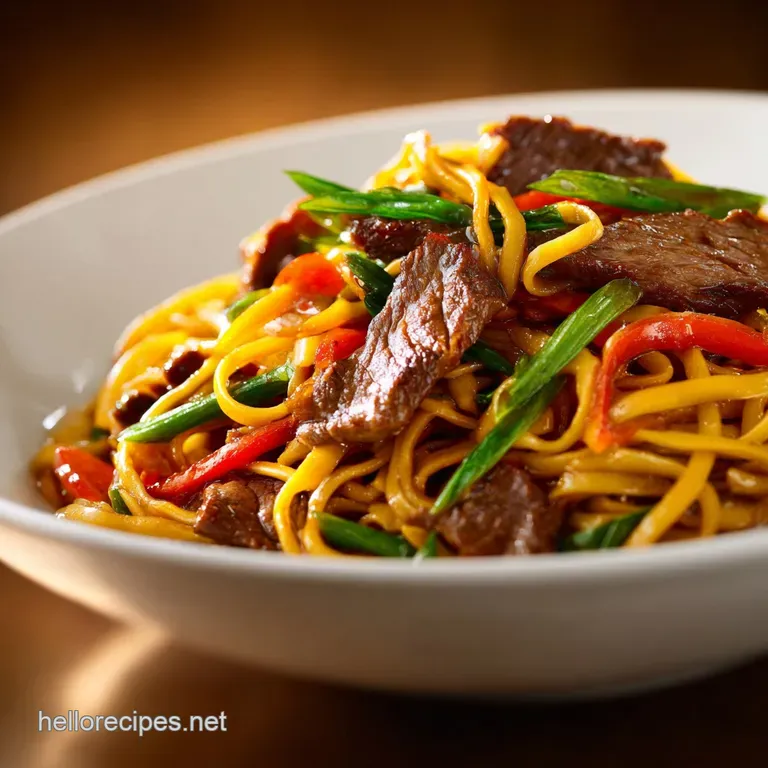
That smell. It’s the first thing that hits you when you nail a proper Beef Lo Mein Recipe . That heady mix of searing beef, ginger, garlic, and savory, glossy sauce clinging tight to the chewy noodles is absolute perfection.
It’s pure Wok Hei magic, and trust me, your kitchen is about to smell better than any takeaway place.
This isn’t a weekend project; this is your new 20 minute weeknight hero, assuming you do your prep, of course. We're talking maximum flavor payoff for minimal effort, which is exactly what a cooking obsessed friend needs when life gets manic.
Forget ordering in; this Savory Beef Lo Mein is faster, cheaper, and tastes infinitely better than anything delivered in a plastic container.
I used to struggle with tough beef and soggy noodles it was tragic! But after years of cracking the code, I finally found the secrets to true restaurant style results, especially how to get that thick, glossy, savory sauce that coats every single strand of the Beef Lo Mein Noodles .
Let's dive into the ultimate, easy Beef Lo Mein Recipe and get you tossing like a pro.
Flavor Science: Mastering the Glossy Sauce and Tender Beef
Defining Lo Mein: What Makes the Noodles Different?
Lo Mein literally translates to "tossed noodles." This is crucial because it means the noodles are cooked separately until done, and then you toss them with the sauce and other ingredients at the very end. This differs significantly from dishes like chow mein, where the noodles are often pan-fried or crispy.
We want soft, chewy Beef Lo Mein Noodles that absorb that beautiful sauce.
Speed and Flavor: Why This 20 Minute Recipe Triumphs
Stir frying is a race against time, but that speed is where the flavor comes from. High heat caramelizes the beef and vegetables almost instantly, which concentrates their flavor instead of letting them steam and turn mushy.
This Beef Lo Mein Recipe Easy relies on massive heat bursts and quick movements to achieve maximum depth.
The Crucial Role of Preparation (Mise en Place)
If you're not prepped, you fail. Simple as that! Once your wok is hot, you have maybe 30 seconds between adding one ingredient and the next, so there’s absolutely no time to be slicing carrots.
Chop everything, mix your sauce, and set it all out next to the stove this is what chefs call mise en place .
Velvetizing the Beef: The Technique for Maximum Tenderness
This is the non-negotiable step for truly tender beef. By coating the thinly sliced beef with a mixture of cornstarch, rice wine, and soy sauce, you achieve "velveting." The cornstarch creates a protective barrier, locking in the juices and keeping every slice juicy and incredibly tender even under the intense heat of the wok.
Never skip the cornstarch marinade.
Building the Signature Savory Sweet Lo Mein Sauce
The secret to a great Beef Lo Mein Sauce Recipe is the balance between salty, sweet, and umami. We use both light and dark soy sauce: the light soy handles most of the salt, while the dark soy provides that deep, rich mahogany color that makes the dish look authentic.
Oyster sauce adds the ultimate layer of savory complexity.
High Heat and Quick Tossing: Preventing Soggy Noodles
If your heat isn't high enough, the sauce, instead of clinging beautifully to the noodles, will turn watery. Once you add the sauce and noodles, the goal is to toss vigorously for just 60 to 90 seconds.
This allows the cornstarch in the sauce to thicken immediately, coating everything in a magnificent, glossy sheen before the vegetables release any excess moisture.
Essential Components for Authentic Beef Lo Mein
Selecting the Right Cut of Beef for Stir Frying
I always recommend flank steak or skirt steak for this specific application. They are flavorful cuts that slice beautifully and thin well, which is absolutely vital for quick stir frying. Remember: always slice the beef thinly against the grain to ensure maximum tenderness.
Slicing with the grain means chewing forever, and nobody wants that.
Noodles: Fresh vs. Dried Lo Mein Options
While dried egg noodles are perfectly fine (and widely available), fresh Lo Mein noodles are the king here. They have a wonderfully chewy texture and coat the sauce better than dried ones.
If you can’t find them, use dried egg noodles or even dry linguine; just cook the latter slightly past al dente to capture that softer, chewier texture.
Pantry Staples for the Ultimate Lo Mein Sauce Base
You’ll need oyster sauce (or a vegetarian mushroom alternative), light and dark soy sauces, and a splash of Shaoxing rice wine. If you're missing the rice wine, a dry sherry works perfectly fine.
These core ingredients create the deep, complex base that defines restaurant quality Chinese Stir fried Beef And Vegetables .
Ingredient Swaps and Dietary Adjustments
Sometimes you just don't have that one specific ingredient, right? Don't stress, we can make it work.
| If you don't have... | You can use... | Notes |
|---|---|---|
| Flank or Skirt Steak | Sirloin, or thinly sliced pork loin | Slice pork loin extra thin and ensure it is fully cooked (145°F/63°C). |
| Oyster Sauce | Hoisin sauce mixed with a dash of extra light soy sauce | Hoisin is sweeter, so omit the granulated sugar in the sauce recipe. |
| Shaoxing Rice Wine | Dry sherry or even a very dry white wine | This adds necessary acidity and depth; a little goes a long way. |
| Lo Mein Noodles | Dried ramen noodles (minus the flavour packet!) | Boil until just tender, then rinse well. |
step-by-step Guide to Cooking Perfect Beef Lo Mein
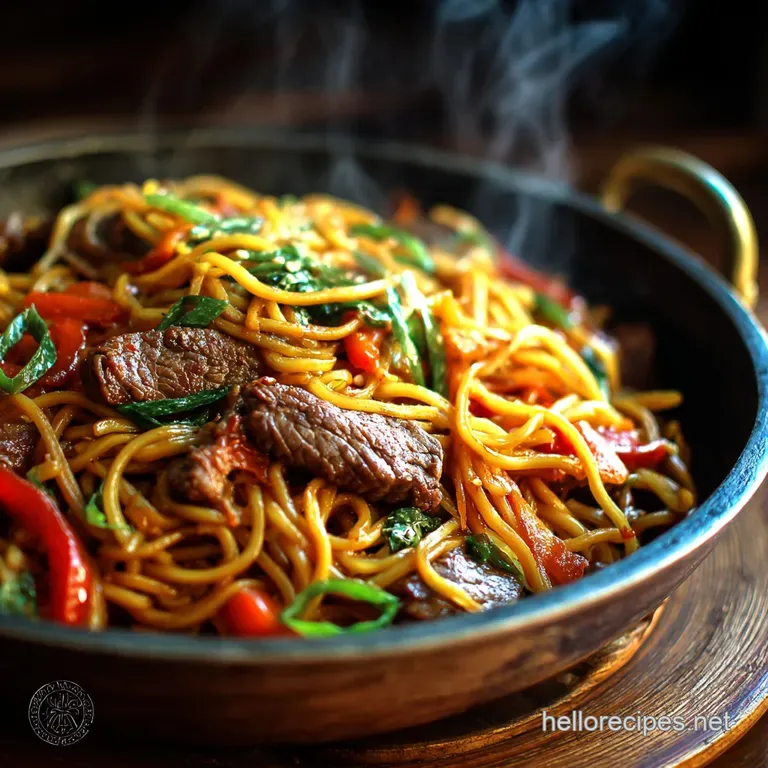
- Prep the Beef and Marinade: Slice your beef against the grain seriously, don't forget this. Toss it immediately with the cornstarch, soy sauce, rice wine, and a drizzle of oil. Let it sit at room temperature for at least 20 minutes while you chop all your other ingredients.
- Boil the Noodles and Mix the Sauce: Get your noodles boiling until just al dente , then drain and toss lightly with oil so they don't clump up into a giant mass. In a small bowl, whisk together all the Beef Lo Mein Sauce components until the cornstarch is dissolved and the mixture is smooth.
- Sear the Beef: Heat 1 tablespoon of oil in your wok over the highest heat you can manage until it's just smoking. Add the beef in a single layer you absolutely must cook the beef in batches if your wok is small, otherwise, it will steam. Stir fry for 60 to 90 seconds until it’s browned beautifully on the edges. Remove the beef and set it aside.
- Aromatics and Vegetables: Add the remaining oil to the still hot wok. Toss in the garlic, ginger, and the white parts of the spring onions. Cook quickly for about 30 seconds until super fragrant. Add the carrots and bell pepper next, stir frying for 2 minutes to get some tenderness. Then, add the cabbage for one last minute of stir frying.
- The Grand Finale: Return the beef to the wok. Add the cooked noodles over the beef and vegetables. Stir the prepared sauce again and pour it directly over the noodles. Using tongs, toss everything rapidly for 1– 2 minutes until the sauce has thickened beautifully, creating a glossy coating on the noodles. That’s it!
Chef's Note: Don't be tempted to add the sauce or the noodles until the wok is roaring hot. The secret to glossy, cohesive sauce and crunchy vegetables is the immediate evaporation of moisture caused by high heat.
Troubleshooting Your Wok: Chef’s Tips for Success
Why Your Beef Might Be Tough (And How to Fix It)
There are two major reasons for rubbery beef. First, you sliced it with the grain I warned you! Always slice perpendicular to those muscle fibers. Second, you crowded the wok.
If you throw too much beef into the pan, the temperature drops instantly, the beef boils in its own juices instead of searing, and you end up with grey, tough pieces. Cook the beef in small batches for guaranteed searing.
Managing the Heat: The Secret to Wok Smoke
Yes, your pan should smoke a bit! We are aiming for Wok Hei —the elusive, subtle smoky flavor achieved by searing ingredients over extreme heat. If you're nervous about smoke, turn on your vent fan, open a window, and choose a high smoke point oil like canola, rapeseed, or peanut oil.
Storing Leftovers: Keeping Your Beef Lo Mein Fresh
Reheating Lo Mein Without Sacrificing Texture
This Beef Lo Mein keeps surprisingly well, which is great because sometimes I make a double batch just for lunch the next day. Store it in an airtight container in the fridge for up to 3 days.
To reheat, the microwave works fine in a pinch, but the best method is tossing it quickly in a hot skillet with a tiny splash of water or broth. This helps loosen the noodles and restores that glossy texture without turning it into dried out glue.
Can I Freeze Beef Lo Mein? (Proceed with Caution)
You can freeze it, but I don't recommend it enthusiastically. The noodles and vegetables get a bit watery and sad when thawed, and the texture never fully recovers. If you must freeze, ensure the dish is completely cooled, seal it tightly, and plan to eat it within 2 months.
Be aware that the beef may lose some of its velveted tenderness upon reheating.
Classic Pairings: What to Serve Alongside Beef Lo Mein
Sometimes, a massive bowl of glossy noodles is all you need, but if you're hosting a feast, a lighter side dish is always appreciated. The richness of the savory beef goes brilliantly with anything sharp or fresh.
Simple Steamed Rice or Quick Fried Rice Sides
While the Lo Mein has its own glorious noodles, some people insist on having rice as a companion. You could make a quick egg-fried rice, or just serve a small portion of simple steamed white rice to soak up any residual sauce.
Light Appetizer Suggestions
If you want a contrast to this rich dish, I often serve a super simple Asian Cucumber Salad. The cool, tangy vinegar dressing is a perfect palate cleanser. If you’re feeling extra industrious and already have beef on the brain, check out my recipe for Mini Beef Wellington Bites Classic Puff Pastry Party Food as a sophisticated starter!
Garnishing for Maximum Visual Impact
Don't neglect the final touches! A generous shower of the bright green spring onion tops adds color and freshness. A sprinkle of toasted sesame seeds also elevates the dish, giving a nice textural contrast to the Chinese Stir fried Beef And Vegetables .
A tiny drizzle of chili oil is mandatory if you like heat, too!
Recipe FAQs
What is the secret to achieving really tender beef strips?
The secret lies in the marination step, specifically using baking soda, a technique often called "velveting." A pinch of baking soda tenderizes the meat fibers dramatically; just ensure you don't use too much, or the beef can taste soapy.
Additionally, cook the beef in small batches over extremely high heat to ensure a quick sear and prevent the meat from steaming.
Why are my Lo Mein noodles clumping together or soaking up all the sauce?
This issue usually occurs if the noodles weren't properly rinsed after boiling or if they are overcooked. Make sure to rinse the cooked noodles immediately under cold water to stop the cooking process and remove excess starch before adding them to the wok.
You must also ensure your wok heat is high enough to evaporate excess moisture quickly rather than letting the noodles absorb the liquid slowly.
I don't own a traditional wok. Can I still achieve a good stir fry texture?
Yes, use the largest, heaviest skillet or straight sided sauté pan you own, preferably cast iron or stainless steel, as they retain heat well. The key is still maintaining high heat and cooking ingredients in very small batches.
This technique ensures the pan stays hot and you achieve a proper stir fry rather than boiling the contents.
How can I adjust the recipe if I prefer a much spicier Lo Mein?
You can introduce heat early by sautéing a teaspoon of chili garlic sauce or red pepper flakes along with the ginger and garlic base. Alternatively, for a fresher, brighter heat that preserves the main sauce flavor, stir in a dash of chili oil or some finely chopped bird’s eye chilies just before serving.
Taste as you go to avoid overwhelming the umami base.
I don't have Chinese egg noodles. What is the best substitution?
The best and closest substitution is often fresh yakisoba noodles, which offer a comparable chew and texture suitable for tossing. If only dry options are available, thick spaghetti or linguine cooked truly al dente can work in a pinch.
Be sure to avoid thin ramen or instant noodles, as they tend to fall apart quickly in the wok.
Can this recipe be adapted for vegetarians or vegans?
Absolutely. Substitute the beef with firm tofu (pressed and cubed) or hearty sliced mushrooms like shiitake or oyster varieties. Crucially, replace the traditional oyster sauce in the main sauce mixture with an equal amount of vegetarian oyster sauce or a high-quality dark mushroom soy sauce to maintain that desired deep umami flavour.
How should I store leftover Beef Lo Mein, and is freezing recommended?
Store any leftovers in an airtight container in the refrigerator for up to 3 days; the dish is usually safe, but the noodles begin to soften after day two. While technically possible, freezing Lo Mein is not recommended because the texture of the cooked noodles and vegetables degrades significantly upon thawing, resulting in mushiness.
Reheating is best done quickly in a hot skillet to restore some structure.
Ultimate 20 Minute Beef Lo Mein
Ingredients:
Instructions:
Nutrition Facts:
| Calories | 480 kcal |
|---|---|
| Protein | 36.0 g |
| Fat | 12.0 g |
| Carbs | 59.0 g |
