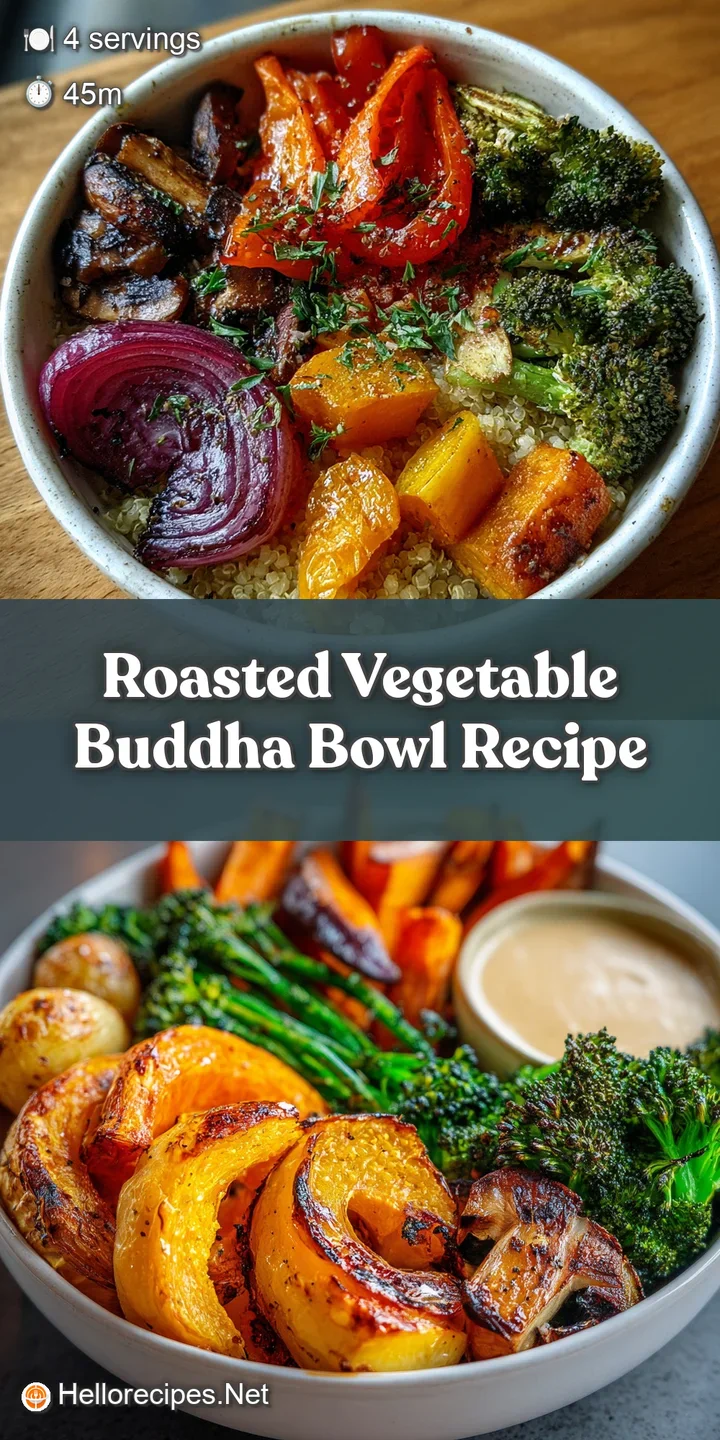
Roasted Vegetable Buddha Bowl
- Time: Active 15 minutes, Passive 30 minutes, Total 45 minutes
- Flavor/Texture Hook: Shatter crisp chickpeas paired with velvety avocado and caramelized cauliflower.
- Perfect for: High protein meal prep or a vibrant weekend reset dinner.
- Create the Best Roasted Vegetable Buddha Bowl Recipe
- The Science of Why This Recipe Works
- Specific Timing and Nutrition Specs
- Selecting Elements for Maximum Contrast
- Essential Tools for a Perfect Sheet Pan Roast
- Step by Step Guide to a Balanced Buddha Bowl
- Troubleshooting Common Issues for the Perfect Veggie Texture
- Creative Variations to Keep Your Bowl Feeling Fresh
- Debunking Grain Bowl Misconceptions
- Smart Storage Solutions and Zero Waste Kitchen Habits
- Vibrant Sides That Pair Perfectly With Grain Bowls
- High in Sodium
- Recipe FAQs
- 📝 Recipe Card
Create the Best Roasted Vegetable Buddha Bowl Recipe
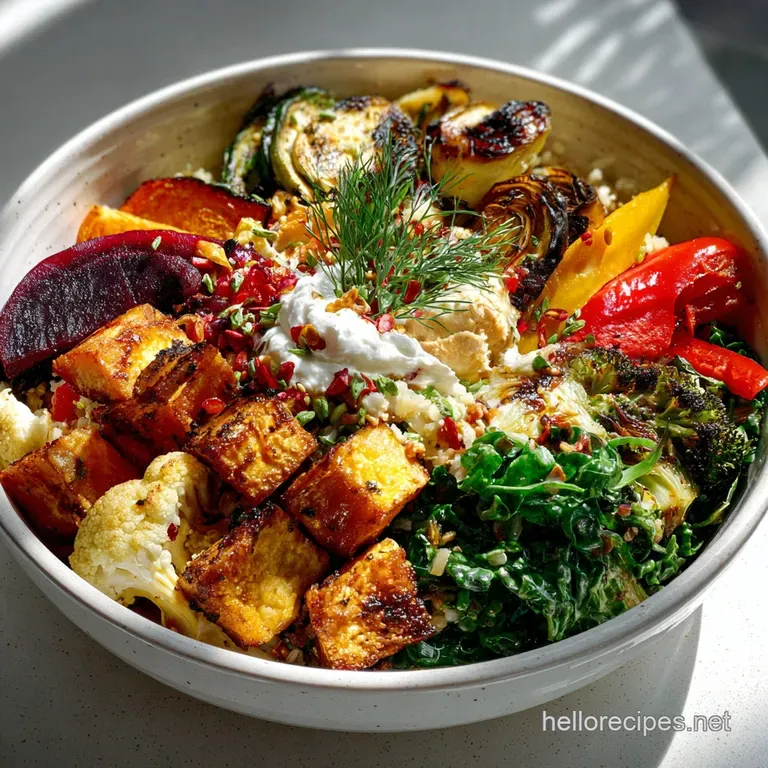
Picture this: you open your oven and a cloud of smoked paprika and toasted garlic hits you instantly. On the tray, the cauliflower has these deep, golden brown charred edges that look almost like lace, and the chickpeas are literally rattling against the metal because they've become so crisp.
This is exactly why I became obsessed with the roasted vegetable buddha bowl recipe. It isn't just a "salad" or a pile of health food; it's a calculated study in contrasts. You have the warmth of the roasted roots meeting the cool, crisp bite of shredded purple cabbage, all tied together by a dressing so creamy you'll want to drink it.
I used to make the mistake of just steaming my veggies and wondering why my bowls tasted like a sad side dish. The secret is in the heat and the layering. We want that "shatter" factor from the chickpeas and a "velvety" finish from the avocado.
Once you master the timing of the roast, you’ll realize this is less of a recipe and more of a blueprint for eating well without feeling like you're missing out on real flavor.
The beauty of this roasted vegetable buddha bowl recipe lies in its multicultural fusion. We’re pulling earthy tahini from Middle Eastern traditions, smoky heat from Spanish paprika, and the nutty bite of ancient grains.
It's a vibrant, plant based bowl that actually keeps you full because we're prioritizing healthy fats and high fiber complex carbs. Let's get into the mechanics of why this specific combination works so well.
The Science of Why This Recipe Works
When we talk about flavor in a roasted vegetable buddha bowl recipe, we’re really talking about chemistry. Understanding these few points will help you troubleshoot any bowl you make in the future.
- Maillard Reaction: High heat (400°F) breaks down sugars and proteins in the sweet potatoes and cauliflower, creating hundreds of new flavor compounds that taste nutty and savory.
- Starch Gelatinization: Simmering quinoa in vegetable broth allows the grains to swell and burst, creating a fluffy texture that absorbs the lemon tahini dressing much better than plain water cooked grains.
- Emulsification Stability: Grating fresh garlic into the lemon juice and tahini creates a chemical bond that keeps the fat and water from separating, resulting in a silky, pourable sauce.
- Hygroscopic Action: Drying the chickpeas thoroughly before roasting is vital because any surface moisture will turn to steam, preventing the skin from becoming truly crispy.
Chef's Tip: If you have 10 minutes, soak your cauliflower florets in cold salted water before drying and roasting. It seasons them all the way to the core and helps them brown more evenly.
| Method | Time | Texture | Best For |
|---|---|---|---|
| over High heat Roast | 30 minutes | Crispy edges, tender centers | Maximum flavor and caramelization |
| Air Fryer | 18 minutes | Ultra crunchy, less oil | Quick weeknight meals and small batches |
| Pan Searing | 22 minutes | Soft and deeply browned | Small kitchens with limited oven space |
This comparison shows that while the air fryer is faster, the classic oven roast provides that deep, complex sweetness that only a large sheet pan and consistent heat can offer. If you're looking for other deep, developed flavors, the roasting technique here is quite similar to the vegetable prep in my Classic Ratatouille recipe.
Specific Timing and Nutrition Specs
The key to a successful roasted vegetable buddha bowl recipe is the synchronization of the oven and the stovetop. We want the grains to be finish exactly when the veggies are at their peak "sizzle."
| Component | Science Role | Pro Secret |
|---|---|---|
| Sweet Potatoes | Complex Carbs | Cut into 1/2 inch cubes to ensure they finish at the same time as the cauliflower. |
| Chickpeas | Protein & Crunch | Pat them with a paper towel until the skins are matte for a "shatter" texture. |
| Tahini | Healthy Fat | Use "runny" tahini (look for Lebanese or Israeli brands) for a smoother emulsion. |
| Smoked Paprika | Aromatic Depth | Toast it slightly in the oil before tossing with veggies to release oil soluble flavors. |
Precision is everything here. If your sweet potatoes are too large, they’ll be raw when the cauliflower is burnt. I’ve found that exactly 30 minutes at 400°F is the "sweet spot" for most standard ovens. For a different but equally punchy flavor profile, you might enjoy the bold tang found in my Caesar Salad Dressing recipe as a base for future bowl variations.
Selecting Elements for Maximum Contrast
The soul of this roasted vegetable buddha bowl recipe is the "Flavor Map." We are looking for four distinct pillars: Sweet, Savory, Bright, and Rich. By hitting all four, your brain registers the meal as completely satisfying.
- Sweet: Roasted sweet potatoes (500g) and a touch of maple syrup in the dressing.
- Savory: Smoked paprika chickpeas and garlic infused quinoa.
- Bright: Fresh lemon juice (3 tbsp) and shredded purple cabbage.
- Rich: Creamy tahini (80g) and half a sliced avocado per bowl.
The Component List
- The Base: 1 cup dry quinoa and 2 cups vegetable broth. Why this? Broth adds much more depth than water for the grain base.
- The Roast: 2 sweet potatoes, 1 head cauliflower, 1 can chickpeas, 3 tbsp olive oil. Why this? These veggies provide a mix of creamy and fibrous textures.
- The Seasoning: 1 tsp smoked paprika, 1 tsp garlic powder, 0.5 tsp sea salt, 0.25 tsp black pepper.
- The Dressing: 0.33 cup tahini, 1 lemon (juiced), 1 tbsp maple syrup, 1 clove garlic, 2 tbsp warm water.
- The Freshness: 2 cups shredded purple cabbage, 1 large avocado, 0.25 cup toasted pumpkin seeds.
| Original Ingredient | Substitute | Why It Works |
|---|---|---|
| Quinoa (1 cup) | Farro (1 cup) | Chewier texture and nuttier flavor. Note: Farro contains gluten. |
| Sweet Potato | Butternut Squash | Similar starch content and sweetness profile. |
| Tahini (0.33 cup) | Almond Butter | Provides the same creamy fat. Note: Adds a distinct nutty sweetness. |
Choosing the right grain is a decision shortcut that changes the whole vibe of the bowl. If you're out of quinoa, don't sweat it. You could easily swap in a base of Spanish Rice for a more Mediterranean Latin fusion experience.
Essential Tools for a Perfect Sheet Pan Roast
To get that "shatter crisp" chickpea and the "caramelized" cauliflower, you need the right gear. Don't use a glass baking dish; it won't conduct heat fast enough and your veggies will just steam in their own juices.
- Heavy Duty Rimmed Baking Sheet: A half sheet pan (like Nordic Ware) provides the best heat distribution.
- Fine Mesh Sieve: Crucial for rinsing the quinoa to remove the bitter saponin coating.
- Microplane Grater: Use this for the garlic clove in the dressing to ensure it melts into the tahini.
- Parchment Paper: Optional, but it helps with cleanup and prevents the sweet potatoes from sticking.
Trust me on the garlic grater. If you just chop the garlic, you'll get sharp, spicy bits in your dressing. Grating it creates a paste that emulsifies beautifully. Also, make sure your baking sheet isn't warped; an uneven surface leads to "hot spots" where your cauliflower will burn before the chickpeas even get warm.
step-by-step Guide to a Balanced Buddha Bowl
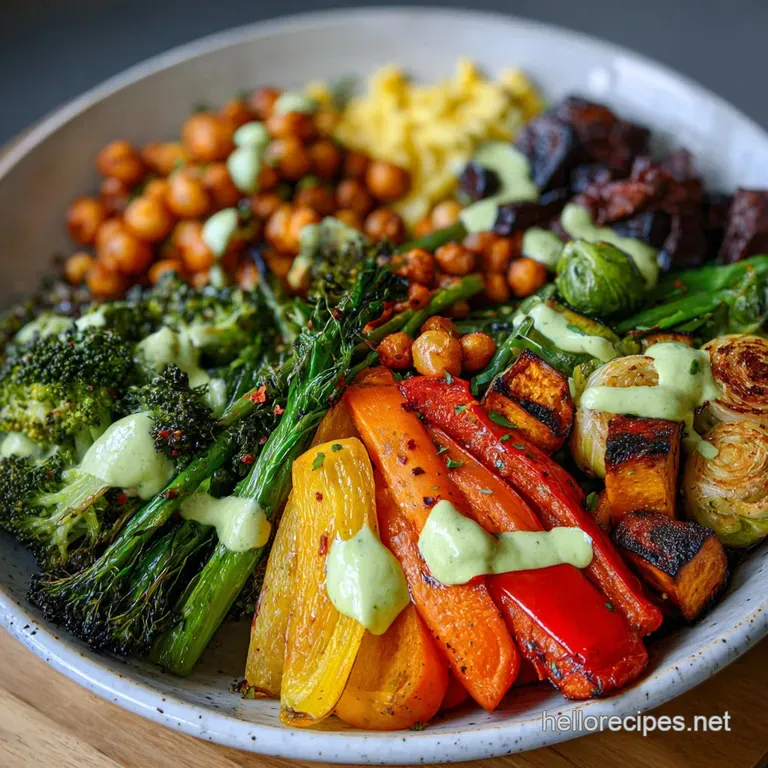
Follow these steps for a seamless workflow. We start with the oven because it's our longest lead time, then we move to the grains and dressing while the roasting happens.
- Preheat and Prep. Set your oven to 400°F (200°C). Note: A hot oven is non negotiable for browning.
- Dry the Chickpeas. Drain the 15 oz can of chickpeas and roll them between paper towels until completely dry. Look for matte, non shiny skins.
- Season the Veggies. Toss the cubed sweet potatoes, cauliflower florets, and chickpeas on the sheet pan with 3 tbsp olive oil, 1 tsp smoked paprika, 1 tsp garlic powder, salt, and pepper.
- Roast. Spread everything in a single layer. Bake for 30 minutes until sweet potatoes are tender and cauliflower edges are dark golden.
- Simmer Grains. Rinse 1 cup quinoa, then combine with 2 cups vegetable broth in a pot. Bring to a boil, then simmer covered for 15 minutes.
- Fluff and Rest. Remove quinoa from heat and let it sit covered for 5 minutes until all liquid is absorbed and grains are translucent.
- Whisk the Drizzle. In a small bowl, combine 0.33 cup tahini, 3 tbsp lemon juice, 1 tbsp maple syrup, and the grated garlic. Whisk until it seizes, then add 2 tbsp warm water to smooth it out.
- Prep Fresh Toppings. While the roast finishes, shred 2 cups of purple cabbage and slice the avocado.
- Assemble. Scoop a base of quinoa into 4 bowls. Top with the roasted veggie mix, cabbage, and avocado.
- Final Touch. Drizzle heavily with the tahini sauce and sprinkle with 0.25 cup toasted pumpkin seeds until the bowl looks vibrant and glossy.
Troubleshooting Common Issues for the Perfect Veggie Texture
Even the best of us have ended up with a tray of mushy sweet potatoes. It usually comes down to crowding the pan or too much moisture.
My Roasted Vegetables Are Mushy
If your veggies lack that "crispy" edge, they likely steamed instead of roasting. This happens when the florets and cubes are piled on top of each other. The moisture released from the vegetables needs space to evaporate. If the pan is too crowded, that steam stays trapped around the food.
| Problem | Root Cause | Solution |
|---|---|---|
| Bitter Dressing | Garlic was old or tahini was over processed | Add an extra teaspoon of maple syrup or a pinch of salt to balance. |
| Soggy Chickpeas | Surface moisture remained before roasting | Pat dry more aggressively or roast them on a separate tray for 5 extra minutes. |
| Clumpy Tahini | Cold water was added to the fat | Always use warm water to help the tahini and lemon juice emulsify smoothly. |
Common Mistakes Checklist
- ✓ Pat chickpeas completely dry with a tea towel (removes the "steam" factor).
- ✓ Ensure the oven is fully preheated to 400°F before the tray goes in.
- ✓ Don't overcrowd the pan - use two sheets if you need to.
- ✓ Add the dressing to the quinoa while the grains are still slightly warm for better absorption.
- ✓ Toast the pumpkin seeds separately for 3 minutes to unlock their oils.
Creative Variations to Keep Your Bowl Feeling Fresh
Once you’ve nailed this roasted vegetable buddha bowl recipe, you can start playing with the ratios. I love changing the "vibe" depending on what’s in my pantry.
- For the Mediterranean lover: Swap the sweet potatoes for eggplant and zucchini. Use feta cheese and olives as the "toppers" and add a dollop of hummus.
- For the protein seeker: Add a soft boiled egg or some pan seared tofu. If you're looking for something really hearty, the smoked element in this Smoked Corned Beef recipe might inspire a shredded meat version of this bowl.
- For the low carb enthusiast: Swap the quinoa for cauliflower rice or a bed of massaged kale. You'll want to double the avocado to keep the satiety levels high.
Scaling Guidelines
- Downsizing (1-2 servings): Use a smaller quarter sheet pan. Reduce the roasting time by about 5 minutes as the smaller pan heats up faster. Use half a lemon and keep the remaining tahini in the jar.
- Feeding a Crowd (8 servings): Double everything but the salt and spices (use 1.5x instead). You must use two separate baking sheets and rotate them halfway through the 30 minutes to ensure even browning.
- Baking Adjustments: If you're doing a massive batch in one oven, lower the temp to 375°F and extend the time by 10 minutes to prevent the edges from burning while the middle of the pans catch up.
| Preference | Adjustment | Outcome |
|---|---|---|
| Extra Crunchy | Add 1 tbsp cornstarch to chickpeas | Creates a "shatter" crust that stays crisp longer. |
| High Protein | Add 1/2 cup hemp seeds | Boosts protein without changing the flavor profile much. |
| Budget Friendly | Swap quinoa for brown rice | Saves money; just increase cook time for grains to 45 mins. |
Debunking Grain Bowl Misconceptions
There are a few myths about "healthy" bowls that actually prevent them from tasting good. Let's clear those up so your roasted vegetable buddha bowl recipe turns out flawlessly.
"Rinsing quinoa is optional." This is a big one. Quinoa has a natural coating called saponin that is meant to ward off birds. If you don't rinse it under cold water until the bubbles stop, your bowl will have a distinct "soapy" or bitter aftertaste that even the best tahini sauce can't hide.
"You should dress the bowl right before eating." Actually, for the best flavor, I recommend tossing the warm quinoa with a tablespoon of the dressing first. This allows the grains to absorb the lemon and garlic deep into their centers, while the remaining sauce can be drizzled over the cold toppings later.
Smart Storage Solutions and Zero Waste Kitchen Habits
This is the ultimate meal prep dish. The roasted veggies hold their texture surprisingly well, and the quinoa actually gets better after a day in the fridge.
- Fridge: Store the roasted veggies and quinoa in airtight containers for up to 4 days. Keep the dressing in a separate small jar; it will thicken in the fridge, so just whisk in a teaspoon of warm water before using.
- Freezer: You can freeze the cooked quinoa for up to 3 months. I don't recommend freezing the roasted veggies as they become quite mushy upon thawing.
- Zero Waste: Don't throw away the cauliflower leaves or stems! Dice the stems and roast them right along with the florets. The leaves can be tossed in oil and salt and roasted during the last 5 minutes for a "chip" like texture.
Vibrant Sides That Pair Perfectly With Grain Bowls
While this roasted vegetable buddha bowl recipe is a complete meal on its own, sometimes you want a little something extra on the side if you’re hosting friends.
Think about textures that aren't already in the bowl. A simple side of pickled red onions or a cooling cucumber yogurt dip can provide a sharp contrast to the earthy roasted flavors. If you want to keep with the "vibrant and multicultural" theme, a side of warm pita bread or even some Smoked Corned Beef recipe slices can turn this into a very serious dinner party spread.
The most important thing is the "sizzle." When you pull that tray out of the oven, the veggies should be singing. If they aren't, give them 5 more minutes. That extra bit of char is the difference between a "good" bowl and the "best" roasted vegetable buddha bowl recipe you've ever had.
Trust your nose and your eyes more than the timer!
High in Sodium
845 mg mg of sodium per serving (37% % of daily value)
The American Heart Association recommends limiting sodium intake to about 2,300mg per day for overall cardiovascular health.
Simple Swaps to Lower Sodium
-
Low-Sodium Broth-30%
Swap regular vegetable broth with low-sodium or no-salt added vegetable broth. This simple change can significantly cut down on the overall sodium content.
-
Reduce Added Salt-25%
Eliminate the 0.5 tsp of added sea salt. Rely on other spices like smoked paprika, garlic powder and black pepper for flavor.
-
Rinse Chickpeas Well-10%
Even though the recipe already calls for rinsing the canned chickpeas, be sure to rinse them thoroughly for at least 1-2 minutes under running water to remove excess sodium.
-
Enhance with Lemon-5%
Since the recipe already uses lemon juice, consider adding a bit more! The acidity brightens flavors and can help reduce the need for salt.
-
Spice It Up!
Experiment with sodium free herbs and spices like onion powder, dried oregano, or chili flakes to boost flavor without adding sodium. Consider adding a pinch of cayenne pepper for heat.
Recipe FAQs
What are the 5 components of a Buddha bowl?
A base, roasted vegetables, a protein, fresh toppings, and a sauce. The base is typically a grain like quinoa or rice. Roasted vegetables add depth, protein provides substance, fresh toppings offer crunch and color, and the sauce ties everything together with flavor.
What is the secret to extra crispy roasted vegetables?
High heat and not overcrowding the pan. Roasting vegetables at a high temperature (around 400°F or 200°C) promotes caramelization and crisp edges. Ensure there's space between each piece so moisture can evaporate, rather than steam the vegetables.
What vegetables are good in a Buddha bowl?
Root vegetables, cruciferous vegetables, and leafy greens are excellent choices. Think sweet potatoes, cauliflower, broccoli, Brussels sprouts, carrots, kale, and spinach. The key is variety in texture and flavor to create a balanced bowl.
What is the best seasoning for roasted vegetables?
Smoked paprika, garlic powder, salt, and pepper offer a fantastic foundation. For a more complex flavor, consider herbs like rosemary or thyme, or spices like cumin and chili powder, depending on the desired flavor profile of your bowl.
How do I prevent my roasted vegetables from steaming instead of crisping?
Ensure ample space on the baking sheet and pat vegetables dry. Excess moisture is the enemy of crispiness; it turns into steam. Use a large enough pan or multiple pans to avoid crowding, and thoroughly pat dry any washed vegetables.
Can I substitute quinoa for another grain in my Buddha bowl?
Yes, other grains like farro, brown rice, or even couscous work well. If you're looking for a different flavor profile, try a base of Spanish Rice for a vibrant, complementary experience to your roasted vegetables.
How can I make my tahini dressing extra smooth and creamy?
Use runny tahini and warm water for emulsification. Whisk the tahini and lemon juice first, and then gradually add warm water while whisking until the desired creamy consistency is reached. If you enjoyed mastering this emulsion, see how the same principle applies to creating a stable dressing in our Homemade Buttermilk Ranch Dressing.
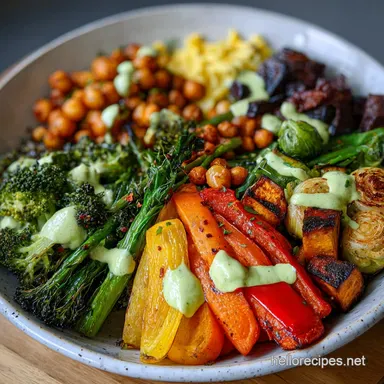
Roasted Veggie Buddha Bowl
Ingredients:
Instructions:
Nutrition Facts:
| Calories | 774 kcal |
|---|---|
| Protein | 23.6 g |
| Fat | 37.1 g |
| Carbs | 92.9 g |
| Fiber | 19.5 g |
| Sugar | 12.4 g |
| Sodium | 845 mg |
