A Proper Spring Fling Roasted Veggie Vegan Primavera Pasta
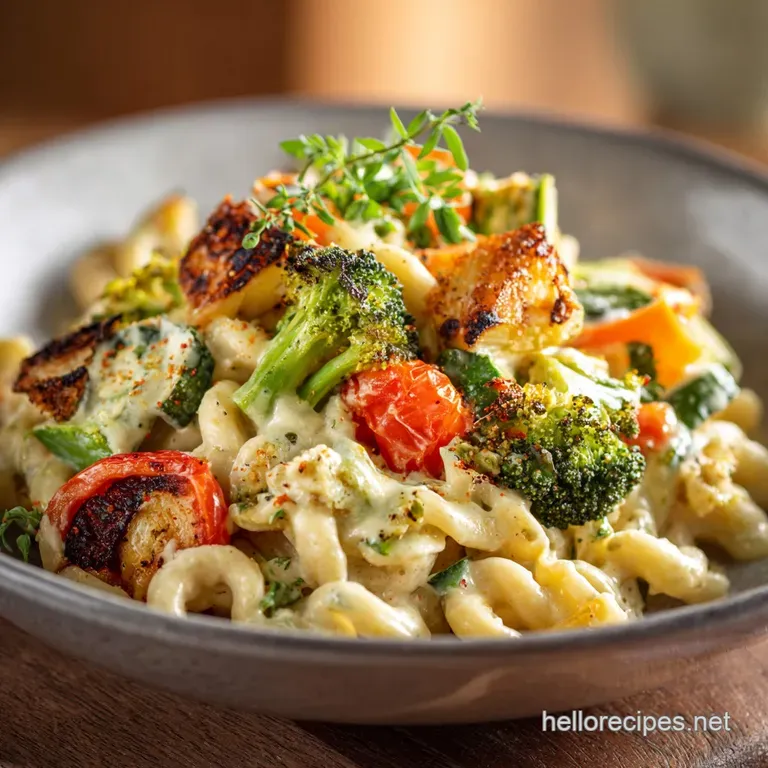
Moving Beyond Basic Spring Dishes: The Magic of Roasted Vegetables
While the concept of pasta primavera conjures up images of freshness, often the execution falls flat, resulting in a slightly watery sauce and under seasoned, barely cooked vegetables. We are taking this easy pasta primavera with roasted vegetables concept and fundamentally changing the game.
This recipe for Vegan Pasta Primavera with Roasted Veggies is designed to maximize flavor and create an incredibly satisfying, creamy, and vibrant main course that is simultaneously robust and bright perfect for transitioning seasons.
We achieve this by introducing a crucial step often skipped in traditional primavera recipes: dedicated high heat roasting.
Defining Primavera: What Makes This Dish a Springtime Classic?
The term "primavera" literally translates to "spring," defining a style of cooking that celebrates the first bounty of the season. Traditionally, the dish involves incorporating a variety of fresh, lightly cooked vegetables such as tender asparagus, young peas, and squash into a pasta dish, usually bound together by butter, cream, and often parmesan.
Our objective with this Vegan Pasta Primavera Recipe is to honor that light, fresh ethos while building far deeper flavor complexity and using 100% plant based components. This allows us to create a Veggie Loaded Meal that feels both wholesome and decadent.
Why Roasting Elevates the Flavor Profile of Your Spring Veggies
The secret to moving this dish from good to unforgettable lies in the oven. Unlike blanching or quick sautéing, which retains a crisp but singular texture, roasting utilizes the Maillard reaction.
This process caramelizes the natural sugars in ingredients like red onion, bell peppers, and zucchini, concentrating their sweetness and developing smoky, savory depth. By creating a substantial roasted vegetable pasta primavera base, we ensure that every bite offers intense flavor, avoiding the blandness sometimes associated with high vegetable pasta dishes.
This added depth contrasts beautifully with the zesty, bright sauce we create, transforming the final plate into a multi layered culinary experience.
Decoding the Cream: Achieving Richness Without the Dairy
The decadent mouthfeel of a classic primavera is typically owed to heavy cream and cheese. For our Vegan Pasta Primavera with Roasted Veggies , we employ raw cashews to create an impossibly rich and velvety cream sauce.
When properly soaked and blended at high speed, cashews break down into a neutral, fatty liquid that mimics double cream perfectly. We enhance this base with essential flavor builders: nutritional yeast, which delivers that sought after cheesy, umami punch, and fresh lemon juice and zest, which provide the crucial acidity needed to cut through the richness.
The result is a vibrant, clingy, and dairy-free dressing that binds the pasta and the caramelized vegetables harmoniously.
Essential Components for Vegan Pasta Primavera with Roasted Veggies
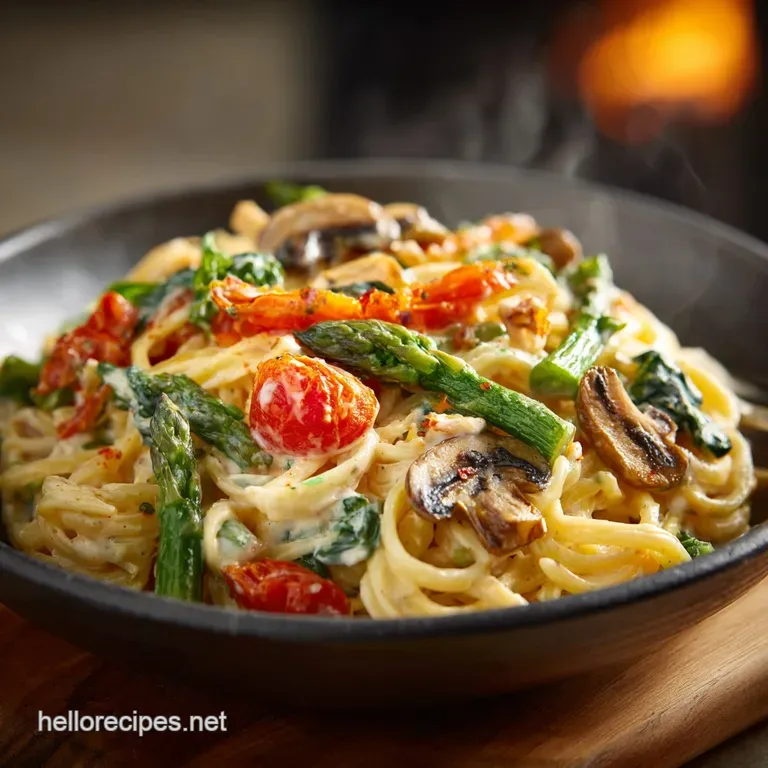
Success in this recipe hinges on selecting high-quality components and having the right tools prepared. This section lays out the specific ingredients and equipment that will ensure your Roasted Vegetable Pasta Dish is prepared efficiently and delivers maximum flavor impact.
Selecting the Perfect Seasonal Produce for Maximum Sweetness
Since this is a High Veggie Meal , the quality of your produce matters. Focus on firm, seasonal items that hold up well to roasting. For maximum sweetness and vibrant color, I recommend using approximately 450g (1 lb) of a mix including crisp asparagus spears, bright bell pepper, firm courgette (zucchini), and hearty broccolini.
We also rely on a large red onion, cut into wedges, which caramelizes beautifully and adds a sweet, pungent note. Finally, don't forget the half cup of frozen garden peas, added at the end, which provide a burst of fresh, green sweetness and satisfying texture.
Pantry Staples and Specialty Items for the Cashew Cream Sauce
The creamy base requires careful sourcing. You must use 1 cup (150g) of raw cashews, as roasted varieties contain oils that inhibit achieving a truly smooth texture. For the liquids, you will need 1 cup of low-sodium vegetable stock and 1/2 cup of cold water, supplemented later by reserved pasta water.
The key to the savory flavor profile is 1/4 cup of nutritional yeast essential for the "cheesy" depth balanced by the tang of one large lemon (both zested and juiced), and a crucial teaspoon of Dijon mustard to round out the flavor profile and add complexity.
Gear Check: Must Have Kitchen Tools for Efficiency
This recipe is simple, but relies on two non-negotiable pieces of equipment. First, a high speed blender is absolutely essential for creating that velvety, restaurant quality cashew cream. While longer soaking helps, a standard blender may leave your sauce grainy. Second, you need a large, rimmed baking sheet.
When roasting your vegetables, spreading them in a single layer ensures they caramelize rather than steam, a critical step for developing the roasted vegetable pasta primavera flavor. Ensure you also have a large pot for boiling the 400g of pasta and a sturdy colander.
Related Recipes Worth Trying
- Overnight Pumpkin French Toast Casserole with Pecan Streusel — Easy Overnight Pumpkin French Toast Casserole prepped the night before Rich brioche soaks up spiced custard guaranteeing a moist center and crunchy top The...
- Honey Glazed Roasted Carrots with Candied Pecans and Goat Cheese — Perfect for Sunday lunch or Thanksgiving side dishes Our honeyglazed roasted carrots with candied pecans and goat cheese offer sweet caramelisation and a...
- Ultimate Crispy Brussels Sprouts and Bacon with Sweet Maple Glaze — Forget soggy sprouts This easy Brussels Sprouts and Bacon recipe guarantees maximum char and crisp bacon bits finished with a tangy maple glaze The perfect...
Your step-by-step Guide to Crafting This Luxurious Vegan Meal
Creating this Weeknight friendly Vegan Meal is a satisfying process that requires focused multitasking. By following these phases, you ensure that the pasta, the cream, and the roasted vegetables all come together perfectly timed for maximum freshness.
Prepping and Perfecting the Roasted Vegetable Base
Start by preheating your oven to 200° C ( 400° F). While the oven heats, chop all your seasonal vegetables and red onion into uniform, bite sized pieces. Toss them in a large bowl with 1 tablespoon of olive oil, salt, and pepper until they are evenly coated.
Spread these seasoned vegetables in a single layer on your prepared baking sheet. This space is key do not overcrowd the tray! Roast them for about 20 to 25 minutes, stirring once halfway through.
Look for tender centers and beautifully browned, slightly crisp edges, signaling that the flavor has fully concentrated. Remove and set aside while you finish the rest of the dish.
Mastering the Cream Sauce Consistency in the Blender
The first step in sauce creation is soaking the cashews; a minimum of 30 minutes in boiling water is necessary, though soaking overnight yields the silkiest results.
Once rinsed, combine the soaked cashews with the vegetable stock, water, nutritional yeast, salt, Dijon mustard, and the full zest and juice of the lemon in your high speed blender.
Blend for 1 to 2 minutes on the highest setting, ensuring the mixture is utterly smooth, scraping down the sides as needed. The final product should resemble the consistency of thick, pourable double cream.
Take a moment here to taste: if it needs more brightness, add a splash more lemon juice; if it needs a deeper savory note, a tiny pinch of smoked paprika can be included.
Timing the Pasta Al Dente for Optimal Texture
As the sauce blends, start the pasta. Bring a large pot of heavily salted water to a rolling boil and add your 400g of pasta (penne, rigatoni, or fusilli work wonderfully as their shapes hold the sauce well).
Cook according to the package directions, reducing the time by one minute to achieve the perfect al dente texture. The most crucial element in this phase is remembering to reserve approximately 1 cup (240ml) of the starchy pasta cooking water just before draining the noodles.
This water is the secret weapon for emulsifying the final sauce, giving it that luxurious, clinging quality characteristic of high end pasta dishes.
The Grand Finale: Folding Everything Together and Seasoning
Transfer your finished cashew cream sauce to the large sauté pan where the pasta will be tossed. Add the frozen garden peas and heat gently over medium low heat until the peas are thawed and the sauce begins to simmer lightly.
Add the drained, al dente pasta and toss vigorously to coat every piece. Now, assess the sauce thickness: if it seems too tight, slowly incorporate a tablespoon or two of the reserved pasta water until the sauce has reached that perfect, glossy consistency.
Finally, gently fold in the roasted vegetables, ensuring you don't overmix and damage their beautiful caramelized edges. Finish with a final seasoning check, garnish liberally with fresh basil, and serve immediately.
Customizing and Storing Your Vegan Pasta Primavera with Roasted Veggies
This recipe is incredibly versatile, lending itself well to modifications based on dietary needs or seasonal availability. Its flexible nature makes the Vegan Pasta Primavera Recipe a fantastic addition to any home cook's repertoire.
Clever Swaps: Adapting the Recipe for Different Seasons or Allergies
Should you require a nut-free alternative, the richness of the cashew cream can be replicated using hulled sunflower seeds or creamy white beans, such as cannellini. Be aware that these substitutes may require a touch more liquid or nutritional yeast to match the texture and flavor profile.
If springtime ingredients aren't available, this remains a superb Veggie Loaded Meal by swapping the asparagus and zucchini for heartier winter vegetables like cubes of butternut squash, Brussels sprouts, or cauliflower just ensure the roasting time is adjusted accordingly.
For gluten sensitivities, simply use a brown rice or legume based pasta in place of wheat varieties.
Expert Tips for Meal Prepping and Reheating Leftovers
This Roasted Vegetable Pasta Dish keeps well, making it ideal for meal prepping, yielding four generous servings. Store leftovers in an airtight container in the refrigerator for up to four days.
A critical tip for reheating is to anticipate that the pasta will absorb the cashew cream sauce overnight, causing it to thicken significantly. When reheating on the stovetop (preferred over the microwave), always add a splash of vegetable stock or water to loosen the sauce and restore its creamy texture.
Reheat gently until warmed through, preventing the high heat from causing the sauce to break.
Nutritional Deep Dive: The Benefits of a Plant Based Primavera
Choosing this plant based approach offers substantial nutritional benefits. The cashew cream provides healthy monounsaturated fats and satisfying protein, contributing to the dish's overall satiety.
As a High Veggie Meal , it delivers a wealth of essential vitamins (especially A and C from the peppers and asparagus) and dietary fiber, supporting gut health. By focusing on whole, unprocessed ingredients, this Vegan Pasta Primavera with Roasted Veggies offers a low-cholesterol, nutrient dense alternative to traditional cream based dishes, perfectly aligning with a healthy, vibrant lifestyle.
Serving Suggestions: What Pairs Best with This Bright Pasta Dish?
Because the Vegan Pasta Primavera Recipe is rich from the cashews yet bright from the lemon, it pairs beautifully with fresh, simple accompaniments. I highly recommend a simple side of rocket (arugula) salad dressed only with a light lemon vinaigrette and perhaps a few shavings of fennel, as its peppery bite cuts through the creaminess perfectly.
To complete the meal, serve it alongside slices of warm, crusty bread, such as garlic and herb focaccia, which is excellent for soaking up any residual sauce. If you are enjoying wine, a chilled, crisp Sauvignon Blanc or a dry, light Pinot Grigio offers the perfect acidity and floral notes to complement the spring flavors.
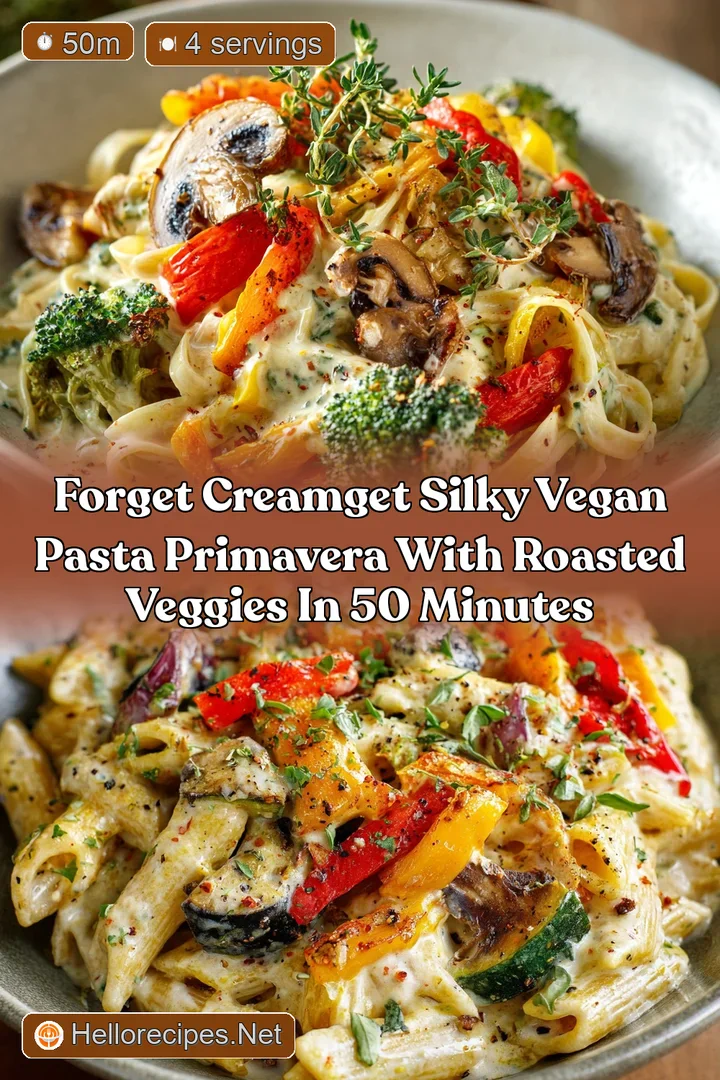
Recipe FAQs
My cashew cream sauce ended up a bit gritty. What’s the secret to getting that velvet smooth texture?
Ah, the classic gritty sauce faff! The secret to achieving that truly silky, velvety texture is twofold: proper soaking and a decent blender. You must use raw cashews and soak them for at least 30 minutes in boiling water, or ideally, overnight in cold water.
If your blender isn’t a high speed beast, keep blending for a solid two minutes, stopping only when the sauce looks completely uniform like a fancy double cream.
How do I make sure this Vegan Pasta Primavera with Roasted Veggies tastes bright and vibrant, rather than heavy?
The key to a cracking good primavera is balance. Make sure you haven't scrimped on the lemon juice and zest; that acidity is vital for cutting through the richness of the cashew cream. Secondly, don't skip reserving that starchy pasta water! Adding a splash or two at the end helps emulsify the sauce so it clings beautifully to the pasta, ensuring every forkful of the Vegan Pasta Primavera with Roasted Veggies is spot on and not just a sloppy mess.
I have a nut allergy in the family. Is there a good substitution for the cashews in the sauce?
Not a bother! For a superb nut-free swap, blanched and peeled white beans (like cannellini) work a treat, as they provide that essential creamy bulk. Alternatively, soaked and peeled sunflower seeds or even silken tofu can be used.
You might need to add a touch more nutritional yeast to these substitutes to ensure you still get that rich, umami flavour the cashews naturally provide.
Can I make this dish ahead of time, and how should I store the leftovers?
You can definitely make the sauce a day or two ahead and store it in the fridge; just loosen it with stock before reheating. Leftovers of the finished pasta will keep perfectly well in an airtight container for 3 4 days.
When reheating, the pasta will absorb more sauce, so splash in a little extra water or stock (think of it as a reviving potion!) to loosen it back up and restore its lovely texture.
I’m out of courgette and asparagus. What other vegetables work well in a Primavera dish?
Primavera, meaning "spring," is delightfully flexible, so just use what you have! Feel free to swap those for seasonal delights like thinly sliced fennel, sugar snap peas, shelled broad beans, or even some blistered cherry tomatoes.
Just ensure whatever you choose is cut into similar sized pieces before roasting so everything cooks consistently and you still get that lovely caramelisation.
Roasted Vegan Pasta Primavera
Ingredients:
Instructions:
Nutrition Facts:
| Calories | 1142 kcal |
|---|---|
| Protein | 32.7 g |
| Fat | 17.5 g |
| Carbs | 82.3 g |
| Fiber | 32.6 g |
| Sodium | 20486 mg |
