Vegan Mac and Cheese: the Proper Golden Glow-Up and Ultimate Creamy Comfort
- The Proper Golden Glow-Up: Why This Vegan Mac and Cheese is Different
- Decoding the Perfect Vegan Cheese Sauce: The Science of Creaminess
- Essential Components: Ingredients for the Ultimate Creamy Sauce
- Step-by-Step Method: Making Your Ultimate Creamy Vegan Mac and Cheese
- Achieving Perfection: Expert Tips and Troubleshooting Your Sauce
- Reheating and Meal Prep: Storage Guidelines
- Proper Pub Grub Pairings: What to Serve Alongside Mac
- Recipe FAQs
- 📝 Recipe Card
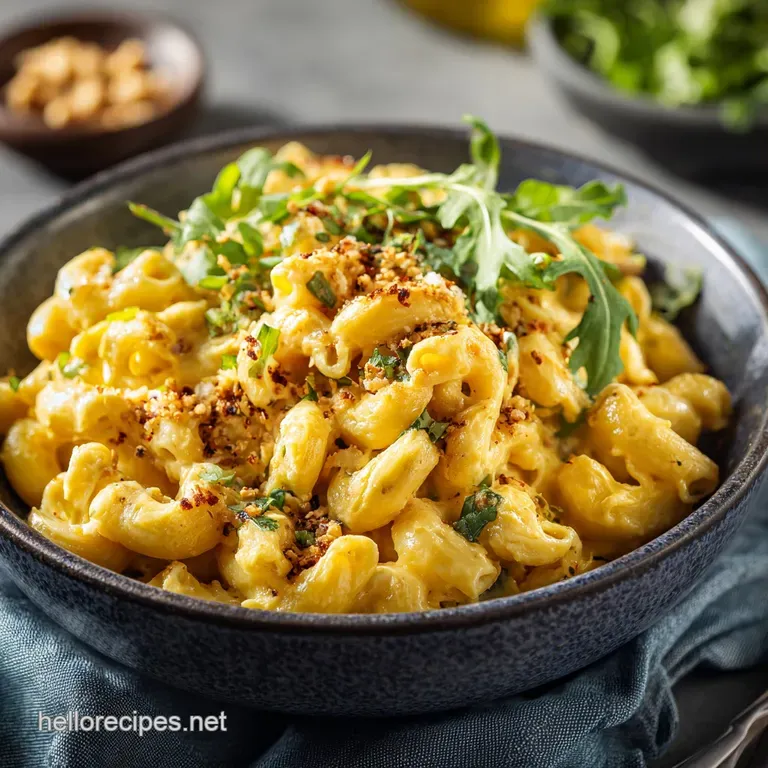
The Proper Golden Glow-Up: Why This Vegan Mac and Cheese is Different
Close your eyes and imagine that moment: the aroma of deep, savoury cheddar hitting your nose, the satisfying drag of velvet smooth sauce, and a plate piled high with golden comfort. That, my friends, is what we are chasing.
This is the ultimate creamy vegan mac and cheese, and honestly, you won't believe there isn't a single drop of dairy involved.
I get it; the vegan cheese world can be a bit… sad sometimes. Too often, homemade mac ends up grainy, flat, or resembling mildly seasoned wallpaper paste. But this recipe is different because we use humble root vegetables as a creamy binder, creating a body that store-bought shreds simply cannot replicate.
It’s fast enough for a Tuesday night, cheap, and guaranteed to silence even the most cynical dinner guests.
So forget the highly processed stuff and step away from those powdered packet sauces. We are making proper, soul satisfying comfort food here, relying on real world techniques and a little bit of kitchen magic. Let's crack on and make some truly spectacular dairy-free goodness.
Decoding the Perfect Vegan Cheese Sauce: The Science of Creaminess
Defining Proper Comfort: Texture and Umami Goals
When I set out to nail this recipe, I wasn't aiming for "good for vegan." I was aiming for good, full stop. This means the texture must be velvety, not gluey, and the flavour profile needs that specific, sharp tang you get from aged cheddar.
The goal is achieving deep umami using plant based ingredients while hitting that essential smooth mouthfeel.
Overview of the Mac and Cheese Method (Boil, Blend, Bake/Serve)
The beauty of this method is its simplicity. We take the three components that define the sauce starchy vegetables, fatty cashews, and flavourful spices and cook them simultaneously with the pasta water, which saves a ton of time.
Then, everything except the pasta goes into the blender for a high speed blitz. You are effectively making a high fat, high starch vegetable soup base that happens to taste exactly like cheese sauce.
The Starchy Secret: How Potatoes and Carrots Create Body
The secret weapon for this unbelievably creamy vegan mac and cheese is the addition of potatoes and carrots. When boiled and broken down, the starch in the potato acts similarly to a traditional flour roux, providing necessary structure and thickness without adding a greasy texture.
The carrot contributes a natural sweetness and, crucially, that deep golden orange hue, which makes the sauce look instantly appetizing.
Cashew Cream Base: Blending for Velvety Smoothness
Cashews are non-negotiable here; they provide the essential fat content that makes the sauce rich and coats the tongue beautifully. You must use raw, unsalted cashews and you must soak them. If you skip the soak, even a high speed blender will struggle, leaving you with a slightly gritty sauce.
Trust me, I tried skipping it once because I was starving, and the results were tragic.
Nutritional Yeast: Achieving the Essential Umami Tang
Ah, nutritional yeast! This is the building block of flavour in almost every vegan cheese sauce. It provides that specific, savoury, slightly funky tang we associate with cheese. However, nutritional yeast on its own is often flat.
We need to add depth using acid (like apple cider vinegar) and tang (from Dijon mustard) to truly unlock that "cheesy" profile.
Essential Components: Ingredients for the Ultimate Creamy Sauce
This recipe relies on a few key heroes working together. Don’t worry, if you’re missing an ingredient, I have plenty of solid backup plans.
Prep Checklist: Soaking Cashews for Optimal Results
Soaking the cashews isn't just a suggestion; it’s a necessary step to soften them, ensuring they break down completely when blended. Cover the raw cashews with boiling water and let them sit for 30 minutes while you chop your vegetables and get your pasta water boiling.
| Ingredient | Why We Use It | The Best Substitute |
|---|---|---|
| Cashews | Creaminess, fat content | Soaked sunflower seeds (nut-free option) |
| Potato/Carrot | Starch binder, colour | Steamed cauliflower florets |
| ACV | Sharpness, cheesy tang | Lemon juice or white wine vinegar |
| Plant Milk | Liquid body | Reserved pasta water or vegetable broth |
Choosing Your Pasta Shape: Best Noodle Pairing Notes
Elbow macaroni is the classic choice, obviously. But any small, ridged shape works beautifully because the ridges grab onto the thick, creamy vegan mac and cheese sauce. Think small shells, cavatappi, or even penne. Just make sure you cook it strictly al dente.
It’s going to continue cooking slightly when stirred into the hot sauce.
dairy-free Milk Alternatives and Thickening Agents
I prefer using unsweetened oat or soy milk because they offer the most neutral flavour and are naturally quite creamy. Almond milk is fine, but sometimes it can be a bit too watery. Remember we are also using the reserved, starchy pasta water.
This water is liquid gold; it helps the sauce emulsify and gives it an extra sticky richness.
Detailed Notes on Key Flavor Boosters (Mustard, Apple Cider Vinegar)
If your finished sauce tastes "meh," it’s missing acid. Sharp cheese is acidic, right? We need to mimic that. Dijon mustard adds savoury depth and heat, while Apple Cider Vinegar (ACV) provides the essential, bright tang.
You can start with the listed amounts, but be brave and add a little extra pinch of ACV at the end if you feel it needs a punch.
step-by-step Method: Making Your Ultimate Creamy Vegan Mac and Cheese
Phase One: Softening the Root Vegetables (Potatoes and Carrots)
Get your large pot of salted water boiling fiercely. Add the diced potato, carrot, and whole garlic cloves first. I learned the hard way that if you add them all at once, your mac will be mush and your vegetables will be crunchy.
Wait 5 minutes for the tougher roots to start softening before tossing in the macaroni. Cook until everything is perfectly tender, usually another 7– 9 minutes. Drain, but don't forget to reserve one full cup of that starchy cooking water!
Phase Two: High Speed Blending the Golden Cheese Base
Transfer all the boiled vegetables, garlic, and the drained, soaked cashews into your blender. Add the plant milk, nutritional yeast, mustard, ACV, smoked paprika, turmeric, onion powder, and most of that reserved pasta water. Now, blend on the highest setting for a full minute or until absolutely no grit remains.
Chef's Note: Turmeric is only for colour here; we use just a tiny dash. Too much turmeric tastes earthy and metallic, and we want bright, cheesy gold!
Phase Three: Combining and Finishing on the Stovetop
Pour the silky sauce into a clean saucepan and warm it gently over medium heat, stirring constantly. It will thicken up gorgeously within a few minutes. Now is the crucial time for seasoning. Taste it, really think about it, and then add salt until it sings.
Toss in the cooked, drained macaroni and stir until every noodle is drowning in that thick, beautiful sauce.
Optional Phase Four: Baking for a Crispy Top
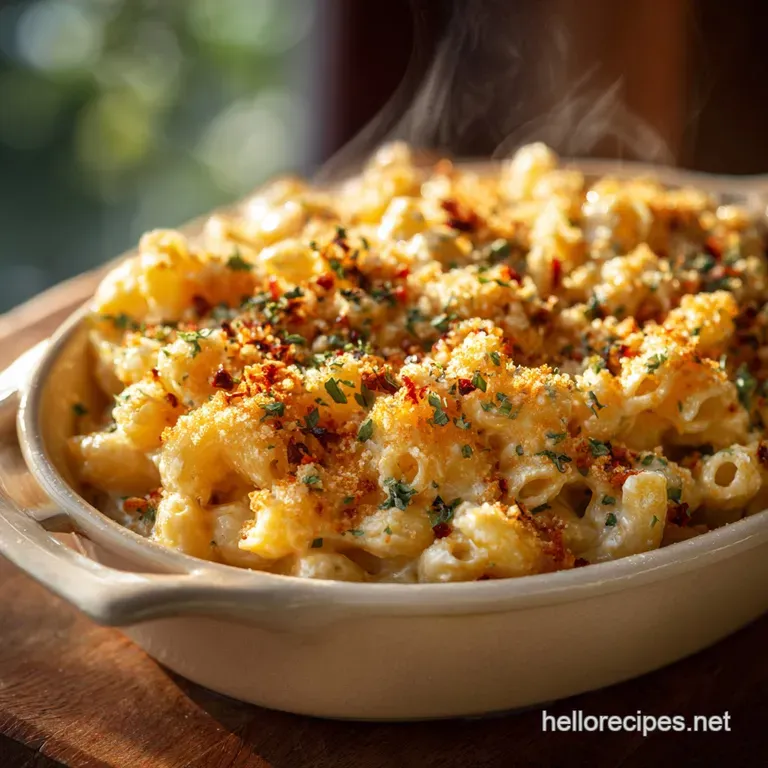
If you're feeling extra indulgent, transfer the coated mac to a casserole dish. Mix 1/2 cup of breadcrumbs with a knob of melted vegan butter and some paprika. Sprinkle that goodness over the top.
Bake at 375°F (190°C) for about 15 minutes, until the top is crunchy and the sauce is bubbling madly.
Achieving Perfection: Expert Tips and Troubleshooting Your Sauce
The Essential Taste Test: Adjusting Salt and Acidity
This is where people fail the most: they under season dairy-free sauces. Nutritional yeast provides savouriness, but salt activates it. If the sauce tastes dull, it likely needs more fine sea salt. If it tastes heavy or fatty, it needs acid.
Add a quarter teaspoon of ACV at a time until that sharp, cheese like tang snaps into place.
Dealing with a Sauce That’s Too Thick or Grainy
If your sauce is too thick (this often happens if you use a high starch pasta like whole wheat), simply stir in an extra splash of reserved pasta water or plant milk until it loosens up. If your sauce is grainy, you didn't blend long enough.
Pour the sauce back into the high speed blender and run it for another 30 seconds.
Preventing Sticking: Noodle Prep Tips
The best way to prevent your mac and cheese from becoming a sticky, gloopy mess is to cook the pasta al dente and combine it with the hot sauce immediately. Do not rinse your pasta after draining! The starch on the surface is essential for helping the sauce cling perfectly.
Reheating and Meal Prep: Storage Guidelines
Refrigerating Leftovers and Reheating Tips
Vegan mac and cheese thickens a lot in the fridge it basically solidifies thanks to the root vegetable starch. Store leftovers in an airtight container for up to 4 days. When reheating (stovetop is best), you must add liquid.
Put the mac in a saucepan and stir in 1/4 cup of plant milk or water per serving until it reaches that creamy consistency again.
Can You Freeze Vegan Cheese Sauce? (A Definitive Answer)
Yes, you absolutely can freeze the sauce on its own before combining it with the pasta. It stores well for up to 3 months. Once thawed, you will likely need to re-blend it or whisk vigorously while heating, as the starch components can separate slightly.
However, I usually recommend freezing the sauce base only, and cooking fresh pasta later.
Green Sides: Pairing with Tangy Vegetables
You need something acidic and fresh to balance the deep richness of the mac. A simple side of steamed broccoli with lemon juice or a fresh green salad is perfect. If you’re looking for something hearty and comforting to serve alongside this ultimate comfort food, I highly recommend checking out my Recipes featuring Beans and Lentils: Hearty Smoked Sausage Ragout .
Proper Pub Grub Pairings: What to Serve Alongside Mac
This creamy vegan mac and cheese deserves robust company. Think smoky, savoury flavours that contrast the richness.
- Smoky Sides: A side of crispy roasted Brussels sprouts with a maple balsamic glaze is fantastic.
- Hearty Mains: If you are having people over, serve it as a side for a veggie burger or a smoky lentil loaf.
- Another Cheese Fix: If you’re like me and can never get enough cheesy goodness, this recipe pairs beautifully with a slightly lighter mac version, like my Vegan Butternut Squash Mac And Cheese Ultra Creamy Comfort for comparison! It’s fun to see how different vegetables create different textures.
Recipe FAQs
Why is my sauce gritty or thin, even though I used the recommended ingredients?
Grittiness usually occurs if the cashews were not soaked long enough or if your blender lacks sufficient power. Ensure cashews are soaked in boiling water for at least 30 minutes, and then blend the entire sauce mixture for 2-3 full minutes until perfectly smooth and velvety.
If the sauce is too thin, simmer it gently on the stovetop for a few minutes to allow some excess moisture to evaporate.
I am allergic to cashews. What is the best substitution to maintain the creamy texture?
While cashews provide superior richness and body, you can substitute them with sunflower seeds or blanched almonds for a similar effect. Alternatively, use silken tofu, drained well, or cooked white beans (such as cannellini) for a protein rich, smooth base.
Note that these substitutions may slightly alter the final flavor profile, requiring minor seasoning adjustments.
Can I skip the nutritional yeast if I don't have any?
Nutritional yeast is crucial as it provides the iconic cheesy, umami tang essential to truly satisfying vegan mac and cheese. If you must skip it, you will need to rely heavily on other savory ingredients like mustard powder and white miso paste.
Adding a dash of pickle juice or apple cider vinegar can also mimic the requisite acidity and depth that nutritional yeast provides.
How should I store leftover Vegan Mac and Cheese, and can I freeze it?
Store leftovers in an airtight container in the refrigerator for up to 4 days; the pasta will absorb the sauce and thicken considerably. When reheating, add a splash of plain, unsweetened plant milk on the stovetop to restore its original creamy consistency.
Freezing is generally not recommended, as the potato and carrot base tends to separate and become mealy once thawed.
My sauce isn't bright orange like traditional mac and cheese. How can I enhance the color?
The golden color is primarily provided by the boiled carrots and the nutritional yeast. To achieve a deeper, more vibrant hue, ensure you use enough carrots in your base mixture and consider adding a small half teaspoon of high-quality paprika (sweet or smoked) before blending.
A tiny pinch of turmeric also boosts the golden color significantly without imparting a noticeable flavor.
Can this recipe be turned into a baked mac and cheese casserole?
Yes, absolutely! Once the pasta and sauce are fully combined, transfer the mixture to a lightly oiled baking dish. Top it generously with vegan breadcrumbs mixed with olive oil, melted vegan butter, and extra nutritional yeast for crunch.
Bake the dish at 375°F (190°C) for 15 to 20 minutes until the topping is golden and the contents are thoroughly heated through and bubbly.
Can I use gluten-free pasta for this recipe?
Yes, gluten-free pasta works perfectly fine with this creamy, robust sauce. Just be sure to follow the package instructions closely, and slightly undercook the pasta (al dente) before mixing it with the hot sauce.
This prevents the gluten-free varieties, which can sometimes be delicate, from becoming overly soft or mushy when combined with the thick sauce.
Proper Creamy Vegan Mac And Cheese

Ingredients:
Instructions:
Nutrition Facts:
| Calories | 1034 kcal |
|---|---|
| Protein | 29.5 g |
| Fat | 43.8 g |
| Carbs | 121.5 g |
