Sugar Cookie Recipe: Shape-Holding Cut-Outs
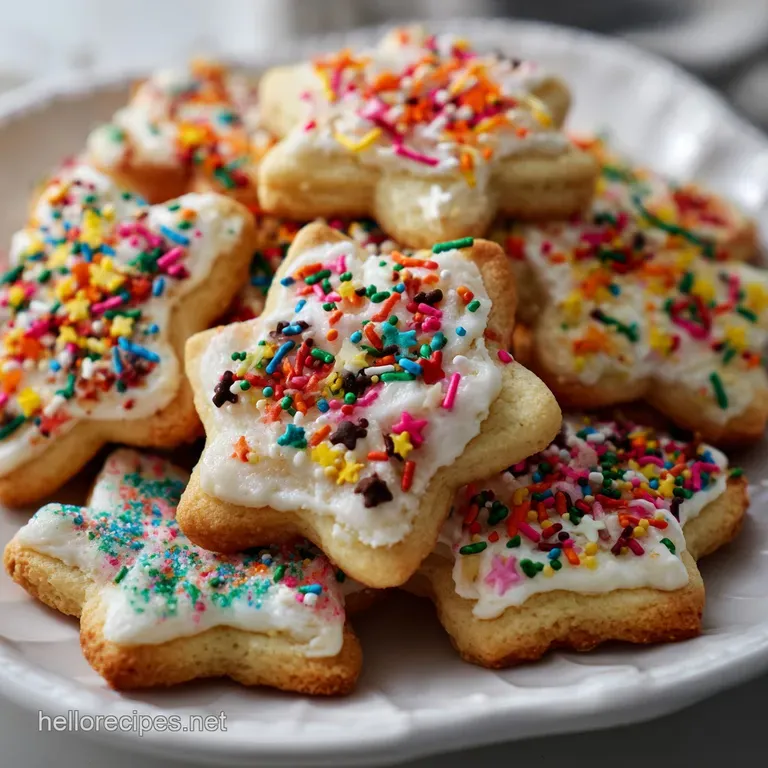
- The Definitive Cut-Out Cookie Recipe: No Spread Guarantee
- The Science of Stability: Why These Cookies Don't Spread
- Essential Provisions: Ingredients for the Perfect Sugar Cookie Base
- Methodology: From Dough to Cut-Out Masterpiece
- Expert Techniques: Troubleshooting Common Sugar Cookie Pitfalls
- Preservation Guide: Storing Dough, Baked Cookies, and Decorations
- Beyond the Bake: Pairing and Decorating Your Sugar Cookie Canvas
- Recipe FAQs
- 📝 Recipe Card
The Definitive Cut-Out Cookie Recipe: No Spread Guarantee
Oh, my goodness, if there is one cookie I absolutely cannot live without during the holidays (or, let's be honest, any Tuesday afternoon), it is the quintessential Sugar Cookie . Nothing beats that cozy aroma of butter and vanilla filling the kitchen.
This recipe isn't about some fancy new hybrid; it’s about perfecting the classic base so you can actually enjoy decorating. I know the pain of watching your intricate stars balloon into shapeless blobs in the oven. The worst.
But guess what? That stops today. This reliable Sugar Cookie formula is cheap, fast to mix, and designed specifically for stability. It is the architectural blueprint for every decorator’s dream.
You need a sturdy, reliable foundation that stands up to royal icing, sprinkles, and even impatient little hands.
We’re going to achieve perfectly sharp edges and that classic, melt-in-your mouth tenderness. Trust me on this we’re moving past those frustrating kitchen fails and delivering the Worlds Best Sugar Cookie Recipe . Let’s crack on and get baking!
The Science of Stability: Why These Cookies Don't Spread
Listen, the difference between a floppy mess and a crisp, clean edged cookie is physics, not magic. My goal here was to reverse engineer the perfect balance of ingredients and temperature to give you the ultimate Sugar Cookies For Decorating .
It’s all about controlling how quickly the fat melts when it hits the heat.
Why Shape Retention is the Secret to Perfect Decorating
If your cookie spreads, it means the butter melted and flowed before the flour and egg proteins had a chance to set the structure. We use slightly less leavening (baking powder) than a traditional soft drop cookie to minimize puffing. More importantly, we manage the temperature of the butter rigorously.
We want it cold going in, hot coming out. This ensures your intricate reindeer antlers stay sharp.
Overview of the Baker's Blueprint: Flavor Profile and Texture Goal
We are aiming for deep vanilla notes, a pronounced buttery richness, and a texture that is crisp on the very edge but delightfully tender and slightly chewy in the centre. This is a robust dough designed to be rolled, cut, and handled without becoming tough.
It is the ideal candidate for a smooth Sugar Cookie Icing Recipe later on.
Required Equipment Checklist for Success
You don’t need a ton of gear, but a few key things make the process buttery smooth.
- A reliable stand mixer (or a sturdy hand mixer). Don’t try to cream butter by hand; your wrist will hate you.
- Parchment paper or silicone mats are mandatory. They prevent sticking and make the second chilling step effortless.
- Rolling pin guides. Honestly, these little rubber rings changed my life. They guarantee an even 1/4 inch thickness, which means all your Sugar Cookie shapes bake perfectly simultaneously.
The Role of Creaming Technique in Dough Structure
Creaming (beating the butter and sugar) incorporates air. This air provides some lift. But here’s the crucial caveat: we need it light and fluffy , not puffy and airy .
If you over cream, you incorporate too much air, which expands rapidly in the oven, leading to a huge puff-up followed by an inevitable collapse and spread. We stop creaming the second it looks pale and uniform.
Balancing Butterfat and Flour for Crisp Edges
We use a high proportion of all-purpose flour, carefully measured, which absorbs the fat and moisture. This high flour-to-fat ratio prevents the cookies from turning into buttery puddles. We rely on the butter for flavor, but the flour provides the necessary scaffolding.
This technique is exactly how you make the perfect Sugar Cookie Cutout Recipe Best .
Achieving that Signature Tender Centre vs. Crisp Edge
This is achieved primarily through the bake time. We pull the cookies out just as the edges are starting to get faintly golden, but the centers still look slightly soft and pale. They continue to cook on the hot baking sheet for those crucial first five minutes, resulting in that incredible contrast of textures.
Essential Provisions: Ingredients for the Perfect Sugar Cookie Base
The ingredient list for a classic Sugar Cookie is short, so ingredient quality really matters here.
| Ingredient | My Recommendation | Substitution Tip |
|---|---|---|
| Butter | Unsalted, softened but cool (see below) | Use high-quality vegan butter blocks (Miyoko’s or Earth Balance sticks) if dairy-free. |
| Sugar | Fine granulated sugar | Swap 1/4 cup with light brown sugar for a softer, chewier texture, but expect slightly more spread. |
| Egg | Large, room temperature | Use 1/4 cup of mashed banana or applesauce for an egg substitute, though texture will be softer. |
| Vanilla | Pure Extract or Bean Paste | Use almond or lemon extract for flavor variation; use 1 tsp less as they are stronger. |
| Flour | All-Purpose, spooned and levelled | If aiming for gluten-free, use a 1:1 GF blend with xanthan gum included. Check out my recipe for gluten-free Christmas Cookies: Sturdy, Sliceable, Perfect for Icing . |
Butter: Salted vs. Unsalted and Temperature Specifics
I always use unsalted butter. Why? Because I control the salt content. If you only have salted, omit the 1/2 teaspoon of salt from the recipe. The most important part is the temperature: it should be softened enough to indent easily with your finger, but still slightly cool.
If it's warm and greasy, your dough will be oily and spread like crazy.
Vanilla Bean Paste vs. Extract: Maximizing Flavor Depth
You absolutely need pure vanilla extract here. I once skimped and used imitation vanilla huge mistake, the flavor tasted flat and chemical. If you want next level flavor and those beautiful little black specks, swap the extract for vanilla bean paste 1:1.
It adds intense depth that elevates the entire Sugar Cookie .
Flour Selection: The Impact on Gluten Development
Stick to all-purpose flour. Don't use bread flour (too high in protein) or cake flour (too low in structure). The key is measuring it accurately. If you scoop straight from the bag, you compact the flour, using too much. Too much flour means tough, dry cookies.
Spoon the flour lightly into your measuring cup, then level it off.
Troubleshooting Common Ingredient Swaps (e.g., alternative sugars)
If you swap granulated sugar for a liquid sweetener like honey or maple syrup, you've completely changed the structure, hydration, and chemistry of the cookie. Don't do it! Granulated sugar provides the necessary structure and crispness.
If you want a slightly softer, chewier result, you can swap up to 1/4 cup of the granulated sugar for powdered sugar (icing sugar), which results in a softer Soft Chewy Sugar Cookie Recipe .
Methodology: From Dough to Cut-Out Masterpiece
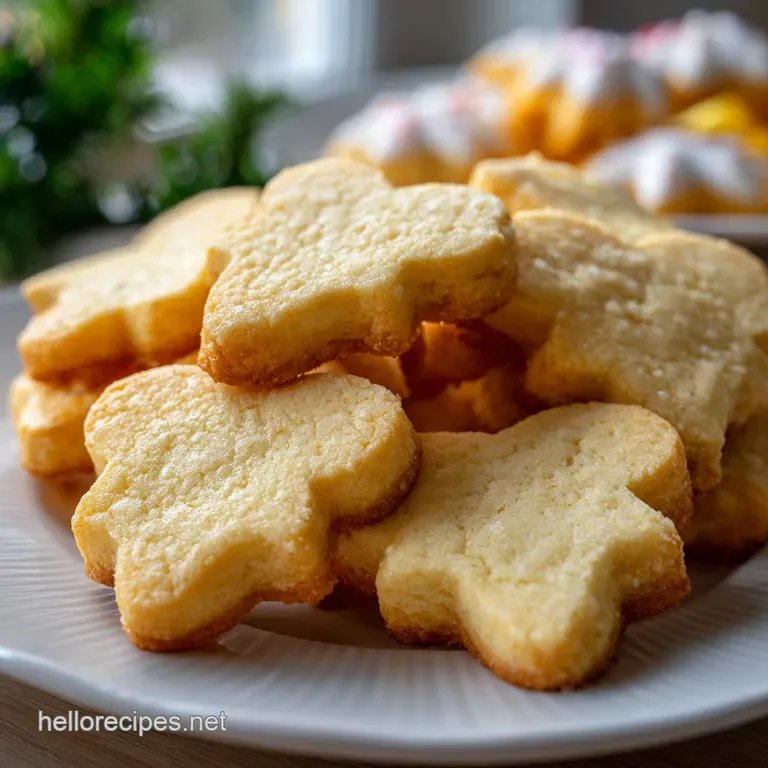
Making the dough is easy; mastering the temperature is the challenge. Follow these steps exactly for success.
Mixing the Dough: Key Stages for Optimal Uniformity
Start by whisking your dry ingredients together thoroughly. This distributes the baking powder evenly so crucial! Then, in the mixer, cream the butter and sugar on medium speed for about three minutes, until it looks pale and fluffy.
Add the room temperature egg and vanilla, mixing just until fully incorporated.
Now, reduce the speed to the absolute lowest setting before introducing the flour mixture, about 1/3 cup at a time. Stop the mixer the very second you see no more dry flour streaks. Overmixing here is the number one cause of tough cookies.
The Critical Importance of Dough Chilling Times
This recipe features the non-negotiable double chill. The first chill ( 2 hours minimum) allows the flour to hydrate fully and the butter to solidify. This is the foundation of structural integrity. You need the dough to feel firm, almost like clay, not soft.
Rolling and Cutting Techniques for Clean Edges
My best tip for rolling? Ditch the messy flour. Roll the dough between two sheets of parchment paper. Roll out your chilled disc until it is exactly 1/4 inch thick. Use your sharpest cookie cutters and press straight down no twisting!
Twisting seals the edges, which prevents them from rising properly and can cause subtle spreading. Transfer those cutouts onto the baking sheet.
Baking Watch: Identifying the Perfect Doneness Point
Here’s the second chill: after filling the baking sheet with shapes, stick the whole tray back in the freezer for 15 minutes. A frozen Sugar Cookie hitting a hot oven guarantees minimal spread.
Bake at 350°F (175°C) for 8 to 10 minutes. Look for edges that are barely set and turning a light tan color. The center should still look slightly soft.
Chef's Note: If you smell the cookie before you see the color change, you're too late! Always trust your eyes here.
Expert Techniques: Troubleshooting Common Sugar Cookie Pitfalls
I’ve made every mistake possible while trying to produce the Best Sugar Cookie Recipe Cutout , so let me save you some tears.
Preventing Crumbling Dough and Sticky Rolling Surfaces
If your dough is too crumbly when you try to roll it, it means you either measured too much flour or you didn't chill it long enough. Fix this by adding a teaspoon of milk or cream, one drop at a time, to the dough disc until it just holds together when pressed.
For sticking, ensure you are rolling between parchment, not directly on the countertop.
Re-Rolling Scraps Without Compromising Texture
When you gather the scraps, do not knead them into a ball. Gather them up quickly, press them into a new, small disc, wrap it, and chill for 10 minutes. The longer you work the dough, the more gluten develops, leading to tough cookies. Limit re-rolling to one or two times maximum.
Adjusting Bake Time for Dark vs. Light Baking Sheets
Baking sheets matter! Dark metal sheets absorb and retain heat faster, which can cause the bottoms of your cookies to brown (or burn!) before the tops are done. If using dark sheets, reduce the oven temperature by 25°F (15°C) and keep a closer eye on the bottoms around the 7 minute mark.
Preservation Guide: Storing Dough, Baked Cookies, and Decorations
Preparation is half the battle when making a massive batch of Sugar Cookie treats. This dough is incredibly freezer friendly.
Freezing the Unbaked Dough Log vs. Cutouts
You have two great options here.
- Dough Discs: Wrap the unbaked, chilled discs tightly in plastic wrap, then place them in a freezer bag. They last 3 months. Thaw overnight in the fridge before rolling.
- Cutouts: Once you have cut the shapes and chilled them on the baking sheet, flash freeze them solid (about an hour). Transfer the frozen cutouts into a freezer bag, separated by layers of parchment paper.
Maintaining Freshness: Airtight Storage Solutions
Once baked and cooled, plain Sugar Cookies stay fresh in an airtight container at room temperature for up to a week. If they are decorated with royal icing, they will last about 4 5 days.
If they start to feel stiff, toss a half slice of sandwich bread into the container overnight; the cookies will absorb the moisture.
How to Thaw and Bake Frozen Sugar Cookie Shapes
This is the easiest freezer hack ever! Place the frozen cutouts directly onto a parchment lined baking sheet. Increase the baking time by 2– 4 minutes (depending on thickness).
Do not thaw them before baking ; baking them from frozen maintains the sharpest shape, which is exactly how to make the best sugar cookies.
Beyond the Bake: Pairing and Decorating Your Sugar Cookie Canvas
You've made it! You have a batch of perfectly structured, non-spreading Sugar Cookie masterpieces ready for their glow-up.
For decorating, I highly recommend using a meringue powder based royal icing. It dries hard and glossy, and it’s completely shelf stable. If you’re looking for a simpler option, a quick drizzle of white chocolate or a dusting of powdered sugar is always chic. And speaking of simple, if you're feeling lazy but still want a comforting classic, you might enjoy my recipe for Cream Wafer Sandwich Cookie: Ultimate Almond Cream Filling Recipe .
No matter how you decorate them, these cookies are a testament to the power of precision. Enjoy the sharp edges, the tender bite, and the beautiful vanilla flavor of your perfectly baked Sugar Cookie . It’s time to show off those impeccable lines!
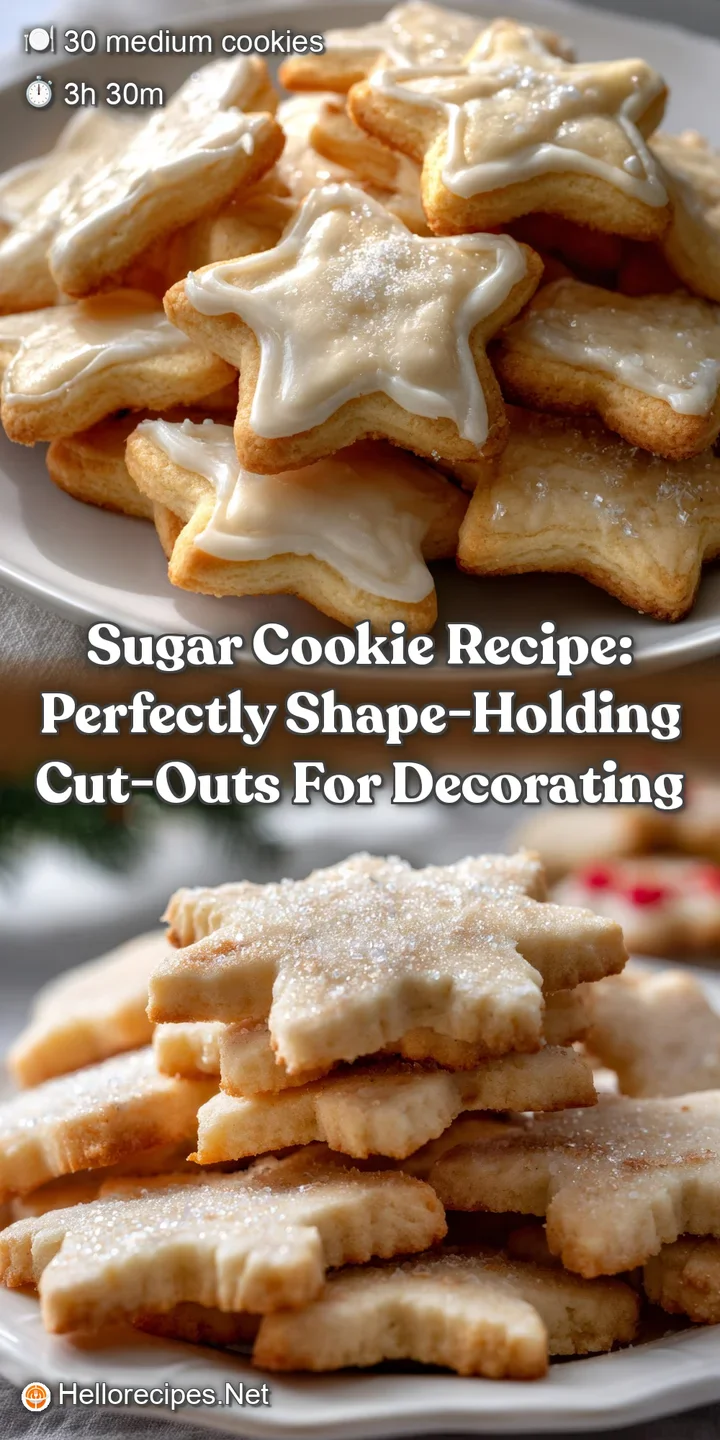
Recipe FAQs
Why are my sugar cookies spreading and losing their cut-out shape?
Spreading is usually caused by the butter being too soft or the dough not being chilled sufficiently before baking. Ensure the butter is only softened slightly (cool to the touch) when creaming, and strictly adhere to the chilling time listed in the recipe instructions.
Additionally, avoid over mixing the flour once it is added, as developing too much gluten can also contribute to excessive spreading and a tougher cookie texture.
How long can I store the sugar cookie dough, and can I freeze it?
The prepared dough can be tightly wrapped in plastic wrap and refrigerated for up to 3 days, which is ideal for breaking up the baking process.
For longer storage, freeze the wrapped dough for up to 3 months; thaw it overnight in the refrigerator before rolling, cutting, and baking as directed.
What makes this a “classic” sugar cookie recipe compared to quicker versions?
A classic cut-out recipe typically relies on a high ratio of butter and flour, combined with leavening, eggs, and vanilla, to achieve a rich, tender centre and crisp edges.
It also necessitates the critical step of chilling, which solidifies the butter and ensures the cookies hold their intricate shapes perfectly during baking, making them ideal for elaborate decorating.
Can I make substitutions to create a gluten-free or dairy-free version?
Yes, you can substitute the all-purpose flour with a high-quality 1:1 gluten-free baking blend that contains xanthan gum, though you might need slightly less liquid overall.
For a dairy-free version, use solid vegetable shortening or a specific brand of vegan butter sticks designed for baking; avoid using soft tub margarine, as it contains too much water.
Are 3-ingredient sugar cookies comparable to this comprehensive recipe?
Three ingredient cookies (often butter, sugar, flour) are much quicker but typically lack the depth of flavor provided by eggs, salt, and vanilla extract in a classic recipe.
While they are simple, they usually produce a denser, sometimes drier cookie that is less stable for maintaining precise cut-out shapes and fine details.
How can I easily change the flavor profile of the sugar cookies?
The simplest variation is substituting the vanilla extract with an alternative, such as almond, lemon, or peppermint extract, using the same measurements.
Alternatively, incorporate fine citrus zest (lemon or orange) or ground spices like cinnamon, nutmeg, or cardamom into the dry ingredients before mixing the dough.
My cookies came out too dry and crumbly. What went wrong?
Dryness is usually caused by measuring too much flour or over baking the cookies past their set time.
Ensure you are measuring flour accurately using the spoon and-level method, and remove the cookies from the oven when the edges are just barely golden, allowing them to finish setting on the hot baking sheet for a few minutes.
Perfect Shape Holding Sugar Cookie
Ingredients:
Instructions:
Nutrition Facts:
| Calories | 1367 kcal |
|---|---|
| Protein | 43.6 g |
| Fat | 75.4 g |
| Carbs | 128.7 g |
