Penne Alla Vodka: Silky Velvety Sauce
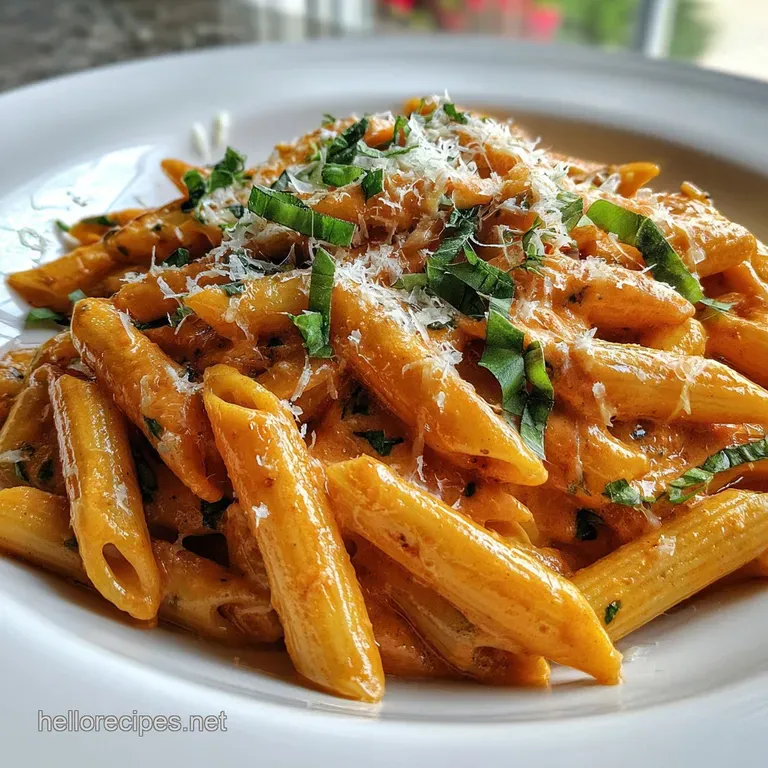
- Time: Active 10 minutes, Passive 20 minutes, Total 30 minutes
- Flavor/Texture Hook: Silky, velvety sauce with a bright, peppery finish
- Perfect for: Impressive weeknight dinners or cozy date nights
- Creating the Ultimate Vibrant Penne alla Vodka
- Logic Behind the Silky Sauce
- Essential Timing and Texture Specs
- Selecting Components for Peak Flavor
- Gear for Professional Pasta Results
- Mastering the Stove Cooking Process
- Solving Common Sauce Texture Issues
- Creative Ways to Personalize Dishes
- Myths About Vodka Pasta
- Storing and Repurposing Your Pasta
- Vibrant Ways to Serve Meals
- Recipe FAQs
- 📝 Recipe Card
Creating the Ultimate Vibrant Penne alla Vodka
The scent of shallots hitting melting butter is a sensory trigger that always stops me in my tracks. I remember the first time I tried making this for a group of friends. I was so worried about the alcohol not cooking off that I simmered it until the sauce was a thick, muddy mess.
It was a disaster, but it taught me everything about the delicate balance required for a truly vibrant meal. You want that sharp bite of the vodka to cut through the heavy whipping cream, not disappear entirely.
This isn't just a pasta dish; it's a study in contrasts. You have the concentrated, almost jammy sweetness of the tomato paste meeting the spicy kick of 0.5 tsp red pepper flakes. Then, the whole thing gets wrapped in a velvety embrace of Parmigiano Reggiano and heavy cream.
It's a fusion of old school Italian American comfort and modern culinary precision. We've all seen the version of Penne alla Vodka from Natashas Kitchen, and while that's a classic, my version leans into even deeper umami notes.
What makes this specific method stand out is how we treat the 6 oz tomato paste. We aren't just stirring it in. We are searing it until it turns a deep, brick red color. This creates a foundation of flavor that is multicultural in its depth.
If you've been looking for a recipe that feels restaurant quality but works in a humble home kitchen, you've found it. Let's crack on with the details.
Logic Behind the Silky Sauce
Aromatic Extraction: The ethanol in the 0.5 cup premium vodka acts as a solvent, pulling out flavor compounds from the tomatoes that are only alcohol soluble. This results in a more complex, vibrant sauce profile than a standard marinara.
Emulsion Stability: Combining 1 cup reserved pasta water with the 1 cup heavy whipping cream creates a stable bond between the fats and liquids. The starch in the water prevents the sauce from breaking or becoming oily.
Unlocking Alcohol Soluble Aromatics
When you add the vodka, you'll notice a sudden shift in the aroma rising from the pan. This is the alcohol interacting with the esters in the tomato paste. It's not just about the booze; it's about the chemistry of flavor release.
Maillard Reaction via Tomato Paste
By frying the 6 oz tomato paste in 3 tbsp unsalted butter, we trigger a reaction that creates new, savory flavor molecules. This turns the raw, metallic taste of tinned paste into something rich and sweet.
Mastering the Emulsion Loop
The real secret to that restaurant style sheen is the emulsion. By tossing the Penne Rigate with the sauce and adding the 0.75 cup Parmigiano Reggiano gradually, you create a coating that clings to every ridge of the pasta.
| Method | Time | Texture | Best For |
|---|---|---|---|
| Classic Stovetop | 30 minutes | Silky and light | Maximum flavor control |
| Slow Cooker | 4 hours | Deeply concentrated | Hands off prep |
| Baked Casserole | 45 minutes | Crispy cheese edges | Large family gatherings |
Choosing the right method depends on your schedule. While the stovetop is the gold standard for texture, a baked version adds a wonderful crunch that contrasts with the velvety interior. If you're in the mood for something different, you might also like the technique used in my The Homemade Alfredo recipe.
Essential Timing and Texture Specs
Precision is the difference between a good pasta and a legendary one. You need to hit specific markers to ensure the sauce doesn't become too thick or stay too watery. Timing the pasta to finish exactly when the sauce is ready is a skill you'll master today.
| Component | Logic Role | Pro Secret |
|---|---|---|
| Tomato Paste | Umami Base | Fry it until it smells like roasted peppers. |
| Premium Vodka | Flavor Solvent | Use a brand you would actually drink in a cocktail. |
| Pasta Water | Binding Agent | It must be cloudy and salty to work its magic. |
The water you cook your 1 lb Penne Rigate in is essentially "liquid gold" for this recipe. Never dump it all down the drain. The starch is what allows the 1 cup heavy whipping cream to marry perfectly with the tomato solids.
Selecting Components for Peak Flavor
- 1 lb Penne Rigate: The ridges are essential for trapping the sauce. Why this? Smooth penne will cause the sauce to slide off, leaving it at the bottom.
- Substitute: Fusilli or Rigatoni.
- 2 large shallots: These offer a milder, sweeter base than yellow onions. Why this? They melt into the butter without leaving chunky bits.
- Substitute: Half a red onion, finely minced.
- 4 cloves garlic: Freshly pressed garlic provides a vibrant punch. Why this? Pre minced garlic in jars lacks the essential oils for a good sizzle.
- Substitute: 1 tsp garlic powder added to the cream.
- 3 tbsp unsalted butter: This provides the fat needed to toast the paste. Why this? It allows you to control the salt level independently.
- Substitute: 2 tbsp extra virgin olive oil for a lighter feel.
- 6 oz tomato paste: This is the heart of the alla Vodka from Natashas Kitchen style. Why this? It provides a concentrated tomato flavor without excess water.
- Substitute: 15 oz crushed tomatoes, simmered down by half.
- 0.5 cup premium vodka: This is the signature ingredient for the Vodka from Natashas Kitchen profile. Why this? It cuts through the fat of the heavy cream.
- Substitute: 0.5 cup white wine with a squeeze of lemon.
- 1 cup heavy whipping cream: This creates the iconic orange hue and silky mouthfeel. Why this? Lower fat milks will curdle when they meet the acidic tomatoes.
- Substitute: Full fat coconut milk for a plant based fusion twist.
Gear for Professional Pasta Results
You don't need a kitchen full of gadgets, but a large, heavy bottomed skillet is non negotiable. I use a 12 inch cast iron or stainless steel pan to ensure there's enough surface area for the 0.5 cup premium vodka to reduce evenly. A smaller pan will trap steam and prevent the tomato paste from caramelizing properly.
You'll also need a large pot for boiling the 1 lb Penne Rigate. Make sure it holds at least 4 to 6 quarts of water so the pasta can move freely. A microplane is my favorite tool for the 0.75 cup Parmigiano Reggiano, as it creates a snow like texture that melts instantly into the sauce. If you find yourself with extra spirits after measuring your 0.5 cup of vodka, you might enjoy making a Cape Codder Drink recipe while the pasta boils.
Mastering the Stove Cooking Process
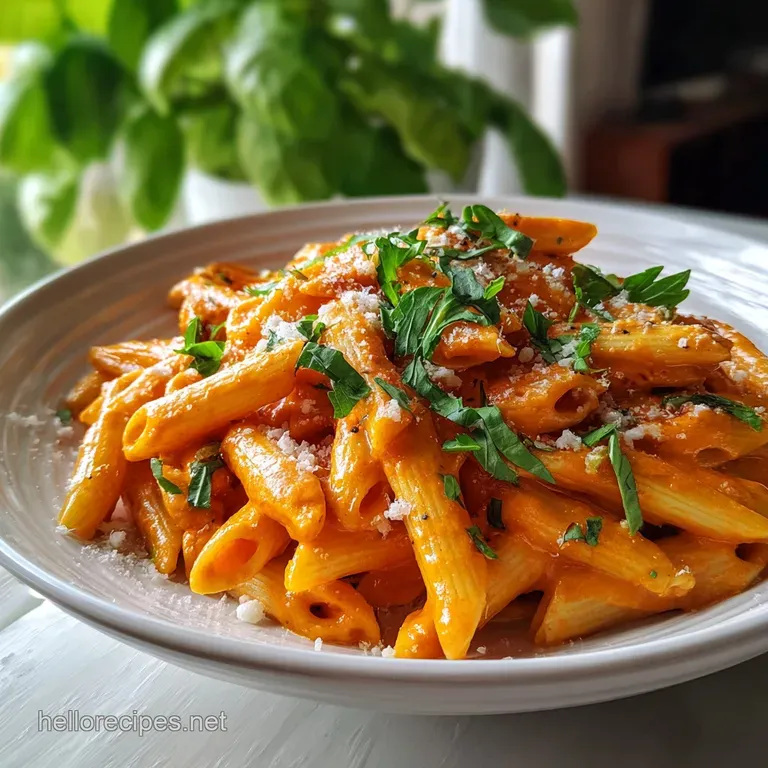
1. Preparing the Aromatic Base
Bring a large pot of salted water to a boil and add your 1 lb Penne Rigate. In your large skillet, melt the 3 tbsp unsalted butter over medium heat until it begins to foam and sizzle.
Add the 2 finely minced shallots and 4 pressed garlic cloves, sautéing for 2 to 3 minutes until they are translucent and fragrant. Note: Don't let the garlic brown or it will turn bitter.
2. Searing the Tomato Paste
Stir in the 6 oz tomato paste and 0.5 tsp red pepper flakes. Cook this mixture for about 5 minutes, stirring constantly, until the paste turns a deep maroon and starts to stick to the pan. This step is where the umami is born.
3. Deglazing the Pan Safely
Pour in the 0.5 cup premium vodka. Use a wooden spoon to scrape up all those browned bits from the bottom of the pan. Simmer for 2 to 3 minutes until the liquid has reduced by half and the sharp alcohol scent mellows.
4. Emulsifying with Heavy Cream
Reduce the heat to low and whisk in the 1 cup heavy whipping cream. Stir until the sauce is a uniform, vibrant orange and starts to bubble gently. Note: Keep the heat low to prevent the cream from separating.
5. Marrying Pasta to Sauce
Before draining the pasta, reserve 1 cup of the starchy cooking water. Add the cooked Penne Rigate directly into the skillet with the sauce. Toss well until every tube of pasta is coated.
6. Finishing with Basil Gold
Add the 0.75 cup freshly grated Parmigiano Reggiano and half of the 1 cup reserved pasta water. Stir vigorously until the cheese melts and the sauce becomes glossy. If it’s too thick, add more pasta water.
Fold in the 0.5 cup torn fresh basil just before serving until it wilts slightly and releases its aroma.
Solving Common Sauce Texture Issues
Why Your Sauce Separated
If your sauce looks oily or broken, the heat was likely too high when you added the cream. Dairy is sensitive to rapid temperature changes and high acidity. Adding a splash of the starchy pasta water and whisking vigorously over low heat can usually pull the emulsion back together.
Balancing High Acid Notes
Sometimes a batch of tomato paste is more acidic than others, leading to a sharp, sour finish. A tiny pinch of sugar can help, but the real fix is ensuring the 3 tbsp unsalted butter is fully incorporated at the start to buffer the acid.
| Problem | Root Cause | Solution |
|---|---|---|
| Sauce is too thick | Excessive reduction | Stir in 1/4 cup reserved pasta water at a time. |
| Bland flavor | Under seasoned water | Add more salt and a pinch of pepper flakes. |
| Grainy texture | Pre shredded cheese | Always use freshly grated Parmigiano Reggiano. |
Common Mistakes Checklist:
- ✓ Always reserve your pasta water before draining (it's your insurance policy).
- ✓ Don't skip toasting the tomato paste; raw paste tastes like metal.
- ✓ Use a wide skillet rather than a deep pot for the sauce to allow for evaporation.
- ✓ Add the cheese at the very end off the heat to prevent it from clumping.
- ✓ Pat your basil dry before tearing it to prevent bruising and blackening.
Creative Ways to Personalize Dishes
Scaling this recipe for a crowd or a solo dinner is quite simple. Because of the ratios, doubling the recipe works well as long as you have a pan large enough to handle the volume. For more inspiration, look at the Penne alla Vodka Natasha's Kitchen style of hosting, which often involves large platters for sharing.
Scaling Down (2 Servings)
Use 0.5 lb of pasta and exactly half of all other ingredients. You may need to reduce the simmer time for the 0.25 cup of vodka, as it will evaporate much faster in a large pan. Use a smaller 8 inch skillet to maintain the sauce depth.
Scaling Up (8 Servings)
Double everything but be careful with the 1 tsp red pepper flakes; heat can build up quickly. You may only need 1.5 cups of pasta water instead of the full 2 cups to reach the desired consistency. Work in two batches if your skillet isn't at least 14 inches wide.
| Feature | Standard Version | Plant Based Fusion |
|---|---|---|
| Fat Source | 3 tbsp Butter | 3 tbsp Refined Coconut Oil |
| Creaminess | 1 cup Heavy Cream | 1 cup Cashew Cream |
| Umami | 0.75 cup Parmesan | 0.5 cup Nutritional Yeast |
This table shows how easy it is to adapt this recipe for different dietary needs without losing the soul of the dish. The plant based version is surprisingly vibrant and rich.
Myths About Vodka Pasta
One common misconception is that the alcohol completely evaporates during cooking. This is a myth. While much of the 0.5 cup premium vodka burns off, a small percentage remains, which is why the flavor stays so bright. Another myth is that you can use vodka and gin interchangeably. You can't.
Gin has botanicals like juniper that will clash violently with the basil and tomato.
Many people think the vodka is just for show. As we discussed in the mechanics section, the alcohol is a functional ingredient that changes the molecular structure of the sauce. Without it, you just have a creamy tomato sauce, which is fine, but it won't have that signature "zing" that defines Penne alla Vodka.
Storing and Repurposing Your Pasta
Storage: Store any leftovers in an airtight container in the fridge for up to 4 days. The sauce will thicken significantly as it cools. When reheating, add a splash of water or milk to loosen it up and restore that velvety texture.
Avoid the microwave if possible; a gentle warm up in a skillet on the stove is much better for the dairy.
Freezing: I don't recommend freezing the fully assembled dish, as the cream and cheese can become grainy when thawed. However, you can freeze the tomato and vodka base (before adding the cream). It will stay fresh for up to 3 months.
Just thaw it in the fridge overnight and add fresh cream and cheese when you're ready to eat.
Zero Waste: Don't toss those basil stems! They are packed with flavor. Finely mince them and sauté them with the shallots at the beginning. If you have leftover sauce but no pasta, it makes an incredible base for a shakshuka or a dipping sauce for crispy garlic bread.
Vibrant Ways to Serve Meals
Presentation is everything when you've put this much effort into the flavor. Serve the pasta in warm bowls to keep the sauce from tightening up too quickly. A final dusting of Parmigiano Reggiano and a few whole basil leaves on top makes it look like it came straight from a professional kitchen.
I love serving this with a side of charred broccolini or a simple arugula salad with a lemon vinaigrette to cut through the richness of the heavy cream. If you're looking for another pasta variation for your rotation, check out My Grandmother's Sautéed recipe for a punchy, garlic forward alternative. This Penne alla Vodka is a masterpiece of balance, and once you master the sear of the tomato paste and the deglaze of the vodka, you'll never go back to the jarred stuff again. Trust me on this, your kitchen is about to smell like an Italian bistro from Natashas Kitchen.
Recipe FAQs
What is the role of vodka in Penne alla Vodka?
It acts as a flavor enhancer and solvent. The alcohol in vodka helps extract and bind flavor compounds from the tomatoes that water alone cannot reach, creating a more complex and vibrant sauce. It also contributes a subtle sharpness that cuts through the richness of the cream.
Can I skip the vodka in this recipe?
No, it's not recommended for an authentic flavor. While you can make a creamy tomato pasta without it, omitting the vodka will result in a different flavor profile without the signature "zing" and depth of Penne alla Vodka.
If you must omit it, consider a splash of white wine and a squeeze of lemon for acidity.
How do I achieve a silky, non-separated sauce?
Lower the heat when adding cream and use reserved pasta water. Adding heavy whipping cream over low heat prevents curdling, and the starches in the reserved pasta water help emulsify the sauce, creating a stable, glossy finish. If you mastered the stable emulsion here, see how the same whisking principle applies to our Cheesy Creamy Vegan Pasta Primavera with Roasted Veggies.
Why does my tomato paste taste metallic?
You need to properly toast the tomato paste. Searing the tomato paste in butter or oil until it darkens and smells sweet caramelizes the sugars and deepens the flavor, eliminating any raw, metallic notes. This is a crucial step for building umami.
What kind of Penne pasta should I use?
Use Penne Rigate for best sauce adhesion. The ridges ("rigate") on this pasta shape are designed to capture and hold onto the creamy sauce. Smooth penne will result in less sauce clinging to the pasta, making it pool at the bottom of the bowl.
How can I make Penne alla Vodka without heavy cream?
Use full fat coconut milk or cashew cream. These dairy-free alternatives can provide a rich, creamy texture. Be mindful that coconut milk may impart a slight coconut flavor, so it’s a fusion twist on the classic.
How do I store and reheat leftover Penne alla Vodka?
Refrigerate in an airtight container for up to 4 days; reheat gently on the stove. The sauce will thicken considerably when cold. Add a splash of milk or pasta water when reheating to restore its creamy consistency. Avoid reheating in the microwave, as it can cause the dairy to separate.
Penne Alla Vodka
Ingredients:
Instructions:
Nutrition Facts:
| Calories | 812 kcal |
|---|---|
| Protein | 25.1 g |
| Fat | 37.7 g |
| Carbs | 95.3 g |
| Fiber | 5.2 g |
| Sugar | 8.8 g |
| Sodium | 640 mg |
