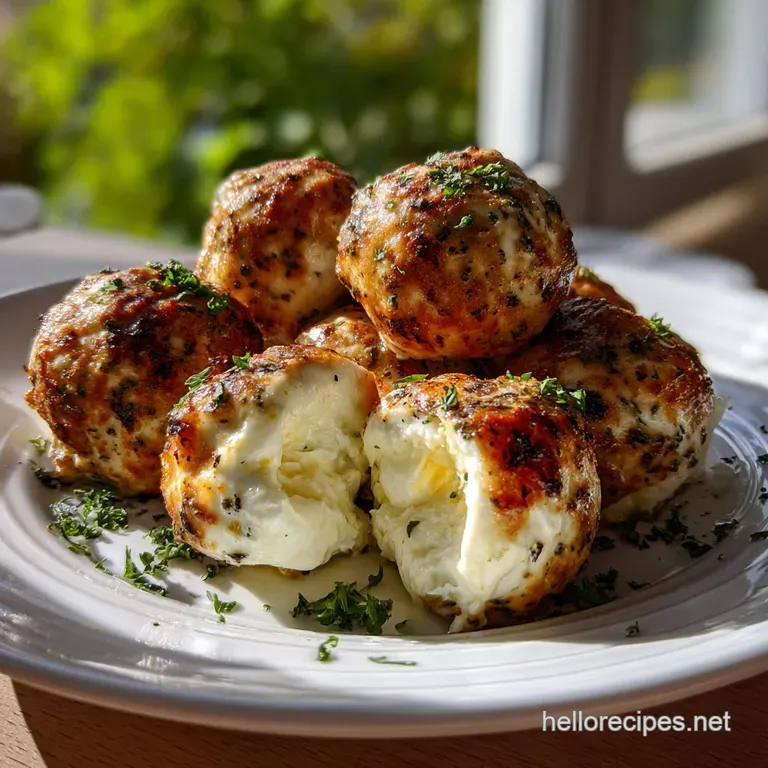
The Ultimate Mozzarella Stuffed Meatballs

- Effort/Time: 45 minutes total (Moderate effort)
- Flavor Hook: Savory, herb-flecked beef and pork with a hidden, velvety mozzarella center.
- Perfect for: Crowd-pleasing Sunday dinners or high-protein meal-prep.
- The Ultimate Mozzarella Stuffed Meatballs: A Masterclass in Texture and Flavor
- The Ultimate Mozzarella Stuffed Meatballs: Why This Recipe Works
- Essential Ingredients and Smart Substitutions
- The Science Behind Ground Beef (80/20)
- The Science Behind Panko and Milk (The Panade)
- Step-by-Step Instructions: Three Methods for Success
- Pro Tips to Avoid Common Cooking Mistakes
- Common Myths
- Creative Serving Suggestions for Every Occasion
- How to Store, Freeze, and Reheat Your Meatballs
- Recipe FAQs
- 📝 Recipe Card
The Ultimate Mozzarella Stuffed Meatballs: A Masterclass in Texture and Flavor
Why This Recipe Works: The Science of the Perfect Meatball
Ever bitten into a meatball only to find it dry enough to require a gallon of water? I’ve been there. My early attempts at mozzarella stuffed meatballs were either rubbery or resulted in a "cheese plosion" where the filling leaked out before it hit the plate.
This recipe works because it respects the physics of moisture retention and protein structure.
By using a panade a mixture of 1 cup Panko breadcrumbs and 0.5 cup whole milk we create a physical barrier that prevents the protein fibers in the 1 lb ground beef and 1 lb ground pork from knitting too tightly. If those proteins bond too closely, they squeeze out moisture like a wrung out sponge.
The milk soaked crumbs act as spacers, keeping the texture velvety.
The real magic happens during the sear. We are hunting for the Maillard reaction, a chemical fusion between amino acids and reducing sugars that creates hundreds of flavor compounds.
This mozzarella stuffed meatballs recipe ensures that while the outside is browning, the 8 oz low-moisture mozzarella inside is reaching its ideal melting point without overcooking the meat.
The Ultimate Mozzarella Stuffed Meatballs: Why This Recipe Works
Mozzarella stuffed meatballs are a culinary paradox; they must be firm enough to hold their shape but tender enough to melt in your mouth. This balance is achieved through specific scientific mechanisms.
- Capillary Action: The 1 cup Panko breadcrumbs act as tiny reservoirs, absorbing the 0.5 cup whole milk and the rendered fat from the 80/20 beef. This prevents the fat from simply leaking onto the pan.
- Protein Denaturation Control: Adding 2 large eggs provides a secondary protein structure that sets at a lower temperature than the meat, acting as a gentle glue that prevents the balls from falling apart.
- Thermal Insulation: The outer meat layer acts as an insulator for the 0.5 inch mozzarella cubes, ensuring the meat reaches a safe 165°F (74°C) just as the cheese reaches its maximum elasticity.
The Science of the Perfect Cheese Pull
The "pull" is all about the casein proteins in the mozzarella. In low-moisture mozzarella, these proteins are densely packed. When heat is applied, the calcium glue holding the casein together softens, allowing the proteins to slide past one another. This creates that iconic, stretchy ribbon of cheese.
Using fresh mozzarella (high moisture) often fails here because the excess water turns to steam, causing the meatball to rupture.
Achieving a Golden Crust with a Molten Center
To get that "shatter" on the crust, we rely on high thermal conductivity. Using a Lodge Cast Iron Skillet or a heavy rimmed Nordic Ware Baking Sheet ensures even heat distribution. If the surface is too cold, the meat steams instead of searing, leading to a grey, unappetizing exterior.
Why the Beef-to-Pork Ratio Matters for Texture
We use a 1:1 ratio of 1 lb ground beef to 1 lb ground pork. The beef provides the structural "umami" backbone and iron rich flavor. The pork, specifically Italian sausage if you prefer more spice, introduces a higher collagen content.
As collagen melts into gelatin during cooking, it coats the beef fibers, providing a mouthfeel that beef alone cannot achieve.
Essential Ingredients and Smart Substitutions
Choosing the right components for mozzarella stuffed meatballs is a game of chemistry. Every ingredient in the Schema list serves a structural or chemical purpose.
| Original Ingredient | Substitute | Why It Works |
|---|---|---|
| 1 cup Panko breadcrumbs | 1 cup Almond Flour | Moisture rich but creates a denser, grain free crumb. |
| 0.5 cup Whole Milk | 0.5 cup Heavy Cream | Increases fat content for an even more velvety texture. |
| 1 lb Ground Pork | 1 lb Ground Veal | Provides a more delicate flavor and higher gelatin content. |
| 0.5 cup Parmesan | 0.5 cup Pecorino Romano | Adds a sharper, saltier tang and higher acidity. |
| 4 cloves Garlic | 1 tsp Garlic Powder | More uniform distribution, though lacks the pungent enzymatic bite. |
Selecting the Best Cheese for Mozzarella Stuffed Meatballs
You need low-moisture, part skim mozzarella. Avoid the balls stored in water for this specific application. If you have extra cheese, you might enjoy learning How to Make Easy Mozzarella Fresh Slices in 30 Min: A Creamy Delight for a different texture profile. For these meatballs, the cubes must be firm to ensure they don't liquefy and leak through the meat seams.
Binder Options: Panko, Fresh Crumbs, or gluten-free
The binder is the most critical technical element. Kikkoman Panko is preferred over traditional breadcrumbs because its jagged surface area provides more "pockets" for the 0.5 cup whole milk to hide.
If you're looking for a softer, more "grandma style" meatball, fresh white bread soaked in milk is the move, but it makes the raw mixture harder to shape around the cheese.
Fresh Herbs vs. Dried Seasonings for Maximum Flavor
We use 0.25 cup fresh parsley for brightness and 1 tbsp Italian seasoning for deep, dried herb notes (oregano, thyme, rosemary). The dried herbs need the moisture from the 2 large eggs to rehydrate and release their volatile oils during the 20 minutes of cooking.
The Science Behind Ground Beef (80/20)
- What It Does
- Provides the primary protein structure and "beefy" flavor profile.
- The Chemistry
- Myoglobin and fat lipids undergo the Maillard reaction at temperatures above 285°F, creating complex flavor molecules.
- Why This Matters
- The 20% fat content ensures the meatball doesn't shrink into a dry, dense puck during the rendering process.
The Science Behind Panko and Milk (The Panade)
- What It Does
- Acts as a moisture retention system and structural spacer.
- The Chemistry
- Starch granules in the breadcrumbs undergo gelatinization, absorbing the milk and trapping it in a gel-like matrix.
- Why This Matters
- This prevents protein-to-protein bonding, ensuring a tender "fork cut" texture rather than a rubbery bounce.
step-by-step Instructions: Three Methods for Success
Proper Shaping to Ensure the Cheese Stays Sealed
- Hydrate the Binders. Combine 1 cup Panko and 0.5 cup whole milk in a Pyrex glass bowl. Note: This allows starch gelatinization to occur before the meat is added, preventing dry pockets.
- Incorporate Aromatics. Add 4 cloves minced garlic, 0.25 cup fresh parsley, 1 tbsp Italian seasoning, 1 tsp Diamond Crystal Kosher Salt, and 0.5 tsp black pepper. Note: Mixing seasonings into the panade first ensures even distribution without overworking the meat.
- Combine Proteins. Gently fold in 1 lb ground beef, 1 lb ground pork, 0.5 cup Parmesan, and 2 beaten eggs. Note: Use a light touch to avoid "smearing" the fat, which leads to a dense, tough meatball.
- Portion and Flatten. Use a large cookie scoop to portion the meat. Flatten into a disc. Note: Uniform sizing ensures consistent cooking times across the batch.
- Stuff and Seal. Place an 8 oz mozzarella cube (1/2 inch) in the center and pinch the meat around it. Note: A seamless seal is mandatory to prevent the cheese from escaping during thermal expansion.
Oven Baked Directions for a Classic Finish
Preheat your oven to 400°F (200°C). Arrange the mozzarella stuffed meatballs on a parchment lined Nordic Ware sheet pan. Bake for 18–22 minutes.
You’re looking for a deep golden brown and a sizzle that indicates the fat has rendered.
Using the Air Fryer for Maximum Crispiness
For mozzarella stuffed meatballs air fryer style, spray the basket with avocado oil. Arrange in a single layer. Cook at 375°F (190°C) for 10–12 minutes.
The rapid air circulation creates a "shatter crisp" exterior that an oven can't match.
Slow Cooker Guide for Tender, Sauce Simmered Results
If you want mozzarella stuffed meatballs crockpot style, you must sear them in a Lodge Cast Iron Skillet first. Place the seared balls into the slow cooker with 24 oz marinara sauce. Cook on Low for 4 hours. This method results in the most tender meat, though the cheese pull may be slightly less elastic due to the prolonged heat. For another slow cooked favorite, you might like Roo Ball Bonanza Kangaroo Meatballs with Plum Sauce.
Pro Tips to Avoid Common Cooking Mistakes
| Problem | Why It Happens | The Fix | Pro Protocol |
|---|---|---|---|
| Cheese Leaks | Weak seams or air pockets in the meat shell. | Roll the meatball between your palms for 10 seconds until perfectly smooth. | Use an Infrared Thermometer to ensure the pan is 375°F before searing. |
| Dry Meatballs | Over mixing or using lean meat (90/10). | Stick to 80/20 beef and do not skip the 0.5 cup milk panade. | Grate 1 tbsp of frozen butter into the meat mix for extra lubrication. |
| Falling Apart | Not enough binder or eggs were too small. | Ensure you use 2 Large eggs and allow the panade to sit for 5 mins. | Chill the shaped meatballs in the fridge for 20 mins before cooking to set the shape. |
Common Myths
Myth: You should use fresh, buffalo style mozzarella for the best taste. Truth: Fresh mozzarella has too much water content. As it heats, the water turns to steam, creating internal pressure that causes the stuffed mozzarella meatballs to explode.
Stick to low-moisture blocks.
Myth: Mixing the meat longer makes it smoother. Truth: Over mixing develops myosin (meat protein), which creates a rubbery, sausage like texture. Mix only until the ingredients are just combined.
Creative Serving Suggestions for Every Occasion
While mozzarella stuffed meatballs and spaghetti is the gold standard, there are other ways to enjoy these. Serve them as "sliders" on toasted brioche buns with a dollop of the 24 oz marinara sauce and extra Parmesan. If you're looking for a lighter alternative, try my Creamy Dreamy Delicious Chicken Ricotta Meatballs in Alfredo Sauce.
For a dinner party, serve these on a bed of creamy polenta. The "velvety" texture of the cornmeal complements the "molten" cheese center perfectly. If you're a fan of cheesy pasta, consider pairing these with My Family's Favorite Stuffed Shells with Ricotta Cheese: A Comfort Food Classic.
How to Store, Freeze, and Reheat Your Meatballs
Troubleshooting: Preventing Explosions and Leaking Cheese
If your cheese keeps escaping, your meat shell is likely too thin or has micro cracks. Ensure each of the 6 servings is portioned equally. When rolling, use a light "polishing" motion with your palms. If a crack appears, use a tiny bit of extra meat to patch it like a culinary mason.
The Best Side Dishes for Mozzarella Stuffed Meatballs
- Garlic Bread: Essential for mopping up the 24 oz marinara sauce.
- Arugula Salad: The peppery bite of the greens cuts through the fat of the 1 lb pork and beef blend.
- Roasted Broccoli: Use high heat to get charred edges, providing a bitter contrast to the rich cheese.
Freezing Tips for Quick Weeknight Meal Prep
You can freeze easy mozzarella stuffed meatballs either raw or cooked. Raw: Place shaped meatballs on a tray, freeze until solid, then transfer to a freezer bag. They last 3 months. Cooked: Allow to cool completely. Freeze in a single layer.
Reheat directly in simmering marinara sauce for 15–20 minutes.
How to Reheat While Maintaining Moisture
Never microwave these on high power; it turns the mozzarella into rubber and the meat into a brick. Instead, place them in a covered skillet with a splash of water or extra marinara. Heat on medium low for 10 minutes.
This creates a steam chamber effect that gently re-melts the cheese while keeping the meat succulent.
These mozzarella stuffed meatballs are a testament to how simple ingredients when treated with a bit of scientific respect can become something truly extraordinary.
Whether you choose the oven, air fryer, or slow cooker, that first bite into the molten center makes every second of prep worth it. Happy cooking!

Recipe FAQs
What is the best cheese for stuffing to achieve a good 'pull'?
Low-moisture mozzarella provides the necessary elasticity. High water content or very aged cheeses (like Parmesan) melt too fast or become greasy, inhibiting the classic stretch seen in dishes like the Foolproof Creamy Cheesy Spinach Stuffed Chicken Breast Recipe.
Can I use all ground beef for these meatballs?
No, a dual protein blend improves tenderness. Mixing beef with ground pork introduces necessary intramuscular fat, preventing the protein matrix from seizing up and becoming tough during cooking.
Why are my stuffed meatballs tearing when I try to form them?
The filling mixture temperature is too warm, weakening structural integrity. When the meat mixture is warm, the fat softens, making the exterior delicate and prone to splitting when the cold cheese core is inserted.
- Chill the meat mixture for 15 minutes
- Use lightly damp hands for shaping
- Do not overwork the exterior surface
Is it necessary to sear the meatballs before simmering them in sauce?
Searing creates essential flavor compounds. The Maillard reaction on the exterior beef proteins develops deep savory notes that enrich the final sauce, contrasting sharply with plain boiled meatballs found in simpler preparations like Spaghetti and Meatballs: Nonnas Tender, Slow Simmered Sunday Gravy.
Myth: Can I freeze the raw, stuffed meatballs?
Myth: Freezing raw stuffed meatballs ruins the cheese core texture. Reality: Freezing solidifies the structure, preventing the cheese from leaching out during the initial cooking phase, provided they are flash frozen first.
Should I use panko or regular breadcrumbs for the panade?
Panko breadcrumbs absorb more moisture without becoming mushy. Regular breadcrumbs often turn into paste when soaked in milk, leading to a denser, heavier meatball structure.
Myth: Does adding sugar guarantee moister meatballs?
Myth: Added sugar directly contributes to meatball moisture retention. Reality: Sugar primarily aids browning via caramelization; moisture retention relies heavily on the fat-to-lean ratio and the integrity of the panade.
Mozzarella Stuffed Meatballs

Ingredients:
Instructions:
Nutrition Facts:
| Calories | 612 kcal |
|---|---|
| Protein | 41.5 g |
| Fat | 39.7 g |
| Carbs | 17.8 g |
| Fiber | 1.3 g |
| Sugar | 6.5 g |
| Sodium | 1540 mg |
