The Ultimate Mediterranean Roasted Vegetable Salad with Feta
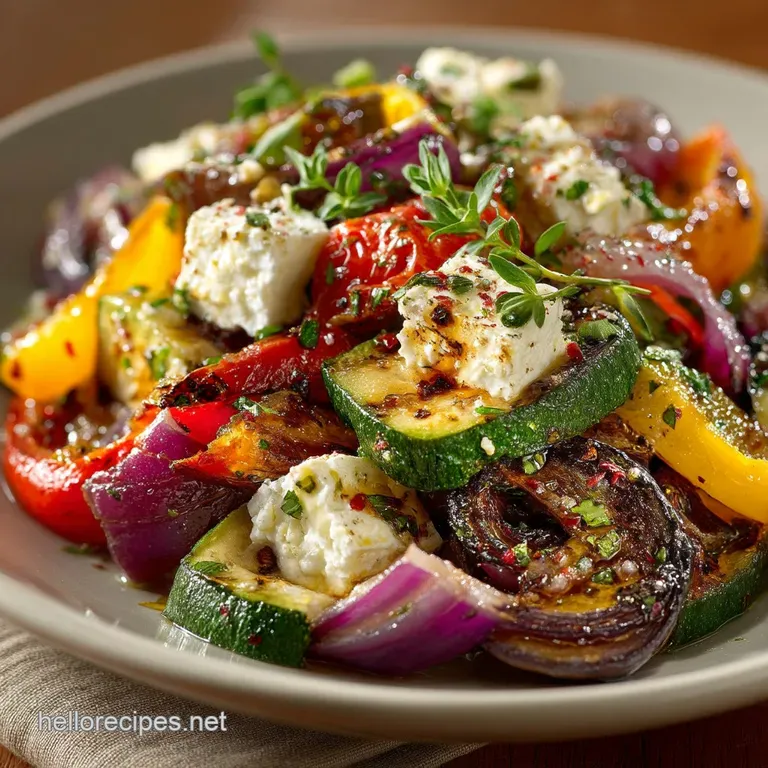
- Moving Beyond Boring Sides: Why This Roasted Vegetable Salad is the Main Event
- Gathering Your Produce: Essential Elements for the Mediterranean Roast
- Kitchen Gear Check: What You Need for Maximum Roasting Efficiency
- The Roasting Roadmap: Achieving Peak Flavor and Texture
- Final Assembly: Tossing, Dressing, and Serving the Salad
- Customizing Your Roast: Vegan, Seasonal, and Grain-Free Swaps
- Mastering Make-Ahead: Storage, Reheating, and Longevity Tips
- Recipe FAQs
- 📝 Recipe Card
Moving Beyond Boring Sides: Why This Roasted Vegetable Salad is the Main Event
In the world of home cooking, sides often play second fiddle, blandly accompanying the star protein. But this Roasted Vegetable Salad flips the script entirely. It transforms humble root vegetables and seasonal produce into a substantial, flavour packed main course that is equally satisfying whether served warm or at room temperature.
We are moving far beyond a simple weeknight staple and stepping into the realm of hearty, globally inspired cooking. This is a robust Mediterranean Roasted Vegetable Salad designed to showcase the inherent sweetness and complexity of high heat cooking, proving that Meatless Meals can be truly spectacular.
Capturing the Sweetness: The Science of Caramelization
The magic of this specific roasted vegetable salad recipe lies in the caramelization process, where the natural sugars in ingredients like sweet potato and carrots intensify under the oven’s powerful heat.
Roasting at a high temperature specifically 425° F ( 220° C) causes the outer layers to brown through the Maillard reaction, yielding a deep, earthy sweetness and a satisfying structural integrity that a raw salad simply cannot replicate.
This process is the key to creating textural contrast: crispy edges surrounding tender, yielding centers.
The Ultimate Hearty Roasted Vegetable Salad Experience
Unlike typical leafy salads that leave you hungry an hour later, this dish is intentionally substantial, built around dense vegetables, creamy feta, and nutrient rich nuts. Designed to provide four generous main course servings (or six side portions), this is a complete meal, perfectly aligned with principles of Mediterranean Diet Recipes .
The balance of slow release carbohydrates from the sweet potatoes, healthy fats from the olive oil and nuts, and protein from the feta makes this Healthy Roasted Vegetable Salad genuinely filling and highly nutritious.
Why Lemon Honey Vinaigrette is the Perfect Counterpoint to Roasting
Once vegetables are deeply roasted, their flavor profile shifts towards the savory and sweet. To achieve true balance, we need a punch of brightness. The proprietary roasted vegetable salad dressing recipe we use a zesty Lemon Honey Vinaigrette provides exactly that.
The sharp acidity of the fresh lemon juice cuts through the richness of the olive oil and the sweetness of the caramelized vegetables, while a touch of honey smooths the edges. This vibrant, emulsified dressing elevates the finished dish, ensuring every bite is dynamic and fresh.
Gathering Your Produce: Essential Elements for the Mediterranean Roast
To build the foundation of this impressive salad, you’ll need a selection of sturdy, colorful vegetables that can withstand high heat. Our preferred Mediterranean base includes 200g of peeled sweet potato, 250g of carrots, a large red onion cut into wedges, and lighter elements like 150g each of red bell pepper and courgette (zucchini).
This mix ensures a variety of textures and cooking times, resulting in a complex final flavor. For seasoning, we rely on fresh, fragrant herbs specifically chopped rosemary and thyme combined with extra virgin olive oil, sea salt, and black pepper for the initial toss.
Kitchen Gear Check: What You Need for Maximum Roasting Efficiency
Successful roasting hinges less on fancy gadgets and more on utilizing the right items correctly. The most critical piece of equipment for this recipe is not one, but two large, high rimmed baking trays. Using two trays is non-negotiable for achieving peak caramelization.
You will also need a quality chef’s knife and cutting board for the 20 minutes of active prep time, a large mixing bowl for seasoning, and a small jar or bowl and whisk specifically for emulsifying the dressing.
Selecting and Dicing: The Perfect Size for Uniform Cooking
Uniformity in dicing is the unspoken rule of perfect roasting. Because different vegetables cook at different speeds, sizing them correctly ensures they all become tender simultaneously. We recommend chopping all the sweet potatoes, carrots, peppers, and courgettes into roughly 1 inch (2.5 cm) cubes.
The denser root vegetables will benefit from this size, while the less dense courgette and pepper pieces will hold their shape without turning mushy.
Choosing the Best Feta Cheese and Fresh Herbs
The creamy, tangy component that defines the roasted vegetable salad with feta is, naturally, the cheese. For superior texture and flavor, always opt for block feta stored in brine, rather than pre-crumbled varieties, which tend to be dry.
This block should be crumbled by hand just before assembly for maximum moisture and impact. The herbs, fresh rosemary and thyme, are added directly to the vegetables during the oil toss, allowing their essential oils to infuse the vegetables as they roast.
Crafting the Zesty Dressing Base (No Need for Grains Here)
This recipe is intentionally designed to be filling without added grains, shifting the focus to the robust vegetables and the bright dressing. The foundation of the Lemon Honey Vinaigrette Recipe is simple: 3 tablespoons of fresh lemon juice, 1 tablespoon of runny honey (maple syrup can be substituted for vegan preparation), a small clove of minced garlic, and 1 teaspoon of Dijon mustard.
The Dijon is vital not just for flavor, but as a stabilizing agent to help the dressing emulsify smoothly.
The Secret to Crispy Veggies: Using Parchment and Sheet Pans
To ensure your vegetables roast and do not steam, proper pan usage is paramount. First, line both of your large baking trays with parchment paper for easy release and cleanup. Second, and most importantly, remember the "Do Not Crowd the Pan" rule.
By dividing the total vegetable mixture across two trays, you allow the circulating heat to hit the surface area of every single piece, guaranteeing that beautiful, sought after crispy exterior.
Related Recipes Worth Trying
- HoneyGlazed Roasted Carrots with Candied Pecans and Goat Cheese — An absolute cracker These HoneyGlazed Roasted Carrots with Candied Pecans and Goat Cheese are the perfect sophisticated side dish Sweet earthy and...
- Green Goddess Avocado Tuna Salad MayoFree Ready in a Jiffy — This easy Avocado Tuna Salad Recipe uses creamy avocado instead of mayo for a healthy vibrant twist Ready in 10 minutes its spot on for sandwiches or wraps
- Prep School Tuna Salad Easy 15Minute Gourmet Lunch Recipe — Ditch the mush This 15minute tuna salad recipe uses oilpacked fish crème fraîche and Dijon for a zesty flaky texture Perfect for healthy lunch recipes and...
The Roasting Roadmap: Achieving Peak Flavor and Texture
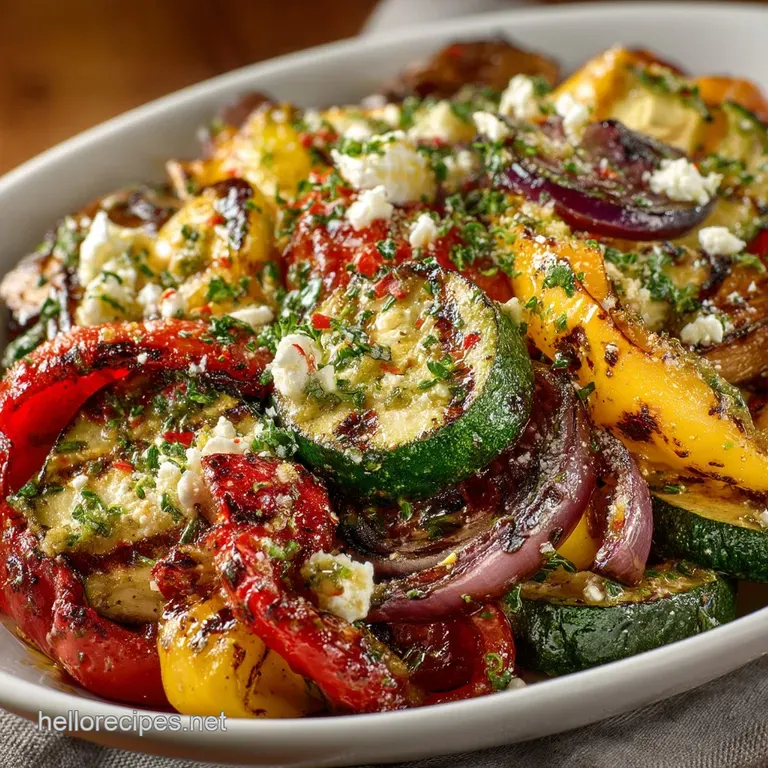
Achieving that perfect balance of tenderness inside and char outside requires adherence to specific temperatures and timing. We’ll be using an oven preheated to 220° C ( 425° F).
After 20 minutes of initial roasting, the vegetables must be flipped to ensure even browning. The total cook time is typically 35 to 40 minutes, followed by a mandatory 10-minute cooling period on the trays to allow the vegetables to set before assembly.
Final Assembly: Tossing, Dressing, and Serving the Salad
Once the roasting is complete and the dressing is emulsified, the final assembly is quick, ensuring the salad retains its structural integrity and warmth. The slightly cooled vegetables are combined with the fresh greens and dressing, topped with salty cheese and crunchy nuts, ready for presentation.
Prepping the Vegetables and Seasoning for Optimal Crispness
Begin by placing all the uniformly diced vegetables (sweet potato, carrots, onion, pepper, courgette) into a large mixing bowl. Drizzle with 3 tablespoons of olive oil, followed by the salt, pepper, and the fresh rosemary and thyme. Toss thoroughly by hand until every surface glistens faintly with oil.
Once coated, spread the mixture evenly between the two prepared baking trays, ensuring no vegetable pieces are overlapping significantly.
Mastering the Oven Temperature and Rotation Schedule
Place the two trays into the preheated 425° F ( 220° C) oven. Roast for the first 20 minutes without touching them. This allows a crust to form.
After 20 minutes, remove the trays and use a spatula to flip and redistribute the vegetables. Return them to the oven for another 15 to 20 minutes.
You’ll know they are done when the sweet potatoes are tender when pierced, and the edges of the carrots and onions are richly caramelized brown.
Emulsifying the Vinaigrette: Shake, Whisk, or Blend?
For the best results with your Lemon Honey Vinaigrette Recipe , start by whisking the lemon juice, honey, Dijon mustard, and minced garlic together in a small bowl or a tightly sealed jar.
Once thoroughly combined, slowly stream in the ¼ cup (60ml) of high-quality olive oil while whisking vigorously (or shaking the jar). This slow addition is key to proper emulsification, resulting in a slightly thickened, unified dressing rather than separated oil and acid.
Season with a final pinch of salt and pepper.
Presentation Matters: Layering the Warm Roasted Vegetable Salad
The presentation starts with the salad base: 85g of rocket (arugula). Place the rocket in the large serving bowl or platter. Gently spoon the slightly cooled (10-minute resting period is crucial) roasted vegetables over the greens.
Drizzle approximately three quarters of the prepared dressing over the top, then gently toss everything to coat the rocket and the vegetables without crushing the greens. Finish by generously scattering the hand crumbled feta cheese and the toasted walnuts or pecans over the top.
Serve the roasted vegetable salad with feta immediately while still warm.
Customizing Your Roast: Vegan, Seasonal, and Grain Free Swaps
The beauty of a Roasted Vegetable Salad is its inherent adaptability. It easily transitions across seasons and dietary needs without sacrificing flavor or heartiness.
For a richer winter flavour profile, swap the pepper and courgette for seasonal root vegetables like parsnips and cubes of butternut squash. If you desire a grain element, you can easily add 1 cup of cooked quinoa or farro during the final assembly stage for an even more robust meal.
Mastering make-ahead: Storage, Reheating, and Longevity Tips
While this salad is best when the vegetables are still slightly warm, careful preparation allows you to enjoy it efficiently throughout the week. Planning ahead can save you significant time without compromising on the fresh, vibrant taste.
Making it Plant Based: Swapping Feta for a Vegan Alternative
To transform this into a fully plant based Meatless Meals option, simply swap the runny honey in the dressing for pure maple syrup. For the final assembly, replace the feta cheese with a high-quality vegan cheese alternative, or use a generous sprinkling of toasted nutritional yeast for a cheesy, savory flavour.
Adapting the Recipe: Best Root Vegetables for a Fall Roasted Vegetable Salad
If you are preparing this during cooler months, focus on denser, heartier vegetables. Ideal swaps include replacing the bell pepper and courgette with Brussels sprouts (halved), cubed parsnips, or small florets of Romanesco or cauliflower.
These options boast a similar cooking time to the sweet potatoes and carrots, maintaining the structural harmony of the roasted vegetable salad recipe .
Protein Boosts: Ideas for Turning This Side into a Full Meal
If you are aiming to serve this as a centerpiece main course rather than a side, consider boosting the protein content significantly. Excellent pairings that complement the zesty dressing include marinated, pan-seared halloumi cheese (a vegetarian favourite), grilled chicken breast, or flaky white fish like cod or sea bass.
Alternatively, adding a can of drained and rinsed chickpeas to the roasting pan for the final 15 minutes adds a simple plant based protein hit.
Storage Secrets: How to Keep the Roasted Veggies from Getting Soggy
The key to long lasting leftovers is separation. Store the roasted vegetables in an airtight container in the refrigerator (up to 4 days) without the rocket or the dressing. Store the vinaigrette separately.
When ready to serve, reheat the vegetables briefly in the oven or air fryer until warm, then toss with fresh rocket, dressing, and the feta/nuts.
Decoding the Deliciousness: Nutritional Breakdown of the Dish
This Healthy Roasted Vegetable Salad provides substantial nutritional value, aligning perfectly with Mediterranean Diet Recipes . Based on the recipe yielding four main servings, each portion estimates between 480 and 520 calories, packing an impressive 8 grams of dietary fiber and 12 grams of protein.
While fat content is slightly higher due to the generous use of olive oil and feta, it is primarily from heart healthy monounsaturated fats, making this a satisfying and nourishing choice.
Recipe FAQs
Why are my roasted vegetables always a bit soggy? How do I get that perfect caramelisation?
Ah, the age-old problem! It’s usually down to overcrowding, old chap. If the vegetables are packed too tightly and touch on the tray, they release moisture and steam instead of roast. Make sure you use two baking trays to ensure a proper single layer, allowing the hot air to circulate freely.
Also, check your oven temperature it needs to be scorching hot (425°F/220°C) to facilitate browning, and remember to flip the vegetables halfway through to guarantee beautiful, crispy edges.
Can I prepare this ultimate Roasted Vegetable Salad ahead of time for a weekend gathering?
Absolutely, it’s a brilliant dish for making ahead, which is great if you're hosting. Roast the vegetables completely, allow them to cool fully, and store them in an airtight container in the fridge for up to four days.
Crucially, do not add the rocket, feta, or dressing until just before serving, otherwise, the greens will wilt, and you'll end up with a watery, sad mess. Whisk the dressing 30 minutes before serving to ensure the emulsification is holding up.
I can't eat dairy, is there a good substitute for the creamy feta in this recipe?
Not a bother! For a vegan or dairy-free option, substitute the block feta for creamy chunks of ripe avocado, which should be added right at the end of assembly. This gives you a lovely, buttery texture that mimics the richness of the cheese.
You can also use toasted sunflower or pumpkin seeds instead of the walnuts/pecans, which adds a salty, satisfying crunch while keeping the dish entirely dairy-free. Remember to swap the honey for maple syrup in the vinaigrette too!
Should this salad be served warm, cold, or at room temperature?
This Mediterranean style recipe truly shines when the vegetables are slightly warm or served at room temperature; this maintains the structure of the rocket and allows the flavour of the dressing to bloom beautifully.
Serving them straight out of a piping hot oven can shock the delicate rocket, causing it to wilt too quickly and turning the whole dish into a proper faff.
If you've stored the vegetables in the fridge, let them sit on the counter for 20 minutes before dressing and assembling, just to take the chill off.
This looks lovely, but how do I turn this side dish into a main course that’s truly filling?
To bulk it up and make it a substantial, stick-to-your ribs meal, think protein and grains. Simply roast a few chicken breasts or salmon fillets alongside the vegetables, or mix in 1 cup of cooked quinoa or pearl barley during the assembly for extra textural heft.
For a vegetarian main, pan-fried halloumi slices or a handful of marinated, drained chickpeas added to the bowl work a treat, turning this side into a proper Sunday spread.
Mediterranean Roasted Vegetable Salad
Ingredients:
Instructions:
Nutrition Facts:
| Calories | 3314 kcal |
|---|---|
| Protein | 13.7 g |
| Fat | 79.1 g |
| Carbs | 96.5 g |
| Fiber | 26.2 g |
| Sodium | 899 mg |
