Janets Rich Banana Bread: Moist and Velvety
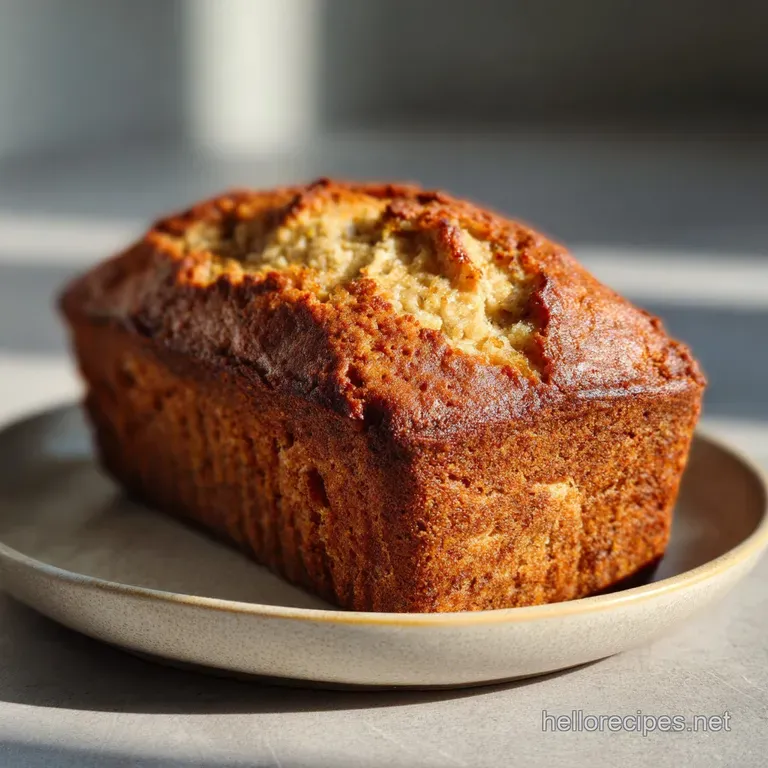
- Time: Active 15 minutes, Passive 60 minutes, Total 75 minutes
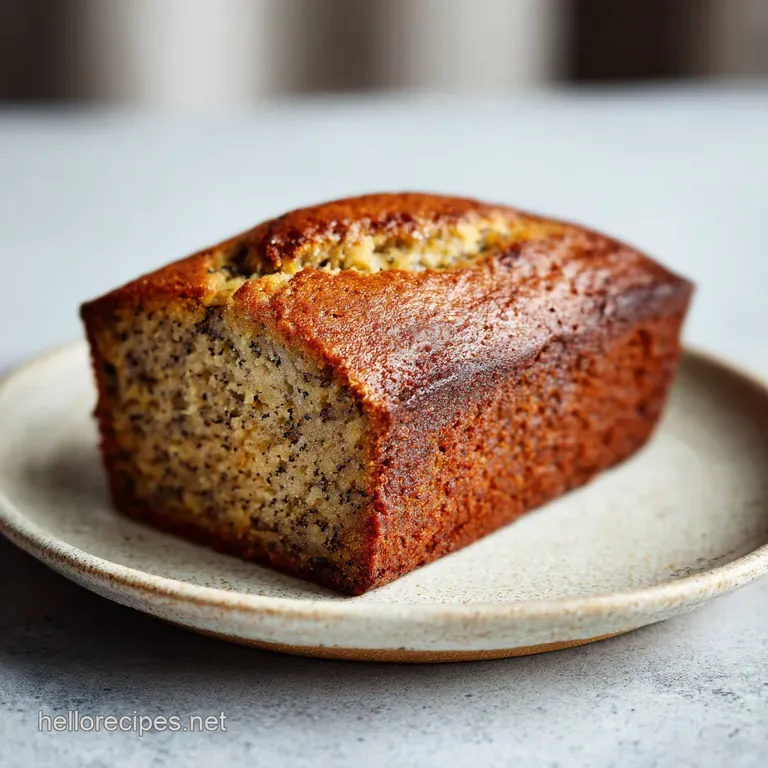
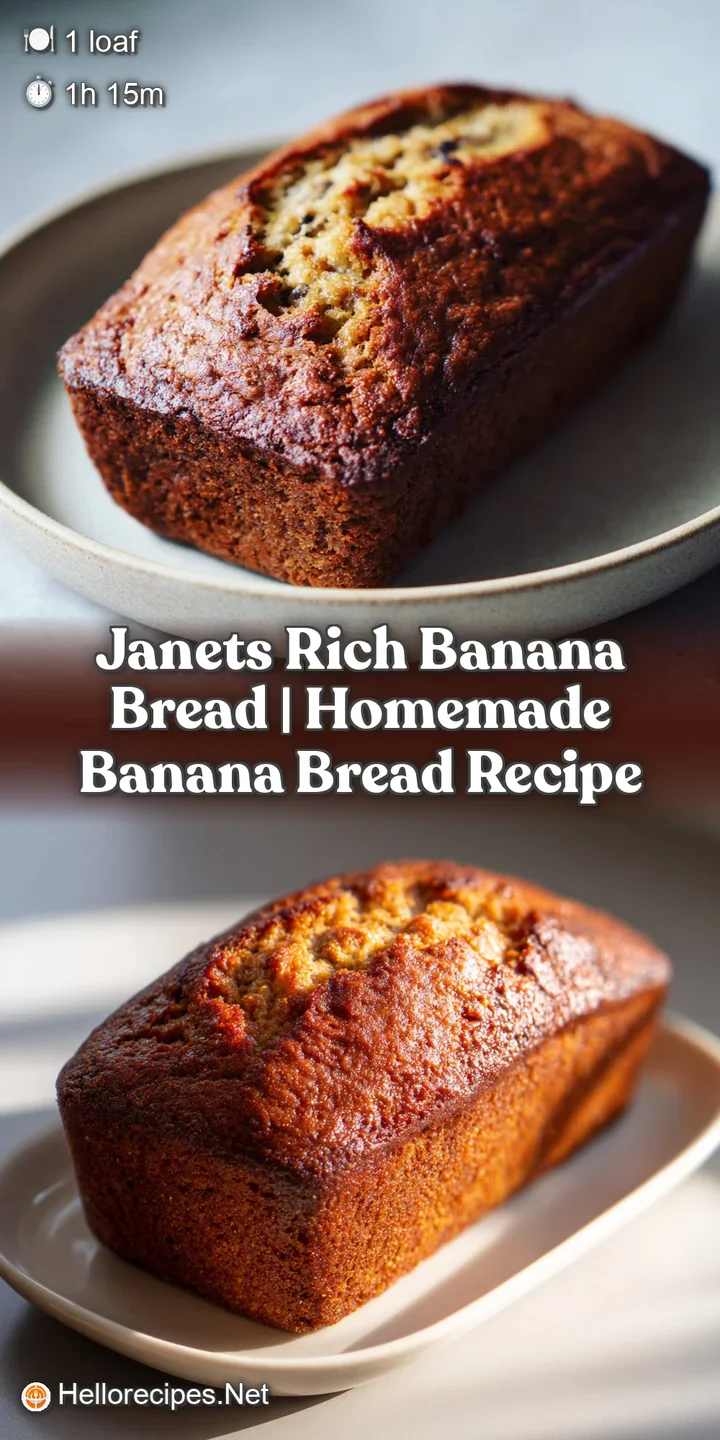
- Flavor/Texture Hook: A luscious, moisture heavy crumb with a golden, crackling crust.
- Perfect for: Weekend brunch, gifting to neighbors, or salvaging those black bananas on the counter.
- The Secret Behind Janets Rich Banana Bread
- Why This Specific Method Works
- Choosing Your Component Elements
- Essential Elements for Your Bake
- Mastering the Technique for Success
- Fixing Common Sogginess and Texture Issues
- Adjusting for Different Dietary Needs
- Keeping Every Slice Moist for Days
- Creative Ways to Plate Your Golden Loaf
- Debunking Common Kitchen Myths
- Recipe FAQs
- 📝 Recipe Card
The Secret Behind Janets Rich Banana Bread
Imagine walking into a kitchen where the air is heavy with the scent of toasted walnuts and warm vanilla. It is a rainy Tuesday morning, and you have got those three bananas sitting in the fruit bowl that look like they have seen better days completely speckled and practically weeping sugar.
Most people see a mess; you see the foundation for a masterpiece. This loaf is not the dry, cakey bread you find at coffee shop chains. It is something far more intentional, a recipe that feels like a hug in a 9x5 inch pan.
I remember making this for a neighborhood gathering last autumn. I was worried it would be too simple, but the moment I pulled it out of the oven, the aroma did all the talking. People were hovering before it even had a chance to cool.
The way the sour cream interacts with the brown sugar creates this deep, almost butterscotch like undertone that sets it apart. It is a vibrant take on a classic that turns humble ingredients into something that feels celebratory.
When you take that first bite, you get the crunch of the walnuts followed by a crumb so silky it almost melts. We are not just baking bread here; we are conducting a small orchestra of fats and sugars.
Whether you are serving this thick sliced with a smear of salted butter or enjoying it plain with a strong cup of coffee, this version of the classic is the only one you will ever need.
Why This Specific Method Works
Understanding why certain ingredients behave the way they do makes you a better cook, not just a recipe follower. This loaf is a study in moisture retention and structural integrity.
- Acid Base Balance: The lactic acid in the sour cream reacts with the baking soda to create immediate carbon dioxide bubbles, providing a lift that prevents the heavy mashed fruit from turning the loaf into a leaden brick.
- Lipid Mobility: Using vegetable oil instead of butter ensures the bread stays soft even when cold, as oil remains liquid at room temperature while butter solidifies and can make the crumb feel "tight."
- Hygroscopic Action: Light brown sugar contains molasses, which actively pulls moisture from the air, ensuring the loaf remains fudgy and damp for days after baking.
- Starch Suspension: The thick consistency of the sour cream helps hold the chopped walnuts in suspension, preventing them from sinking to the bottom of the pan during the first 20 minutes of the bake.
| Method | Time | Texture | Best For |
|---|---|---|---|
| Standard Oven | 60 minutes | Even crumb, golden crust | Traditional Sunday baking |
| Glass Loaf Pan | 65 minutes | Darker edges, very moist | Seeing the browning progress |
| Muffin Tin | 22 minutes | High crust to crumb ratio | Quick breakfasts or kids |
The choice of fats here is a deliberate move to prioritize texture over all else. While butter adds a wonderful flavor, the high water content can sometimes lead to a tougher gluten structure in quick breads.
By using oil and sour cream, we create a fat rich environment that coats the flour proteins, keeping them from linking up too tightly. This is what gives us that characteristic "shatter" on the top crust while keeping the inside feeling almost like a dense custard.
Choosing Your Component Elements
Selecting the right ingredients is the difference between a good loaf and a legendary one. Don't just grab whatever is in the pantry; look for these specific qualities to ensure your janets rich banana bread hits the mark every time.
| Ingredient | Science Role | Pro Secret |
|---|---|---|
| Overripe Bananas (375g) | Primary hydration and sugar source | The blacker the skin, the more complex the floral esters. |
| Full fat Sour Cream (120g) | Acidic leavening agent | Never use low-fat; the fat solids are vital for the velvety mouthfeel. |
| Light Brown Sugar (200g) | Sweetness and moisture | Pack it tight to ensure you get the full molasses hit. |
| All purpose Flour (190g) | Structural framework | Weigh it to avoid a "bread y" or dry texture. |
To get the most out of your fruit, ensure they are at the stage where they are soft to the touch. If you are in a rush, you can use the ripening hack mentioned in the instructions, but natural ripening on the counter always yields the best depth of flavor. For a fun twist, I sometimes swap a bit of the vanilla for a splash of rum, which pairs beautifully with the tropical notes of the banana. If you're looking for another way to use up extra fruit, my Banana Oatmeal Breakfast Bars recipe are a fantastic, fiber rich option for busy mornings.
Essential Elements for Your Bake
- 9x5 Inch Loaf Pan: This is the standard size. If you use an 8 inch pan, the batter might overflow, or the middle will remain raw while the outside burns.
- Large Mixing Bowl: You want plenty of room to whisk the wet ingredients vigorously to create a stable emulsion.
- Silicone Spatula: Crucial for the "gentle fold" technique. A spoon is too aggressive and will develop too much gluten.
- Sifter or Fine Mesh Strainer: Sifting the dry ingredients directly over the wet base prevents clumps of baking soda, which can leave bitter "hot spots" in your bread.
- Parchment Paper: Don't just grease the pan. Create a "sling" with parchment so you can lift the entire loaf out easily without risking the bottom sticking.
- Wire Cooling Rack: Essential for airflow. If the bread stays in the pan too long, the steam will turn the bottom crust soggy.
Mastering the Technique for Success
- Prep the Bananas. If your bananas aren't black, place unpeeled fruit on a baking sheet at 150°C for 15 minutes. Note: This heat bursts the starch cells and turns them into liquid sugar.
- Whisk the Base. Combine the 200g light brown sugar, 118ml vegetable oil, 2 eggs, and 120g sour cream. Whisk until the mixture is pale and looks like a thick syrup.
- Incorporate Aromatics. Stir in the 375g heavily mashed bananas and 2 tsp vanilla extract. Note: The aroma of the vanilla should immediately bloom as it hits the fat in the oil.
- Sift Dry Ingredients. Sift the 190g all purpose flour, 1 tsp baking soda, and 1/2 tsp sea salt directly into the bowl.
- The Gentle Fold. Use your spatula to fold the dry ingredients into the wet. Stop the moment you see the last streak of white disappear.
- Add the Crunch. Gently fold in the 60g of chopped walnuts. Note: Coating them in a pinch of flour first helps them stay suspended in the batter.
- Transfer to Pan. Pour the batter into your prepared 9x5 inch pan, smoothing the top with the back of a spoon.
- The Long Bake. Place in the center of the oven at 175°C for 60 to 65 minutes. Bake until the center feels springy and a tester comes out clean.
- The Scent Check. Around the 45 minute mark, your kitchen should smell intensely of toasted sugar and cooked fruit.
- Cooling Period. Let the loaf sit in the pan for 10 minutes before using the parchment sling to move it to a wire rack.
Fixing Common Sogginess and Texture Issues
One of the biggest heartbreaks in baking is slicing into a beautiful loaf only to find a gummy, undercooked center. This usually happens because the bananas were too large or the oven temperature was slightly off. Banana bread is incredibly dense, so it needs that full hour to set its structure.
Why Your Banana Bread Sunk
This usually happens due to over mixing. When you stir the batter too much, you develop gluten, which creates a strong but brittle structure. It rises quickly in the heat but then collapses under its own weight because the air bubbles were too large and weak.
Another culprit is old baking soda; if it's past its prime, it won't provide enough lift to support the heavy fruit.
| Problem | Root Cause | Solution |
|---|---|---|
| Burnt top, raw middle | Oven too hot or rack too high | Move to middle rack and tent with foil after 40 mins. |
| Greasy texture | Oil wasn't emulsified | Whisk sugar, oil, and eggs until pale before adding fruit. |
| Rubbery crumb | Over mixing the flour | Fold by hand only until flour streaks vanish. |
- ✓ Use a kitchen scale for the 375g of bananas; "3 bananas" can vary wildly in weight.
- ✓ Ensure your eggs and sour cream are at room temperature to prevent the oil from seizing.
- ✓ Don't skip the sifting; it ensures the baking soda is evenly distributed for a uniform rise.
- ✓ Check your oven with a thermometer; many home ovens run 10-15 degrees off.
- ✓ Let the bread cool completely at least 2 hours before slicing to allow the starches to set.
Adjusting for Different Dietary Needs
While this recipe is a classic, I often find myself tweaking it for friends with different requirements. If you're looking for a completely different profile, you might enjoy a Soft Springy gluten-free Bread, but for this specific janets rich banana bread, we can make some easy swaps.
| Original Ingredient | Substitute | Why It Works |
|---|---|---|
| Sour Cream (120g) | Full fat Greek Yogurt | Similar acidity and fat content. Note: Results in a slightly tangier flavor. |
| Vegetable Oil (118ml) | Melted Coconut Oil | Provides a subtle tropical aroma and similar moisture. |
| Walnuts (60g) | Dark Chocolate Chips | Swaps earthy crunch for melty sweetness best for dessert. |
If you want to go plant based, replace the eggs with two "flax eggs" (2 tablespoons ground flax mixed with 6 tablespoons water, let sit for 10 minutes) and use a vegan cashew based sour cream. The texture will be slightly denser, almost like a blondie, but the flavor remains incredible. For those who want a richer, more southern style treat, serving a slice of this bread alongside some Classic Banana Pudding is a total pro move for a dinner party.
Keeping Every Slice Moist for Days
Storage is where many people go wrong. If you leave this loaf out on a wooden board, it will dry out by the next morning. Because of the high moisture content from the sour cream and bananas, it is also prone to molding if kept in a very warm, humid environment.
- Fridge Storage: Wrap the cooled loaf tightly in plastic wrap or bees wax wrap. It will stay fresh for up to 5 days. I actually think it tastes better on day two!
- Freezing: This bread freezes beautifully. Slice it first, then place parchment paper between each slice before putting them in a freezer bag. It lasts for 3 months.
- Zero Waste Tip: If you have a few slices that have gone a bit stale, don't toss them. They make the most incredible French toast. The high sugar content means they caramelize beautifully in a pan with a little butter.
- Reheating: To get that "just baked" feel, toast a slice in a toaster oven for 3 minutes or zap it in the microwave for 15 seconds. It brings the fats back to life and softens the crumb.
Creative Ways to Plate Your Golden Loaf
This isn't just a snack; it can be the centerpiece of a vibrant spread. I love serving it warm with a dollop of whipped mascarpone and a drizzle of hot honey. The creamy cheese cuts through the richness of the bread, while the honey highlights the floral notes of the bananas.
For an afternoon tea approach, slice the loaf into thin fingers and serve with a selection of jams apricot or ginger preserves work particularly well. If you are feeling extra, you can even griddle the slices in a pan with a little bit of salted butter until the edges are crispy and "shatter" when you bite into them.
It creates a texture contrast that is absolutely addictive.
Chef's Tip: If you want a professional looking "split" down the middle of your loaf, dip a knife in melted butter and draw a shallow line down the center of the batter right before putting it in the oven. It directs the rise and gives you that perfect bakery aesthetic.
Debunking Common Kitchen Myths
There are a lot of old wives' tales about banana bread that just don't hold up under the heat of the oven. Let's clear a few things up so you can bake with confidence.
The "More Bananas is Always Better" Myth You might think adding five or six bananas will make the bread "extra moist," but in reality, it will just make it collapse. The ratio of fruit to flour is a delicate balance.
Too much fruit adds too much weight and moisture for the flour structure to hold up, resulting in a soggy, dense mess that never truly bakes through. Stick to the 375g measurement.
The "Butter is Better Than Oil" Myth In the world of cakes and quick breads, oil actually provides a superior mouthfeel. Butter is about 15-20% water, which can activate gluten and lead to a tougher loaf.
Oil is 100% fat, which means it does a better job of coating the flour and ensuring a tender, velvety crumb that doesn't go hard in the fridge.
The "Sifting Doesn't Matter" Myth Many people skip sifting because it feels like an extra step. However, baking soda has a tendency to clump. If those clumps don't get broken up, you'll end up with a loaf that has tiny, bitter green spots where the soda didn't react properly.
Sifting ensures every bite is consistent.
Whatever you do, don't rush the process. Let the aromas fill your home, wait for the loaf to cool properly, and enjoy the result of your patience. This janets rich banana bread is more than just a recipe it's a way to slow down and enjoy the simple, vibrant flavors of a well stocked kitchen.
Recipe FAQs
How to ripen bananas quickly for this recipe?
Place unpeeled bananas on a baking sheet at 300°F (150°C) for 15 minutes. Wait until the skins turn completely jet black to ensure the starches have converted into the concentrated sugars required for the loaf.
Can I tell if the bread is done by touch?
Yes, the top should feel springy and firm to the touch. If you enjoyed mastering this sensory doneness cue, apply the same logic to our spiced zucchini bread to ensure a perfect bake every time.
Is it true I should stir the batter until it is perfectly smooth?
No, this is a common misconception. You must gently fold the dry ingredients in just until no flour streaks remain, as over mixing will result in a tough, dense loaf rather than a tender crumb.
How to ensure the banana bread stays moist for days?
Store the loaf in an airtight container at room temperature. The inclusion of full fat sour cream and vegetable oil provides lasting moisture, keeping the crumb velvety for several days after baking.
How to achieve the signature caramelized flavor?
Use packed light brown sugar in the wet base. When whisked with vegetable oil, eggs, and sour cream, it creates a rich, butterscotch like undertone that defines this specific recipe.
Can I use a different pan size than 9x5 inches?
How to prevent the walnuts from sinking to the bottom?
Fold the chopped walnuts into the batter as the final step. Adding them right before pouring into the parchment lined pan helps keep them evenly distributed throughout the loaf during the baking process.
Janets Rich Banana Bread
Ingredients:
Instructions:
Nutrition Facts:
| Calories | 295 kcal |
|---|---|
| Protein | 4.0 g |
| Fat | 15.2 g |
| Carbs | 36.8 g |
| Fiber | 1.6 g |
| Sugar | 20.8 g |
| Sodium | 191 mg |
