Homemade Pesto Pasta: Silky and Vibrant
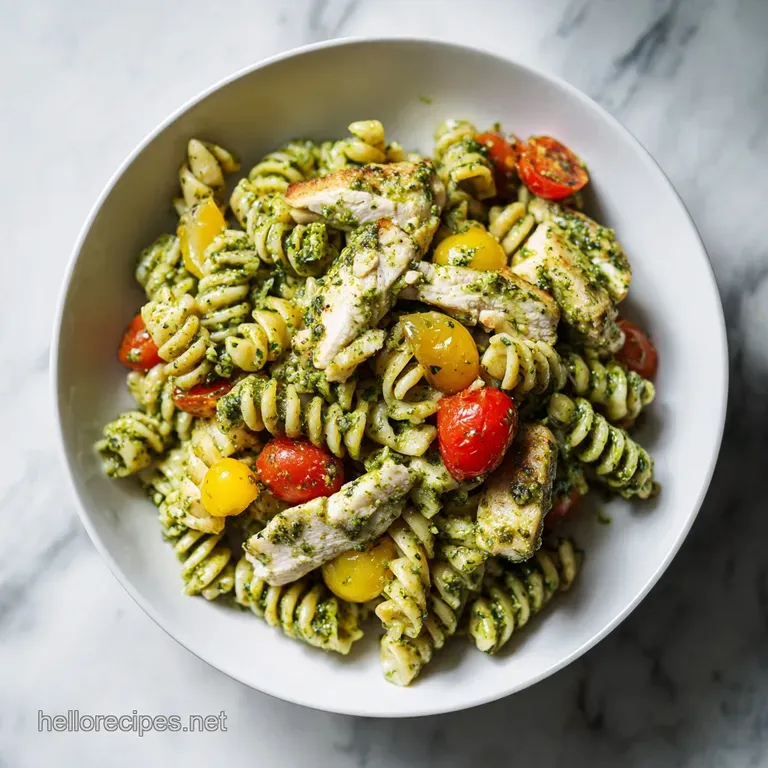
- Time: Active 10 minutes, Passive 10 minutes, Total 20 minutes
- Flavor/Texture Hook: Vibrant, herbaceous, and silky
- Perfect for: A quick weeknight dinner or an impressive summer date night
- How to Make Vibrant Pesto Pasta
- Why This Technique Succeeds
- Selecting Your Flavor Elements
- The Components of Flavor
- Tools for the Best Result
- Step by Step Process
- Fixing Common Kitchen Errors
- Scaling for Any Crowd
- Alternative Ingredient Choices
- Storage and Reheating Tips
- Best Ways to Serve
- Recipe FAQs
- 📝 Recipe Card
How to Make Vibrant Pesto Pasta
The smell of fresh basil always reminds me of my first tiny apartment kitchen. I didn’t have a food processor, so I spent an hour hacking away at leaves with a dull knife until my cutting board turned green and the air smelled like a Mediterranean garden.
It was messy, the "sauce" was chunky, and I definitely used enough garlic to ward off every vampire in a five mile radius. But when I tossed it with warm noodles, that first bite of Pesto Pasta changed how I viewed "fast food" forever.
Since then, I’ve learned that the secret isn’t just about the ingredients, it’s about the temperature and the timing. If you’ve ever ended up with a brown, oily mess, it’s likely because the basil got too hot or oxidized before it hit the plate.
We’re going to fix that today with a few tricks I’ve picked up along the way, ensuring your pasta stays as bright as a summer morning. This isn't just a meal; it's a way to bring a bit of plant based vibrancy into your rotation, even with the addition of some tender chicken for extra staying power.
We aren't just making a sauce; we are building layers of texture. From the crunch of the toasted pine nuts to the sharp saltiness of the Parmigiano Reggiano, every component has a job to do.
I’ve made this for picky toddlers and professional chefs alike, and the reaction is always the same a moment of silence followed by a very loud request for seconds. Trust me, once you nail the emulsion, you'll never look at a store-bought jar again.
Why This Technique Succeeds
- Enzymatic Control: Adding a splash of lemon juice lowers the pH, which helps stall the oxidation that turns basil from bright green to muddy brown.
- Emulsification Stability: Slowly drizzling the oil while blending creates a suspension of fat droplets within the basil water, resulting in a creamy rather than greasy mouthfeel.
- Thermal Protection: Tossing the pesto with the pasta off the heat prevents the delicate aromatic oils in the basil from evaporating and losing their punch.
| Cooking Method | Active Time | Resulting Texture | Best For |
|---|---|---|---|
| Traditional Stovetop | 10 minutes | Silky and fresh | Immediate serving |
| Oven Baked Finish | 15 minutes | Cheesy and crusty | Potlucks or leftovers |
| Cold Pasta Salad | 5 minutes | Sharp and zingy | Meal prep and picnics |
Choosing the right method depends on your mood. While the stovetop is my go to for that immediate "wow" factor, the cold version is a lifesaver for busy Tuesdays. If you're looking for something with a bit more weight, similar to the technique used in my Chicken Alfredo Penne Pasta recipe, focusing on a silky coating is key.
Selecting Your Flavor Elements
| Ingredient | Science Role | Pro Secret |
|---|---|---|
| Fresh Basil | Primary aromatic | Blanch for 5 seconds then ice shock to lock in a permanent neon green color. |
| Pine Nuts | Fatty binder | Toast them until just fragrant to release essential oils without becoming bitter. |
| Parmigiano Reggiano | Savory emulsifier | Use a microplane for a snow like texture that melts instantly into the sauce. |
| Extra Virgin Olive Oil | Liquid carrier | Use a mild, buttery oil so the peppery notes don't overwhelm the delicate basil. |
The Components of Flavor
- 2 cups fresh basil leaves: Why this? Provides the foundational herbaceous punch and vibrant color.
- Substitute: Baby spinach (adds color but less flavor) or flat leaf parsley.
- 1/2 cup extra virgin olive oil: Why this? Creates the luxurious, silky mouthfeel that coats every pasta strand.
- Substitute: Avocado oil for a more neutral, high fat alternative.
- 1/3 cup pine nuts: Why this? Adds a distinct buttery crunch and essential fats for the emulsion.
- Substitute: Toasted walnuts or slivered almonds work brilliantly and are more budget friendly.
- 2 medium garlic cloves: Why this? Offers a sharp, spicy aromatic base that balances the rich fats.
- Substitute: 1 tsp garlic confit for a milder, sweeter undertone.
- 1/2 cup freshly grated Parmigiano Reggiano: Why this? Provides the salt and "glue" that helps the sauce stick to the pasta.
- Substitute: Nutritional yeast for a plant based, cheesy hit.
- 1 lb dry pasta (Trofie or Penne): Why this? The shapes with ridges or twists are designed to trap the pesto.
- Substitute: gluten-free fusilli (choose a sturdy brown rice base).
- 1 lb chicken breast: Why this? Adds lean protein and a contrasting texture to the soft pasta.
- Substitute: Pan seared chickpeas or smoked tofu for a plant based fusion.
- 1 tsp fresh lemon juice: Why this? The acidity brightens the heavy fats and prevents browning.
- Substitute: A tiny splash of white wine vinegar.
Tools for the Best Result
You don't need a high end lab to make a great Pesto Pasta, but a few things make it easier. A food processor or high speed blender is the standard for a smooth sauce.
If you want to be traditional, a heavy mortar and pestle will give you a more rustic, varied texture that I personally love for weekend cooking.
Chef Tip: Chill your food processor blade in the freezer for 10 minutes before blending. This prevents the friction from heating up the basil, which keeps the sauce vibrant green rather than dull olive.
Beyond the blender, you’ll need a large pot for boiling the pasta and a wide skillet to sear the chicken. A microplane is also non negotiable for the cheese it creates a fluffy texture that integrates into the oil perfectly. If you are a fan of red sauces, you might want to compare this process to making my Marinara Sauce The recipe, where heat is actually your friend rather than your enemy.
step-by-step Process
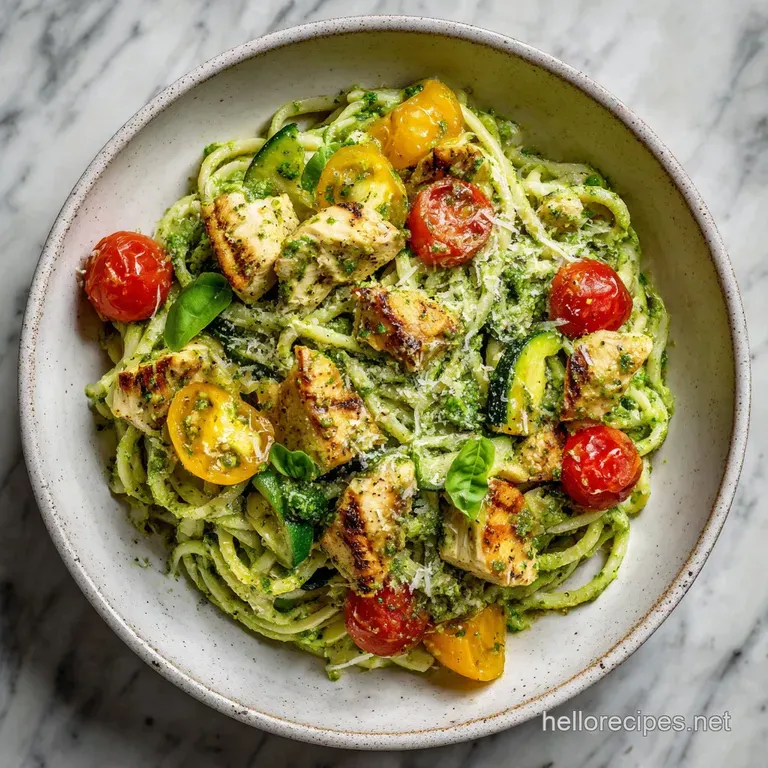
- Toast the nuts. Place 1/3 cup pine nuts in a dry pan over medium heat. Cook 3 minutes until golden and smelling like toasted butter.
- Prep the aromatics. Pulse the 2 cloves of garlic and toasted pine nuts in the processor. Process until they form a coarse, sandy texture.
- Add the greens. Stuff 2 cups of basil leaves into the bowl along with 1 tsp sea salt and 0.5 tsp pepper. Note: Packing the basil ensures you get a concentrated flavor.
- Emulsify the oil. With the motor running, slowly pour in 1/2 cup extra virgin olive oil. Watch for the mixture to become a glossy, thick liquid.
- Finish the pesto. Fold in 1/2 cup Parmigiano Reggiano and 1 tsp lemon juice. Pulse twice just to combine everything.
- Sizzle the chicken. Sear 1 lb chicken strips in a hot skillet with a touch of oil. Cook 6 minutes until the edges are golden and the center is opaque.
- Boil the pasta. Cook 1 lb of pasta in heavily salted water. Drain when the center still has a tiny firm bite (al dente).
- Save the water. Scoop out 1/2 cup of the starchy pasta water before draining. Note: This is the secret to a sauce that isn't greasy.
- The off heat toss. Combine the pasta, chicken, and pesto in a large bowl away from the stove. Stir vigorously while adding splashes of pasta water until the sauce is velvety.
- Serve immediately. Garnish with extra cheese and a crack of fresh pepper. Ensure the pasta is fully coated and glistening.
Fixing Common Kitchen Errors
Why Your Pesto Turned Brown
The most common heartbreak in the kitchen is watching your beautiful green sauce turn a sad shade of khaki. This happens because of oxidation (exposure to air) or excessive heat. Basil is incredibly sensitive; if you boil the pesto or toss it into a screaming hot pan, the chlorophyll breaks down instantly.
| Problem | Root Cause | Solution |
|---|---|---|
| Greasy, separated sauce | Added pesto to a hot pan | Always toss pesto with pasta in a separate bowl off the heat. |
| Bitter aftertaste | Low quality oil or burnt nuts | Use "light" olive oil if your EVOO is too peppery; never leave nuts unattended while toasting. |
| Sauce won't stick | Pasta was too dry | Add reserved pasta water one tablespoon at a time to create a creamy bind. |
Common Mistakes Checklist
- ✓ Never cook the pesto sauce on the stove; the heat kills the fresh basil flavor.
- ✓ Don't forget to salt the pasta water until it tastes like the sea; the pasta needs to be seasoned from the inside.
- ✓ Avoid using pre grated cheese from a green can; the cellulose prevents it from melting smoothly.
- ✓ Always pat the chicken dry before searing to get a proper golden crust rather than steaming it.
- ✓ Use a cold bowl for mixing if your kitchen is particularly hot.
Scaling for Any Crowd
When cutting this recipe in half, it’s pretty straightforward. Just remember that small amounts of pesto can be hard to blend in a large food processor. If you're making a half batch, you might find a mini chopper or a mortar and pestle works better to ensure the blades actually catch the ingredients.
Scaling up is where things get interesting. If you’re doubling the recipe for a party, don't double the garlic immediately. Garlic has a way of becoming exponentially more "loud" in large batches. Start with 3 cloves for a double batch and taste as you go.
For the pasta, you’ll need to work in batches when tossing to ensure every noodle gets its fair share of green gold. Reduce the extra oil slightly (by about 10%) as larger volumes of pesto tend to hold their moisture better.
Alternative Ingredient Choices
If you're looking to mix things up, the beauty of this dish is its flexibility. I often swap the chicken for roasted chickpeas when I want a plant based fusion feel. The crunch of the chickpeas mimics the pine nuts while adding a different kind of earthy depth.
| Original Ingredient | Substitute | Why It Works |
|---|---|---|
| Pine Nuts | Walnuts | Similar fat content but earthier. Note: Toast them well to remove any tannic bitterness. |
| Parmigiano | Nutritional Yeast | Provides a savory, nutty flavor. Note: Best for vegan adaptations; use half the volume. |
| Chicken Breast | Smoked Tofu | High protein with a firm texture. Note: Adds a subtle smoky layer that pairs well with basil. |
For those who need a lower carb option, swapping the pasta for zoodles (zucchini noodles) is a classic move. Just be sure to salt the zoodles and let them sit for 10 minutes to drain the excess water, or your pesto will turn into a watery soup.
Storage and Reheating Tips
Storing Pesto Pasta requires a bit of strategy to keep it fresh. In the fridge, it will stay good for about 3 days. The trick is to press a piece of plastic wrap directly onto the surface of the pasta to keep air out.
If you have extra pesto sauce (not yet mixed with pasta), put it in a jar and pour a thin layer of olive oil over the top to "seal" it from the air.
Freezing the fully assembled pasta isn't ideal as the noodles can become mushy, but you can absolutely freeze the pesto sauce in ice cube trays. Once frozen, pop them into a bag. They’ll last for 3 months and are perfect for dropping into a hot bowl of soup or a fresh batch of pasta later.
To reheat leftovers, avoid the microwave if possible. Instead, add a splash of water to a pan over very low heat, toss in the pasta, and stir just until it’s warm.
Zero Waste Tip: Don't throw away those basil stems! While they are too woody for the pesto itself, you can toss them into a pot of simmering Pasta e Fagioli recipe for an extra hit of herbal fragrance.
Best Ways to Serve
Presentation is everything with a dish this vibrant. I love serving this in wide, shallow bowls to show off the colors. A final sprinkle of lemon zest right before serving adds a high note of fragrance that hits you before you even take a bite. It cuts through the richness of the pine nuts and cheese beautifully.
If you want to go full "bistro style," top the dish with a few whole, small basil leaves and a drizzle of your very best olive oil. I also like to serve this alongside a simple tomato and burrata salad. The creaminess of the burrata against the punchy pesto is a match made in heaven.
If you're feeling adventurous, a few red pepper flakes can add a heat layer that contrasts the cooling herb flavors.
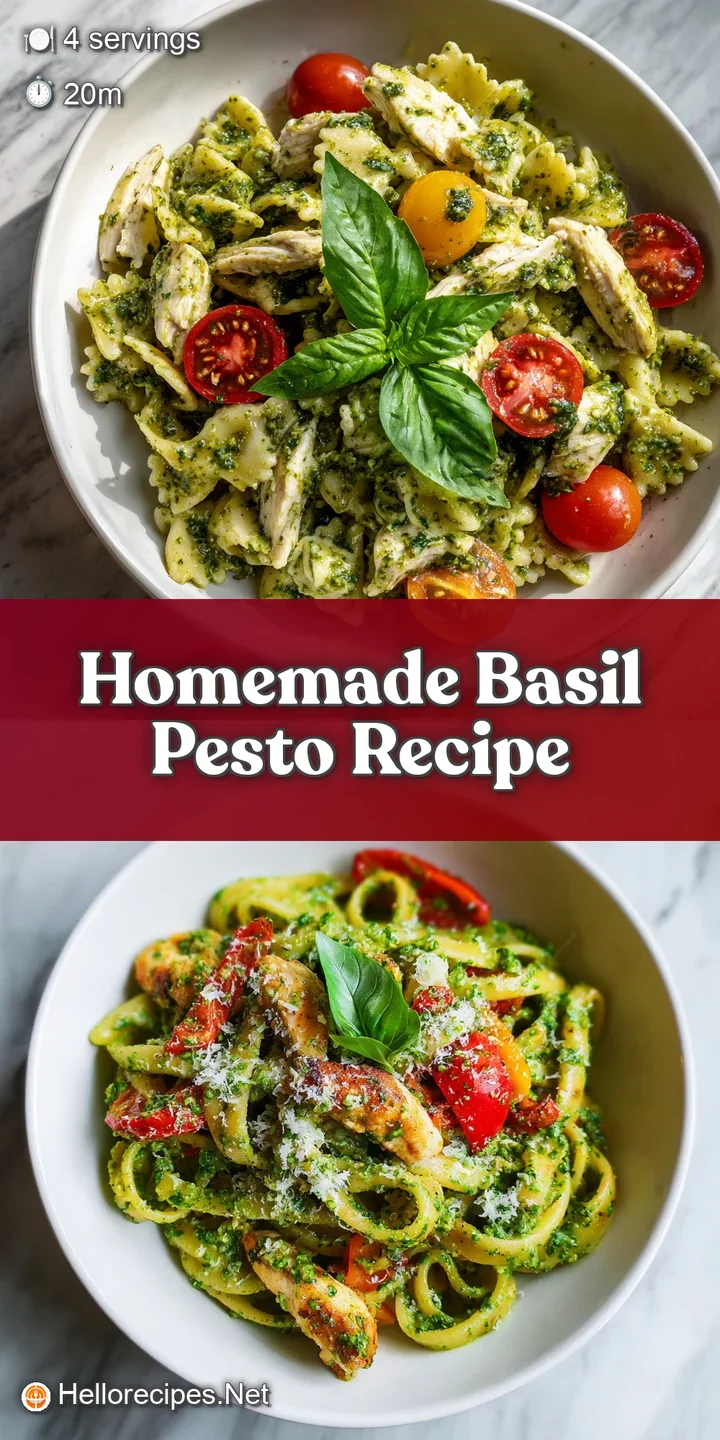
- For a bold finish: Add a handful of halved cherry tomatoes for a burst of sweetness.
- For extra crunch: Sprinkle toasted breadcrumbs (pangrattato) over the top.
- The perfect pairing: A crisp, cold Pinot Grigio or a sparkling lemon water with mint.
Recipe FAQs
What do you put in pesto pasta?
Pasta, pesto sauce, and often protein. Classic pesto requires basil, pine nuts, garlic, Parmesan, olive oil, and salt, which you then toss with cooked pasta.
Do you just add a jar of pesto to pasta?
No, use caution if using jarred pesto. Stirring jarred pesto directly into drained pasta results in a dry, sticky mess; always emulsify it first with a splash of starchy pasta water to create a creamy coating.
Can you just stir pesto into pasta?
No, you must emulsify it with starchy water. Simply stirring pesto onto hot pasta coats it thinly and often results in an oily texture; adding reserved pasta water creates a stable sauce that clings properly to the noodles.
What goes well with pesto pasta?
Protein like shrimp or grilled chicken pairs well, along with fresh acidity. Try adding seared shrimp for a quick meal, similar to a Foolproof 30Minute Shrimp recipe, or a side of grilled asparagus.
Is it true you must use only fresh basil for authentic pesto?
No, this is a common misconception, though fresh is highly recommended. While dried basil lacks the essential oils, you can substitute some of the basil with spinach for color preservation, as detailed in the How to Make recipe.
How to prevent pesto pasta from turning brown?
Toss the pesto with the pasta off the heat source. The high heat of a direct burner causes the delicate chlorophyll in the basil to oxidize quickly, turning the sauce from bright green to dull brown.
How to make the pesto sauce more robust if I use walnuts instead of pine nuts?
Toast the walnuts thoroughly and increase the garlic slightly. Walnuts have a more assertive, earthy flavor than pine nuts, so ensuring they are toasted until fragrant helps bring out their oils, similar to the technique in our & Rustic pesto recipe.
Homemade Pesto Pasta
Ingredients:
Instructions:
Nutrition Facts:
| Calories | 927 kcal |
|---|---|
| Protein | 45.9 g |
| Fat | 42.6 g |
| Carbs | 88 g |
| Fiber | 4.2 g |
| Sugar | 3.1 g |
| Sodium | 680 mg |
