Grilled Beef Tenderloin: Herb Crusted Masterpiece
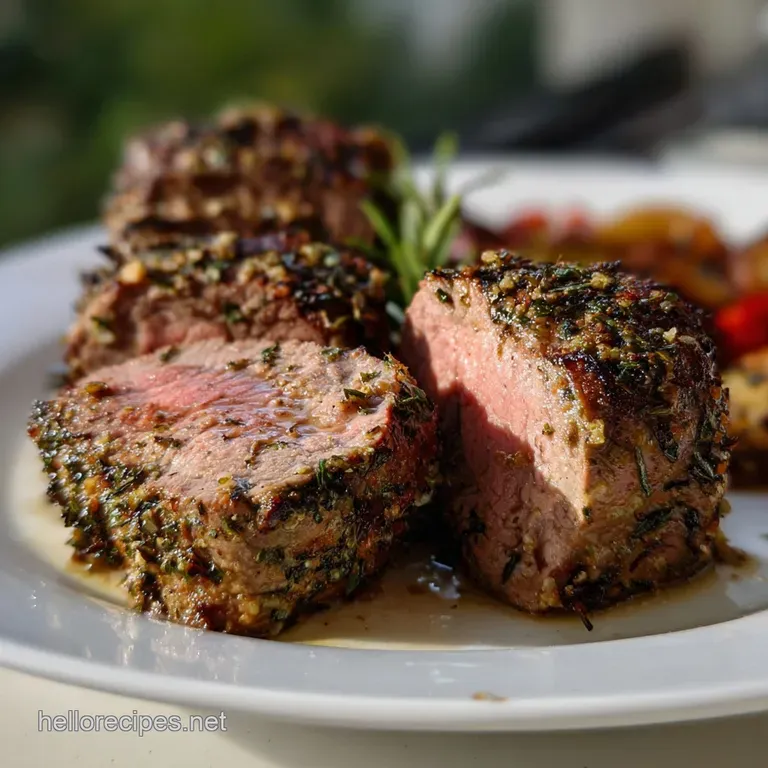
- Mastering the Grill: The Ultimate Grilled Beef Tenderloin Recipe
- Why This Works: The Science Behind the Perfect Herb Crust and Medium-Rare Finish
- Key Ingredients and Smart Substitutions for the Herb Crust
- How to Grill Beef Tenderloin: Step-by-Step Guide
- Pro Tips and Common Mistakes to Avoid
- Storage and Handling: Keeping Leftover Tenderloin Fresh
- Recipe FAQs
- 📝 Recipe Card
Mastering the Grill: The Ultimate Grilled Beef Tenderloin Recipe
The moment that fat hits the hot grates? That aggressive, high pitched sizzle ? That’s the sound of magic starting. If you’ve ever tried to tackle a whole Grilled Beef Tenderloin and ended up with a gorgeous, dark crust but a dry, gray interior, trust me you are not alone.
I’ve wasted good money on tough roasts enough times to know the pain.
But I figured out the secret. It’s not about luck or fancy equipment; it’s about control. This recipe for Grilled Beef Tenderloin uses a simple, scientific technique (two-zone grilling!) to guarantee a stunning herb crust and an unbelievably velvety, medium rare center every single time.
Seriously, we’re achieving restaurant quality without the stress. This is one of the best beef dishes you can make, and you’re going to nail it.
Forget the intimidating price tag. I’m going to walk you through the prep, the heat management, and the crucial resting stage, ensuring your Grilled Beef Tenderloin is the tender, juicy centerpiece it deserves to be. If you prefer roasting over grilling, you might also be interested in my guide on Oven Beef Tenderloin: Herb Crusted Perfection Medium Rare .
Why This Works: The Science Behind the Perfect Herb Crust and Medium Rare Finish
Understanding the Critical Two-Zone Grilling Method
The single most important concept when cooking thick cuts like a full Beef Tenderloin is the two-zone method. Why? Because the meat is too thick for high heat alone. If you try to cook it all over high heat, the outside will burn to charcoal before the center reaches medium rare.
We use the direct heat zone (the inferno) for a lightning fast sear to build flavor, and then we immediately move the roast to the indirect heat zone (the gentle oven) to finish cooking gradually and evenly.
This stops the exterior from incinerating while the interior slowly rises to the desired grilled beef tenderloin temperature .
Achieving the Maillard Reaction for Maximum Flavor
That deep, dark, savory crust we obsess over? That's the Maillard reaction. For the reaction to happen efficiently, the surface of the meat must be completely dry and the heat must be screaming hot (450°F+).
The herb crust also plays a key role here; when the amino acids in the beef meet the high heat, the herbs toast, shatter, and create a wonderfully aromatic barrier that traps the juices inside. This initial blast of heat is what sets this Seared Beef Tenderloin apart.
The Role of Resting Time in Juiciness Retention
This is the hill I will die on. You must rest the beef. When meat is exposed to heat, the muscle fibers contract and squeeze all the internal moisture to the center. If you slice it immediately, all that flavorful juice runs out onto the cutting board.
Resting for 10– 15 minutes allows those muscle fibers to relax, draw the moisture back out from the center, and redistribute it evenly throughout the roast. This guarantees a truly juicy, succulent result.
Key Ingredients and Smart Substitutions for the Herb Crust
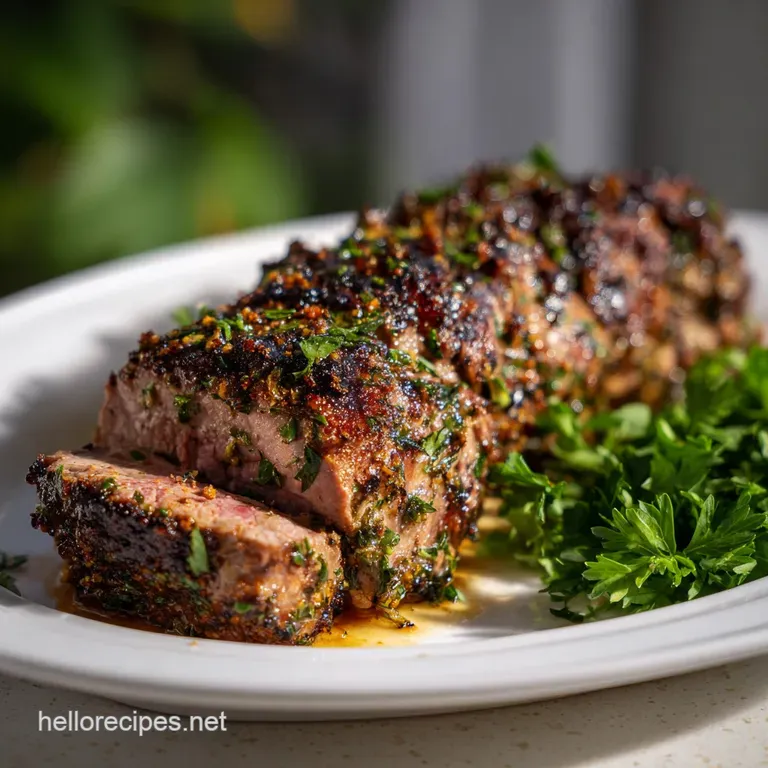
To make the best Grilled Beef Tenderloin , start with quality ingredients. I always choose the center cut roast it's the most uniform and easiest to cook evenly.
Ingredient Swaps for Dietary Needs
| Ingredient | Why We Use It | Smart Substitute/Swap |
|---|---|---|
| Beef Tenderloin (Center Cut) | Highest quality, most tender cut. | Use thick cut Filet Mignon steaks (adjust cook time down) or a thick Sirloin Roast (increase sear time). |
| Olive Oil | Helps the crust adhere and adds flavor. | Avocado oil or grapeseed oil (if you need a higher smoke point for searing). |
| Dried Rosemary/Thyme | Classic, savory aromatics. | Skip the dried herbs and substitute 2 Tbsp of finely chopped fresh parsley and chives for a brighter, fresher finish. |
| Coarse Salt (Kosher) | Better flavor and adhesion than fine salt. | Fine sea salt (use 25% less, as it’s denser) or flaky smoked salt for a subtle BBQ twist. |
How to Grill Beef Tenderloin: step-by-step Guide
This method works for charcoal or gas grills. Just focus on heat zones! These grilled beef tenderloin tips will ensure success.
1. Prep: Pat, Rub, and Tie the Roast
Pat the entire Beef Tenderloin bone dry with paper towels. Seriously, this step is essential for that perfect sear. If the meat is wet, it steams instead of sears. Mix your olive oil and the herb crust ingredients (salt, pepper, rosemary, thyme, garlic powder).
Generously coat the entire roast, pressing the rub firmly onto the meat. If your roast is tapered, tie it with butcher’s twine at 1 inch intervals. This ensures uniform thickness for even cooking like tucking in a baby for a nap!
2. Setting Up Your Grill for Two-Zone Cooking
For gas: Turn one side of the burners up to high and leave the other side off. For charcoal: Pile all the hot coals tightly onto one side of the grill. You want the direct side screaming hot (450°F+) and the indirect side to be relatively gentle (around 275 300°F).
3. Sear, Cook, and Temperature Monitoring
Place the herb crusted Grilled Beef Tenderloin directly over the high, direct heat. You should hear an immediate, fierce sizzle . Sear for 2– 3 minutes per side until you achieve a dark, beautiful crust.
Immediately move the roast to the cool (indirect) zone. Close the lid and let it cook. This is where the magic happens. Start checking the internal temperature every 5– 8 minutes using your instant read thermometer, inserting it into the thickest part of the roast.
We are aiming for 130°F for perfect medium rare.
4. Finishing and The Crucial Rest
When the internal temperature is about 5 degrees below your target (around 125°F for medium rare), place the cold butter pats over the top. This bastes the roast as the butter melts. Remove the Grilled Beef Tenderloin from the heat immediately when it hits the target. Place it on a clean cutting board and tent it loosely with foil. Let it rest for 10– 15 minutes. While it rests, consider making a batch of my rich Au Jus: The Best Roast Beef Au Jus Gravy Recipe to drizzle over the slices!
5. Slice Against the Grain for Maximum Tenderness
Once rested, remove the twine. Locate the grain (the direction the muscle fibers run) and slice against it. This shortens the fibers, making the slices feel incredibly tender and juicy in your mouth. Serve immediately and watch everyone request seconds of this perfect beef tenderloin.
Pro Tips and Common Mistakes to Avoid
| Pitfall/Mistake | Why It Happens | The Fix (Grilled Beef Tenderloin Tips) |
|---|---|---|
| Gray Ring/Dry Exterior | Cooking over direct heat for too long or skipping the two-zone method. | Ensure the searing phase is very fast (2 3 min per side) and the indirect zone is moderate (under 300°F). |
| Juices Run Out | Slicing the beef immediately after grilling. | You absolutely must rest the meat for a minimum of 10 minutes. Use this time to finish side dishes. |
| Uneven Doneness | Roast was tapered or shaped irregularly. | Tie the roast with butcher’s twine before applying the rub to ensure a uniform cylinder. This is crucial for achieving an even grilled beef tenderloin temperature . |
| Rub Burns/Turns Bitter | Herbs are too finely ground or heat is too high in the indirect zone. | Use coarse ground herbs and keep the indirect zone low and gentle. Alternatively, add the dried herbs in the last 10 minutes of cooking. |
Storage and Handling: Keeping Leftover Tenderloin Fresh
It's rare to have leftovers of the Grilled Beef Tenderloin , but if you do, handle them correctly to preserve the texture!
Safe Refrigeration Guidelines
Cool any leftovers quickly and store them in an airtight container. Sliced or whole, the cooked Beef Tenderloin is safe to store in the refrigerator for 3 4 days.
Freezing Cooked Beef Tenderloin
Freezing is best if you plan to use the leftover slices in soups or stews later. Wrap the cold, sliced tenderloin tightly in plastic wrap, then place it inside a freezer safe bag, pressing out all the air. It maintains quality for up to 3 months.
Reheating Leftovers Without Drying Them Out
Never reheat the leftover Grilled Beef Tenderloin in the microwave it turns beautiful meat into shoe leather. To gently reheat, wrap the slices in foil with a tiny splash of beef broth or water, and place them in a 250°F (120°C) oven until just warmed through (about 10– 15 minutes).
The steam created by the liquid keeps the meat moist.
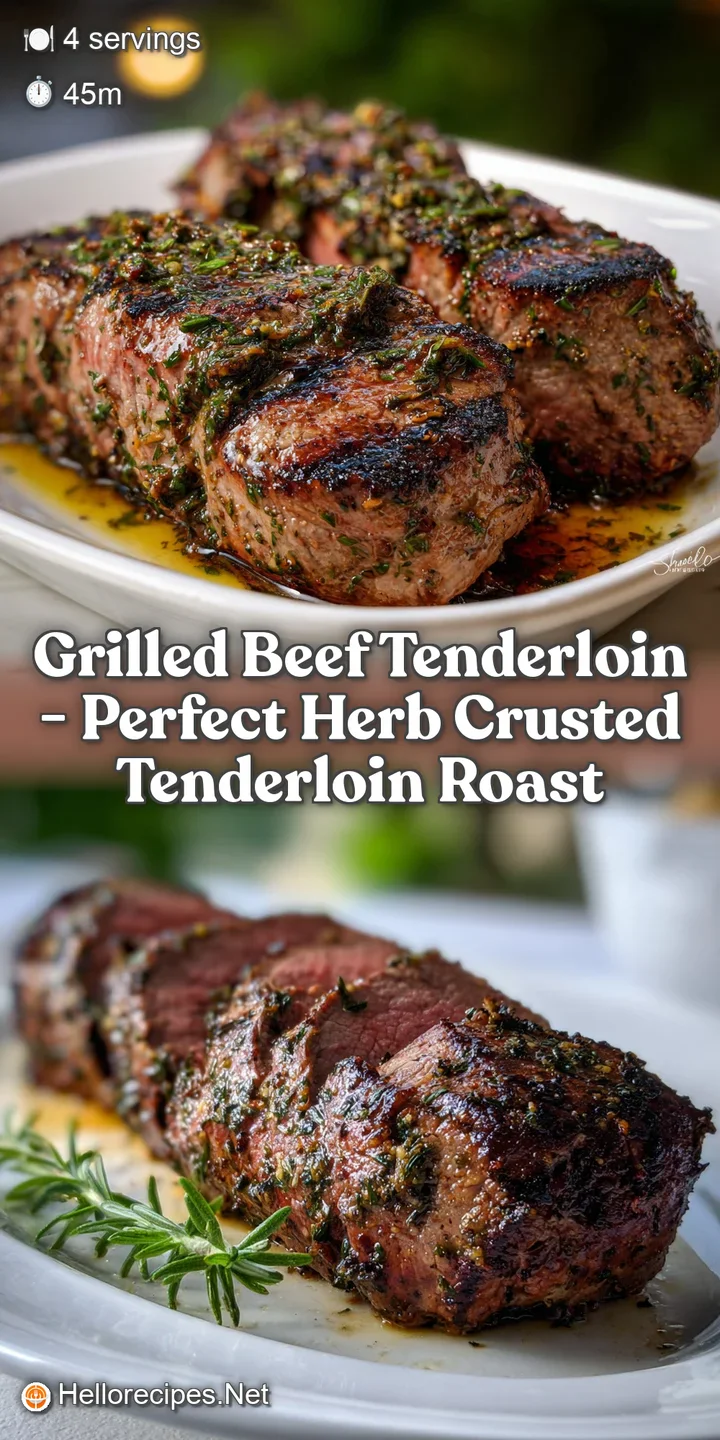
The final result of this Grilled Beef Tenderloin recipe —the shattering crust, the smoky scent, the perfectly blushing interior is worth the effort. Go grab your thermometer and conquer that grill.
Recipe FAQs
What is the "two-zone grilling method" and why is it essential for tenderloin?
The two-zone method involves setting up one side of the grill for high, direct heat (for searing the crust) and the other side for low, indirect heat (for finishing the cook). This technique allows you to achieve a deeply savory exterior crust without overcooking the delicate interior of the highly prized tenderloin.
How long should I grill the tenderloin to achieve a perfect medium rare?
To achieve a perfect medium rare (130-135°F internal temperature), a 2-3 pound roast typically requires 30-45 minutes total cooking time, depending on its initial thickness. Always rely on an instant read thermometer, removing the meat 5°F before the target temperature to account for crucial carryover cooking.
Why isn't my herb crust sticking well to the beef?
A successful crust requires a proper binder and dry surface. Ensure you generously pat the tenderloin completely dry with paper towels first, then brush it lightly with a binder like olive oil or Dijon mustard before firmly pressing the herb mixture onto all surfaces.
Is resting the meat really necessary, and how long should I rest the tenderloin?
Yes, resting is absolutely crucial for tenderloin; skipping this step leads to dry meat. Once off the heat, cover the roast loosely with foil and let it rest for 10 to 15 minutes before slicing. This process allows the internal juices to redistribute, ensuring a tender and moist final result.
Can I substitute different herbs for the crust mixture?
Absolutely; the herb and pepper crust is highly customizable to your preference. While classic choices include rosemary and thyme, you can also incorporate dried oregano, sage, or even a hint of crushed fennel seed for an elevated and unique flavor profile.
Should I apply the herb crust before or after searing the beef?
You should apply the crust before searing and cooking. If you sear first, the extremely high direct heat will burn the delicate fresh herbs before the interior of the roast is properly cooked, leading to a bitter crust.
How should I store leftover grilled beef tenderloin, and how long does it last?
Store leftovers tightly wrapped in aluminum foil or an airtight container in the refrigerator for up to 3 days. To reheat without drying out the highly prized cut, slice the meat thinly and gently warm it in a low oven (around 250°F) or use it cold in sandwiches and salads.
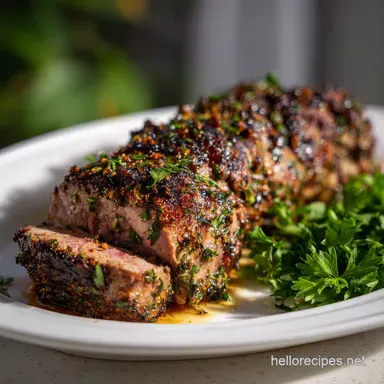
Herb Crusted Grilled Beef Tenderloin
Ingredients:
Instructions:
Nutrition Facts:
| Calories | 527 kcal |
|---|---|
| Protein | 52.3 g |
| Fat | 32.6 g |
| Carbs | 5.5 g |
