Grandma's Hash Brown Casserole: Cheesy and Baked
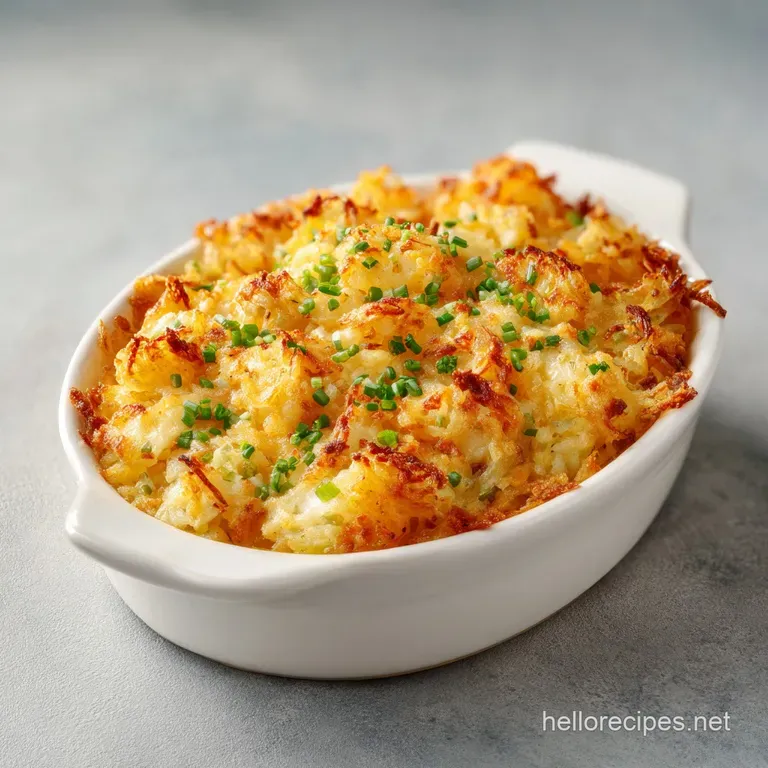
- Time: Active 10 minutes, Passive 45 minutes, Total 55 minutes
- Flavor/Texture Hook: Silky, cheesy interior with a buttery, high crunch topping
- Perfect for: Holiday brunches, potlucks, and lazy Sunday family breakfasts
- The Essential Specs for Your Next Brunch Gathering
- A Deep Dive Into Every Essential Component
- The Essential Tools for a Perfectly Crispy Bake
- From Kitchen Prep to the Final Golden Plate
- Avoiding Sogginess with Pro Tips and Common Pitfalls
- Vibrant Flavor Variations for Every Single Occasion
- Keep it Fresh with Storage and Reheating Guidelines
- Presentation Tips to Make Your Table Look Vibrant
- Recipe FAQs
- 📝 Recipe Card
Right then, let's talk about the absolute workhorse of my pantry: the frozen shredded hash brown. I know, I know, as someone who loves cooking from scratch, it felt a bit like cheating the first time I leaned on a bag from the freezer.
But honestly, after trying to grate and soak and dry 2 kilos of fresh potatoes just to get the right starch level, I realized life is too short. The frozen shreds are a marvel because they've been flash frozen, which actually helps them hold their shape inside a heavy, creamy sauce instead of turning into a sad pile of mashed potatoes.
The real magic of this Hash Brown Casserole isn't just the potatoes, though. It is the way the sour cream and the butter melt together to create this vibrant, golden lava that coats every single shred.
When you pull this out of the oven at 180°C, the smell of toasted corn and bubbling cheese is enough to bring everyone into the kitchen before you've even found the serving spoon.
It is the kind of dish that makes people ask for the recipe before they've even finished their first helping, mostly because it hits that perfect nostalgia button while feeling much more luxurious than the sum of its parts.
We've all seen those versions that come out greasy or, even worse, totally bland. Trust me on this, the secret is in the "hero" ingredient: the frozen hash brown itself. By using them straight from the bag, we control the moisture. Fresh potatoes release far too much water, which is how you end up with a soggy bottom.
These shreds are engineered for crispness, and when we pair them with a high fat dairy base, they absorb just enough flavor to stay tender without losing their identity.
The Essential Specs for Your Next Brunch Gathering
Before we get our hands dirty, we need to understand the mechanical parts of what makes this dish tick. It isn't just about throwing ingredients in a bowl, it is about creating a stable emulsion that won't break under the heat of a 45 minutes bake. If your dairy splits, you get a grainy mess.
If your topping isn't buttery enough, it just tastes like dry cereal. We are aiming for a cohesive, vibrant bake that holds its structure when sliced.
The Fat to Starch Balance: The 1/2 cup of melted butter combined with the full fat sour cream creates a barrier around the potato shreds, preventing them from releasing too much starch into the sauce. This is why the casserole stays creamy rather than becoming gluey.
Thermal Synergy: By baking at 350°F (175°C), we allow the center of the casserole to reach a safe, bubbling temperature exactly at the same time the cornflake topping achieves its mahogany gold finish.
Enzyme Inhibition: Using frozen potatoes means the enzymes that cause browning have been deactivated by the manufacturer's blanching process, keeping our casserole looking bright and appetizing.
| Method | Total Time | Texture | Best For |
|---|---|---|---|
| Traditional Oven | 55 minutes | Creamy interior, shattering top | Large crowds & holiday meals |
| Slow Cooker | 4 hours | Super soft, meltingly tender | Set it and forget it potlucks |
| Air Fryer | 25 minutes | Extra crispy edges, firm set | Small batches or quick lunches |
When we choose the oven method, we are prioritizing the Maillard reaction on that cornflake crust. There is a specific chemical interaction between the sugars in the corn and the proteins in the butter that creates that "toasty" aroma we all crave.
If you were to do this in a slow cooker, you'd lose that contrast entirely. The oven provides the dry, circulating heat necessary to evaporate just enough moisture from the top layer while the bottom stays velvety.
A Deep Dive Into Every Essential Component
I am a firm believer that the quality of your ingredients dictates the soul of your dish. For this Hash Brown Casserole, we aren't looking for artisanal, small batch anything, but we are looking for specific textures.
The condensed soup acts as a stabilizer it contains modified cornstarch that keeps the sour cream from curdling at high temperatures. If you've ever tried a "scratch" version without a stabilizer and ended up with a pool of yellow oil at the bottom, you know exactly why we use this classic shortcut.
| Component | Science Role | Pro Secret |
|---|---|---|
| Frozen Hash Browns | Structural base with low moisture | Keep them frozen until the very second you fold them in to prevent sogginess. |
| Sharp Cheddar | Fat source and flavor anchor | Grate your own from a block; pre shredded cheese is coated in cellulose which prevents a smooth melt. |
| Sour Cream | Acidic tenderizer and moisture | Use full fat only. The lower fat versions lack the protein structure to survive the heat. |
| Cornflakes | Sacrificial crunch layer | Don't pulverize them. You want coarse shards to maximize the surface area for the butter to coat. |
The choice of sharp cheddar is non negotiable for me. A mild cheddar simply disappears into the background, whereas a sharp or even an extra sharp variety provides a necessary bite that cuts through the richness of the butter and sour cream.
It provides a vibrant contrast to the salty, savory notes of the onion and garlic powders. If you are feeling adventurous, you could even swap a portion of the cheddar for a smoked gouda to add a layer of complexity that feels a bit more "grown up."
The Essential Tools for a Perfectly Crispy Bake
You don't need a professional kitchen to pull this off, but the material of your baking dish actually matters. I always reach for my ceramic 9x13-inch dish. Ceramic holds heat more evenly than metal, which means the corners won't burn before the center is set.
If you use a thin metal pan, you might find the bottom browning too quickly. A glass dish is also a great option because you can actually peek through the sides to see those glorious bubbles forming.
Beyond the dish, you really want a large, sturdy mixing bowl. We are moving around 30 oz of frozen potatoes, and they can be heavy and stubborn. A flexible but strong silicone spatula is my tool of choice here.
It allows you to scrape every bit of that creamy sauce from the sides of the bowl, ensuring that not a single shred of potato is left behind. You want that coating to be thick and even.
Chef's Tip: If you find your frozen hash browns have clumped together into a giant ice brick, don't defrost them in the microwave. Instead, drop the bag firmly on your counter a few times. The impact breaks the ice crystals without softening the potato, keeping that texture intact for the bake.
From Kitchen Prep to the Final Golden Plate
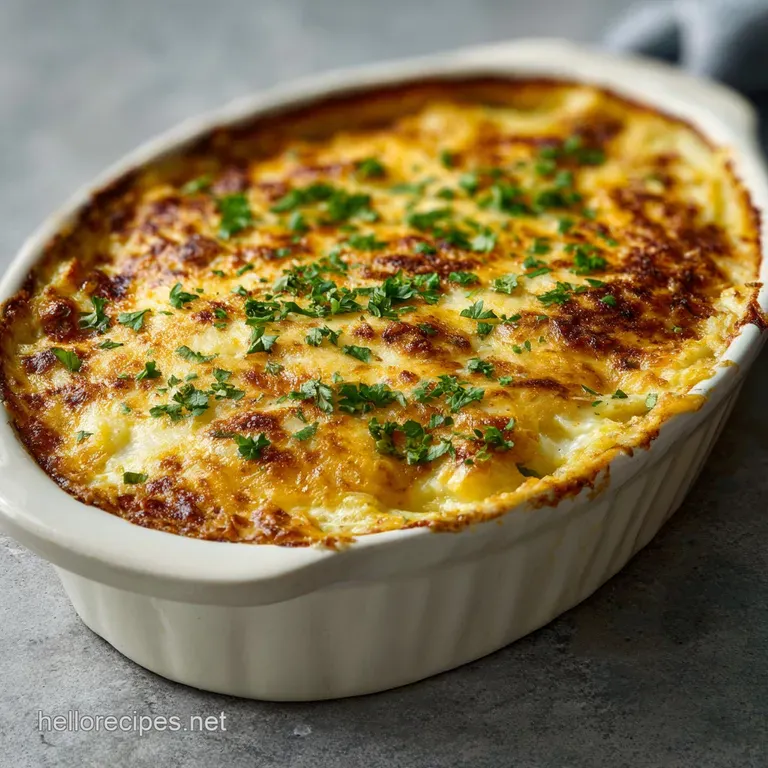
- Prep the Oven: Preheat your oven to 350°F (175°C). Ensure the rack is in the center position for even heat distribution.
- Build the Foundation: In your largest mixing bowl, whisk together 2 cups of sour cream, 10.5 oz of condensed cream of chicken soup, and 1/2 cup of melted unsalted butter.
- Season the Base: Add 1 tsp onion powder, 1/2 tsp garlic powder, and 1/2 tsp black pepper. Whisk vigorously until the mixture looks like a pale, silky ribbon.
- Incorporate the Solids: Add 30 oz of frozen shredded hash browns and 2 cups of freshly grated sharp cheddar cheese.
- The Great Fold: Use your spatula to fold the potatoes into the sauce. Stop once every shred is coated in a thick, white glaze.
- Transfer to Dish: Spread the mixture into a 9x13-inch baking dish. Use the back of your spoon to level the top, but don't pack it down too tightly.
- Prep the Crunch: In a small bowl, toss 2 cups of coarsely crushed cornflakes with the remaining 1/4 cup of melted butter.
- Topping Application: Sprinkle the cornflakes evenly over the surface. The smell of the buttered corn should be immediate and sweet.
- The Bake: Slide the dish into the oven and bake for 45 minutes.
- Check for Doneness: Remove when the edges are frantically bubbling and the top has turned a deep, mahogany gold.
This process is remarkably therapeutic. There is a specific moment during the folding phase where the cold of the potatoes starts to thicken the melted butter in the sauce, creating a thick, scoopable texture that tells you you've done it right. If you are looking for more potato inspiration, my Cheesy Potato Casserole uses a similar technique but with cubed potatoes for a different mouthfeel.
Avoiding Sogginess with Pro Tips and Common Pitfalls
The biggest tragedy that can befall this dish is "The Greasy Separation." This happens when the emulsion breaks, usually because the ingredients were too warm before they hit the oven or because a low-fat substitute was used. To prevent this, keep your sour cream and cheese in the fridge until the very last second.
The temperature differential between the cold dairy and the hot oven helps the proteins set before the fat has a chance to leak out.
Another common issue is the "Soggy Shards." If you cover your casserole with foil during the entire bake, the steam from the potatoes will hydrate the cornflakes, turning them into a mushy paste. Always bake this uncovered.
If you find the top is browning too fast (every oven is a little different), you can loosely tent a piece of foil over the top for the last 10 minutes, but never at the start.
Why Your Casserole Leaked Oil
If you see a yellow puddle, it usually means the cheese was pre shredded or the butter wasn't fully emulsified into the soup base. The soup acts as the "glue." If you skip the vigorous whisking in step one, the fat will separate.
| Problem | Root Cause | Solution |
|---|---|---|
| Oily Bottom | Using pre shredded cheese with additives. | Always grate sharp cheddar from a block for a clean melt. |
| Dry Potatoes | Not enough sauce or over baking. | Ensure you use the full 2 cups of sour cream and check at 45 minutes. |
| Burnt Topping | Sugar in the cornflakes or oven hot spots. | Use plain cornflakes and rotate the pan halfway through. |
Common Mistakes Checklist
- ✓ Using low-fat or "light" sour cream (it will curdle and release water).
- ✓ Thawing the hash browns (this makes them release starch and turn to mush).
- ✓ Crushing the cornflakes into a fine dust (you lose the "shatter" texture).
- ✓ Forgetting to salt if your butter is unsalted (though the soup usually adds enough).
- ✓ Not whisking the liquid base until completely smooth before adding potatoes.
Vibrant Flavor Variations for Every Single Occasion
While the classic grandma's hash brown casserole is a masterpiece of Midwestern comfort, I love to bring a bit of multicultural flair to my kitchen. If you want to take this in a vibrant, plant based direction, you can swap the cream of chicken for a condensed cream of mushroom and use a high-quality vegan butter and cashew based sour cream.
The starch in the potatoes still plays nicely with plant based fats, though the bake might be slightly softer.
For a spicy fusion twist, I often add a tablespoon of canned chipotle peppers in adobo to the creamy base. The smokiness pairs beautifully with the sharp cheddar and gives the whole dish a beautiful sunset hue. If you're serving this alongside a Green Bean Casserole, the heat provides a great counterpoint to the earthy, mushroomy notes of the beans.
- The Tex Mex: Swap cheddar for Pepper Jack, add 1 can of drained green chilies, and top with crushed tortilla chips instead of cornflakes.
- The Loaded Baked Potato: Stir in 1/2 cup of crispy bacon bits and a handful of fresh chives before baking.
- The Mediterranean: Use cream of celery soup, swap half the cheddar for feta, and add sun dried tomatoes and dried oregano.
Keep it Fresh with Storage and Reheating Guidelines
If you're lucky enough to have leftovers, this casserole actually holds up surprisingly well. The starches in the potatoes continue to absorb the flavors of the sauce as it sits. In the fridge, it will stay fresh for up to 4 days if kept in an airtight container.
When you're ready to eat it again, don't use the microwave if you can help it it will make the cornflakes sad and chewy. Instead, pop a portion into a small oven safe dish and bake at 350°F (175°C) for about 15 minutes until it's sizzling again.
Freezing is also an option, but I recommend freezing it before baking. You can assemble the entire potato base in a disposable foil pan, cover it tightly with plastic wrap and then foil, and keep it for up to 3 months.
Don't add the cornflake topping until you're ready to bake it, as the cereal will get soggy in the freezer. When you're ready to cook, let it thaw in the fridge overnight, then add the buttered cornflakes and bake as directed.
Zero Waste Tip: Don't throw away the crumbs at the bottom of the cornflake bag! Those tiny shards are perfect for mixing with the melted butter. Also, if you have leftover sauce but no potatoes, it makes a killer base for a quick stovetop mac and cheese or a cheesy broccoli side dish.
Presentation Tips to Make Your Table Look Vibrant
We eat with our eyes first, and let's be honest, a brown casserole can look a little "monochrome." To make this dish pop, I always finish it with a heavy sprinkle of fresh herbs. Finely minced parsley or chives add a burst of green that makes the golden crust look even more inviting.
If you've gone with a spicy variation, a few slices of fresh jalapeño on top can signal the heat level to your guests.
Serving this in the dish it was baked in is the way to go it's rustic and honest. However, if you want a cleaner look, let the casserole rest for at least 10 minutes after taking it out of the oven.
This allows the proteins in the cheese and soup to "set," giving you those clean, square slices that look so much better on a plate than a heap of loose potatoes.
- Color Contrast: Use a bright white or deep blue ceramic dish to make the golden orange of the cheese and cornflakes stand out.
- Garnish Strategy: Don't just dump the herbs in the middle. Sprinkle them from high up to get an even, "snowfall" effect across the whole surface.
- Side Pairing: Serve with something acidic or fresh, like a crisp arugula salad with a lemon vinaigrette, to cut through the heavy, buttery richness of the hash browns.
This Hash Brown Casserole is more than just a side dish; it's a testament to the idea that simple, humble ingredients can be transformed into something truly spectacular with just a little bit of care and the right technique.
Whether it's a holiday morning or just a Tuesday where you need a culinary hug, this recipe will never let you down. Right then, get that oven preheated your kitchen is about to smell like heaven.
Recipe FAQs
What ingredients does Cracker Barrel use in their hash brown casserole?
They use a blend of shredded potatoes, sharp cheddar, cream of chicken soup, sour cream, and butter. These core ingredients create the iconic savory, emulsified base that defines the dish.
Is the "Jackie Kennedy casserole" the same as this hash brown dish?
No, this is a common misconception. While various potato bakes exist in culinary history, this recipe specifically relies on a condensed soup base and cornflake crust, which differs from the classic French influenced potato gratins often associated with that era.
Is Tucci's 4-ingredient potato casserole identical to this one?
No, it is a simplified version. Most 4-ingredient variations omit the aromatic spices and the specific cornflake butter topping used here to achieve the signature textural contrast.
Is John Wayne's casserole a potato based dish?
No, it typically features a biscuit or meat heavy base. Unlike this potato centric bake, that dish usually incorporates ground beef and additional vegetables, making it a completely different type of comfort meal.
How to ensure the potato texture stays firm during baking?
Keep the hash browns completely frozen until the moment you fold them into the base. Thawing them beforehand releases excess starch and moisture, which leads to a mushy final result rather than distinct, hearty shreds.
How to achieve the perfect crunchy topping?
Crush your cornflakes coarsely by hand rather than using a processor. Larger, uneven flakes provide a better shatter like texture that resists turning soggy, similar to the technique used for our homemade green bean casserole.
How to prevent the sour cream from curdling?
Use only full fat sour cream and whisk it vigorously with the soup and spices until the mixture is perfectly smooth. This emulsified base must be fully uniform before you introduce the potatoes to ensure it holds up to the 45-minute baking time at 350°F.
Grandma S Hash Brown Casserole
Ingredients:
Instructions:
Nutrition Facts:
| Calories | 347 kcal |
|---|---|
| Protein | 7 g |
| Fat | 27 g |
| Carbs | 20 g |
| Fiber | 1 g |
| Sugar | 1.5 g |
| Sodium | 375 mg |
