Chicken Cakes: Golden Lemon-Herb Recipe with Zesty Aioli
- The Ultimate Guide to Golden Lemon-Herb Chicken Cakes
- The Science of the Perfect Crispy-Moist Texture
- Essential Ingredients for Flavourful Chicken Cakes
- Mastering the Technique: Step-by-Step Cake Formation and Pan-Frying
- Expert Tips and Troubleshooting Your Batch
- Prep Ahead: Storage and Freezing Chicken Cakes
- Creative Serving Suggestions
- Recipe FAQs
- 📝 Recipe Card
The Ultimate Guide to Golden Lemon Herb Chicken Cakes
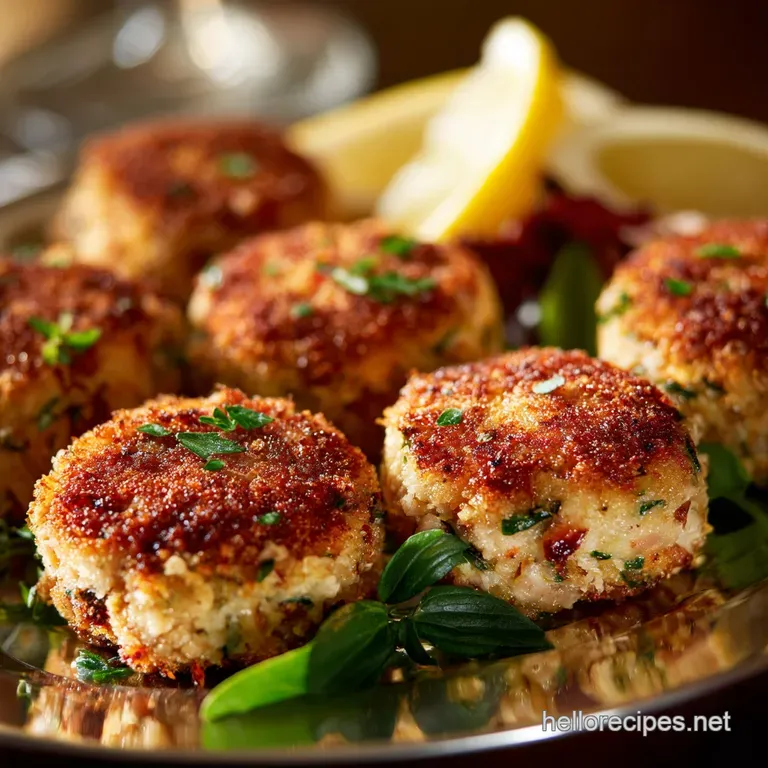
When these beautiful, golden discs hit the pan, the aroma is just ridiculously good. That bright lemon zest and savory thyme mix instantly transports you to a seaside restaurant, even though you’re just standing in your own kitchen.
Seriously, the crunch of that exterior coating gives way to the moistest, most flavorful center you can imagine.
This recipe is a massive lifesaver for busy weeknights, especially if you grabbed a rotisserie bird earlier this week. They are fast, incredibly easy to scale up for meal prep, and they transform humble cooked meat into something truly special.
You get that satisfying, crispy texture of a proper fried patty without the deep fried fuss, making this a healthy ground chicken patty option (even if we're using shredded chicken!).
You might be thinking, "Chicken cakes? Isn't that just a fancy meatball?" Trust me, these are so much more sophisticated, borrowing the structural genius of a crab cake but delivering a bright, herbaceous, and affordable weeknight meal.
Let's crack on and figure out exactly how to nail this perfect chicken cakes recipe every single time.
The Science of the Perfect Crispy Moist Texture
Why These Cakes Are a Weeknight Star
Chicken cakes are fundamentally brilliant because they’re designed for speed. By using already cooked chicken, you eliminate the longest cooking step, turning a dinner dilemma into a 45 minute solution.
They hold flavor incredibly well, meaning you can pre-make the mixture and just fry them off when hunger strikes.
A Flavor Profile Inspired by the Coast
We are intentionally channeling that crab cake vibe, which means we need brightness and tang to balance the savory protein. That little kick of Dijon mustard provides necessary depth, creating a complexity often missing in simple fried ground chicken patties. It’s what keeps you coming back for a second helping.
Quick Prep: Turning Cooked Meat into Culinary Gold
The secret here is texture diversity. You need some finely chopped chicken (almost paste like) to act as a secondary binder, but you also want some shredded chunks for bite. This is the ultimate "What can you make with ground chicken" answer, even if you are using leftover shredded breast meat.
The Role of Dijon and Lemon in Binding
Mayonnaise and eggs provide the primary fat and moisture, but Dijon mustard and fresh lemon juice do some serious structural work. The acid helps tenderize any lingering tough bits of chicken and interacts with the egg proteins to form a cohesive, firm cake structure during chilling.
Achieving the Shatteringly Crisp Panko Crust
Forget standard breadcrumbs; Panko is non-negotiable for that professional level crunch. Panko flakes are larger and airier, creating tiny little pockets of oil when fried that shatter beautifully when you cut into the cake. It’s the difference between chewy and crispy.
Moisture Retention: The Secret to Tender Cake Centers
We include a small amount of internal Panko alongside the mayonnaise and egg. This internal binder is crucial because it gently absorbs excess moisture from the mayo and chicken while chilling, ensuring the interior stays moist but doesn’t fall apart during cooking.
Essential Ingredients for Flavourful Chicken Cakes
Selecting and Preparing the Cooked Base
Rotisserie chicken is my MVP here; it’s usually perfectly seasoned and slightly dry, which is exactly what we need. If you're cooking fresh meat, make sure it’s completely cooled before mixing hot chicken will melt the mayonnaise and ruin your binding structure.
Always shred or chop it finely.
Binder Breakdown: Creaminess Without the Calorie Overload
Full fat mayonnaise is my preference because of the fat content, but I get it, sometimes we want to dial it back. If you are worried about the creaminess, you can easily lighten the load.
| Ingredient | Substitution | Flavor Notes |
|---|---|---|
| Mayonnaise | Greek Yogurt or Crème Fraîche | Tangier, requires less lemon juice. |
| Shallot | Green Onions (Scallions) | Milder, less intense onion bite. |
| Dijon Mustard | Whole Grain Mustard | Textural difference; less sharp tang. |
A Note on Fresh Herbs and Zest Ratios
The lemon zest is where the flavor lives, so don't be shy about grating that bright yellow peel. Fresh parsley and thyme give these cakes a classic, savoury base, but you can definitely experiment. If you swap to dried herbs, use only one-third the amount listed!
Customizing the Coating: Alternatives to Panko
Look, I already told you Panko is the best, but sometimes you run out. If you absolutely cannot use Panko, fine breadcrumbs are an option, but you won't get the same spectacular crunch.
A sneaky trick I love is crushing up some cornflakes seriously, just lightly crush them in a bag for an incredible gluten-free crunch.
Chef's Note: If you are trying to make these true "chicken cakes with remoulade sauce," increase the amount of fresh parsley and add a pinch of cayenne to the cake mixture for that authentic background heat.
Mastering the Technique: step-by-step Cake Formation and Pan-Frying
Mixing the Base: Avoiding an Overworked Mixture
This isn't bread dough; we are aiming for combination, not gluten development. Once you pour that creamy binder over the chicken, use a large spatula and fold it gently until everything is just tacky. If you mash it, you’ll end up with tough, dense patties, not tender cakes.
The Critical Chilling Phase for Structural Integrity
Do not, I repeat, do not skip the chilling time. I once tried to rush this step because I was ravenous, and the resulting cakes looked like savory scrambled eggs in the pan. Thirty minutes in the fridge allows the binders to set and the Panko inside to hydrate.
This is the difference between perfection and catastrophe.
Shaping and Coating for Even Cooking
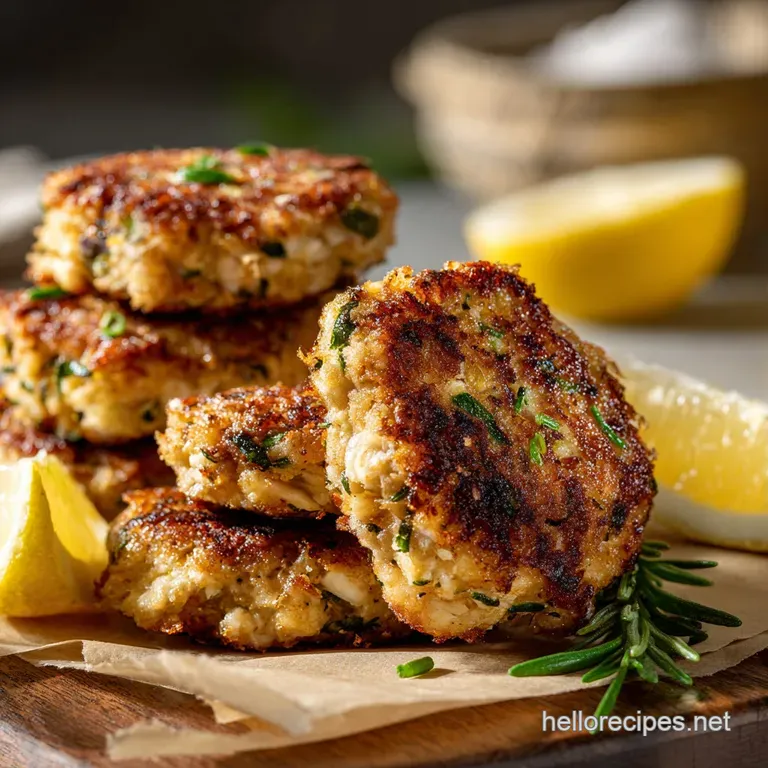
Use a 1/4 cup scoop to ensure uniform size; even cooking is key! Gently press the mixture into thick, flat discs. They should be firm, not wobbly. When coating, use gentle pressure to embed the Panko onto the surface, making sure the edges are also covered completely.
Achieving the Golden Exterior: Optimal Pan-Frying Instructions
Heat control is paramount when pan-frying these. We need medium high heat, enough to create that gorgeous crust quickly, but not so hot that the butter immediately burns. The oil should shimmer slightly before you add the cakes.
Cook them in small batches I stick to four at a time because overcrowding the pan drops the temperature and leads to soggy, oily results.
Expert Tips and Troubleshooting Your Batch
Preventing Cake Breakage During Frying
Breakage usually happens for two reasons: insufficient chilling or trying to flip them too early. Keep the heat steady , and wait until the edges are clearly deep golden brown before attempting to turn them. They need that crust to form a protective shell.
How to Fix a Mixture That's Too Wet
If you use particularly moist, freshly cooked meat, your mixture might feel too sticky even after chilling. Don't panic! Mix in an extra tablespoon of internal Panko breadcrumbs, or if you’re out, a little sprinkle of all-purpose flour works wonders. If you’re looking for a good casserole recipe that handles moisture perfectly, check out my Chicken Bacon Ranch Casserole: The Ultimate Creamy Weeknight Bake .
The Best Oil Temperature for a Golden Finish
Aim for 350°F (175°C) if you have a thermometer, or rely on the visual cue: the oil should shimmer slightly and a single Panko crumb dropped in should immediately sizzle vigorously. If the oil is too cool, the cakes absorb the fat; too hot, they burn before the center warms up.
Prep Ahead: Storage and Freezing Chicken Cakes
These are fantastic candidates for prepping ahead, which is great news for quick weeknight meals.
Freezing Uncooked Cakes for Later Use
This is the preferred method for long term storage! Once the cakes are shaped and coated, place them on a parchment lined tray and freeze until rock solid (about 2 hours). Transfer the frozen, firm cakes to a heavy duty freezer bag, separated by small squares of parchment.
They keep beautifully for up to 3 months. Fry them straight from frozen, adding about 3- 4 minutes to the cooking time per side.
Reheating Baked vs. Fried Cakes
If they are already fried, the best way to reheat them is in an oven or air fryer. Pop them into a 375°F (190°C) air fryer or oven for 8– 10 minutes until the exterior is re-crisped and the center is piping hot. Reheating in a microwave will make the crust tragically soft.
Optimal Refrigerator Storage Time
Once fully cooked, store the leftovers in an airtight container in the refrigerator for up to 3 days. They taste just as good cold the next day, perfect for a quick lunch alongside a green salad.
Creative Serving Suggestions
The zesty aioli is a classic for a reason, but don't limit yourself! These chicken cakes are robust enough to stand up to bolder sides.
Serve them over a fresh bed of dressed greens, maybe alongside a quick lemon herb vinaigrette for a lunch that feels utterly gourmet. For a full, balanced meal, try pairing them with a fresh, bright side salad like my Mediterranean Bowl LemonHerb Chicken Power Bowl Ready in 40 Min . The freshness provides a perfect counterpoint to the richness of the fried patty.
You could also serve these as appetizers! Shape them slightly smaller, like little silver dollar pancakes, and call them chicken cake bites . Shaping things consistently is sometimes the trickiest part of cooking, whether you’re forming patties or working on tiny desserts like my Apple Crisp Mini Cheesecakes: Easy Fall Dessert Recipe . A simple side of sweet chili sauce or a dollop of tartar sauce works wonders for dipping.
Recipe FAQs
Why are my Chicken Cakes falling apart in the pan?
The primary cause of crumbling is insufficient binding or improper chilling. Ensure you have used the correct amount of binder (like egg and mayonnaise) and that you are not over shredding the chicken, which removes necessary texture.
Most importantly, refrigerate the formed cakes for at least 30 minutes before cooking, as the chilling time firms up the fats and binders.
Can I bake or air-fry these instead of pan-frying them?
Yes, for a healthier option, baking or air-frying works wonderfully, though you may sacrifice some of the deep, buttery crust. To bake, preheat your oven to 400°F (200°C), lightly spray the formed cakes with cooking oil, and cook for 18-20 minutes, flipping halfway.
Air-fry at 375°F (190°C) for approximately 10-12 minutes, or until golden brown.
What is the best way to store and freeze Chicken Cakes?
Cooked cakes can be stored in an airtight container in the refrigerator for up to 3 days. To freeze the uncooked cakes, place them on a parchment lined baking sheet and flash freeze until solid, then transfer them to a freezer bag or container.
They will last for up to 3 months; thaw them overnight in the refrigerator before cooking, or add a few minutes to the cooking time if cooking from frozen.
How can I prevent my Chicken Cakes from tasting dry?
Dryness typically results from using overly lean chicken or overcooking. If using lean breast meat, ensure you use the full measure of mayonnaise or binder recommended in the recipe to maintain moisture.
Since the chicken is already cooked, you only need to heat the cakes through until the exterior is beautifully crisp avoid cooking them past 4 minutes per side.
Can I prepare the chicken cake mixture ahead of time?
Absolutely, preparing the mixture in advance is highly recommended for optimal structure and flavor development. You can combine all the ingredients, cover the bowl tightly, and refrigerate the mixture for up to 24 hours.
This resting time allows the flavors to deepen and ensures the mixture firms up, making the cakes much easier to shape and less prone to breaking when cooked.
What substitutes can I use for Panko breadcrumbs?
Panko is preferred for its light, flaky texture that creates an extremely crisp crust, but standard fine dried breadcrumbs are a suitable alternative for binding. For the coating, crushed saltine crackers, potato chips, or even ground cornflakes can be used in place of Panko for an interesting textural variation.
If using fine breadcrumbs internally, you may need slightly less, as they absorb moisture faster.
What type of cooked chicken is best for this recipe?
Using cooked dark meat (such as shredded chicken thighs) will yield the most moist and flavorful cake due to its higher fat content. However, shredded cooked breast meat is also perfectly acceptable, especially if you ensure it is not overly dry from its initial cooking.
Ensure the chicken is shredded or chopped very finely so it incorporates smoothly with the binders.
Golden Crispy Chicken Cakes
Ingredients:
Instructions:
Nutrition Facts:
| Calories | 185 kcal |
|---|---|
| Protein | 14.0 g |
| Fat | 11.0 g |
| Carbs | 6.0 g |
