The Perfect Fluffy Western Omelette a Hearty Breakfast Staple

- Unlocking the Secrets of the Classic Diner Western Omelette
- Why This Denver Style Scramble Stands Above the Rest
- Gathering Your Components for a Stellar Cook
- The Cornerstone Ingredients for an Authentic Western Omelette
- The Definitive Cooking Sequence for Your Breakfast Masterpiece
- Techniques for Sautéing the Filling Perfectly
- Elevating Your Experience: Variations and Storage Secrets
- Frequently Asked Questions
- 📝 Recipe Card
Unlocking the Secrets of the Classic Diner Western Omelette
There are certain dishes that define an era of casual dining, and the Western Omelette sits firmly at the top of that list. Often referred to as the Denver Omelette, this robust creation is the gold standard for a truly satisfying morning meal.
It’s not just eggs; it’s a perfectly balanced delivery system for savoury diced ham, sweet peppers, and onions, all encased in a tender, buttery embrace. Mastering this recipe means you can retire those mediocre, browned bottom scrambles and start producing genuinely fluffy Western Omelette at home.
This Western Omelette Recipe is designed for home cooks, delivering that sought after diner quality without any fuss.
Why This Denver Style Scramble Stands Above the Rest
What separates a merely adequate omelette from a legendary one? It's the texture and the harmony of the filling. This particular style focuses on creating an interior that is moist and light, contrasting beautifully with the slight chewiness of the cooked components.
It’s a Hearty Breakfast Recipes champion because it delivers substantial protein and flavour, making it an ideal Yummy Breakfast that keeps you powered through the morning.
The Essential Trio: Ham, Peppers, and Onions Defined
The magic of the Denver Omelette Recipe lies in its simplicity the filling is crucial. We rely on three core components: good quality, fully cooked ham, sweet yellow onion, and crisp green bell pepper.
These ingredients, when properly diced and sautéed, offer a textural pop and a flavour foundation that is both sweet and savoury. On top of that,, incorporating about half a cup of the filling per two-egg portion ensures a substantial, yet manageable, centre for the final fold.
Achieving Peak Fluffiness: The Key to the Perfect Fold
Fluffiness isn't achieved by folding harder; it’s achieved by gentle manipulation of heat and liquid. For a truly fluffy Western Omelette , the eggs must be whisked vigorously to incorporate air, and crucially, cooked over medium low heat.
This slow setting process allows the proteins to coagulate gently, preventing toughness and ensuring the base is pliable enough to achieve that iconic half moon fold without tearing or collapsing.
A Heritage Recipe: Honoring the American Breakfast Icon
Whether you call it Western or Denver, this dish has roots deeply embedded in American culinary history, often appearing on menus where efficiency and flavour are paramount. It’s one of those reliable Family Favorite Meals because it’s so adaptable you can easily scale the recipe up for a crowd or tweak the cheese for picky eaters.
Making this Western Omelette successfully means respecting the balance between the cooked filling and the tender egg wrapper.
Gathering Your Components for a Stellar Cook
Before we even think about turning on the hob, preparation is paramount. A great Omelette Recipe is won or lost in the prep work. Since the cooking process for the egg base is fast mere minutes you need everything measured, diced, and ready to go before the first drop of butter melts.
Related Recipes Worth Trying
- Perfect 5Minute Fluffy Omelette Recipe The French Way — Stop making flat browned eggs Learn the lightningfast technique for a perfect pale and creamy Frenchstyle omelette This easy omelette recipe is ready in...
The Cornerstone Ingredients for an Authentic Western Omelette
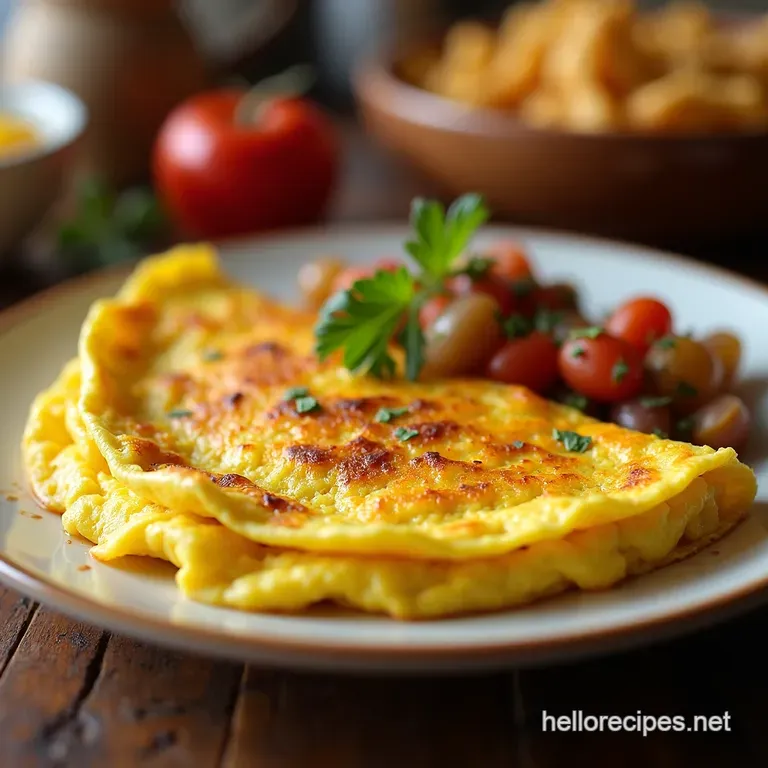
For a classic, restaurant quality result, we’ll structure the ingredients around four main eggs, which serves two generous appetites perfectly. This ensures a robust structure capable of holding that delicious centre.
Precise Measurements for Three Eggs
While some recipes call for two, we find that four large eggs provide the necessary surface area and thickness for a proper fold without becoming overly cumbersome in an 8 inch skillet. To enhance texture, we introduce a small amount of whole milk or half and-half about two tablespoons per four eggs.
This addition tenderizes the curds, contributing significantly to that desirable, non-rubbery mouthfeel. Seasoning is simple: a quarter teaspoon of kosher salt and a pinch of fresh black pepper whisked directly into the eggs.
Selecting The Ideal Diced Ham Substitute
The ham needs to be fully cooked and cut into a uniform, small dice roughly 1/4 inch cubes. Avoid overly watery or heavily smoked varieties, as they can dominate the flavour profile.
If ham is off the table, high-quality diced turkey breast or even crispy, crumbled bacon makes an excellent stand-in, transforming this into a different, yet equally satisfying, Hearty Breakfast Recipes variation.
Prep Work: How Fine to Dice Your Vegetables
The vegetables a quarter cup each of onion and green bell pepper must be diced finely. Why? Because the cooking time for the egg base is short. If your vegetables are too large, they won't soften sufficiently by the time the eggs are set, leading to hard, crunchy bits inside your tender omelette.
Aim for small, uniform pieces so they cook quickly and evenly alongside the ham.
The Definitive Cooking Sequence for Your Breakfast Masterpiece
The rhythm of cooking the Western Omelette is a quick dance. We separate the cooking of the filling from the cooking of the egg base to maintain integrity soggy fillings lead to sloppy omelettes.
Techniques for Sautéing the Filling Perfectly
First, grab your skillet (preferably a dedicated 8 inch non-stick pan) and melt about one tablespoon of butter over medium heat. Add the diced onions and peppers first, allowing them to sweat and soften for about four minutes. They should become translucent, not browned. Next, introduce the diced ham.
You only need about 60 seconds here; the goal is simply to warm the ham through and let it marry with the softening vegetables. Once cooked, immediately scoop this entire filling mixture into a clean bowl and set it aside. Wipe the pan clean; we need a fresh, unseasoned surface for the eggs.
Whipping the Eggs for Maximum Aeration
In a separate bowl, whisk those four eggs together with the milk, salt, and pepper. Don't just stir them; whisk them with purpose until they are completely uniform in colour and slightly frothy. This step incorporates air, which is the fundamental secret to a fluffy Western Omelette .
The Critical Low-Heat Setting for Setting the Base
Return the clean pan to the heat, but this time, keep the temperature at medium low. Add the remaining teaspoon of butter. You want this butter to melt and foam gently, but crucially, it must not brown. Once the foam subsides slightly, pour in the entire egg mixture.
Let it sit undisturbed for about 60 to 90 seconds until you see the edges firming up.
The Final Fold: Presentation Matters
This is where technique shines. Gently shake the pan back and forth while using a heatproof spatula to pull the cooked edges toward the centre, allowing the raw egg from the top to flow underneath. Repeat until the top layer is mostly set but still looks slightly wet.
Now, evenly distribute your pre-cooked filling over just one half of the omelette. Sprinkle generously with your shredded cheddar cheese. Using the spatula, gently lift the unfilled side and fold it over the filling to create a neat half moon.
Turn off the heat and let it sit for one minute; the residual warmth will melt the cheese perfectly. Slide this gorgeous Western Omelette onto a plate immediately.
Elevating Your Experience: Variations and Storage Secrets
While the classic combination is unbeatable, an Easy Western Omelette Recipe is a fantastic base for experimentation. Don't be afraid to introduce new elements once you master the core technique.
Creative Toppings to Personalize Your Dish
Once folded, the omelette is a blank canvas. A dash of hot sauce, a sprinkle of fresh, finely chopped chives, or even a small dollop of sour cream can transform the experience. For a richer finish, consider swapping the cheddar for Gruyère or adding sautéed mushrooms and spinach into the vegetable mix for an even more nutrient dense start to your day.
Maximizing Freshness: Storage and Reheating Instructions
Leftover Western Omelette is best enjoyed the same day, but if you must store it, wrap individual portions tightly in plastic wrap and refrigerate for up to two days. Reheating is tricky; the microwave tends to make eggs rubbery.
The best method is low and slow: place the portion in a non-stick pan over very low heat, covered, for several minutes until warmed through gently.
Selecting the Right Non-Stick Pan for Success
I cannot stress this enough: the pan is your most important tool here. An 8 inch pan with sloped sides and a genuinely flawless non-stick coating ensures the omelette slides out cleanly when you perform the final fold, preventing tearing and preserving that beautiful, neat presentation essential to any great Western Omelette .

Frequently Asked Questions
Why is my Western Omelette tough or rubbery instead of fluffy?
This is usually down to the hob being too high! A tough omelette means the eggs cooked too quickly, causing them to seize up. Always cook the eggs over medium low heat, allowing them to set gently. Remember, we want tender, like a proper afternoon tea scone, not chewy leather!
Can I prepare the filling for the Western Omelette ahead of time?
Absolutely, and I highly recommend it for a speedy morning routine. Sauté your peppers, onions, and ham up to a day in advance; store them in the fridge. Just ensure you gently reheat the filling slightly before adding it to the eggs, so it doesn't instantly cool down your beautifully cooking omelette base.
What's the secret to getting that perfect fold without tearing the egg?
The key is patience and ensuring the base is set but still slightly moist on top before you add the filling. Only cover one half with the toppings, and use a good, flexible silicone spatula to coax the empty side over gently. If it sticks, try nudging the pan slightly to encourage it to release.
I don't have ham; what are the best substitutions for a Western Omelette?
If you're out of ham or fancy a change, you have plenty of options! Diced cooked turkey breast works excellently, or for a flavour punch, use crumbled, good quality cooked bacon. For a vegetarian twist, sautéed mushrooms or even some smoked paprika dusted tofu make brilliant, hearty substitutes.
How should I store leftovers, and can I reheat them?
While omelettes are best eaten fresh from the pan, leftovers can be stored in an airtight container in the fridge for up to two days. To reheat, use a low-to-medium heat setting in a non-stick pan with a tiny knob of butter, or use a microwave for about 30 seconds, covering loosely so it steams gently rather than drying out.
Is there a way to make this recipe feel a bit healthier without losing the flavour?
Certainly, you can easily tweak the ingredients for a lighter start to the day. Use egg whites for half of the eggs, swap the whole milk for skimmed milk or water, and use a lean turkey ham instead of standard cured ham. Furthermore, use a low-fat cheese or simply use less of the sharp cheddar.
Fluffy Western Omelette
Ingredients:
Instructions:
Nutrition Facts:
| Calories | 990 kcal |
|---|---|
| Protein | 33.7 g |
| Fat | 110.6 g |
| Carbs | 48.4 g |
| Fiber | 14.6 g |
| Sodium | 1322 mg |
