Masa for Tamales: the Feather-Light Manteca Method
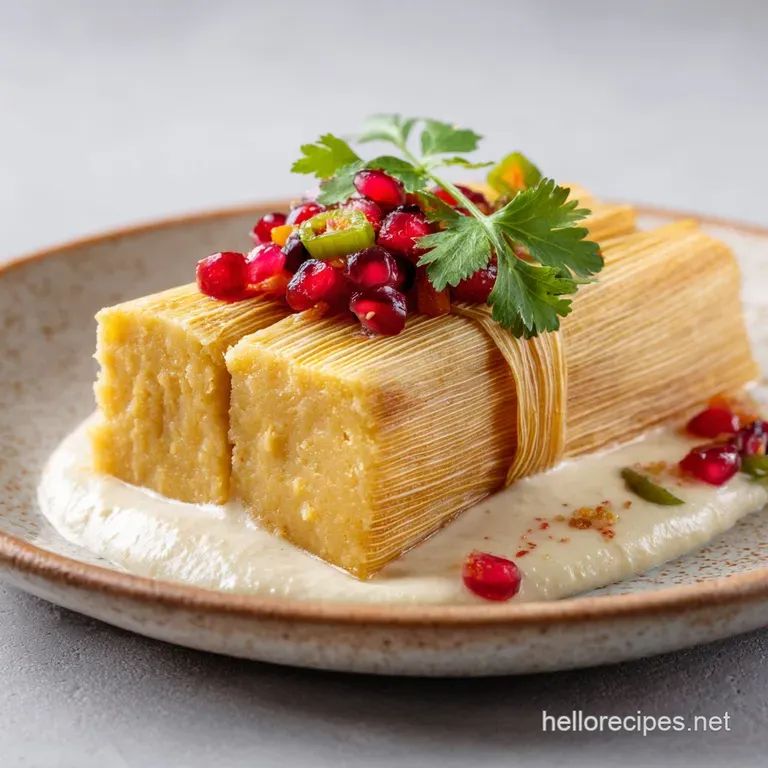
- The Essential Feather-Light Masa for Tamales (The Manteca Method)
- Mastering the Foundation: Authentic Feather-Light Masa
- The Science of Fluff: Achieving the Ideal Masa Consistency
- Essential Components for the Best Tamale Masa Dough
- Making Masa for Tamales: The Step-by-Step Whipping Process
- Troubleshooting Tamale Dough: Expert Tips and Common Errors
- Preparing Ahead: Storage and Shelf Life of Unfilled Masa
- Completing the Tamale Meal: Serving Ideas and Pairings
- Recipe FAQs
- 📝 Recipe Card
The Essential Feather Light Masa for Tamales (The Manteca Method)
Mastering the Foundation: Authentic Feather Light Masa
That earthy, intoxicating aroma of warm corn and rendered lard hitting the air? That’s the smell of tradition and the secret promise of the best tamales you will ever eat. Getting the perfect texture for your Masa for Tamales is the absolute game changer, moving you from amateur cook to respected tamale maker.
This incredibly detailed guide will ensure your dough is fluffy, moist, and flavourful.
Forget buying pre-made, gluey paste from the store. Making homemade masa is surprisingly quick, inexpensive, and honestly, the difference in flavour is staggering. If you can cream butter for a cake, you can nail this traditional technique. The ingredients are simple, but the method is crucial for success.
We’re going to walk through the manteca method the traditional way that guarantees a light, fluffy, and truly authentic Masa for Tamales recipe . This is the only way to avoid the dreaded dense, dry tamale brick. Let's crack on with the recipe that actually works.
The Science of Fluff: Achieving the Ideal Masa Consistency
The quality of your finished tamale depends entirely on this foundation. This isn't just mixing corn flour and water; it's an aeration process designed to capture air pockets that expand during steaming. We are aiming for a dough that is soft, moist, and wonderfully buoyant.
This precise preparation for your Masa for Tamales ensures the steam permeates properly later, resulting in a cloud like texture that melts in your mouth.
The Role of Nixtamalization (Masa Harina Explained)
Masa harina is special stuff. It’s dried corn that has been treated with an alkali solution, a process called nixtamalization. This treatment fundamentally changes the corn. It makes the corn more nutritious, enhances its flavour, and, critically, allows the dough to bind without developing gluten.
This unique property is why true tamale dough, unlike wheat bread dough, relies on fat and air for its structure, not elastic gluten strands.
Why Texture is King in Tamale Making
Nobody wants a hockey puck. Dense tamales are usually caused by cold ingredients, not enough fat, or skipping the crucial whipping step. The ideal consistency of Masa for Tamales should feel almost like a heavy whipped frosting when you first start mixing the fat.
If you overlook the texture, you risk a product that is not only unpleasant to eat but also difficult to steam correctly.
The Tradition and Technique of the Manteca Method
This is the old school technique, and it is brilliant. The manteca method relies on creaming the fat whipping air into the lard until it’s pale white and fluffy before adding the dry ingredients. This incorporation of air is non-negotiable.
Without air, the corn dough has no space to expand when hit with steam. It's the secret to producing a light, truly airy Masa for Tamales base.
The Lard vs. Shortening Debate (and Why Manteca Wins)
Lard ( manteca ) is the king, full stop. It provides an incredible, unmistakable depth of savoury flavour that shortening simply cannot match. If you are aiming for an authentic tamale, you must use rendered pork fat.
While vegetable shortening provides the necessary lift and aeration properties for a soft dough, the unbeatable, traditional flavour of a perfect Masa for Tamales comes from using high-quality lard.
Crucial Chef’s Note: Use room temperature lard or shortening. If it’s cold, you will never successfully incorporate the amount of air needed for a feather light finish. Trust me on this.
The Flotation Test: Ensuring Perfect Aeration
This test isn't a myth; it’s simple physics and the ultimate quality control measure. If the masa is properly aerated and light enough, it floats when dropped into water. If it sinks, you need to return the dough to the mixer and beat more air into that mixture until it becomes lighter and less dense.
This step saves you hours of steaming only to discover you made a heavy dough. It’s the ultimate benchmark for making perfect Masa for Tamales .
Balancing the Ratio: Hydration and Flavor in Corn Dough
Using warm stock is vital here, not just cold water. The warmth helps the fat and the masa emulsify more easily, and it fully hydrates the corn flour. This ensures a perfect consistency that is neither too greasy nor too dry. Getting this hydration balance right is key to creating a truly tender finished tamale dough.
Essential Components for the Best Tamale Masa Dough
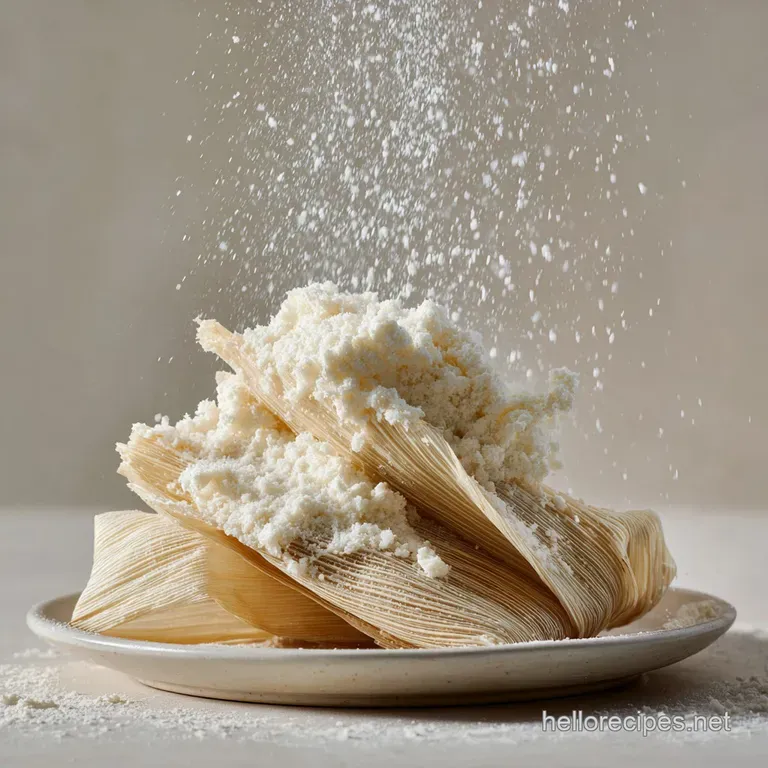
The best Masa for Tamales requires specific, high-quality ingredients. You should never skimp here, as the integrity of the finished product rests on the quality of your base materials.
Selecting Quality Masa Harina (Not Just Any Corn Flour)
This is the most common mistake home cooks make. Look for bags specifically labeled "Para Tamales" or "Tamal." Regular tortilla flour won't cut it. Tamale specific masa harina is ground more coarsely and hydrates differently, preventing the development of a gummy texture.
It results in a far superior Masa for Tamales .
Lard (Manteca) Preparation and Temperature
As mentioned, room temperature is the rule. Cold lard won't cream properly, and you’ll end up with a stiff dough and dense tamales. If your lard is solid, cube it and let it sit out for at least an hour before you start mixing. This preparation is critical for the initial aeration stage.
| Ingredient | Use | Substitution Tip |
|---|---|---|
| Lard (Manteca) | Essential for texture and flavour. | Vegetable shortening (Crisco) or high-quality rendered duck fat. |
| Masa Harina | Specifically for Tamales (e.g., Maseca Tamal). | No viable substitute; must be nixtamalized corn flour. |
| Warm Stock | Adds moisture and deep savoury notes. | Warm water plus extra salt, or warm milk for sweet tamales. |
Liquid Options: Broth vs. Water
Warm stock, vegetable or chicken, adds seasoning and depth that water simply cannot provide. This is another area where flavour is built into the base of the Masa for Tamales . If you are using unsalted stock, remember to check your salt levels in the dough mixture carefully.
Using warm liquid aids in immediate hydration.
Necessary Seasonings: Salt and Baking Powder Notes
The salt must be adequate; remember, the dough itself needs to taste good before any filling goes in. Taste the stock first to judge the level of salinity. Baking powder provides the final burst of lift during steaming.
Don't skip it, even if you nailed the flotation test; it’s an insurance policy against density.
Making Masa for Tamales: The step-by-step Whipping Process
This section details the actual mixing process for the perfect batch of Masa for Tamales . Precision in timing the whipping is what sets this recipe apart.
Creaming the Fat: Achieving the Ideal Fluffy Base
In the bowl of your stand mixer, combine the room temperature lard and salt. Beat this mixture on medium high speed for a full 5– 7 minutes, pausing once or twice to scrape down the sides. You are looking for a complete transformation.
It should be visibly pale, almost white, and puffy like airy buttercream. This step ensures the best possible Masa for Tamales .
Gradually Integrating the Masa Harina
Reduce the mixer speed to low seriously, low! Gradually add the masa harina mixture, alternating with the warm stock. Start and end with the dry ingredients. This careful alternation ensures even mixing without clumping. Keep the mixer running only until the dough comes together and is homogenous.
Do not overmix , or you will start compressing the air you worked so hard to incorporate.
The Dough Kneading and Resting Phase
Once mixed, the dough needs about 30 minutes to rest at room temperature. Cover the bowl well. This rest period is essential for allowing the corn flour to fully hydrate and absorb the liquid and fat.
Skip it, and your Masa for Tamales might taste slightly gritty or fail to spread smoothly later.
Hydration Check: Testing the Masa Texture
After the rest, perform the float test again, just to be sure. Also, use the touch test: the dough should be easily spreadable yet firm enough to hold its shape when a lump is dropped onto a surface. It should feel like very thick peanut butter or heavy cake batter.
This is the hallmark of a perfectly executed Masa for Tamales recipe .
Troubleshooting Tamale Dough: Expert Tips and Common Errors
Even experts mess this up sometimes, usually when they rush the creaming process. Here are the fixes to save your batch of homemade Masa for Tamales .
Fixing Dry or Crumbly Masa
If your masa is too dry and crumbly, it will tear when you try to spread it on the husks. The solution is simple: gradually add more warm stock, one tablespoon at a time, while mixing on low speed until the desired, sticky, spreadable texture is reached. Patience is key here; you want to hydrate, not flood.
The Danger of Over Hydration
What if it’s too wet and runny? This usually happens if you measure the stock too liberally. If the dough is sliding off the husks, gradually beat in more masa harina, half a cup at a time, until it firms up. Don't panic! This is entirely fixable, though it takes a moment to correct the balance.
Seasoning Check: Tasting the Dough Before Steaming
Always taste the raw dough (since it contains no egg, it’s safe!). Does it taste bland? It should have a noticeable, savoury saltiness before any filling is added. Add another pinch of salt, especially if you used unsalted stock. Bland Masa for Tamales equals bland tamales, period.
Preparing Ahead: Storage and Shelf Life of Unfilled Masa
Masa preparation can be a whole event in itself, so planning ahead is smart. This perfect batch of Masa for Tamales can absolutely be made days in advance.
Refrigerating Fresh Masa Dough Safely
Fresh, unfilled masa keeps wonderfully in the fridge for up to 3 days. Store it in an airtight container or tightly wrapped in plastic wrap, pressing out all the air before sealing. Note that the fat will firm up significantly when cold.
Freezing Masa: Best Practices for Thawing
Yes, you can freeze it! This is a lifesaver for big batches. Divide the Masa for Tamales into meal sized portions, wrap tightly in plastic wrap, then wrap in foil, and freeze for up to 2 months.
Thaw it overnight in the fridge before using, and let it come up to room temperature for 30 minutes before spreading. You might need to whip it briefly again to re-incorporate any separated fat.
Understanding Masa Shelf Life
If you used rich chicken stock, aim to use the dough within 3 days. If you want maximum shelf life in the fridge, stick to vegetable stock or water, as the lack of animal protein minimizes spoilage risk. Properly stored Masa for Tamales is incredibly resilient.
Completing the Tamale Meal: Serving Ideas and Pairings
This amazing dough deserves to be paired with equally impressive flavours. Once you've perfected your Masa for Tamales , the possibilities for filling are endless. I love preparing the fillings using high impact marinating techniques, much like the ones I use when making my famous Chicken Marinade: Ultimate Lemon Herb Garlic for Grilling or Oven .
Serve the finished tamales with a vibrant, acidic Salsa Verde (made from tomatillos) or a rich, smoky Mole Poblano. The richness of the masa and the lard are perfectly cut by the brightness of a good sauce.
For sides, serve alongside a simple dollop of Mexican crema (sour cream) and a comforting scoop of quick refried black beans. A sharp Margarita or a sweet Horchata is the perfect drink pairing to counter the depth of the corn and fat.
Enjoy making the best Masa for Tamales you’ve ever tasted!
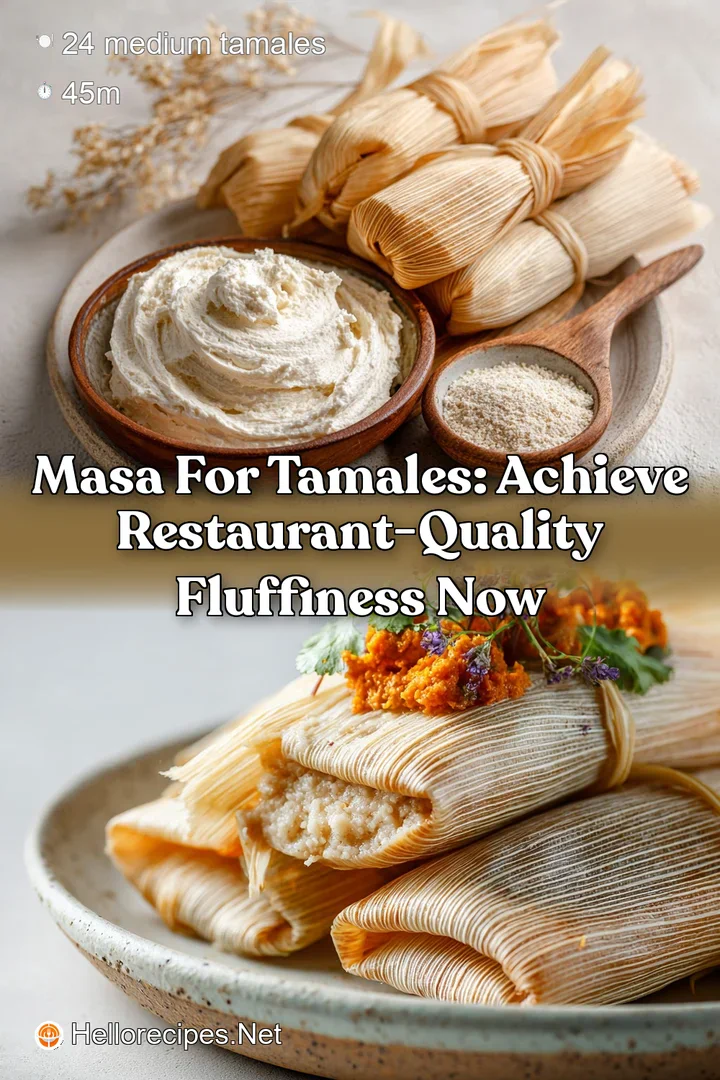
Recipe FAQs
What is the difference between standard Masa Harina and Masa Harina for Tamales?
Masa Harina for Tamales is typically coarser ground than standard Masa Harina used for tortillas. This coarser texture allows the dough to absorb more liquid and fat during preparation, which is essential for achieving the light, spongy texture that defines a perfect tamale.
How critical is the lard (manteca) whipping process for the final texture?
The whipping process is arguably the most critical step; it aerates the fat, making the resulting masa light and fluffy, rather than dense and heavy. You must beat the lard, often with baking powder, until it is noticeably white, voluminous, and resembles whipped cream.
Is it better to use dry Masa Harina or pre-prepared masa dough from the market?
While prepared masa (often sold fresh at tortillerias) is convenient, starting with high-quality dry Masa Harina allows you complete control over the fat content and aeration process. Using dry masa usually yields a lighter, fresher product, especially when using the essential lard whipping technique.
My steamed tamales came out dry and crumbly. What did I do wrong?
Dry, crumbly tamales usually indicate a lack of fat or insufficient liquid content in the masa before steaming. Ensure you strictly follow the ratios and check your masa using the float test before assembling to confirm it is correctly aerated and hydrated.
Can I successfully substitute the lard (manteca) to make this recipe vegan?
Yes, you can substitute the lard with an equal amount of solid vegetable shortening (such as Crisco or Manteca Vegetal). You must apply the same technique of whipping the shortening thoroughly until it is light, fluffy, and voluminous to ensure proper aeration.
What is the "float test" and why is it important for tamale masa?
The float test is a traditional method used to confirm that the masa has been adequately whipped and contains sufficient trapped air. Drop a teaspoon of prepared masa into a glass of cold water; if the ball floats to the surface, the masa is light enough for steaming.
How should I store prepared masa dough, and can I freeze it?
Prepared masa should be stored in an airtight container in the refrigerator and remains good for up to three days. Yes, you can freeze it for up to three months; thaw it overnight in the fridge and give it a quick mix or whip before using to revitalize the texture.
Feather Light Masa For Tamales
Ingredients:
Instructions:
Nutrition Facts:
| Calories | 1050 kcal |
|---|---|
| Protein | 15.5 g |
| Fat | 74.0 g |
| Carbs | 75.6 g |
