Brown Butter Sauce: the 10-Minute Culinary Secret
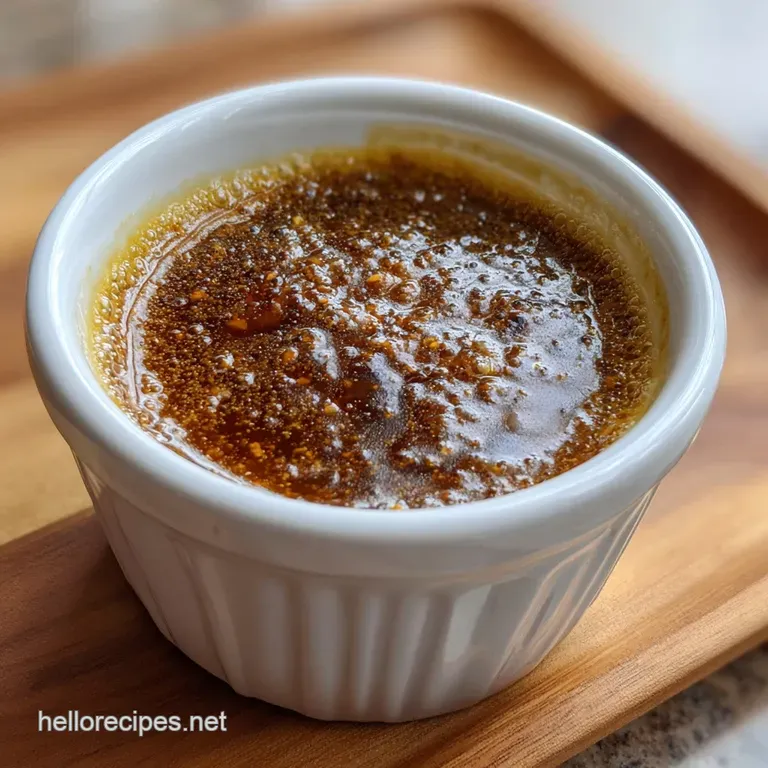
- The Magic of Beurre Noisette: Why Brown Butter Elevates Every Dish
- Essential Ingredients: Selecting the Right Butter for Success
- The Science of Liquid Gold: Mastering Maillard Reaction
- 7 Minutes to Mastery: Brown Butter Sauce, Step-by-Step
- Troubleshooting & Chef's Secrets for Perfect Brown Butter
- Storing Your Culinary Investment: Longevity of Beurre Noisette
- Versatility Unlocked: Best Ways to Use This Simple Sauce
- Recipe FAQs
- 📝 Recipe Card
The Magic of Beurre Noisette: Why Brown Butter Elevates Every Dish
Stop what you are doing and take a deep breath. Can you smell that? It's the scent of toasted hazelnut, warm caramel, and everything good in life baked into a single, unbelievably simple ingredient. That’s the promise of a perfect Brown Butter Sauce .
Honestly, this is the first thing I teach anyone who says they "can’t cook."
It’s a complete lifesaver because the ingredient list is one item long, and it takes less than ten minutes to transform boring old melted butter into liquid gold. This humble sauce immediately makes weeknight pasta feel like a special occasion, and it’s the secret weapon of every decent baker and professional chef.
It’s cheap, it’s fast, and it delivers flavor complexity that simply shouldn't be possible.
We are throwing out all the complicated techniques right now, friends. This step-by-step guide is dedicated to achieving the flawless, nutty, and rich flavor of genuine Brown Butter Sauce , or Beurre Noisette , every single time, without the panic.
Defining 'Nutty': What is Beurre Noisette and Why Does It Matter?
If you hear a chef talking about beurre noisette , they are talking about this exact thing: Brown Butter Sauce . The French term literally means "hazelnut butter," which gives you a great indication of the complex, earthy aroma and flavor we are chasing here.
It matters because it is a fundamentally different product than melted butter.
When you melt butter, the fat, water, and milk solids separate. When you continue to cook it, the water evaporates entirely, leaving the milk solids to toast in the pure butterfat. This is where the magic happens.
The toasted solids provide the distinct nutty flavor that defines this incredible Brown Butter Sauce recipe.
Key Nutritional Snapshot and Calorie Considerations
Let’s be real we’re talking about highly concentrated butterfat here, so this is not diet food. It is flavor food. The process of making Brown Butter Sauce eliminates the water content found in standard butter, concentrating the remaining fat and protein.
Since this sauce is typically used as a seasoning or an aromatic base, a little goes a very long way. You are investing calories in intense flavor, making the dish feel richer and more satisfying overall.
Prep Time & Active Cooking Clock: Understanding Your Investment
I love that the investment here is mostly just attention, not time. You truly only need about two minutes to cut the butter and set up your station, which is crucial. The active cooking time is tight usually right around five to eight minutes and you must be ready to remove the pan from the heat the second it hits perfection.
The best Brown Butter Sauce requires focus, not endurance.
Essential Ingredients: Selecting the Right Butter for Success
The ingredient list for this Brown Butter Sauce is deceptively short, which means quality matters exponentially. If your ingredients are meh, your final sauce will be meh. We want glorious!
Why Unsalted Butter is Non-Negotiable for Flavor Control
Always, always start with unsalted butter when making any foundational sauce like this. Why? Because salt content varies wildly between brands. If you start with salted butter, you have no control over the final seasoning, and you might end up with a metallic or overly saline Brown Butter Sauce .
We add the salt after the browning process, ensuring perfect balance.
| If you only have Salted Butter | Your Substitute Action |
|---|---|
| Use it! | Rinse and dry the butter pieces briefly, then reduce the added salt (at the end) by half. |
high-quality vs. Standard Butter: Does Fat Content Affect the Outcome?
Absolutely, yes. high-quality European style butter usually has a higher butterfat content (around 82%) and a lower water content than standard American sticks (around 80%). Less water means faster evaporation time and richer, clearer butterfat for the milk solids to toast in.
You will get a deeper, more pronounced nutty flavor that shines through in the final Brown Butter Sauce . This simple change elevates the sauce significantly.
Optional Finishers: Enhancing the Sauce with Clarified Additions
Once you've poured the hot liquid gold into a cold bowl, you can adjust the flavor profile easily. I always add a tiny splash of lemon juice; it cuts the richness perfectly and brightens the whole affair. A grind of black pepper is also welcome.
If you want to introduce herbs, they need to be added after the butter has browned and is off the heat, or they should be infused during the final thirty seconds. For example, fresh sage added too early will burn and taste bitter, ruining your hard earned batch of Brown Butter Sauce .
The Science of Liquid Gold: Mastering Maillard Reaction
What makes this technique more than just melting is the Maillard Reaction. This is a complex chemical process where amino acids react with reducing sugars when heated, creating hundreds of different flavor compounds. This is the same reaction that gives roasted coffee beans or seared steak their deep, complex flavor.
When we heat the butter, we are initiating this browning in the milk solids. The temperature has to be high enough (above 300°F or 150°C) to vaporize the water, but carefully controlled so the solids toast perfectly, transforming the butter into the magnificent Brown Butter Sauce .
Once you understand this reaction, you understand why those few minutes of stirring are so vital.
7 Minutes to Mastery: Brown Butter Sauce, step-by-step
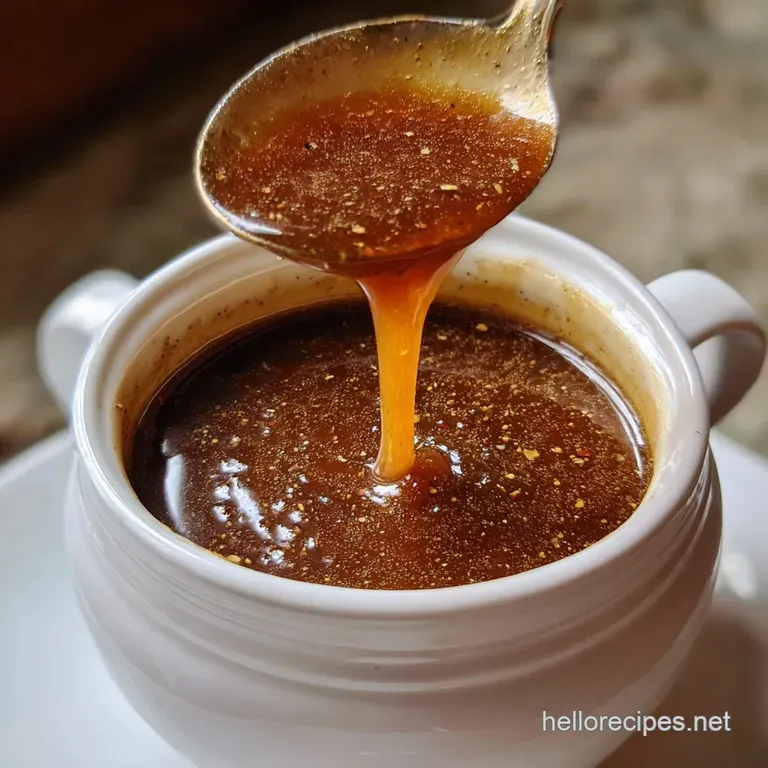
Making perfect Brown Butter Sauce is a process that requires your full attention. Do not walk away! I learned that the hard way when I tried to answer an email and ended up with black sludge instead of Beurre Noisette. Here is how we do it right.
Separating the Solids: Achieving Initial Clarity
Start by placing your cut butter pieces into a light colored, heavy bottomed saucepan over medium heat. Cutting the butter ensures it melts evenly, preventing some pieces from burning while others are still chilling out. Once it melts, you will see the white, cloudy milk solids separating and settling.
Stir frequently to promote even melting.
Identifying the Foam Stage: Visual Cues for Readiness
The butter will start to bubble vigorously, sometimes foaming up quite high. This is water evaporating, and it’s a good sign. You must keep stirring or swirling the pan gently during this phase. As the foam subsides and the sputtering calms down, you know you’ve reached the tipping point.
The silence is your cue that the water is gone, and the milk solids are naked and ready to brown.
Stage 3: The Moment of Truth Browning the Milk Solids
Lower the heat slightly to medium low if necessary, but keep the pan moving. You will see the solids at the bottom start to turn pale gold, then amber, then finally a deep, nutty brown. This is the critical window!
Smell your glorious creation: when it smells intensely nutty, like fresh popcorn, and the solids are deeply amber, your Brown Butter Sauce is ready. The color should resemble toasted hazelnuts.
Immediate Decanting: Stopping the Cooking Process Exactly on Time
CRITICAL WARNING: Remove the pan from the heat immediately . Do not delay, as the residual heat in the pan will continue cooking the solids. Pour the entirety of the hot liquid, including the sediment, into your prepared cold bowl.
This quick transfer stops the browning process dead in its tracks. You now have flawless, deeply flavorful Brown Butter Sauce .
Troubleshooting & Chef's Secrets for Perfect Brown Butter
I’ve made every mistake in the book, so you don't have to. Here are the common pitfalls people encounter when striving for that perfect Brown Butter Sauce .
Salvaging Burnt Butter: Can It Be Saved?
If the milk solids turn black and the smell is acrid or bitter, it is sadly irredeemable. Burnt milk solids taste awful, and trying to strain them out won't fix the flavor that has already permeated the butterfat. Throw it out and start over.
Trust me, ten minutes is better than ruining a whole meal with bitter butter. The key to never having a burnt Brown Butter Sauce is using a low to medium heat and constant attention.
The Best Pan Choice for Clear Visibility
I cannot stress this enough: use a stainless steel or light colored enamel pan. If you use a dark, non-stick pan, you won't be able to see the color change of the solids at the bottom until it’s far too late. Visibility is your superpower here.
Temperature Control: When to Pull Off the Heat
Pull the pan off the heat when the solids are just shy of the color you want. That residual heat will carry it the rest of the way. If you wait until it looks perfect in the pan, it will be burnt by the time you pour it into the bowl.
This is the secret to flawlessly rich and deep Brown Butter Sauce .
Chef's Note: If you think it's browning too fast, pull the pan off the burner completely for ten seconds while you continue stirring vigorously. Then place it back on if necessary. Quick temperature adjustments are key to making this incredible Brown Butter Sauce .
Storing Your Culinary Investment: Longevity of Beurre Noisette
You’ve created this liquid gold, so let’s make sure it lasts! Proper storage means you always have amazing flavor ready to go.
Refrigeration vs. Countertop Safety Standards
Since you have eliminated nearly all the water, Brown Butter Sauce is much more stable than raw butter. However, for food safety, I always recommend storing it in the fridge. Transfer the finished sauce to an airtight container once it has cooled slightly (but before it sets).
In the refrigerator, your solidified Brown Butter Sauce will keep wonderfully for up to three weeks.
Freezing Beurre Noisette: Best Practices for Future Use
Does Brown Butter Sauce freeze well? You bet it does! Freezing is the best way to extend the shelf life for 3 to 6 months. Pour the cooled liquid sauce into an ice cube tray, which is brilliant for portion control.
Once frozen, pop the cubes out and transfer them to a freezer bag, clearly labeled. When you need that nutty hit, just grab a cube!
Reconstituting the Sauce: How to Re-melt Properly
When you are ready to use your stored Brown Butter Sauce , it will be solid and have a texture similar to shortening. To re-melt it, just place the desired amount in a small, clean saucepan over the lowest heat possible. The goal is gentle warming until it liquefies, not re-browning.
You don’t want to cook those solids again!
Versatility Unlocked: Best Ways to Use This Simple Sauce
This rich, nutty flavor works across so many different dishes, both savory and sweet. If you are already rocking that killer Turkey Injection: Ultimate Herbed Butter Recipe for Juicy Meat I shared, this is the next logical step in your mastery of rich butter flavors.
- Desserts: Swap out melted butter for Brown Butter Sauce in baking recipes like blondies, cookies, or even that gooey Pecan Pie Cobbler: Buttery Cobbler Topping Over Gooey Filling . The nutty flavor adds incredible depth.
- Vegetables: Drizzle generously over roasted squash, asparagus, or even those zesty Corn Cobbettes: Zesty Charred Recipe with Lime Butter you just made. The richness cuts through the char and bright flavors perfectly.
- Grains & Pasta: Toss it with simple whole grains like farro or quinoa for an easy side dish. Naturally, this simple Brown Butter Sauce is famous for pairing with fresh ravioli or tortellini.
Honestly, once you master this basic Brown Butter Sauce , you will find yourself using it everywhere. It’s truly the fastest way to elevate anything coming out of your kitchen. Go forth and brown that butter!
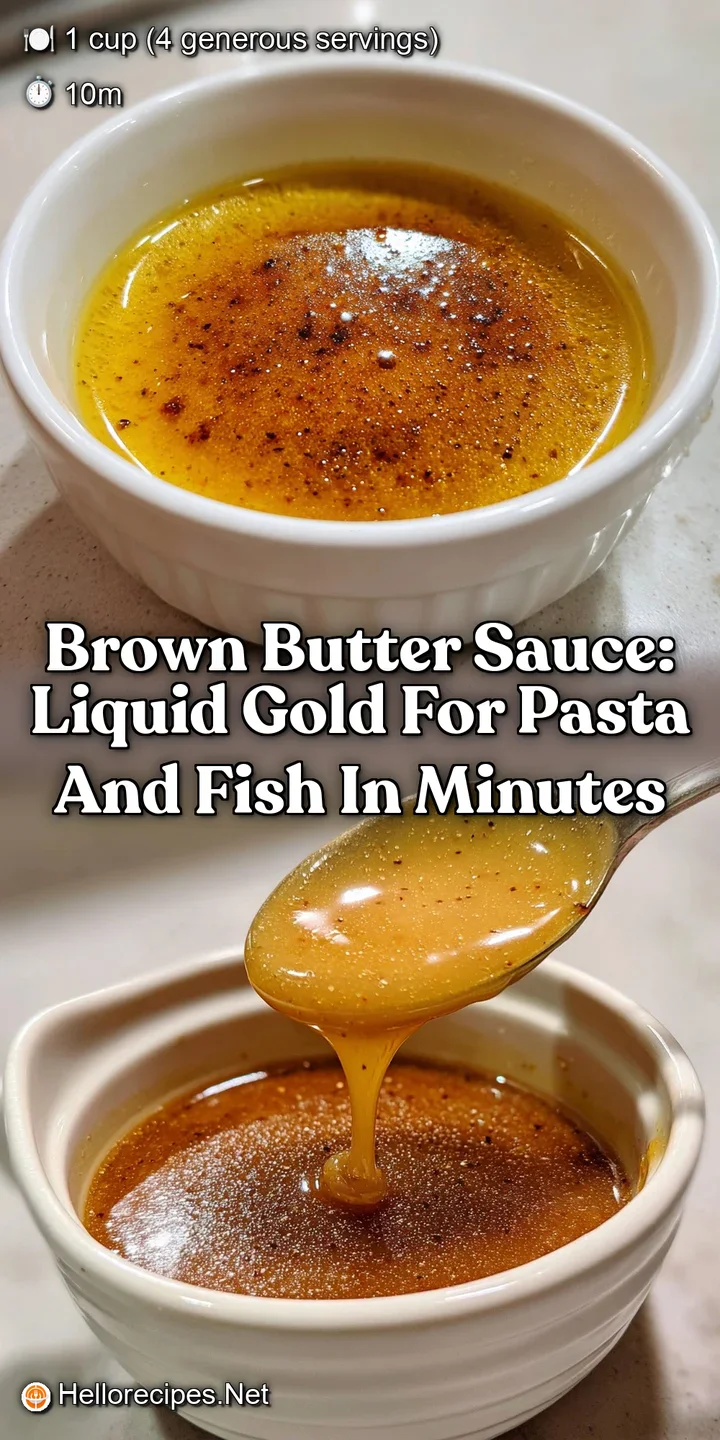
Recipe FAQs
Why did my brown butter burn and turn black instead of golden brown?
This common error happens when the heat is too high, or you left the milk solids on the heat too long after they achieved the desired color. Immediately remove the pan from the heat and transfer the sauce to a cool bowl to stop the cooking process.
If it is black and smells acrid, it must unfortunately be discarded, as the flavor will be bitter.
Should I use salted or unsalted butter for this recipe?
Always start with unsalted butter when preparing brown butter, as the high heat concentrates the flavors, and excess salt can interfere with the clean, nutty profile. Using unsalted butter gives you complete control over the final seasoning of your dish. You can always add salt after the browning process is complete.
How do I know exactly when the brown butter is perfectly done?
Perfect Beurre Noisette is achieved when the butter stops foaming aggressively, the aroma changes from milky to distinctly nutty (like toasted hazelnut or caramel), and the solids at the bottom are the color of amber or light mahogany.
Don't rely solely on the color; also listen for the sound once the vigorous sizzling quiets down, it is usually ready.
My brown butter sauce is slightly gritty or separated. What happened?
The separation or grittiness occurs when the liquid butterfat is not fully mixed with the caramelized milk solids, or if too much moisture evaporated, causing the solids to clump. To fix this, add one teaspoon of hot water or fresh, cold butter and whisk vigorously off the heat.
The emulsification should instantly restore a smooth, glossy texture.
Can I store leftover brown butter sauce, and how long does it last?
Yes, brown butter can be stored in an airtight container in the refrigerator for up to two weeks, where it will solidify into a deeply flavored compound butter. To re-use it as a liquid sauce, simply melt it gently over very low heat, stirring constantly to ensure all the separated solids are fully reincorporated.
Can I make Brown Butter Sauce using a dairy-free or vegan butter substitute?
Unfortunately, true Beurre Noisette relies entirely on the browning and caramelization of specific dairy milk solids, which non-dairy alternatives lack. While you can often achieve a 'toasted' flavor by heating vegan butters containing soy or nut solids, they will not develop the complex, classic hazelnut profile of traditional brown butter.
You are essentially just melting the fat.
What are the best culinary applications for Brown Butter Sauce?
Brown butter is incredibly versatile and shines when drizzled over fresh pasta (especially with sage or mushrooms), delicate pan-seared scallops or white fish, or tossed with roasted autumn vegetables like squash.
It also adds exceptional depth to baking recipes, particularly cookies, cakes, and quick breads where it provides a deep, nutty note.
Essential Brown Butter Sauce Recipe
Ingredients:
Instructions:
Nutrition Facts:
| Calories | 401 kcal |
|---|---|
| Protein | 0.0 g |
| Fat | 44.2 g |
| Carbs | 0.0 g |
