Coconut Rice: the Ultimate Creamy Stovetop Recipe
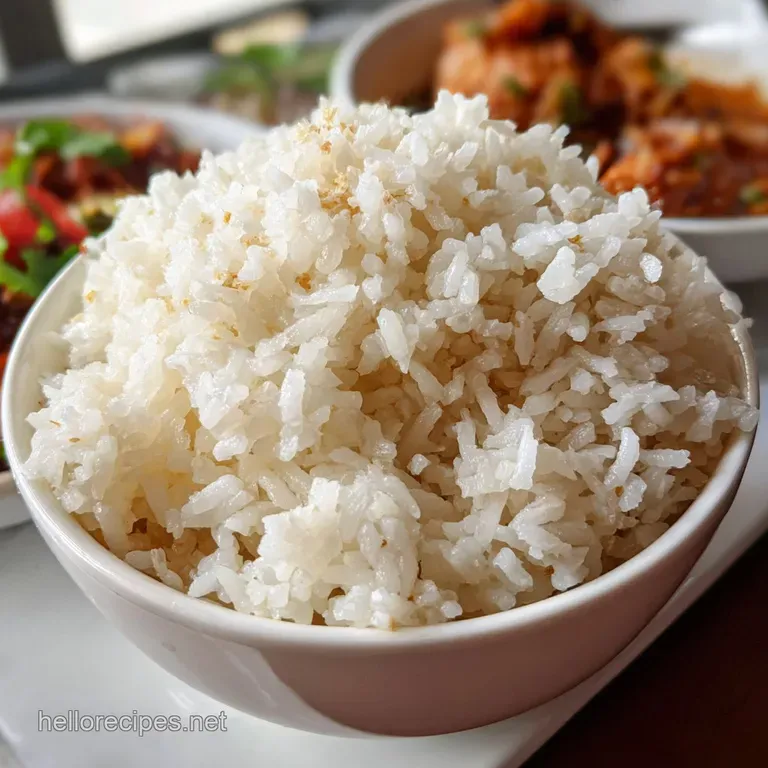
- The Ultimate Guide to Creamy Coconut Rice
- The Science of Texture: Why This Recipe Works
- Essential Ingredients and Smart Substitutions
- Detailed Steps: Cooking Flawlessly Aromatic Coconut Rice
- Troubleshooting and Expert Chef's Tips
- Storing, Reheating, and Freezing Leftover Rice
- Inspired Pairings and Serving Suggestions
- Recipe FAQs
- 📝 Recipe Card
The Ultimate Guide to Creamy Coconut Rice
If you close your eyes and imagine the perfect tropical side dish, you’re picturing this Coconut Rice . It’s the kind of side that fills your kitchen with that warm, holiday like scent of rich coconut milk and sweet, slightly floral Jasmine rice.
It’s comforting, aromatic, and totally addictive.
I used to think making great rice required special equipment or sheer luck. But honestly, this simple recipe is a total lifesaver for busy weeknights because it demands minimal active time, and it’s ridiculously cheap to make.
Seriously, once you figure out the precise liquid-to-grain ratio, you will never look back.
We are going to ditch the bland, sticky stuff right now and dive into the secrets for making truly flawless, fluffy, and unbelievably creamy Coconut Rice . Trust me, it’s easier than scrambling eggs. Let’s crack on.
The Science of Texture: Why This Recipe Works
Making perfect rice is less about stirring and more about controlled absorption and trapping steam. This particular Coconut Rice Recipe works because we start with a very rich liquid mostly coconut milk and limit stirring drastically.
What Makes This Version So Unique?
Unlike simply boiling rice in water, we use full fat coconut milk as the primary cooking liquid. This high fat content coats the starch molecules during the simmer, preventing them from fusing together too tightly and becoming gummy. The result is grains that are beautifully separate yet still tender and rich.
Tracing the Global Roots of Coconut and Rice
The pairing of coconut and rice is ancient and widespread, a staple across South and Southeast Asia, the Caribbean, and Central America. When preparing Coconut Rice in this style, you are tapping into the tradition of utilizing the island’s bounty to enrich simple grains.
It’s a foundational flavour profile that deserves respect and the proper ingredients.
Starch Control: Rinsing the Grains for Fluffiness
I’m telling you, this step is non-negotiable! The starchy powder on the outside of the grains, which is basically what makes rice stick together, must go. Rinsing the Thai White Rice (Jasmine) until the water runs completely clear is the single most important step in achieving fluffy, individual grains instead of a solid, sticky mass.
The Role of Fat in Preventing Clumping
The saturated fats in the full fat coconut milk are vital. They create a protective barrier on the rice grains, which ensures they absorb the moisture evenly without sticking to the bottom of the pan or to each other. If you use light coconut milk, you risk watery, unevenly cooked rice.
Balancing Sweetness and Saltiness for Depth of Flavor
The slight sweetness is there to complement the creamy coconut and the starchy rice base, not to dominate. That teaspoon of sugar, paired with the essential half teaspoon of salt, actually magnifies the natural flavour of the coconut.
It creates an incredible depth of flavour that makes the Coconut Rice dishes truly memorable.
Essential Ingredients and Smart Substitutions
This recipe is blissfully simple, but using the correct type of rice and the proper coconut milk is absolutely key. Don’t skimp here!
Choosing the Best Rice Variety (Jasmine vs. Basmati)
For the best texture in this Coconut Rice Recipe , Jasmine rice is king. Its mild floral aroma pairs perfectly with the coconut, and it strikes a perfect balance between being fluffy and slightly tender. Basmati works in a pinch, but it can sometimes turn out drier and less creamy.
Avoid short grain rice entirely.
Full Fat Coconut Milk vs. Light: Making the Creamy Choice
You need the full fat stuff, period. That dense layer of cream at the top of the can is what gives this dish its luxurious texture and rich flavour. Light coconut milk contains too much water, requiring you to adjust the ratios significantly, and it compromises the mouthfeel we are aiming for.
| Ingredient | My Recommendation | Substitution |
|---|---|---|
| Jasmine Rice | Long grain, fragrant | Basmati (use slightly less liquid) |
| Full Fat Coconut Milk | high-quality, canned | Half light coconut milk + Half heavy cream |
| Granulated Sugar | White refined sugar | Maple syrup or Honey (1/2 tsp less) |
| Kosher Salt | Diamond Crystal or basic Kosher | Fine sea salt (use 1/4 tsp less) |
The Necessity of Salt and Optional Sugar
The salt isn't just for flavour; it raises the boiling point slightly and helps the rice absorb the liquid better. If you plan on serving this Coconut Rice with a very sweet main course, you can skip the sugar, but I always recommend adding it for balance.
Optional Aromatic Boosters (Pandan Leaf or Lime Zest)
Want to elevate this easy side? Add a couple of kaffir lime leaves or a knotted pandan leaf (if you can find it) to the liquid before simmering. Pandan adds a sweet, vanilla like aroma that is intoxicating and screams authentic Thai flavour. You can remove them before you fluff the grains. If you love that flavour, you should try my Coconut Macaroon Nests Recipe: Easy, Chewy Spring Dessert sometime it's tropical heaven!
Detailed Steps: Cooking Flawlessly Aromatic Coconut Rice
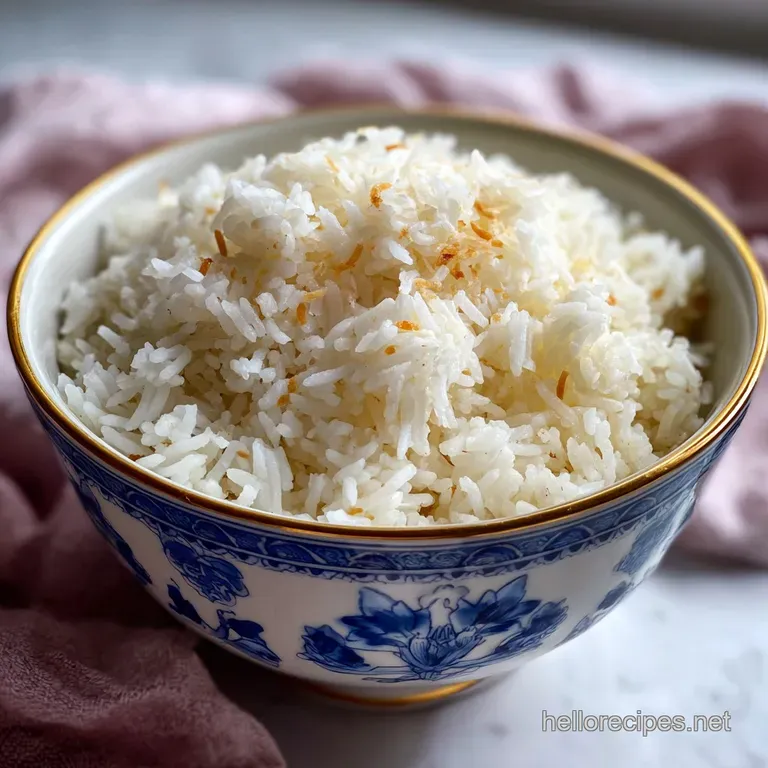
Remember, the heavy bottomed pan is your best friend here because it distributes heat evenly, preventing scorching.
Preparation: Rinsing and Soaking Technique
- Rinse until clear: Place your cup of Jasmine rice in a fine mesh sieve. Run it under cold tap water for at least two minutes, tossing the rice with your fingers until the cloudy water turns completely transparent. This washes away the excess starch. Drain the rice aggressively, shaking out all residual water.
- Combine and Season: In your heavy saucepan, combine the full can of coconut milk, 1/2 cup of water, salt, and sugar. Give it a quick whisk to ensure the seasoning is dissolved.
The Simmering Phase: Combining Liquids and Seasoning
- Heat the Liquid: Place the pot over medium heat. Bring the liquid just up to a gentle simmer you should see tiny bubbles forming around the edges. Do not let it boil hard, or the coconut milk might split.
- Add Rice and Stir Once: Tip the rinsed rice into the simmering liquid. Stir only once to ensure the grains are evenly distributed on the bottom of the pan. Stop stirring! This prevents starchy chaos.
- Cover and Reduce: As soon as the mixture returns to a simmer and the liquid level dips below the top layer of rice, slam that lid on tight. Reduce the heat immediately to the lowest setting your hob allows.
The Critical Resting Period (The Secret to Perfect Fluffiness)
- The 15 Minute Steam: Cook, undisturbed, for exactly 15 minutes. Listen for the gentle hiss of steam but do not, under any circumstance, lift the lid . That trapped steam is finishing the cooking process.
- Off-Heat Rest: After 15 minutes, remove the pot completely from the heat, keeping the lid shut. Let it rest for another 10 minutes. This resting period allows the steam to equalize the moisture, giving you fluffy, separate grains of perfect Coconut Rice .
Fluffing and Final Presentation
- Fluff Gently: Lift the lid and use a fork never a spoon to gently fluff the rice. You want to turn and lift the grains, incorporating any remaining rich coconut residue from the bottom of the pan. Serve immediately while hot and fragrant.
Chef’s Note: If you prefer cooking your rice in rice cooker, you can absolutely make Coconut Rice in rice cooker. Just use the same ratios but ensure the final volume of liquid does not exceed the maximum fill line for your rice in rice cooker setup.
Troubleshooting and Expert Chef's Tips
We have all been there: the rice disaster. The good news is most rice problems are fixable if you catch them early enough.
Preventing Gummy Rice Syndrome
This is the big one. Gummy rice almost always means you skipped rinsing or you stirred too much after the rice was added. Remember, stirring releases starch back into the water, essentially turning it into glue.
Keep stirring minimal, rinse thoroughly, and your how to make Coconut Rice journey will be stress free.
Fixing Undercooked Grains After the Rest
Did you lift the lid during the rest? Oops. If you find hard, dry spots after fluffing, add one tablespoon of water to the centre of the pot, quickly replace the lid, and cook on the lowest heat setting for an additional 3- 5 minutes. Then let it rest again for 5 minutes.
The small amount of added moisture and trapped steam should finish the job.
Temperature Control Secrets for Even Cooking
If your electric stove runs hot, the very low setting might still be scorching the bottom layer of rice while the top remains uncooked. Use a heat diffuser if you have one , or simply move the pot slightly off-center on the burner.
The key is maintaining a very, very gentle simmer once the lid is on.
Storing, Reheating, and Freezing Leftover Rice
You’ve made a big batch of this ultimate Coconut Rice, and now you have leftovers. How do you save that creamy goodness?
Safe Storage Guidelines for Cooked Rice
Cooked rice, especially when enriched with fat like this, needs to be handled safely. Cool the leftovers quickly and store them in an airtight container in the refrigerator within two hours of cooking. It will stay fresh and delicious for 3 to 4 days.
Best Methods for Reheating Creamy Rice
Microwaving rice can dry it out quickly, especially the Coconut Rice since it’s already relatively sticky. The best method is to put the portion in a small bowl, add a tablespoon of water or coconut milk, cover it with plastic wrap (or a damp paper towel), and microwave on medium power until steaming hot. The added moisture creates steam and keeps it from drying out, just like my technique for heating up leftover Pork Fried Rice: Restaurant Quality, Non-Greasy, over High heat Recipe .
Can You Freeze Leftover Coconut Rice?
Absolutely! This Easy Coconut Rice Recipe freezes beautifully. Portion the cooled rice into single serving freezer bags or containers, press out the air, and freeze for up to three months. Thaw overnight in the fridge and reheat using the microwave method described above.
It’s perfect for meal prepping.
Inspired Pairings and Serving Suggestions
This creamy, sweet salty foundation works with nearly any dish that benefits from a tropical kick. This is the rice that can stand up to big, bold flavours!
Pair it with anything that has a rich sauce, like a fiery Thai Yellow Curry or a simple jerk spiced chicken. If you are going for a lighter vibe, serve it alongside fresh grilled salmon marinated in a soy and ginger glaze. The contrasting saltiness of the protein against the slightly sweet coconut is just perfection.
Trust me, mastering this simple side dish will completely change your weeknight cooking routine. You’ll find yourself relying on this perfect Coconut Rice often.
If you do want to try making a big batch quickly, using a good quality rice in rice cooker definitely speeds up the process, but the stovetop method gives you ultimate control over that creamy bottom layer. Enjoy every fluffy bite!
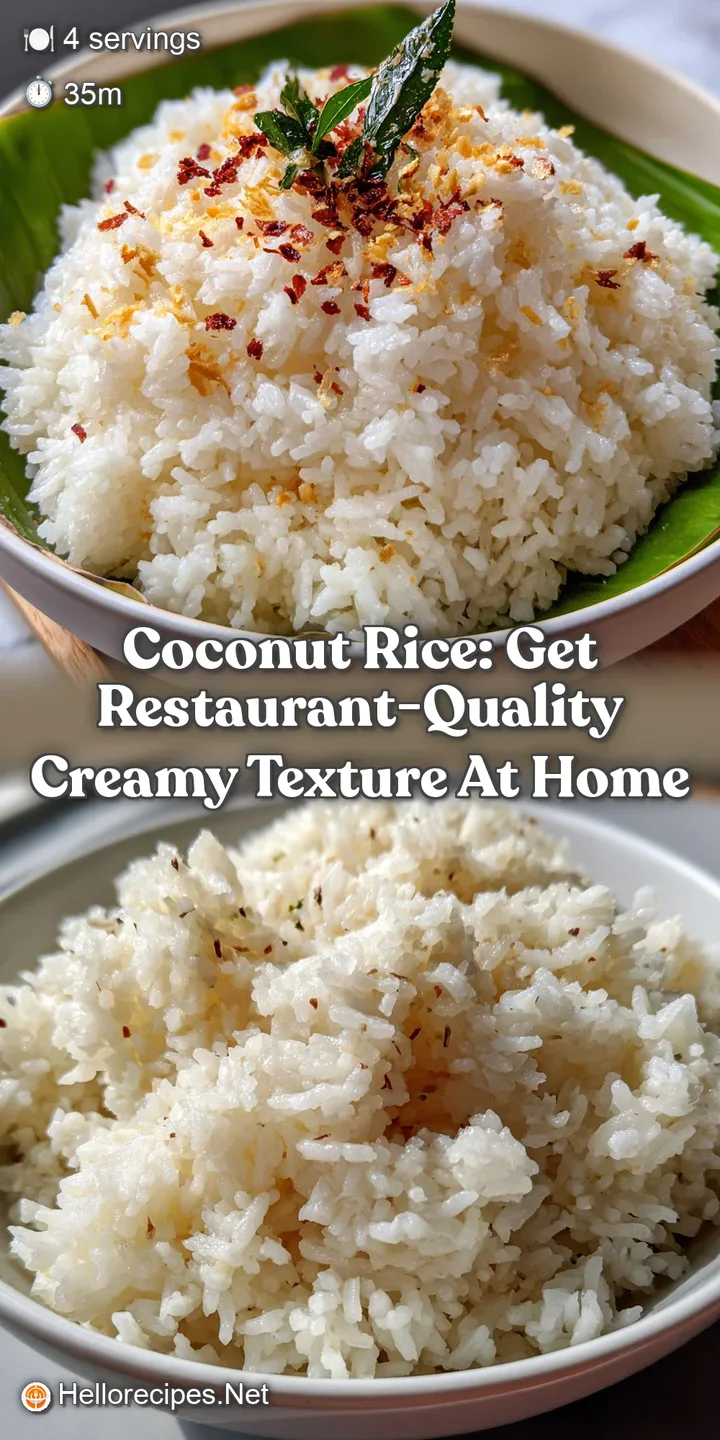
Recipe FAQs
What is the best type of rice to use for a truly fluffy result?
Jasmine rice is highly recommended for coconut rice due to its fragrant aroma and optimal texture retention after cooking in rich liquid. Basmati rice or standard long grain white rice are acceptable alternatives, but they may not retain the same level of fluffiness.
Why is my coconut rice sticky and mushy instead of light and fluffy?
Mushy rice usually results from either over stirring or an incorrect rice-to-liquid ratio. Avoid stirring the rice once it starts to simmer, as this releases excess starch which creates a glue like consistency. Ensure you measure the liquids precisely to prevent over absorption.
My rice tastes bland; how can I boost the coconut flavor and complexity?
Always use full fat, unsweetened canned coconut milk for maximum richness, shaking the can well before opening to incorporate the cream. Additionally, a crucial pinch of salt is necessary as it balances the natural sweetness and amplifies the overall flavor profile of the coconut.
Can I make this recipe healthier by using light coconut milk, and how will it affect the texture?
You may substitute light coconut milk, but be aware that the final product will be significantly less creamy and luxurious. To slightly improve the mouthfeel, consider adding one teaspoon of solid coconut oil or butter to the pot when you add the liquid ingredients.
Why did my rice turn out dry and slightly crunchy, even after cooking the full time?
This is typically caused by insufficient steam or removing the lid too early, which allows the necessary moisture to escape. Ensure your rice is simmering gently on the lowest setting and, most importantly, allow it to rest undisturbed for the full 10-minute period after turning off the heat.
How should I store leftover coconut rice, and is it safe to freeze?
Leftover coconut rice should be rapidly cooled and stored in an airtight container in the refrigerator for up to 3 days. While it can be frozen for up to one month, the freezing process sometimes slightly alters the texture upon reheating.
Can I omit the small amount of sugar used in the recipe entirely?
Yes, you can omit the sugar, particularly if you are strictly avoiding added sweeteners. However, the sugar is primarily included to balance the salt and enhance the naturally savory sweet profile of the coconut. It deepens the flavor without making the rice overtly dessert like.
Easy Fluffy Coconut Rice Recipe
Ingredients:
Instructions:
Nutrition Facts:
| Calories | 395 kcal |
|---|---|
| Fat | 18 g |
| Fiber | 1 g |
