Lobster Tail Recipe: Lemon-Garlic Butter Bake
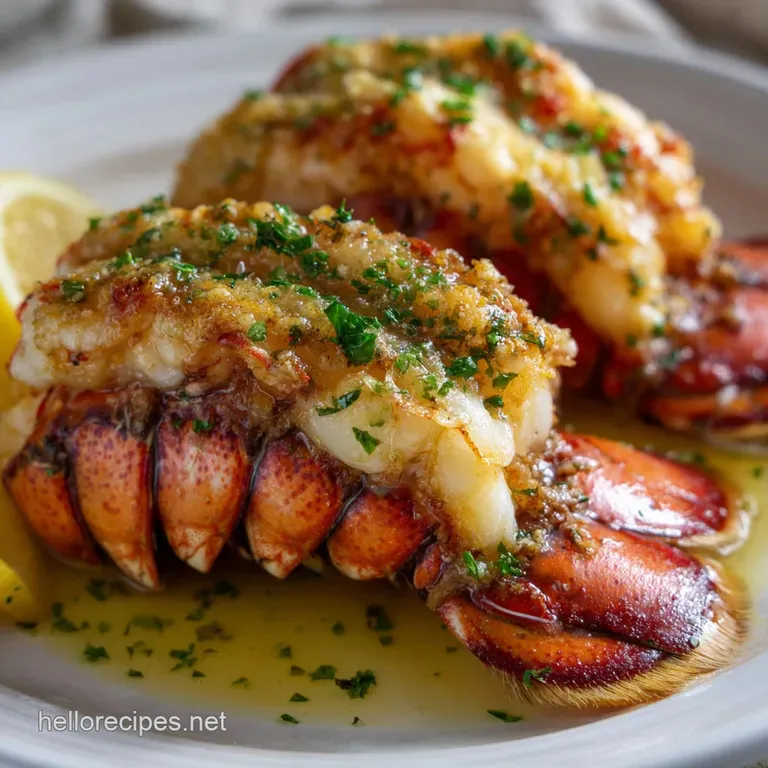
- The Ultimate Lemon-Garlic Butter Baked Lobster Tails: Restaurant Quality at Home
- The Science of Succulence: Why This Baking Method Prevents Toughness
- Essential Components for the Perfect Lobster Tail Recipe
- Step-by-Step Guide to Baking Perfect Lobster Tails
- Chef's Secrets: Ensuring Perfectly Cooked Lobster Every Time
- Handling Leftovers: Storage and Reheating Cooked Lobster Tails
- Elevated Sides and Wine Pairings for Your Lobster Dinner
- Recipe FAQs
- 📝 Recipe Card
The Ultimate Lemon Garlic Butter Baked Lobster Tails: Restaurant Quality at Home
That incredible aroma of sizzling garlic butter and lemon is the ultimate sign of a celebratory meal. When that gorgeous scent hits the air, you know you’ve completely won dinner.
If you’ve ever dreamed of mastering the perfect restaurant style Lobster Tail Recipe at home, today is absolutely your day.
People always think preparing lobster is complicated, but honestly, that’s totally a lie meant to justify steep restaurant prices. This method is incredibly fast, surprisingly budget friendly if you shop smart, and delivers flawless, tender results every single time.
Forget the fear of mushy or rubbery disappointment.
We’re going to dive deep into the specific technique the butterfly cut and the precise temperature that makes this specific Lobster Tail Recipe foolproof. We'll skip the guesswork and focus on moisture and flavor.
Let’s crack on with the best way to cook lobster you will ever find!
The Science of Succulence: Why This Baking Method Prevents Toughness
Why Baking is the Superior Method
Baking provides the gentlest, most even heat for delicate seafood, making it the superior method over boiling or over high heat broiling. Boiling washes flavor away, and broiling is too aggressive, often scorching the top while leaving the center undercooked.
Using a moderate oven temperature is key to preventing the protein in the lobster meat from seizing up and turning tight and rubbery. This is hands down the easiest answer to How To Cook Lobster without fail.
The Allure of Simple Garlic Butter
Simple ingredients often yield the most complex results. Garlic, lemon zest, and rich butter are the holy trinity for almost any seafood dish, and they penetrate the exposed meat beautifully as it gently cooks. That buttery flavor is what seals the deal.
We call this type of dish one of the best Lobster Tail Recipes Easy to master.
What You'll Achieve with This Recipe
You are going to achieve perfectly tender, moist meat that pulls easily from the shell. The exposed surface will develop a shimmering golden crust, totally infused with garlicky, acidic brilliance. You’ll be shocked that something this luxurious only took 15 minutes to cook.
The Role of Compound Butter in Moisture Retention
The seasoned butter does more than just add flavor; it acts as a constant baste and a protective fat layer. As the butter melts, it covers the surface of the meat, locking in the natural juices and preventing surface drying.
Using this compound butter is non-negotiable if you want a succulent result from your Lobster Tail Recipe .
The Perfect Internal Temperature for Lobster Meat
Temperature is everything here, and you have to get cozy with your instant read thermometer. The magic number for tenderness is 140°F 145°F (60°C 63°C) at the thickest part.
I once made the mistake of pushing them to 155°F because I was nervous, and the result was dry, sad rubber don't be like past me!
How to Achieve the "Presentation Lift" (Butterfly Technique)
The butterfly cut is what makes this dish look restaurant quality, but it also serves a practical purpose. By lifting the meat out and placing it on top of the shell, you ensure the meat is completely exposed to the heat and the butter sauce.
This allows for beautifully even cooking and superior flavor absorption, which is essential for a fantastic Lobster Tail Recipe Oven execution.
Essential Components for the Perfect Lobster Tail Recipe
You only need a few high-quality ingredients to make this truly shine. Don't skimp on freshness!
Selecting Premium Lobster Tails (Fresh vs. Frozen)
When selecting tails, the most economical choice is usually Frozen Lobster . Cold water tails (like those from Maine or South Africa) are generally preferred for their firmer meat and sweet flavor. If buying frozen, look for vacuum sealed tails that are shiny and show no signs of freezer burn.
Always thaw properly in the fridge overnight or using the cold water method never in the microwave!
Choosing the Right Fat: Clarified vs. Standard Butter
While restaurants often use clarified butter (ghee) because it won't burn under high heat, for this moderate oven Lobster Tail Recipe , regular unsalted butter works perfectly.
| Ingredient | Use Case | Viable Substitution |
|---|---|---|
| Unsalted Butter | Fat base for flavor and moisture | high-quality refined coconut oil or vegan butter |
| Fresh Garlic | Aromatic base | 1/2 tsp good quality garlic powder (avoid garlic salt) |
| Fresh Lemon Juice | Acidity and brightness | 1/2 Tbsp dry white wine (Chardonnay or Sauvignon Blanc) |
| Parsley | Freshness and garnish | Fresh chives or tarragon |
Sourcing Quality Aromatics (Garlic and Lemon)
Always use fresh garlic and fresh lemon zest. The bottled stuff simply won't give you that bright, fragrant finish. The zest is where the essential oils live, providing an intense aroma that permeates the kitchen while baking.
Recommended Seasoning Variations
I keep this simple with just salt, pepper, and paprika for color, but you could easily transform the Garlic Butter Sauce with herbs. Try swapping the parsley for dried dill if you want an extra layer of savory depth.
Or for a different dinner experience, a tiny dash of cayenne pepper adds a welcome kick.
step-by-step Guide to Baking Perfect Lobster Tails
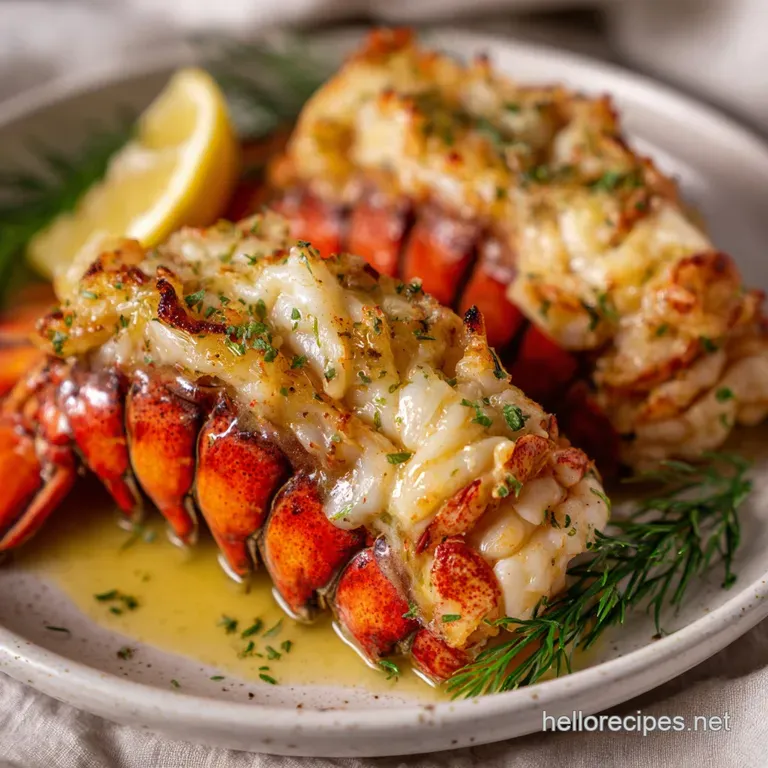
Preparing the Tail Shell: The Crucial Butterfly Cut
First, preheat your oven to 400°F (200°C). Grab your tails and your sharp kitchen shears. Place the tail belly down, and cut straight down the centre of the hard shell until you reach the tail flipper, making sure not to cut the soft membrane underneath. This step is critical for a gorgeous result.
Crafting the Lemon Garlic Compound Butter
In a small pan, melt your unsalted butter gently. You don’t want it boiling, just fully liquid. Stir in the minced fresh garlic, lemon juice, and zest. Now, this is important : Reserve about a tablespoon of this unheated butter mixture.
This goes on after baking to give the final dish that incredibly fresh, zingy flavor, preventing the lemon and herbs from scorching in the heat.
Chef's Note: When you lift the meat, gently blot it with a paper towel. Removing excess moisture ensures the garlic butter adheres beautifully, creating that slight caramelisation during baking.
The Baking Protocol: Time and Temperature Alignment
Place the butterflied tails on a foil lined sheet. Brush the exposed meat generously with the bulk of your compound butter the stuff we mixed but didn't reserve. Bake for 12 to 15 minutes, depending on the size of the tails. Don't wander off! This is the moment when things happen fast.
Glazing and Finishing Touches
As soon as the meat hits 140°F, pull those beauties out of the oven! The meat should be perfectly opaque and slightly firm to the touch. Brush on the reserved, fresh garlic lemon butter (the unheated stuff) and sprinkle with fresh parsley. The sizzling sound as the cold butter hits the hot meat is truly satisfying.
Chef's Secrets: Ensuring Perfectly Cooked Lobster Every Time
The Thermometer Test: Checking for Doneness Accurately
The most common mistake people make is relying solely on color. The shell might be bright red, but the meat could still be undercooked or, worse, already rubbery. Always insert an instant read thermometer into the thickest part of the meat. Target 140°F 145°F (60°C 63°C).
If you don't have a thermometer, make the investment; it is the single greatest tool for mastering this Lobster Tail Recipe .
Avoiding the Dreaded Rubber Texture
Rubberiness is caused by overcooking, period. The protein structure tightens rapidly above 150°F. If you are baking multiple tails, ensure they are roughly the same size so they cook evenly.
If you find yourself in a pinch, pulling the tails out a minute early and letting them rest is always safer than pulling them out a minute late.
Best Practices for Basting and Glazing
We baste twice for maximum flavor. Basting before baking ensures the butter penetrates deeply, aiding in moisture retention. Basting after baking with the fresh, reserved butter maximizes the bright aromatics of lemon and garlic, guaranteeing a vibrant flavor profile.
Troubleshooting Undercooked Lobster Meat
If you cut into the thickest part and the center is still translucent or grey, pop the tails back into the oven for 1- 2 minutes max. If they were slightly cold when they went into the oven, your overall cooking time might simply be a little longer.
If you tried a different technique, like the Lobster Tail Recipe Steamed , remember that steaming requires longer times than baking.
Handling Leftovers: Storage and Reheating Cooked Lobster Tails
You might not have leftovers, because honestly, who stops eating perfect lobster? But just in case, here are the official rules.
Safe Refrigeration Guidelines for Cooked Shellfish
Cooked lobster tails must be stored promptly. Remove the meat from the shell (it takes up less space) and seal it tightly in an airtight container. It is safe in the refrigerator for up to 3 days.
Freezing cooked lobster is possible, but it tends to lose some texture; if you must freeze, seal it tightly and use within 3 months.
The Best Way to Reheat Baked Lobster
Never, ever try to reheat cooked lobster in the microwave. It will guarantee the rubber texture we tried so hard to avoid. Instead, the best reheating method is gentle oven heat. Place the cooked meat (out of the shell) on a foil lined tray, add a small pat of butter, and bake at a very low 300°F (150°C) for just 5- 7 minutes, until heated through.
Alternatively, use your Lobster Tail Recipe Air Fryer setting at a low temperature for quick, careful reheating.
Elevated Sides and Wine Pairings for Your Lobster Dinner
A meal featuring this elegant Lobster Tail Recipe deserves equally impressive supporting roles. You want sides that contrast the richness of the butter without overwhelming the delicate lobster flavor.
For the ultimate indulgence, serve this as part of a classic Surf and Turf. If you’re looking for a brilliant pairing, I highly recommend our Prime Rib Roast: The Best Reverse Sear Recipe for Medium Rare . The rich, salty crust of the beef contrasts perfectly with the sweet lobster.
If you prefer a lighter side, a simple Lemon Risotto or a side of asparagus lightly grilled is perfect. As for wine, stick to crisp, dry whites like a Sancerre, Chablis, or a bright New Zealand Sauvignon Blanc. The acidity cuts beautifully through the Garlic Butter Sauce .
This whole setup is much easier than people think, proving lobster can be a truly Budget Friendly Dinner when made at home. This simple, elegant Lobster Tail Recipe is proof that you can cook restaurant quality food effortlessly.
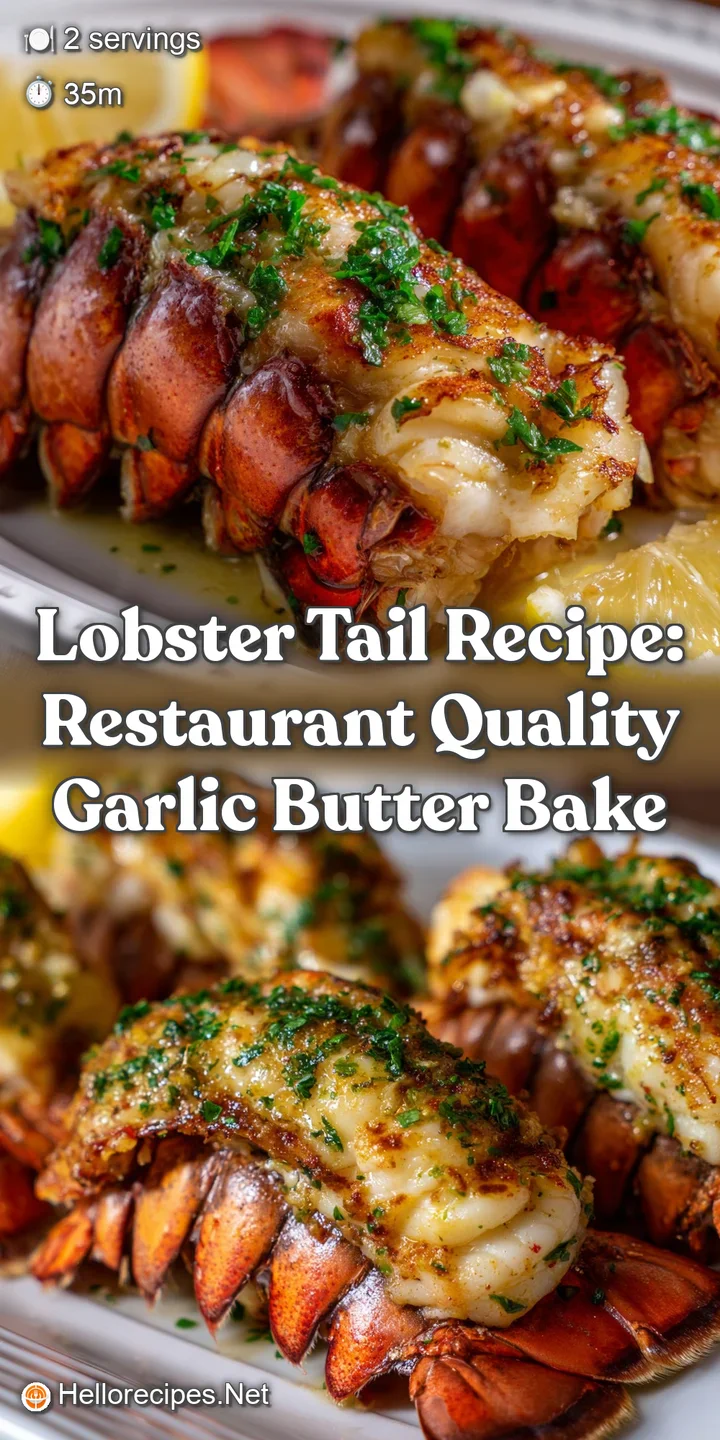
Recipe FAQs
Why did my baked lobster tails turn out dry or rubbery?
Overcooking is the primary culprit behind dry or rubbery lobster, as the proteins seize rapidly when exposed to high heat for too long. Lobster cooks very quickly, and once the internal temperature exceeds 145°F (63°C), the meat begins to seize and lose moisture rapidly.
To prevent this, use an instant read thermometer and pull the tails out of the oven immediately when they hit 140°F (60°C).
How do I know when the lobster tails are perfectly done?
The most reliable method is using a meat thermometer inserted into the thickest part of the tail meat; the internal temperature should read between 140°F and 145°F (60°C to 63°C).
Visually, the meat should be completely opaque white, and the shell should be bright red, ensuring no translucent or gray areas remain.
Can I use frozen lobster tails for this recipe?
Absolutely, but proper thawing is essential to maintain moisture and texture. Always thaw frozen tails slowly in the refrigerator overnight, or use a cold water bath for faster thawing, changing the water every 30 minutes.
Never use hot water, as this damages the delicate meat structure and often results in uneven cooking.
What is the easiest way to butterfly the tails for baking?
Use sharp kitchen shears to cut down the top center ridge of the shell, running the cut from the wide opening down to the tail fin, ensuring you cut through the shell but not the meat underneath.
Gently pull the raw meat upward, resting it securely on top of the opened shell; this technique allows the lemon garlic butter to penetrate evenly and speeds up the cooking process.
How should I store and reheat leftover cooked lobster meat?
Cooked lobster should be cooled completely and stored in an airtight container in the refrigerator for up to 3 days. To reheat without drying it out, gently steam the tails for a few minutes over simmering water, or wrap them tightly in foil and warm them briefly in a low oven set to 300°F (150°C).
Can I broil or grill the lobster tails instead of baking them?
Yes, broiling or grilling are fantastic alternatives that impart a slightly smokier flavor and crisp the edges of the butter. For broiling, position the tails 6 inches from the element and monitor constantly, brushing frequently with butter until the meat is opaque.
If grilling, place them shell side down over medium high heat.
What kind of butter should I use for basting?
Clarified butter (ghee) is the professional choice because it lacks milk solids, preventing the butter from burning at high oven temperatures. If using standard salted butter, be sure to skim off any white foam while melting it, and keep the oven temperature moderate to minimize scorching the garlic mixture.
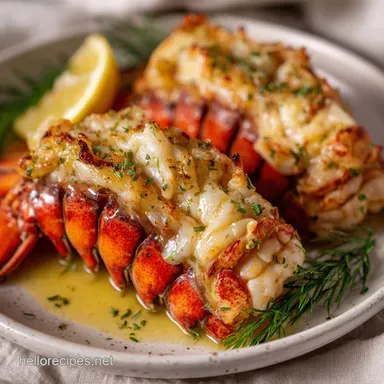
Easy Baked Lobster Tail Recipe
Ingredients:
Instructions:
Nutrition Facts:
| Calories | 469 kcal |
|---|---|
| Protein | 44.5 g |
| Fat | 26.8 g |
| Carbs | 3.0 g |
